

Imagine swapping a basic backsplash for natural stone and instantly elevating the room. You’ll spot how premium materials read as timeless when paired with durable finishes and cohesive lighting. The question isn’t just what to choose, but how these choices hold up over time. Ready to explore how textures, hardware, and layered lighting transform ordinary spaces into something refined?
Key Takeaways
- Choose dense, repairable surfaces (solid wood or quality veneers) for longevity, refinishing, and authentic grain depth.
- Invest in layered lighting (ambient, task, accent) with dimmable controls and varied color temps for mood and perceived quality.
- Use cohesive hardware finishes (brushed nickel, matte black, warm brass) and sculptural accents to elevate details.
- Opt rich neutrals and restrained color palettes with subtle variations for a timeless, upscale look.
- Pair luxurious textures (velvet, leather, stone) with clean edges and balanced patterns to avoid visual overload.
How to Spot Expensive-Look Materials Without the Price Tag

Look for materials that feel substantial and endure daily use, rather than just looking good on the surface. You’ll spot expensive-looking options by tactile weight, refined edges, and consistent finishes. Compare grain, veining, and texture: natural patterns should feel authentic, not repetitive or plasticky.
Check joinery and hardware—hidden connections and sturdy pulls signal durability. Opt for timeless palettes and subtle contrast rather than loud branding; small imperfections in natural materials can add character.
Consider balance: luxury reads as quiet confidence, not showroom flash. Think about longevity, maintenance, and how patina develops with time. Vintage charm matters, but choose items that age gracefully.
Eco-friendly choices amplify value, delivering lasting appeal without compromising the environment.
Choose Luxurious, Durable Surfaces That Last
Consider the surfaces you touch daily and choose options that pair luxury with durability. You’ll prioritize materials built to endure daily wear while elevating ambience. Look for dense, repairable surfaces—think solid options over veneers—and insist on precise joinery and reinforced edges.
Favor finishes that resist scuffs, moisture, and heat, so beauty remains longer without constant upkeep. When evaluating suppliers, prioritize Sustainable sourcing and traceable materials, ensuring alder, stone, or engineered alternatives meet long‑lasting performance without compromising ethics.
Eco friendly finishes should deliver a refined look without sacrificing resilience, so you don’t recoat or replace prematurely. Demand multi‑layer protections, warranties, and maintenance guidance, and opt for textures that hide minor imperfections.
With disciplined selection, you align luxury with practicality, creating enduring elegance throughout your space.
The Color Play: Rich Neutrals and Warm Tones
Rich neutrals and warm tones set an inviting foundation, balancing sophistication with versatility. You’ll leverage color psychology to create mood without overpowering architecture, selecting a restrained palette that complements natural light and architectural lines.
In practice, choose a cohesive paint palette that ties walls, trim, and built-ins into one harmonious whole. Neutral bases—soft beiges, taupes, greiges—anchor spaces, while warm accents—creamy whites, caramel, terracotta—add depth and invitation.
Pair deeper neutrals with lighter undertones to preserve clarity and avoid heaviness. Use subtle variations within a tight range to maintain cohesion across rooms, enabling easy progression from living areas to kitchens and baths.
Finish quality matters: matte or satin surfaces reflect refined taste without shouting, reinforcing an upscale, timeless feel throughout the home.
Textures That Read High-End: Velvet, Leather, Stone
Texture cues instantly signal luxury: velvet, leather, and stone elevate spaces with tactile and visual richness. You pair velvet with restrained lighting to glow without shouting, creating a refined cocoon that reads expensive.
Leather seating anchors rooms with durability and patina, while a sculpted stone surface adds a cool, timeless counterpoint. Seek balanced textures rather than clutter; let each material breathe. Incorporate artistic wall finishes to unify hues and textures, turning tactile interest into a cohesive statement.
Vintage furniture and fine lines contrast modern silhouettes, reinforcing an upscale mood without shouting. Maintain clean edges, avoid busy patterns, and let natural fibers patina gracefully.
When textures align—from soft to hard—you craft a curated, high-end atmosphere that feels deliberate, durable, and visually satisfying.
Quartz vs Marble: When to Invest and When to Substitution

Quartz or marble? You’ll weigh value timing, investment cues, and substitution basics to decide when the durable, low-maintenance quartz fits, and when marble’s classic look justifies the higher upkeep.
We’ll outline clear criteria for choosing quartz for high-traffic areas and marble for statement surfaces, so your decision stays sharp and intentional.
Consider cost, resilience, and resale impact as you compare options and set expectations.
Quartz Value Timing
When deciding between quartz and marble, timing matters: quartz often provides better value for high-traffic kitchens and busy households, while marble remains an aspirational choice for those prioritizing timeless aesthetics.
In this section, you’ll evaluate quartz value through practical timing cues—labor, maintenance, and resale. Choose quartz when a faster, cost-conscious installation aligns with your moving plans or rental-ready renovations, and you’ll preserve long-term durability with minimal upkeep.
If you’re timing for texture, color consistency, or showroom appeal, quartz delivers predictable results and reduced risk of stains or etching in daily use.
Recognize that timing also affects trend relevance; quartz evolves quickly, offering modern palettes that stay current, while marble-inspired surfaces provide lasting prestige.
Plan purchases around lifecycle needs, not fleeting fads, to maximize value. timing.
Marble Investment Cues
If you crave Vintage charm and a sense of curated lineage, you’ll favor veined slabs and polished edges that elevate spaces with subtle drama. For high-traffic rooms, consider honed textures and lighter tones to minimize show-through wear while preserving elegance.
When you seek statement art for architecture, marble delivers enduring value through character and tactility, but you should reserve it for focal points rather than entire schemes. In cautious investments, pair marble with quartz accents to balance durability with refined opulence.
Substitution Guidelines Essentials
Balancing cost, aesthetics, and practicality requires a clear framework for choosing between quartz and marble. You’ll weigh durability, maintenance, and look, then decide where substitution makes sense without sacrificing impact.
Quartz offers consistent coloration, lower upkeep, and eco-friendly finishes, ideal for high-traffic areas and busy kitchens.
Marble, with its veining and vintage décor charm, delivers timeless character but demands careful sealing and attention to stains.
When you substitute, prioritize function and longevity over trend.
- Use quartz for daily surfaces and family spaces to maximize longevity with minimal upkeep.
- Reserve marble for rooms where display value and ambiance trump routine wear.
- Align material choice with the overall design message, balancing modern practicality with classic elegance.
Wood Veneers vs Solid Wood: Budget-Friendly Luxury
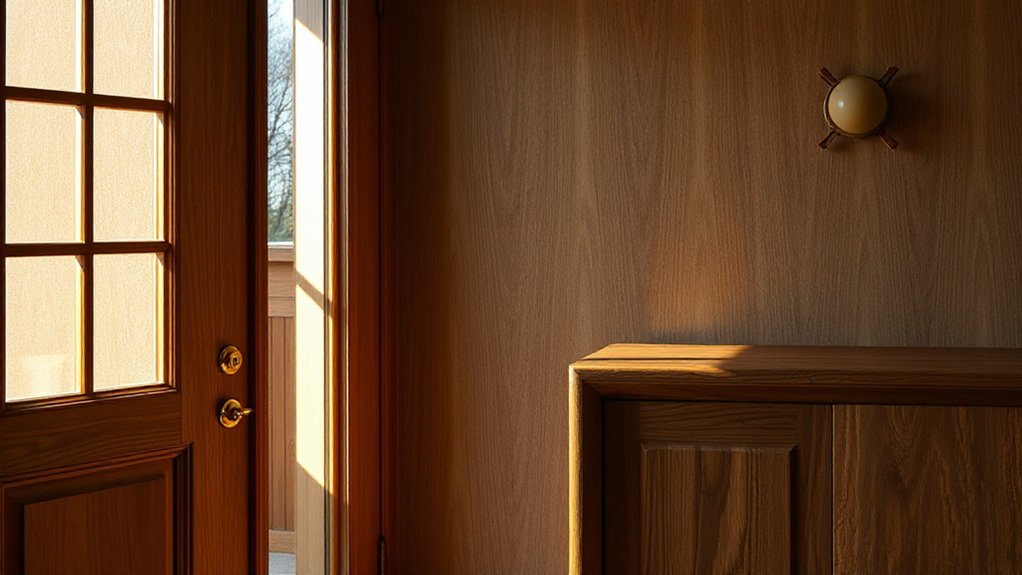
You’ll compare veneer value against solid wood to see where cost-effective luxury truly lies.
We’ll weigh budget-friendly choices, durability, and how each option ages in real-life use.
Expect a clear read on maintenance needs, longevity, and what to prioritize for your space.
Veneer Value Versus Solid
When weighing veneer against solid wood, you don’t have to sacrifice durability or beauty to stay on budget. Veneer offers a high-end look with less material cost and lighter environmental impact, while solid wood delivers lasting character. Your choice hinges on use and finish, not just price.
- Choose veneer for cabinetry and shelving when you want consistent grain and minimal maintenance.
- Opt for solid wood where durability, refinishing, and a tactile feel matter most.
- Pair with smart home technology and outdoor landscaping accents to maximize perceived value.
Lean on these tests: expert finishes, humidity tolerance, and lifecycle cost. Veneer shines in trend-forward interiors; solid wood excels in longevity. Either path elevates space with minimal punch to your wallet.
Budget-Friendly Wood Choice
Veneers deliver budget-friendly luxury without sacrificing style, especially when you want a premium look on cabinets, furniture, or accents. You’ll find veneers let you enjoy authentic character—grain variation, depth, and scale—without the cost of solid wood.
If you prioritize value and consistency, veneer constructions offer dependable quality with less waste. For a sustainable vibe, opt for sheets bonded to solid core with formaldehyde-free adhesive and sustainable materials.
Solid wood remains a strong choice for heirloom-worthy pieces, but veneers deliver a refined finish faster and with less environmental impact.
When selecting, look for eco-friendly finishes that protect your surfaces without compromising indoor air quality. Balance aesthetics, budget, and responsibility to achieve a cohesive, luxurious space.
Longevity and Maintenance Differences
Solid wood ages beautifully and can be repaired and refinished, but veneers offer a more maintenance-light pathway to a lasting, premium look. When evaluating longevity, veneers minimize ongoing upkeep without sacrificing style, while solid wood rewards continued care with deeper character. Your choice affects long-term costs and environmental impact, aligning with eco-friendly finishes and sustainable sourcing.
Consider the following distinctions:
- Durability and repairs: solid wood can be sanded to remove wear; veneers resist deep scratches but rely on substrate integrity.
- Maintenance rhythm: veneers require less routine polishing; solid wood benefits from periodic conditioning.
- Design flexibility: veneers enable consistent, vintage-inspired designs with less weight and cost.
Ultimately, select based on lifestyle, budget, and preference for a timeless, refined aesthetic.
Hardware That Elevates: Small Details With Big Impact

Hardware choices are where small details translate into big polish. You elevate spaces with precision: drawer pulls, cabinet hinges, and faucet finishes that align with your overall aesthetic. Choose brushed nickel, matte black, or warm brass to create cohesive intent across rooms, avoiding mismatched accents.
Subtle hardware updates offer dramatic returns without a full remodel, so focus on proportional scale, smooth operation, and durable finishes. Incorpor incorporate artistic accents sparingly—think a sculptural knob or an inlaid handle that speaks to your style yet remains modern.
Seasonal decor can be refreshed without changing hardware; swap decorative plates or seasonal knobs to keep the look current. Your objective is clean lines, thoughtful contrasts, and a lift that feels intentional, not superfluous.
Layered Lighting for a Warm, High-End Glow
Layered lighting transforms a space by combining ambient, task, and accent layers to create warmth and depth. You’ll guide the mood with smart controls, delivering a high-end glow at a moment’s notice.
In a Smart home setup, balance brightness and color temperature to evoke comfort without sacrificing clarity. Consider Feng Shui principles to position fixtures for harmonious flow and energy.
Use layered layers to highlight architecture, textures, and art, avoiding harsh glare.
- Install dimmable fixtures across zones to modulate atmosphere.
- Combine warm and neutral color temperatures for depth and cohesion.
- Integrate smart controls for effortless, precise adjustments.
This approach is precise, polished, and functional, ensuring a luxe feel without overstatement.
Print and Pattern: Balancing Boldness With Restraint
Pattern can make a room feel bold without shouting. You balance impact with restraint by choosing one standout element and supporting it with calmer repeats and neutral backgrounds.
Use this tension—bold yet subtle—to elevate texture, color, and form without overwhelming the space.
Bold Yet Subtle
When you balance boldness with restraint, print and pattern become punctuation for your space rather than its headline. Bold yet subtle elevates rooms through selective contrast, letting texture and form lead with intent. You’ll feel the impact of artisan craftsmanship paired with modern minimalism, where every detail earns its place.
- Choose a single statement piece and temper it with quiet surroundings.
- Pair bold motifs with solid, matte backgrounds to avoid visual overload.
- Use high-quality materials that age gracefully, proving restraint can read as confidence.
This approach creates depth without distraction, ensuring prints spark conversation rather than dominate. The result is a refined balance that reads expensive, not loud, through meticulous curation and deliberate execution.
Pattern Restraint Tactics
Even with bold prints, restraint is essential: pair high-contrast motifs with quiet backdrops to let the pattern do the talking without shouting. Pattern moderation centers your space on intentional contrast, so the eye perceives clarity rather than clutter.
Choose a dominant motif and repeat it, then temper with solid tones, subtle textures, or minimal furnishings to maintain visual harmony. When you introduce multiple patterns, vary scale and avoid competing palettes; the goal is coherence, not chaos.
Use textured fabrics or matte finishes to soften glare, and keep lighting steady to prevent pattern fatigue. This disciplined approach anchors rooms, letting statement textiles read as curated luxury.
Remember: restraint amplifies impact, while visual harmony ensures refined, timeless appeal in every curated corner.
Care and Longevity: Keeping the Look Fresh Over Time
To keep your home looking expensive over time, establish a simple, routine care plan that targets both surfaces and materials. You’ll protect finishes, preserve textures, and sustain the sense of value. Implement these steps:
- Clean with nonabrasive, pH-balanced products and dust regularly to prevent buildup that dulls surfaces.
- Refinish or reseal high-traffic areas using Eco friendly finishes to extend life without visible wear.
- Rotate accents and refresh with Vintage decor elements in subtle ways to maintain coherence and prevent dated looks.
Consistency beats intensity; schedule quarterly checks for wear, moisture, and lighting impact.
Avoid harsh chemicals, keep humidity stable, and address spills immediately to safeguard color and texture.
Frequently Asked Questions
How Do I Tell Premium From Counterfeit Materials at a Glance?
You can tell premium from counterfeit at a glance by feeling texture differences, inspecting edge quality, and noting consistent grain; trust luxury branding cues, and compare finish and heft. If unsure, compare against authentic samples to verify authenticity.
Which Materials Age Best With Daily Wear and Cleaning?
The statistic: 80% of homeowners notice wear within two years. You’ll want durable options. In daily wear and cleaning, hardwood, quartz, and high-grade laminates age best. Durability testing guides you; material authenticity matters for longevity.
Can Budget-Friendly Options Truly Mimic Luxury Textures?
Yes, budget-friendly options can mimic luxury textures. You choose luxury fabric patterns and finishes, mix in opulent accents, and pair with refined lighting; you’ll achieve a high-end look without overspending, maintaining durability and tasteful sophistication.
Do Faux Materials Affect Resale Value or Home Appraisal?
Yes, faux materials can impact resale value, but only if you prioritize luxury branding and material authenticity. You’ll boost appeal when your finishes read genuine, not gimmicky, and you present them with honest documentation and consistent quality throughout.
What Maintenance Makes High-End Finishes Last Longest?
You maintain luxury craftsmanship by cleaning with gentle, pH-balanced products and sealing high-traffic surfaces regularly; avoid abrasive tools. Schedule professional refinishing as needed. This protects exclusive design, extends finishes, and preserves resale value and visual integrity.
Conclusion
You’ve seen how premium materials elevate every corner of your home. But the real question lingers: will you commit to the durable choices that ages gracefully? Imagine the moment you glimpse the first subtle reflection of velvet, stone, or warm wood catching the light just right. The price tag fades beside the lasting allure. Make your move—layer the textures, harness the color, and let the details reveal the luxurious confidence you’ve earned. Your timeless space waits, just beyond hesitation.