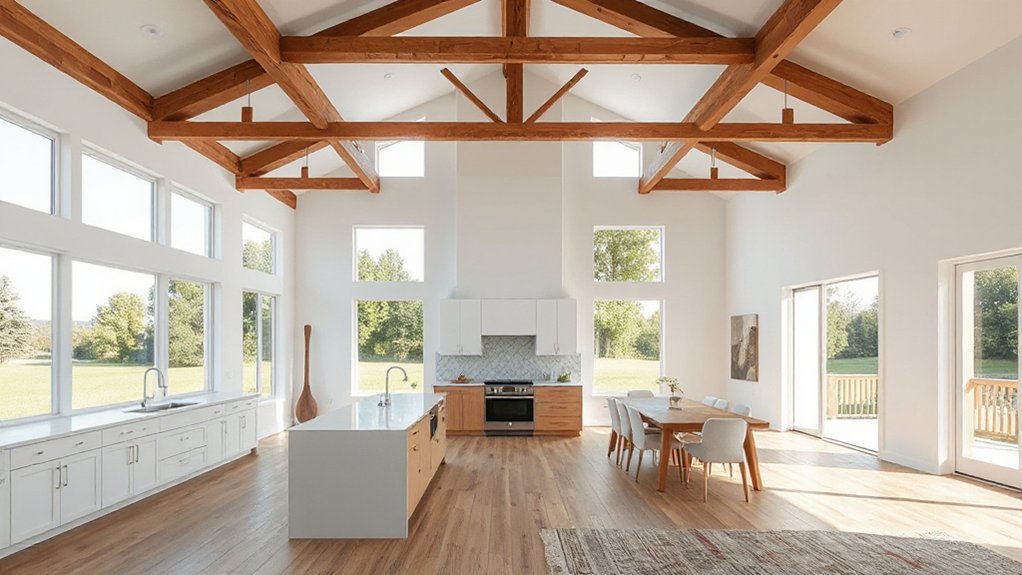

A custom home puts you in control from the start, giving you a plan crafted for your site, lifestyle, and budget rather than chasing someone else’s design. You’ll enjoy tailored layouts, finishes, and energy solutions that meet today’s needs and adapt for tomorrow. Build quality and long-term value come from precise materials, skilled craftsmanship, and durable systems. Plus, timeless design choices support resale appeal while you shape daily life. Explore more to see how this approach pays off.
Key Takeaways
- Personalization: Custom homes align with your goals, lifestyle, and preferences from layout to finishes, unlike resale homes with fixed features.
- Quality and craftsmanship: Early involvement of builders and vetted materials ensure higher build quality and detailed workmanship.
- Energy efficiency and long-term savings: Custom designs optimize insulation, systems, and potential solar, reducing operating costs over time.
- Flexibility and future-proofing: Flexible spaces and scalable layouts accommodate evolving family needs and future expansions.
- Long-term resale value: Timeless design, durable materials, and distinctive architecture enhance curb appeal and longevity.
Define Your Custom-Home Goals and Decision Framework

Establish clear goals for your custom home and a solid decision framework before you begin. You’ll define what truly matters, separating must-haves from nice-to-haves, and map these to practical milestones.
Start with purpose: how you’ll live, work, and entertain, then translate that into square footage, room proportions, and layout priorities.
Your decision framework should balance cost, quality, and timing, with built-in review points to keep momentum.
Consider personal preferences early—light, acoustics, and material feel—to avoid later disputes.
Factor lifestyle considerations into site, orientation, and future expandability, so the home adapts as you evolve.
Document assumptions, set measurable criteria, and build flexibility into contracts.
Clarity now prevents costly revisions and aligns everyone toward a shared vision.
Create Your Design Brief and Budget for a Custom Home
To begin, draft a design brief that translates your goals into tangible design terms. Then anchor it with a realistic budget that reflects both cost certainty and flexibility. You’ll align priorities with practical constraints, ensuring interior lighting and landscaping design are integrated from the outset rather than tacked on later.
- Define dimensional targets and spatial flow to guide decisions.
- Set a budget range with contingencies for unforeseen site conditions.
- Establish priorities for finish quality, energy efficiency, and maintenance.
- Create a timeline with milestone reviews to protect cost and scope.
A clear brief keeps trades aligned, reduces change orders, and speeds approvals.
With a measured budget, you gain certainty while still accommodating value-enhancing upgrades.
How to Choose a Builder for Your Custom Home
How do you choose a builder for your custom home? Begin with a clear brief: establish criteria, milestones, and a realistic timetable.
Prioritise a proven track record, and verify builder reputation through recent projects, references, and independent reviews. Inspect completed homes for workmanship, materials, and finish quality, and ask to tour active sites to gauge pace, cleanliness, and problem-solving on site.
Assess financial transparency: request itemised estimates, phased payments, and change-order protocols to avoid surprises.
In discussions, test communication style—responses should be timely, proactive, and solution‑oriented.
Essential, consider site selection feasibility: confirm access, utilities, and potential constraints before signing.
Finally, compare warranties and aftercare commitments, ensuring you’re confident in long‑term support as your plan unfolds.
Designing for Everyday Life: Layouts and Finishes
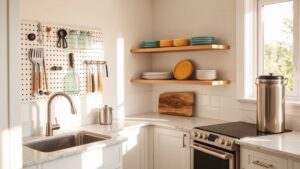
Designing for everyday life begins with layouts that streamline daily routines and finishes that endure use. In practice, you’ll prioritise spaces that flow, minimise travel, and support habit formation, with finishes that resist wear while remaining refined. You’ll also weave interior lighting to heighten mood and function, and align outdoor landscaping to seasonality and accessibility.
- Optimize kitchens and connections to living areas for swift transitions
- Place utility zones adjacent to entry points to reduce clutter
- Choose durable, low-maintenance finishes that polish over time
- Plan lighting layers and outdoor spaces to extend usability from day to night
This approach guarantees comfort, clarity, and cohesion, making your home both practical and elegant.
Materials and Craftsmanship: Ensuring Quality in a Custom Build

Materials and craftsmanship matter most when you’re building a custom home, because sound choices and skilled workmanship set the long-term standard for performance and beauty.
When you select materials, you’re defining durability, feel, and finish, so prioritise trusted suppliers and robust warranties.
Handcrafted details elevate character and exclusivity, but they must be executed to exacting standards to avoid subtle flaws.
Your material selection should balance aesthetics with practicality—consider provenance, environmental impact, and maintenance.
Engage craftsmen early to align design intent with build realities, ensuring joinery, finishes, and surfaces meet precise tolerances.
Document specifications and inspect at key milestones, not merely at completion.
Energy Efficiency in Custom Homes: Costs and Savings
Energy efficiency in a custom home isn’t an afterthought; it defines operating costs, comfort, and long‑term value from day one. You’ll prioritise design choices that reduce energy demand and maximise savings, balancing upfront costs with long‑term benefits.
Consider how solar panels and advanced insulation materials integrate into your plan, cutting bills while boosting resale appeal. The goal is predictable running costs, not surprises.
1) Choose high‑performance walls and roofs to minimise heat loss
2) Invest in solar panels for scalable, long‑term power generation
3) Select insulation materials with high thermal resistance and airtight design
4) Opt for efficient systems (windows, HVAC) tuned to your climate and lifestyle
Budgeting Phases and Timelines to Avoid Surprises
After weighing energy efficiency choices, you’ll want a clear plan for budgeting across the build. You begin with Pricing strategies that set initial costs and contingencies, then lock in fixed contracts where possible to limit variance.
Break the project into phases: design, permitting, site preparation, and construction, with explicit cost targets for each stage.
Develop a transparent change-management process so modifications don’t derail cash flow.
Timeline management matters as much as price; align milestones with funding windows and supplier lead times to avoid costly delays.
Build a contingency reserve aligned to risk, not optimism.
Regularly review progress against the budget, update forecasts, and communicate promptly with lenders and builders.
Clear governance prevents surprises and preserves value throughout the build.
Resale Value and Long-Term Appeal of Custom Homes
Resale value in custom homes hinges on thoughtful, future-ready design choices that endure beyond trends. You plan for longevity, not fads, so your home remains compelling as markets shift.
Long-term appeal rests on function meeting form, plus a clear sense of identity through Historical appreciation and Unique architectural styles that resist genericity. You’ll see value compound when craftsmanship and adaptable layouts stay relevant to evolving lives.
- Timeless materials and craftsmanship that outlast short-lived fashions
- Flexible spaces that evolve with your family’s needs
- Distinctive yet cohesive architectural statements
- Strong curb appeal paired with practical energy and maintenance choices
Frequently Asked Questions
How Does Customization Impact Resale Value Versus Standard Homes?
Customization can boost appeal but may not guarantee higher resale value; design flexibility and unique features attract buyers, yet premium costs and limited market appeal can temper returns. You enhance desirability with thoughtful, high-quality finishes and timeless style.
What Hidden Costs Should I Expect in a Custom Build?
Like unwrapping a carefully priced gift, you’ll face hidden costs in a custom build. You must budget for Building permits and Construction delays, plus overruns, snagging, and escalation, which you’ll manage through contingency planning and clear contracts.
Can I Live in a Custom Home During Construction?
Yes, you can live in a custom home during construction, though it depends on the project. Plan around a clear construction timeline and secured building permits, minimising disruption while ensuring safety, practicality, and compliance throughout the build.
How Do Custom Homes Affect Property Taxes Long-Term?
Your future taxes rise like a quiet hill you must climb, and zoning regulations guard the path. Landscaping costs creep in, but steady upgrades keep assessments fair, so you steer tax changes with careful, deliberate ownership.
What Financing Options Uniquely Suit Custom Builds?
You’ll benefit from financing flexibility, tailoring terms to your build timeline and cash flow, with construction loans supporting phase-by-phase draws and lender oversight to safeguard progress and budgets throughout your bespoke project.
Conclusion
Custom homes genuinely deliver tailored living, not just spaces. If you’re curious about the “build-it-and-they-will-like-it” theory, ask whether a design truly fits your daily rhythms or simply follows trends. When your home reflects your routines, finishes, and energy choices, satisfaction grows and resale strength follows. By prioritizing purpose, quality, and future needs, you’ll enjoy steadier costs, fewer compromises, and a lasting sense of ownership—proof that bespoke living aligns with lasting value.