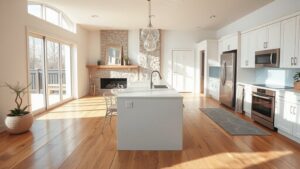
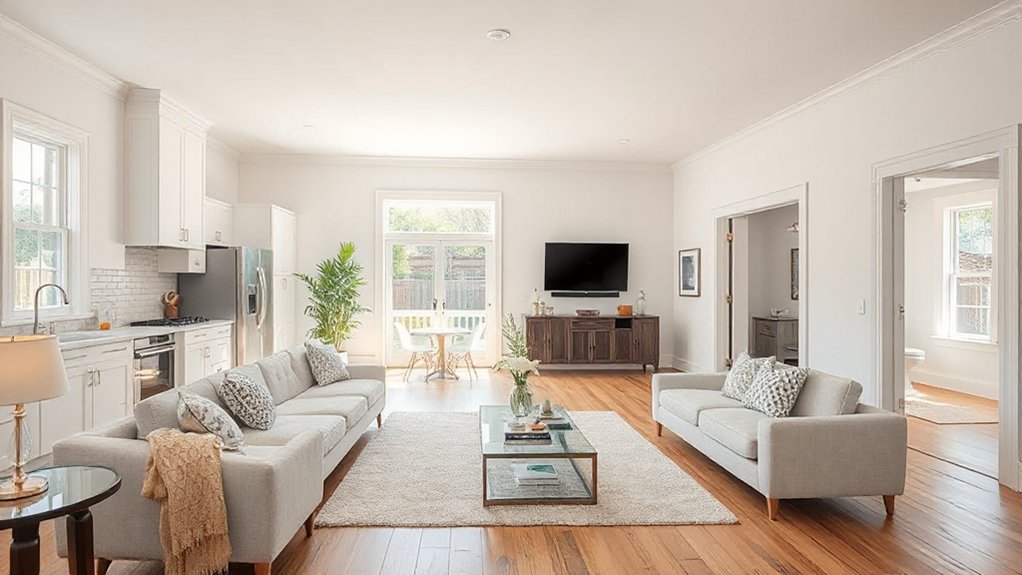

To sell fast and maximize value, focus on ROI-first projects that buyers notice immediately. Start with budget-conscious upgrades like fresh paint and small remodels, plus kitchen and bath tweaks that deliver big impact. Enhance curb appeal with landscaping and clean exteriors, and boost energy efficiency with high‑efficiency windows, better insulation, LED lighting, and smart thermostats. Document costs, timelines, and payback for each upgrade, and show how these choices improve resale value and speed. More actionable strategies await as you explore further.
Key Takeaways
- Prioritize renovations with strong ROI and align spending with the expected sale price using comps and market demand.
- Implement cost-effective upgrades like fresh paint and refreshed kitchens/baths to boost perceived value quickly.
- Improve kitchen and bathroom layouts with durable, low-maintenance finishes and energy-efficient features.
- Enhance exterior curb appeal through landscaping, lighting, neat walkways, and cohesive sight lines.
- Invest in energy efficiency and smart home upgrades (LED lighting, high-efficiency windows, insulation, programmable controls) to boost resale value.
How Much Should You Budget Before Selling?
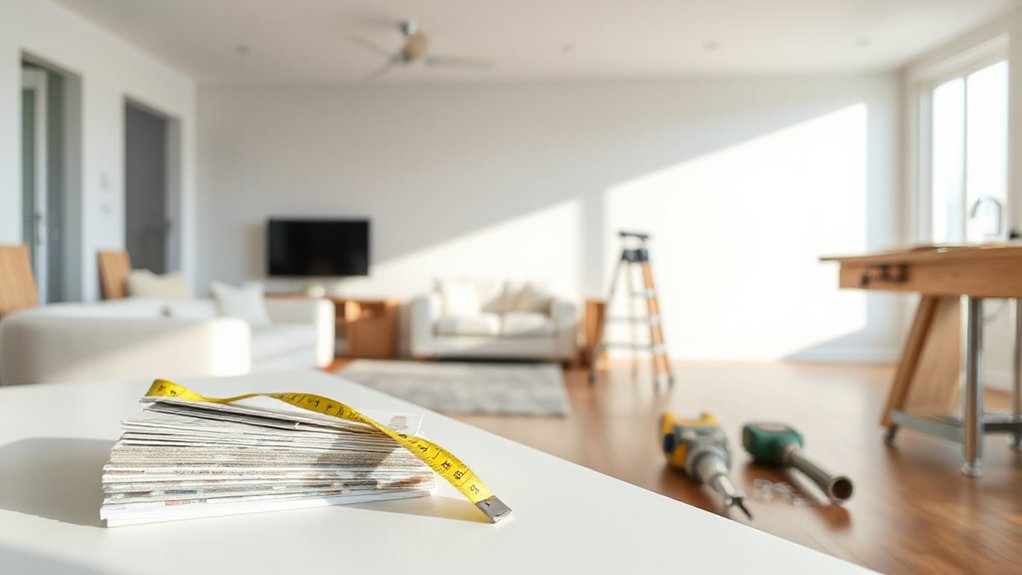
Estimating how much to budget before selling hinges on prioritizing renovations that deliver the strongest return. You’ll anchor decisions in pricing strategies and solid market research, then allocate funds to high-impact projects.
Begin by identifying essential upgrades that buyers expect in your market, not just preferences. Set a clear cap on total spend relative to expected sale price, ensuring every dollar boosts value, not vanity.
Compare costs against likely resale impact using recent comps and local demand signals. Track ROI per project, and adjust as new data arrives.
Favor renovations that improve perceived value and curb appeal with durable, low-maintenance finishes. Document your budget decisions, timelines, and vendor quotes to stay disciplined, avoid over-improvement, and preserve margin for negotiating room.
ROI-First Upgrades: Fresh Paint and Minor Remodels
Fresh paint delivers an immediate curb appeal boost with minimal cost, setting a clean baseline for potential buyers.
Subtle remodels—like updated fixtures or refreshed kitchens and baths—enhance perceived value without overinvesting.
These budget-friendly upgrades create a solid ROI by combining fast results with lasting appeal.
Fresh Paint Impact
A fresh coat of paint can deliver a surprising return on investment by making spaces look cleaner, brighter, and more modern with minimal time and cost. You’ll see impact in perception of space, light, and mood, which often translates to faster offers.
Choose neutral, cohesive tones to create flow between rooms, while accenting features with purposeful color pops. Color psychology matters: cooler neutrals can feel calm and fresh; warmer neutrals feel inviting; strategic accents can guide sightlines toward key features like fireplaces or windows.
Prioritize paint durability by selecting high-quality, washable finishes in high-traffic areas. Prep matters: clean surfaces, repair imperfections, and tape edges for crisp lines.
A disciplined color strategy minimizes buyer objections and supports an easier negotiation.
Subtle Remodel Benefits
Small, targeted updates can yield outsized ROI by boosting perceived value without a full gut renovation. Subtle remodels focus on strategic gains: fresh paint, upgraded hardware, and precise finishes that read as intentional design choices.
You’ll notice improved flow and a cohesive feel without overhauling major spaces. Prioritize subtle design that reinforces the home’s character—neutral palettes, lighter trims, and balanced contrasts—so rooms read larger and cleaner on listing photos.
Aim for aesthetic refinement through consistent fixtures and unobtrusive, durable materials. These choices minimize disruption while maximizing buyer confidence, signaling modern care.
Budget-Friendly Upgrades
Boost ROI with budget-friendly upgrades that deliver big impact. You’ll see noticeable gains from fresh paint and minor remodels that sharpen first impressions without breaking the bank.
Focus on neutral palettes, durable finishes, and clean lines to make spaces feel larger and brighter. Simple updates—repainted cabinets, upgraded hardware, and refreshed baseboards—often yield higher perceived value than costly projects.
Prioritize efficiency: swap to Eco friendly materials where possible and choose low-VOC paints to improve air quality.
Integrate smart home basics—programmable thermostats, smart lighting, or energy monitors—to boost appeal without a heavy price tag.
Leverage multi-purpose rooms and hidden storage to reduce clutter.
Kitchen Upgrades That Deliver the Most ROI
Upgrading your kitchen can yield meaningful returns, especially when you prioritize changes that boost function and appeal without breaking the bank. To maximize ROI, focus on projects that buyers notice immediately: layout efficiency, durable materials, and a cohesive look.
Start with upgrading countertops and backsplash to timeless finishes; choose low-maintenance options that endure daily use. Invest in energy-efficient lighting and smart storage solutions to reduce clutter and enhance usability.
If you opt for luxury appliances or high-end fixtures, guarantee they fit the scale of the space and align with the home’s overall style. Consider customized cabinetry for optimized storage without enlarging the footprint.
Finish with a polished, neutral palette and solid hardware to deliver a cohesive, high-value impression. These steps deliver functional upgrades that buyers value.
Bath Upgrades That Boost Value and Appeal
Ever wonder how a few well-chosen bath upgrades can meaningfully boost value and appeal? In bathrooms, focus on efficiency, aesthetics, and durability.
Replace dated fixtures with modern, water-saving options and timeless finishes that resist wear. Install a balanced mix of luxury fixtures and practical storage to satisfy buyers who want both style and function.
Consider a glass shower enclosure, a frameless door, and a rainfall or dual spray system for spa-like features that read as high-end without overdoing it. Upgrade lighting to bright, bias-free illumination and add a vented mirror or extra power outlets for convenience.
Choose quality tiles, a solid surface countertop, and a quiet exhaust fan. Prioritize cohesive design, low maintenance, and documented updates to maximize perceived value.
Boost Curb Appeal: Outdoor Features Buyers Notice First
Boost curb appeal starts at the curb and continues with your outdoor features. You’ll grab attention by highlighting key outdoor elements like lighting, landscaping, and entry details that buyers notice first.
Prioritize clear, durable upgrades that enhance first impressions and set the tone for the rest of the home.
Curb Appeal Tactics
First impressions matter, so start with a strong, cohesive curb appeal that signals quality from the street. You’ll maximize impact with deliberate sight lines, tidy landscaping, and cohesive color schemes that feel intentional, not random.
Begin at the entry: a well-defined path, a welcoming doorway, and house lighting that draws the eye to architectural details. Prioritize maintenance over novelty—fresh paint, clean gutters, updated mailbox, and a neat, uncluttered approach.
Garden lighting extends the evening appeal while improving safety; choose warm, low-glo fixtures along walkways and entry points.
Consider driveway improvements that enhance spacing and balance, such as resurfacing, clear edge delineation, and subtle texture. Guarantee materials complement the exterior, creating a harmonious, enduring first impression that signals quality to buyers.
Outdoor Feature Highlights
Outdoor features quietly shape buyers’ first impression the moment they approach your home. You boost curb appeal by prioritizing cohesive landscape design that guides the eye from street to entry.
Start with clean sightlines: prune overgrowth, edge sidewalks, and create a defined path. Use mulch, native plants, and seasonal color for year-round appeal without excessive upkeep.
Install outdoor lighting that highlights architectural details and improves safety; mix solar path lights with low-voltage uplights to balance brightness and warmth.
Consider a focal point—a specimen tree, a water feature, or a striking front door—so the entry feels intentional.
Keep the exterior uncluttered, address peeling paint, and ensure the mailbox and hardware are refreshed.
Efficient outdoor maintenance signifies longevity and value to prospective buyers.
Energy-Efficient Fixes That Sell Homes Faster
If you’re aiming to sell quickly, energy-efficient upgrades catch buyers’ eyes and close deals faster. Focus on practical, proven fixes that deliver real value.
Start with high-efficiency windows and insulation to reduce utility costs and improve comfort. Then upgrade to an efficient HVAC system with a smart thermostat for noticeable monthly savings.
Upgrade lighting with LED fixtures and install ENERGY STAR appliances to boost performance without inflating bills. Consider air sealing and programmable controls for airtight efficiency.
Emphasize smart home automation options that enhance convenience and security, and highlight sustainable materials in durable finishes to appeal to eco-conscious buyers.
Present cost, payback, and resale impact clearly to demonstrate why these fixes aren’t optional extras but essential selling tools.
Frequently Asked Questions
How Long Before Listing Should Upgrades Be Completed for Maximum Impact?
You should finish upgrades 4–6 weeks before listing to maximize impact. Budget planning and contractor selection matter now; finalize scopes, secure permits if needed, and guarantee quality without overinvesting. This timeline keeps momentum and minimizes selling delays.
Do Renovations Affect Appraisal Values Differently in Hot vs. Slow Markets?
Renovations affect appraisal values differently; in hot markets, upgrades help more, while in slow markets they may plateau. Monitor market trends and optimize renovation timing to maximize return and alignment with buyer expectations, avoiding over-improvement.
Which Remodels Add Value for Rental-Style Properties vs. Owner-Occupied Homes?
Kitchen upgrades and bathroom renovations add value differently: for rental-style properties, focus on durable, low-maintenance finishes; for owner-occupied homes, emphasize quality and aesthetics. You’ll maximize appeal by balancing cost, durability, and tenant vs. buyer expectations.
Are Permits Required for Cosmetic Improvements That Boost Sale Appeal?
Permits aren’t always required for cosmetic improvements, but you should check local permit requirements. If in doubt, verify permit requirements and secure approvals; cosmetic improvements can still trigger inspections, so stay proactive and document everything for resale clarity.
How Do Outdoor Lighting Choices Influence Buyer Perception and Offers?
Outdoor lighting choices boost buyer perception and offers by enhancing landscape lighting and curb appeal, guiding paths, highlighting architecture, and adding safety. You create a welcoming night-time impression, deter hesitation, and encourage stronger offers through well-lit contrasts and texture.
Conclusion
If you’re eyeing a sale, you can confidently steer your upgrades toward what matters most. Focus on budget-smart tweaks that quietly elevate appeal without overspending, like fresh paint, minor remodel touch-ups, and a clean, welcoming entry. Prioritize improvements with solid ROI, practical comfort, and polished curb appeal. You’ll avoid overinvesting while keeping your home’s story compelling. In short, smart, tasteful choices make buyers notice—and pay attention—without you having to spell out every detail.