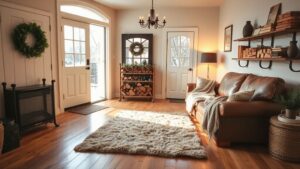
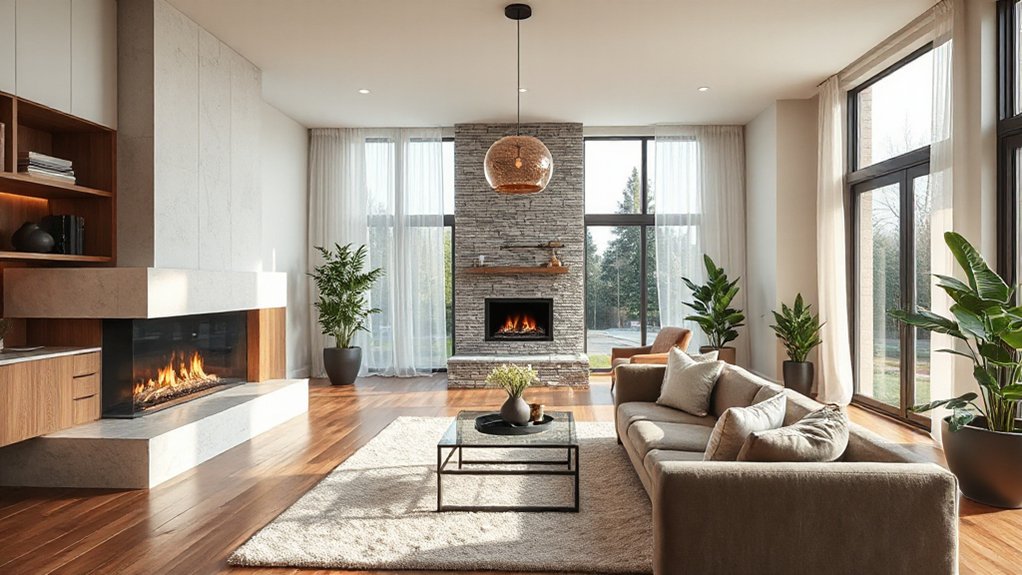

Top interior upgrades start with smart lighting that layers ambient, task, and accent to set moods and define zones. Pick a cohesive color palette and weave textures—fabric, rugs, and mixed surfaces—to create warmth and depth. Improve natural light with layered window treatments, and maximize flow with furniture layouts that prioritize clear sightlines. Upgrade doors, hardware, and trims for a subtle lift, then personalize with art. Plan a scalable refresh path, and maintain upkeep for lasting impact—more to come.
Key Takeaways
- Upgrade lighting with layered, dimmable, smart controls to create mood, depth, and energy efficiency across rooms.
- Define functional zones using area rugs, thoughtful furniture layouts, and cohesive storage to improve flow and purpose.
- Refresh color strategy with a core palette, repeat key hues, and test under different lighting for visual harmony.
- Use durable, easy-clean materials and textures (stone, porcelain, linen, bouclé) to boost longevity and maintenance.
- Enhance natural light and privacy through layered window treatments and energy-efficient, proportionate hardware.
Transform Your Space With Smart Lighting Basics
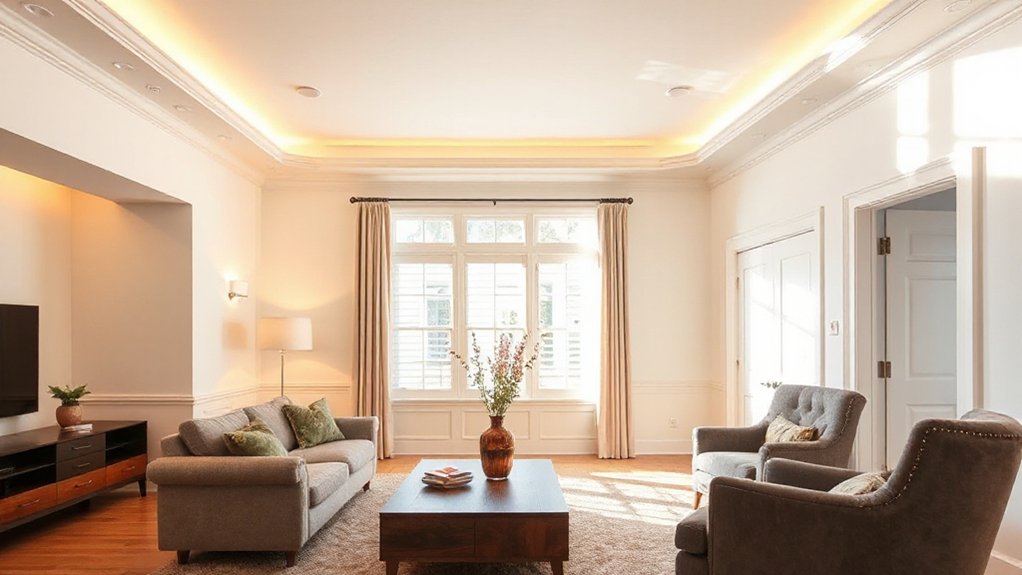
Smart lighting isn’t just about brighter bulbs—it’s about smarter living. You’ll start by embracing Smart controls to tailor moods with the tap of a screen or a quick voice cue. Set scenes for mornings, work, and winding down, so your lighting aligns with your routines without fuss.
Next, think in lighting layers: ambient, task, and accent. Ambient fills safe, even light; task focuses where you read or cook; accent highlights architectural features or artwork. This layered approach prevents glare and creates depth, making rooms feel intentional yet comfortable.
Consider dimming in the evenings to reduce eye strain and save energy. With these basics, you gain control, efficiency, and a polished, modern ambiance that adapts as you move through the day.
Pick a Cohesive Palette for Rooms That Flow
A cohesive color flow ties rooms together with a common language—think shared neutrals and a restrained accent palette that moves from one space to the next.
Balance your room palettes by repeating key tones and textures, creating a bridge between spaces without visual shock.
Start with a unifying base and use subtle variations to mark shifts, so every room feels intentional and connected.
Cohesive Color Flow
To achieve a cohesive color flow, start by selecting a core palette that feels natural in your space and then use it as the through-line for adjacent rooms. You’ll create a sense of continuity by repeating key hues and undertones, even as you switch room functions.
Aim for color harmony by balancing warm and cool tones within the core palette, then layer in complementary accents to prevent monotony. Consider shade coordination: pair lighter wall colors with slightly deeper trims or furnishings to guide the eye smoothly through each area.
Use consistent material finishes and textiles in the same family to reinforce flow. Keep a limited swatch set handy to test how colors read in different lighting throughout the day.
Balanced Room Palettes
Pairing rooms that work together starts with a balanced palette you can carry through each space. You’ll aim for color harmony across walls, textiles, and furnishings, then reinforce it with repeatable accents.
Start with a dominant mood color and support it with 2–3 secondary tones that don’t compete. Use warm neutrals to ground busy patterns, or cool neutrals to let bold hues breathe.
Consistency matters more than exact sameness, so vary saturation and texture while preserving the core palette. Consider lighting scenarios—natural daylight shifts color perception, so test swatches at different times.
Visual balance emerges when furniture weight, rug scale, and architectural features echo the palette. A cohesive, flow-friendly scheme makes progression feel intentional, not abrupt.
Bridge Between Spaces
Flow between rooms hinges on a cohesive palette that travels with you, not jumps between spaces. A unified color base, repeat textures, and deliberate progression create a natural flow, making each area feel related yet distinct.
Bridge between spaces by choosing bridges in furniture finishes and wall tones that echo from room to room, while subtle shifts in light or upholstery mark purpose. This bridging design reduces visual disruption and enhances space connection across daily routines.
- Use consistent materials (wood, metal, or fabric) across zones
- Repeat a signature accent color in small doses
- Align ceiling heights, trim, and baseboards for continuity
- Introduce purposeful contrasts at doorway thresholds for definition
Tracking these cues sharpens flow, elevating your home’s cohesion and style.
Elevate Texture With Fabric, Surfaces, and Rugs
Textures transform a space instantly—add depth and warmth with tactile fabric, varied surfaces, and well-chosen rugs. You’ll elevate textures by mixing textiles with contrasting weights and finishes, so every zone feels curated, not random.
Start with textured textiles—think bouclé, velvet, and linen blends—that invite touch and layer visual interest without overwhelming the room. Pair fabric finishes, from matte to subtle sheen, to define furniture silhouettes and highlight architectural details.
Introduce varied surfaces like brushed metals, matte ceramics, and wood grains to create tactile rhythm across the palette. Rugs anchor areas, softening acoustics and guiding traffic.
Keep scale in mind: large, low-pile options for living spaces, more intricate patterns for entryways. The result is cohesive sophistication that stays current and comfortable.
Maximize Natural Light With Window Treatments
Natural light shapes how a room feels, so use window treatments that enhance brightness without sacrificing privacy or style. You’ll balance light and mood with smart choices that boost Light control while keeping a clean aesthetic.
- Choose sheer or light-diffusing fabrics to brighten interiors without glare.
- Install adjustable blinds or shades for versatile light tuning.
- Opt for energy-efficient options that reduce heat while letting in daylight.
- Layer treatments like a sheer with a solid drape for texture and privacy.
The right Window treatments transform spaces, making mornings feel airy and evenings cozy.
Prioritize proportion, hardware, and color to maintain a cohesive look that stays modern and functional.
Optimize Furniture Layout for Flow and Function
Creating a cohesive space starts with a thoughtful furniture layout that promotes easy movement and clear sightlines. You’ll prioritize function by placing seating to foster conversation while keeping circulation paths unobstructed.
Begin with a focal point, then anchor zones using area rugs that define rooms without overwhelming them. Opt for mid-size pieces that breathe—too large clutters traffic flow; too small gaps feel off.
Maintain 3 feet of clearance around coffee tables and sofas to support comfortable navigation. Consider sightlines from main entry points; avoid blocking windows or doorways with oversized furniture.
Use furniture arrangement to guide energy gently through each area, balancing scale and proportion. Finally, test traffic flow by walking the space, adjusting placements until you can move naturally from one zone to another.
Upgrade to Timeless, Functional Furniture Pieces
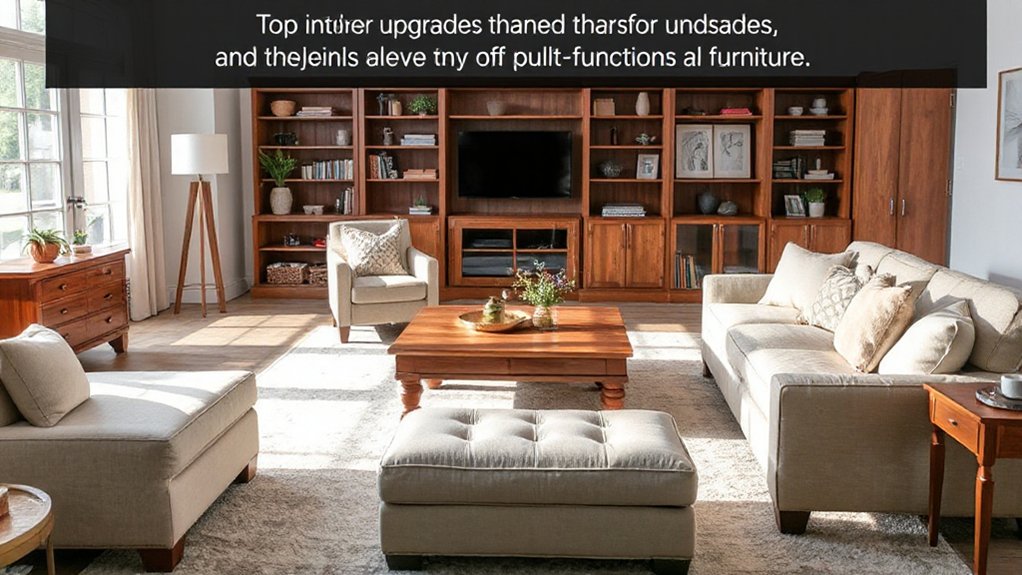
Consider timeless design essentials and function-forward pieces that stand up to daily use, so your spaces remain stylish and practical.
Prioritize quality materials and craftsmanship, since quality matters most for lasting wear and fewer replacements.
Timeless Design Essentials
Timeless design centers on furniture that stays relevant for years, not seasons, so start with pieces that blend clean lines, quality materials, and smart functionality. You’ll feel the difference when a chair or table remains chic despite changing trends, thanks to versatile silhouettes and durable finishes.
Embrace a balance of Vintage charm and Modern minimalism to anchor rooms without crowding them. Prioritize pieces that age well and adapt to evolving spaces.
- Classic wood tones paired with understated hardware
- Clean-lined seating with ergonomic comfort
- Multi-use coffee tables and storage that hide clutter
- Neutral palettes highlighted by subtle textures and metals
This approach keeps your spaces refined, inviting, and ready to evolve as tastes shift.
Function-Forward Pieces
Quality materials—solid wood, coated metal, and durable upholstery—ensure longevity, so you don’t chase trends, you invest in practicality.
To elevate the look, pair vintage accents with clean lines, creating a balanced dialogue between old and new. Add statement wall art to anchor rooms without overwhelming them, keeping focal points purposeful and cohesive.
Quality Matter Most
Quality may be your most valuable upgrade when you choose furniture that lasts. When you invest in timeless, functional pieces, you’ll save money, reduce clutter, and elevate everyday living. Seek craftsmanship, solid wood, clean lines, and versatile silhouettes that blend with evolving decor.
Prioritize pieces that offer Innovative storage without compromising style, so rooms stay organized and calm. Think modular seating, extendable tables, and hidden compartments that adapt to your needs.
Choose upholstery with durable fabrics and secure hardware designed for daily use. Pair these with Artistic lighting to highlight texture and shape, not gimmicks.
Build around a cohesive, lasting palette, and let quality guide your layout, not fleeting trends. Elevate rooms by prioritizing function, longevity, and refined restraint.
- Innovative storage
- Artistic lighting
- Timeless silhouettes
- Modular versatility
Create Functional Zones With Rugs and Furnishings
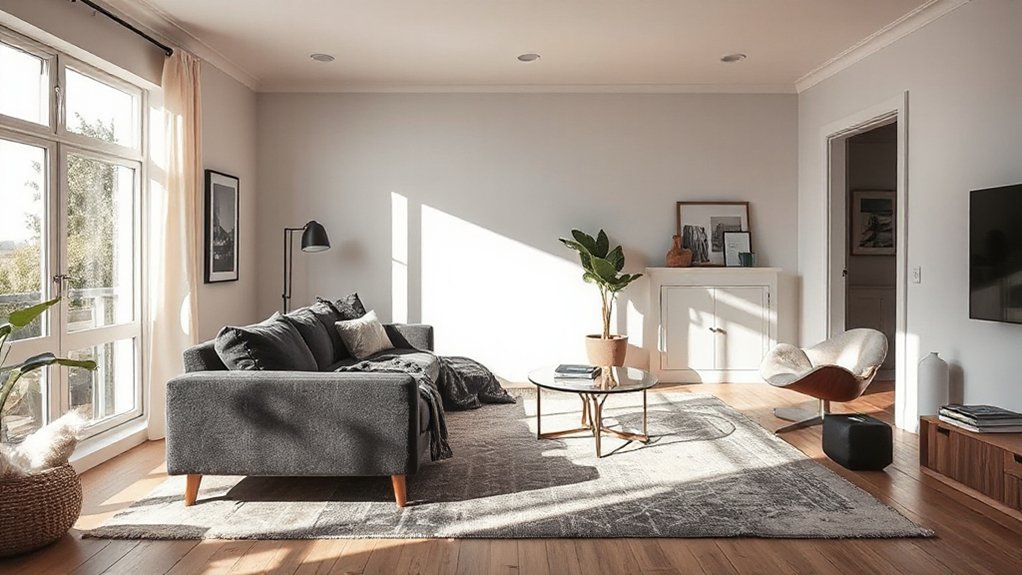
Transform empty spaces into purposeful zones by layering rugs and selecting furnishings that define each area. You’ll create distinct zones without walls by using area rugs to anchor seating groups, chests or sideboards as visual boundaries, and a mix of scales to balance the room.
Focus on zone definition: place a larger rug under a lounge setup to anchor conversation, and position a smaller one near a workspace to signal focus. Choose furniture that complements the rug’s pattern and color, then add lighting and accessories that reinforce function.
Keep traffic flow clear by aligning pathways with doorway sightlines. This approach enhances area zoning, making rooms feel intentional and cohesive while maintaining a polished, modern vibe.
Use Climate-Responsive Materials for Year-Round Comfort
If you want year-round comfort, choose climate-responsive materials that adapt to changing temperatures and humidity. You’ll feel the difference when interiors respond to weather shifts, reducing hot spots and cold drafts without extra effort. Prioritize options that support climate adaptation and sustainable insulation, so performance lasts years.
- Opt for breathable, moisture-wicking fabrics and have them paired with reflective or insulated panels.
- Choose low-embodied-energy materials that still deliver high thermal performance.
- Use phase-change materials in walls or furnishings to moderate temps passively.
- Favor sustainable insulation with long-term resilience and minimal environmental impact.
This approach keeps interiors comfortable across seasons while supporting efficiency, style, and durable core performance.
Add Greenery to Boost Mood and Air Quality
Adding greenery isn’t just decor—it’s a mood lift and a gust of cleaner air. You’ll notice plants that filter toxins and calm spaces, making every room feel more alive.
Start with easy wins, like low-maintenance greens that thrive indoors, to kick off a healthier, more stylish home.
Greenery’s Mood Boost
Indoor greenery isn’t just pretty—it boosts mood and purifies the air, making your daily space feel calmer and cleaner. You’ll notice how a few vibrant updates can shift your vibe, from morning focus to evening wind-down. Strategically place greenery where you spend the most time to maximize mood enhancement and subtle air benefits.
Choose easy-care indoor plants that suit your light and routine, then rotate with the seasons for ongoing energy.
- Low-maintenance options that thrive on neglect
- Focal plants to anchor rooms and spark conversations
- Vertical arrangements to save surface space
- Colorful pots that complement your decor
Incorporate a mix of textures and heights, and you’ll experience steadier mood and a fresher feel—without overhauling your space. Indoor plants, mood enhancement.
Air Quality Enhancement
Curious how a few leafy companions can do more than brighten a room? You’ll learn that greenery can actively improve air quality and mood.
Integrate low-maintenance plants known for resilience and air-cleaning potential, like snake plants and pothos, to form a living filtration system. Place them in key zones—near desks, sofas, and entryways—to maximize exposure.
While not a substitute for mechanical air filtration, greenery complements filters by reducing common indoor pollutants and boosting perceived freshness.
Use greenery to create micro-ambient air flow, rotating species seasonally to maintain interest and benefits.
Pair plant care with regular cleaning, humidity control, and smart ventilation to sustain a healthier environment.
Subtle Accent Walls That Don’t Overwhelm
Subtle accent walls can elevate a room without dominating it, thanks to thoughtful color choices, textures, and placement. You’ll leverage color psychology to pick hues that influence mood, from calming blues to energizing teals, while keeping contrast gentle.
Wall texture adds depth without crowding sightlines, whether you favor plaster, faux brick, or linen-look finishes. Precision in edgework and proportion ensures the wall supports, not competes with, architectural features and artwork.
Use a restrained palette and repeat a key accent color elsewhere for cohesion. Keep lighting soft to enhance the wall’s nuance, avoiding glare or shadowy patches. A calm, controlled approach yields a refined focal point—subtle yet unmistakable.
- Choose hues with intent and mood in mind
- Vary texture… not color saturation
- Align with trim, art, and furniture
- Preview under different lighting
Improve Acoustics With Soft Furnishings and Textiles
Soft sound fabrics and textiles can transform how your rooms feel by absorbing reflections and softening echoes.
Start with plush cushions, upholstered furniture, and layered curtains to tune the acoustics without sacrificing style.
We’ll explore practical picks that balance performance with on-trend textures and colors.
Soft Sound Fabrics
- Opt for layered drapery and upholstered furniture to trap sound.
- Mix heavy and light textures for dynamic depth.
- Prioritize natural fibers for longevity and warmth.
- Consider acoustic panels disguised as art or textiles.
This approach keeps interiors polished, current, and serene, proving that smart soft furnishings elevate both design and acoustics.
Textiles For Acoustics
Textiles aren’t just decor—they’re your first line of defense against sound. In this Textiles For Acoustics section, you’ll learn how soft furnishings curb echo and diffuse noise without sacrificing style.
Start with textile textures—layering velvet, wool, and cotton blends creates varied absorption across frequencies, boosting room balance. Pair heavy drapery with plush area rugs to tame footsteps and ceiling reflections.
Consider upholstered furniture as a sonic buffer, reducing flutter echoes in open plans. If you need a sharper absorption spike, add acoustic panels with fabric covers that complement your scheme; they target problem zones while remaining discreet.
Balance aesthetics and function by choosing textiles with dense weaves and matte finishes. The result is calmer spaces that feel modern, cohesive, and inviting.
Plan a Seamless Smart Home: Core Devices to Start
Keen on turning your home into a seamless, efficient space? Start with a core smart setup that’s simple to scale. Focus on reliable hubs, strong Wi‑Fi, and secure devices that play nicely together. Prioritize user-friendly control, clear routines, and privacy settings from day one.
Home automation should streamline daily life without adding complexity.
- Smart speaker or hub for voice control
- Smart lighting with scenes and schedules
- Temperature and climate sensors linked to a thermostat
- Security systems with cameras and alerts, plus door sensors
As you build, guarantee compatibility, robust encryption, and straightforward app interfaces.
A thoughtful foundation reduces future headaches and keeps your space consistently comfortable, secure, and energy‑efficient.
Start small, expand deliberately, and enjoy a genuinely seamless home experience.
Refresh Kitchens and Bathrooms With Small Upgrades
If you want a quick, impactful refresh, focus on small upgrades in the kitchen and baths that boost function and feel. You’ll see a sharper vibe with strategic changes like updating hardware, swapping sinks, and choosing modern, water-efficient faucets.
In the kitchen, prioritize organization by adding pull-out shelves, labeled bins, and a decluttered prep zone; these tweaks streamline cooking and cleanup.
In bathrooms, swap to clean-lined bathroom fixtures and resilient finishes that resist moisture while elevating style.
Light plays a pivotal role—add under-cabinet LED strips and bright, warm bulbs to enhance visibility and mood.
Finish with fresh seals, easy-care countertops, and a cohesive color story to unify spaces without a full remodel.
Kitchen organization and bathroom fixtures anchor both rooms’ refreshed feel.
Hidden Storage Solutions That Clear Clutter
You’ll release Hidden Capacity Hacks that tuck everyday essentials out of sight yet readily available. Try Space-Saving Strategies that maximize every inch of cabinets, drawers, and closets, so clutter never feels out of reach.
Explore Clever Cabinet Compartments to organize smartly and keep your rooms clean with effortless style.
Hidden Capacity Hacks
- Hidden storage under seating that doubles as a coffee-table
- Wall-mounted units with concealed gaps for cords and tools
- Lift-up beds or ottomans that reveal generous compartments
- Mirrored fronts that hide essentials while expanding perception of space
Space-Saving Strategies
Hidden storage isn’t just smart—it reshapes your daily rhythm. You’ll reclaim floor space by prioritizing vertical storage and multipurpose surfaces, turning clutter into clean lines.
Embrace space optimization with under-bed bins, wall-mounted desks, and floating shelves that vanish into the decor rather than dominate it. Choose compact furniture that still feels expansive, like nesting tables and slim sectionals, to maintain open sightlines while preserving function.
Tuck away seasonal gear in ottomans with hidden compartments and bakeware in slim pull-out pantry drawers. Use modular cubes for flexible arrangements that adapt as needs shift.
Label bins for quick access, and keep a daily reset routine to sustain order. These strategies deliver a calmer, more intentional home without sacrificing style.
Clever Cabinet Compartments
- Pull-out trays and dividers
- Toe-kick and under-sink pullouts
- Magnetic discreet panels
- Hidden spice and utensil compartments
Layer Lighting: Ambient, Task, and Accent
Layering your lighting means combining ambient, task, and accent layers to shape mood, functionality, and depth in any room. You’ll balance overall glow with focused illumination, so tasks stay easy and spaces feel inviting.
Ambient lighting sets the scene—think ceiling fixtures or recessed can lights that wash ceilings and walls.
Task lighting targets specific needs, like a desk lamp for reading or under-cabinet LEDs for kitchens.
Accent lighting highlights art, architectural features, or decorative fixtures to add drama and texture.
Choose a cohesive mix: dimmers for versatility, color temperatures that suit each zone, and adjustable fixtures for flexibility.
Layer lighting strategically to transform atmospheres without clutter, ensuring every corner supports both daily routines and restful moments.
Choose Durable Finishes for Busy Halls and Kitchens
- Pick performance-driven materials like granite, quartz, porcelain, or high-quality laminates.
- Choose matte or low-sheen finishes to conceal fingerprints and scratches.
- Prefer sealed or kiln-fired options for moisture-rich areas.
- Prioritize easy-clean textures and color stability over trendy patterns.
Durable finishes support busy halls and active kitchens, reducing maintenance while preserving aesthetic appeal.
With the right choices, your spaces stay cohesive, resilient, and visually inviting for years to come.
Upgrade Doors, Hardware, and Trim for Subtle Elevation
Upgrading doors, hardware, and trim can elevate your home with quiet sophistication. You’ll invest in cohesive cues that tie rooms together without shouting for attention.
Start with door hardware—sleek lever handles or matte black knobs can modernize frames and doorjambs, while concealed hinges minimize visual clutter.
Choose trim accents that echo architectural style, from chunky casing in traditional spaces to slim, flat profiles for contemporary layouts.
Consistency matters: match metal tones and finishes across bedrooms, baths, and living areas to create a unified rhythm.
Prioritize quality materials that age gracefully, resisting fingerprints and wear.
This subtle upgrade offers high impact with minimal disruption, enriching texture and depth.
The payoff: refined detail that elevates your daily experience.
Personalize With Art and Display Ideas
Strategically curated art and displays can transform rooms from functional to personal, turning blank walls into focal points that reflect your taste. You’ll select pieces that echo your rhythm, then arrange them to tell a story rather than crowd a space. Focus on a cohesive color palette, varied sizes, and intentional negative space so each work reads clearly.
Art curation isn’t just hanging—it’s mood, texture, and scale working in harmony. Pair pieces with display lighting to elevate details and create micro-spotlights that draw the eye. For variety, mix framed prints with three-dimensional elements and rotating favorites to keep the room fresh.
- Curate a focal gallery with a unifying theme
- Vary sizes and frame styles for depth
- Use display lighting to highlight textures
- Rotate pieces seasonally to refresh the space
Plan a Scalable Refresh Path for Budget and Time
A practical refresh plan starts with a clear timeline and a realistic budget, so you can upgrade rooms without chaos. Start by mapping a scalable path: identify quick wins, mid-range updates, and statement renovations that build on each other.
Use Budget planning to allocate funds across phases, keeping a small contingency for surprises. Time management matters, so assign work blocks that respect your daily rhythm and any contractor schedules.
Create a phased calendar with target delivery dates, so you stay aligned without overcommitting. Prioritize high-impact rooms first, then layer in accessories and finishes as momentum grows.
Track progress weekly, adjust commitments, and celebrate milestones. A scalable approach reduces stress, maximizes value, and preserves flexibility for evolving design tastes.
Maintenance Mindset: Easy Upkeep for Lasting Impact
Maintenance isn’t just the finishing touch—it’s the backbone of longevity for your refreshed spaces. Embracing a maintenance mindset keeps textures, finishes, and colors looking fresh longer, so you’ll rarely need a full redo. Build simple, repeatable habits that support DIY maintenance without overwhelm.
Align routines with room use and material needs, and you’ll catch issues before they compound. A clear schedule reduces stress and preserves your design intent.
- Create a weekly cleaning routine that targets high-traffic areas and finishes
- Schedule quarterly checks for seals, caulk, and hardware
- Tackle spills and stains promptly to prevent set-in damage
- Document tweaks and maintenance steps for future guests or buyers
Frequently Asked Questions
How Often Should I Refresh My Color Palette?
Refresh your color palette every 1–2 years, adjusting with color psychology cues and a Seasonal refresh mindset. You’ll stay current, balanced, and intentional, swapping accents seasonally while maintaining core neutrals that anchor rooms through evolving trends.
What Budget Range Suits Essential Upgrades First?
Budget planning starts with realism, then prioritization follows. Set a clear range, weigh essential upgrades first, then optional ones. You plan, you compare, you allocate, you refine; you upgrade thoughtfully, you upgrade steadily, you upgrade stylishly within reach.
Which Fabrics Are Best for High-Traffic Rooms?
For high-traffic rooms, choose performance fabrics like textured blends, microfiber, and synthetic leathers for durability considerations, while avoiding delicate silks. You’ll love fabrics that resist stains; remember fabric maintenance is simpler with easy-clean solutions and low-maintenance finishes.
How Can I Measure ROI on Upgrades?
Coincidence whispers: you measure ROI by cost analysis and track renovation planning against resale impact, budgeting carefully while you compare upgrades. You’ll quantify costs, expected value, and timeframes, then adjust decisions to maximize perceived and real returns.
Do Smart Devices Require Professional Installation?
Yes, some smart devices require professional installation, while others are DIY-friendly. You’ll gain smoother Smart device compatibility with professional installation benefits like guaranteed setup, reliable integrations, and optimized security, ensuring seamless, trend-savvy performance throughout your home.
Conclusion
Thinking ahead lets you keep style effortless and current. By embracing smart lighting, cohesive palettes, tactile textures, brighter windows, and well-planned layouts, you’ll transform spaces with confidence. Upgrading doors and trim adds quiet sophistication, while art and display personalize your vibe. Plan a scalable refresh so changes stay attainable. Maintenance becomes second nature, not a chore. So, are you ready to elevate today while future-proofing your home for tomorrow? Your refreshed haven awaits.