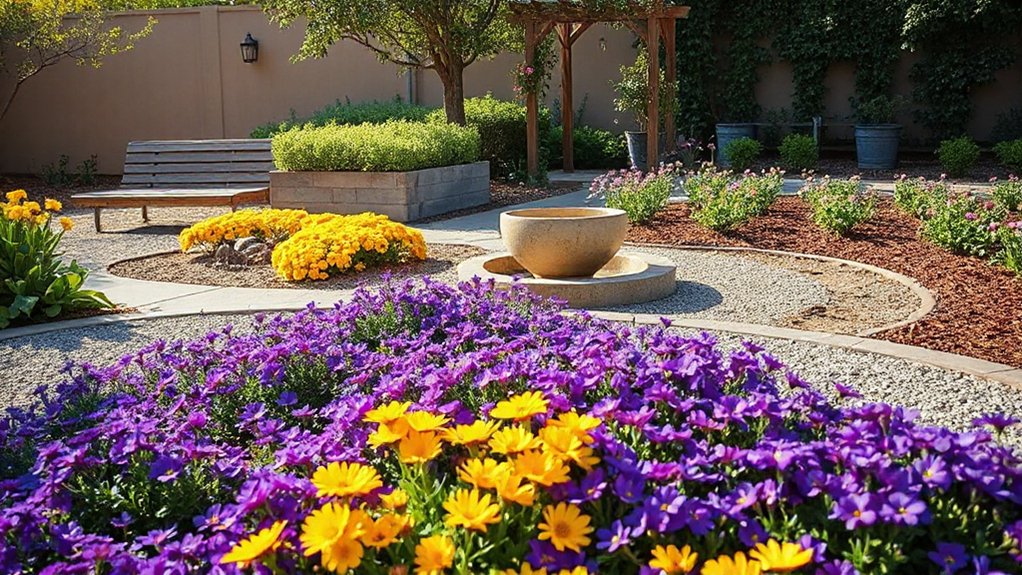

Did you know that a simple weekend plan can turn your yard into a cohesive, low-effort summer retreat? You’ll map zones, set a budget, and pick drought-tolerant choices so you get instant results with minimal upkeep. Start with a clear layout, fast-improving borders, and smart containers, then add energy-efficient lighting to extend evenings. It’s all about practical steps you can execute now, and the payoff keeps unfolding as you push forward.
Key Takeaways
- Plan a quick layout: map sun/shade, mark features, and draft a simple path-focused sketch for immediate curb appeal.
- Create instant focal points with art, sculpture, or bold planting to guide sightlines.
- Install durable edging, stepping stones, and cohesive containers for a polished, low-maintenance look.
- Use low-maintenance palettes: drought-tolerant grasses, native perennials, and mulch to reduce upkeep.
- Optimize water with drip irrigation, morning/evening schedules, and light solar or programmable lighting for extended usability.
Define Your Weekend-Worthy Summer Garden (Budget, Time, Space)
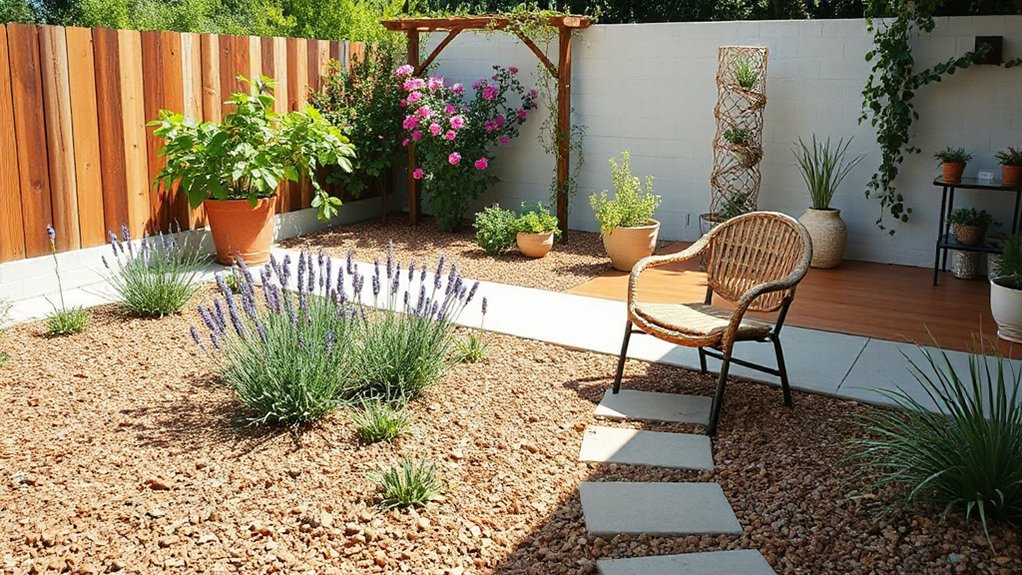
When you’re planning a weekend-worthy summer garden, start with a clear budget, realistic time commitments, and the space you have. You’ll define priorities, forego impulse buys, and avoid overreach.
Set a simple budget that covers tools, soil, mulch, and seasonal plants, then reserve funds for maintenance supplies.
Assess light, water access, and drainage to prevent midseason setbacks.
Time commitments matter: allot short daily tasks and one longer session each weekend.
Choose compact, resilient varieties that perform with minimal fuss, aligning with your space and climate.
Plan for garden maintenance routines—watering, weeding, and pruning—so you stay on track.
Embrace seasonal planting windows, but keep expectations grounded.
A concise plan saves effort, reduces cost, and yields dependable, summer-ready results.
Plan Fast: Map Your Space, Set a Budget, Choose Plants
Start by mapping your space: note sun exposure, soil type, and existing features to guide plant choices and layout.
Set a realistic budget, prioritizing high-impact additions and scalable steps you can do over weekends.
Choose plant types that fit your climate and maintenance pace, targeting a cohesive palette and practical bloom windows.
Map Your Space
Mapping your space quickly starts with a clear plan: measure your area, note sun and shade patterns, and mark existing features like patios, trees, and utilities. You’ll draft a simple sketch to confirm usable zones, traffic flow, and focal points.
Prioritize a practical garden layout by aligning paths with entrances, sunlight, and seating areas. Identify shade pockets for shade-tolerant plants and sun-loving spots for flowering varieties.
Consider drainage and vertical space to maximize height without crowding; mark walls, fences, and trellises for plant placement. Reserve sections for future expansion or seasonal changes, so you’re not reworking layouts later.
Keep measurements current, label inconsistencies, and maintain a portable plan for quick adjustments as you refine your design.
Set a Budget
Setting a budget upfront keeps your summer-garden project practical and focused. Budget planning guides every decision, ensuring you don’t chase trends that blow your cap. Establish clear spending priorities so essentials come first, then optional enhancements. Keep it tight, measurable, and fast.
- Define nonnegotiables: irrigation, soil amendments, and core plants you’ll actually use.
- Allocate contingency: set aside a small reserve for surprises or timing gaps.
- Track in real time: update costs as you go, so you stay aligned with your plan.
With these steps, you preserve control while you accelerate work. You’ll finish faster, with fewer mid-project adjustments. Remember: lean budgets demand smart choices, not sparing effort.
Budget planning eliminates guesswork, and spending priorities keep your project on course from day one.
Pick Plant Types
Picking plant types starts with your plan in hand and your space in front of you. You’ll choose varieties that maximize color, texture, and coverage within your budget and timeline.
Start by grouping needs: low water, sun exposure, and soil type. Prioritize plant types that perform reliably through heat and drought. Succulent varieties can anchor borders with minimal maintenance, while flowering shrubs provide year-long structure and seasonal color.
Consider scale: select a mix of tall, mid, and ground-covering species to create layers and reduce weed growth. Check mature size to avoid crowding and rework.
Use labels to track sun hours and water needs, and pair high-contrast foliage with blooms for drama. Finally, verify nursery stock quality and plan for easy irrigation access.
Core Design Moves for Instant Curb Appeal in a Weekend
To jump-start curb appeal in a weekend, focus on three core moves: crisp edges, strategic focal points, and unified plantings that deliver instant impact. You’ll shape borders with clean lines, then place a standout feature to draw the eye. Keep color and texture cohesive to read as a single, polished scene.
- Define crisp edges along paths and beds for immediate polish.
- Establish a focal point—stone, sculpture, or bold planting—so your eye lands somewhere purposeful.
- Unite plantings through a cohesive palette, scale, and repetition for instant harmony, including garden feng shui principles and tasteful outdoor art.
Apply mulch for continuity, prune to shape, and test sightlines from critical angles to maximize curb appeal fast.
Low-Maintenance Planting Palettes for Quick Results
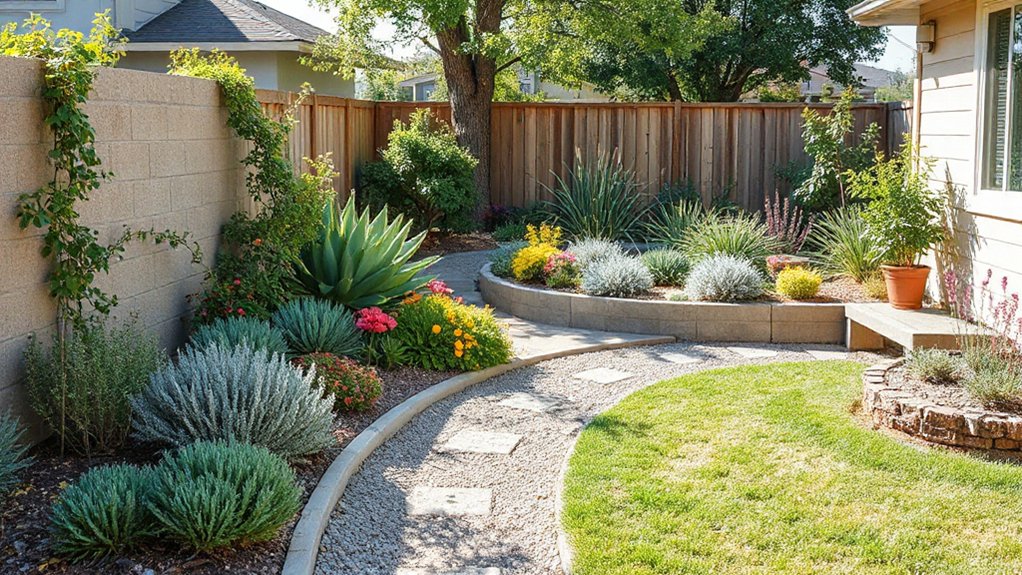
You’ll want a planting palette that stays vibrant with minimal care, starting with drought-tolerant grasses that hold color year-round.
Pair those with colorful, low-maintenance perennials that bloom at different times, so you reduce replacements and deadheading.
This combo delivers quick, summer-ready impact without demanding extra attention.
Drought-Tolerant Grasses
- Choose species adapted to your region, then plant in mass for visual impact.
- Select mown varieties for a tidy lawn look or clumping types for softer edges and texture.
- Combine with well-draining soil and a light mulch to reduce evaporation and weed pressure.
These grasses require minimal fertilizer and mowing, streamlining maintenance while enhancing seasonal interest.
Colorful Low-Maintenance Perennials
Pick reliable performers with similar sun and water needs to simplify maintenance and avoid deadheading chaos. A base of drought-tolerant, regional natives ensures resilience, while adding a few long-bloomers extends color through heat waves.
Plan plant diversity to prevent gaps as seasons shift, mixing height, texture, and foliage with careful spacing so beds feel full without crowding. Group plants by bloom time to maximize continuous interest and reduce interim gaps.
Use mulch to conserve moisture and suppress weeds, then schedule minimal fertilization and light pruning. This approach yields vibrant, low-effort results you can enjoy all summer.
Install Simple Borders and Pathways This Saturday
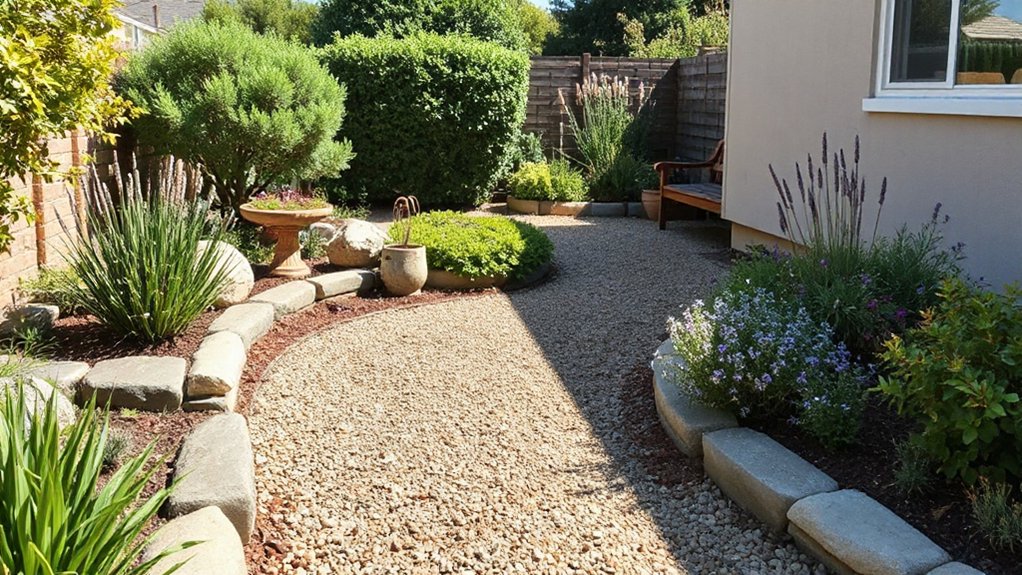
Considering a weekend project that tightens up your garden’s structure, start by laying simple borders and pathways this Saturday. You’ll define zones, guide foot traffic, and instantly elevate curb appeal.
Use durable edging to keep mulch and gravel in place, and pick a compact flagstone or brick for clean, stable lines. Keep pathways wide enough for a cart or wheelbarrow, and choose low-maintenance materials to save future effort.
Garden art and subtle plantings along the borders add character without clutter, while channels for drainage prevent puddles after storms.
Focus on contrast between dark mulch and light edging for visibility and polish.
1. Install edging, 2. lay stepping stones, 3. seed or mulch borders. This creates a Wildlife habitat.
Soil Health and Irrigation Tweaks That Save Water This Weekend
You can boost soil health by layering compost and mulch to improve structure and moisture retention.
Pair that with efficient irrigation like drip lines and smart timers to cut water use without stressing plants.
Start with a quick weekend check: fix leaks, adjust sprinklers to target roots, and monitor soil moisture to guide future tweaks.
Soil Health Boost
Healthy soil is the foundation of a drought-tolerant garden, so start this weekend by conditioning it for better water retention and nutrient delivery. You’ll boost soil health quickly with targeted, practical steps that don’t drain you.
- composting techniques: Add a thin layer of mature compost to improve structure and microbial life, then mix lightly to avoid compaction.
- soil testing: Run a quick test to identify pH and nutrient gaps; adjust with modest amendments based on results.
- mulch strategy: Apply a 2–3 inch mulch layer to conserve moisture, regulate temperature, and reduce weeds.
Keep monitoring plant responses, adjust watering modestly, and document outcomes for future weekends.
Water-Saving Irrigation Tips
Water-saving irrigation starts with smart timing and efficient delivery. You’ll reduce waste by watering deeply but infrequently, aligning with plant needs and local weather. Use early-morning or late-evening sessions to minimize evaporation and assure soil absorption.
Implement drip irrigation for targeted delivery, avoiding wet foliage and runoff. Check system pressure and emitters to prevent leaks and uneven distribution. Mulch around plant bases helps retain moisture and regulate soil temperature, boosting irrigation efficiency.
Collect rainwater harvesting when possible to supplement your supply, reducing reliance on mains water. Schedule a quick weekly audit: observe soil moisture 2–3 inches deep and adjust accordingly.
Pair these tweaks with maintenance—clean filters, calibrate timers, and replace worn components—to sustain steady, water-smart growth all summer.
Instant Focal Points: Quick Elements That Transform Your Space
Instant focal points grab attention and set the mood in an instant. You’ll transform your space by adding quick, intentional elements that read as intentional design rather than trial and error. Use these proven options to create impact fast:
- Garden art that catches the eye and echoes your outdoor theme
- Privacy screens that sculpt sightlines while adding texture
- A single statement planter or sculpture placed at natural viewing anchors
Choose pieces with durable finishes and contrasting colors to stand out against greenery. Position art and screens to guide movement—leading guests toward seating or a favored view. Keep lines clean, avoid clutter, and cycle materials seasonally for fresh appeal.
With minimal investment and smart placement, you produce a cohesive, inviting yard in one weekend.
Upgrade Your Containers on a Budget: Quick Wins
Upgrading your containers on a budget delivers big impact without breaking the bank. You can refresh spaces by swapping out or repainting pots, using spray paint to unify colors, and choosing durable, affordable options that suit your climate.
Focus on container decor by mixing textures and finishes—terracotta with matte ceramic, or black metal against bright plantings—to create visual contrast. Add air-drying plaster or concrete-like wraps for instant high-contrast bases without the cost.
Use budget-friendly upgrades like self-watering inserts, adjustable stands, and drainage mats to improve plant health and longevity. Group containers in odd numbers, vary heights, and plant cohesive edibles or perennials for repeat blooms.
Keep maintenance simple: mulch tops, trim edges, and rotate selections as seasons shift.
Lighting and Hardscape Tricks for Evening Appeal
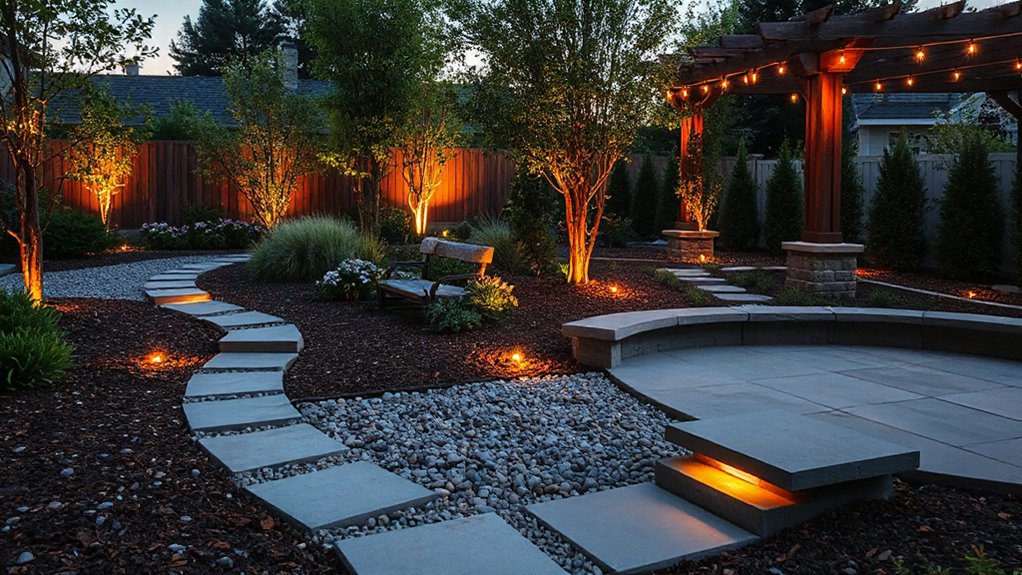
Evening garden glow hinges on deliberate lighting and sturdy hardscapes that guide movement and highlight drama after dark. You’ll pair durable paths with subtle accents to shape flow and safety, then add lighting that accentuates focal plants without glare.
- Install solar lighting along walkways and steps to guarantee low maintenance and instant ambiance.
- Use up-lighting on key specimen trees and architectural features to create depth and drama after sunset.
- Place outdoor seating in a softly illuminated nook, wired or solar, so you can linger comfortably.
Keep materials cohesive—stone, concrete, and timber should finish with complementary textures. Prioritize switches and timers for consistent效果.
Solar lighting reduces cable clutter; outdoor seating invites lingering, extending your evening garden experience.
Your Weekend Garden Finish Line: The Quick-Do Checklist
Now, you’ve got a clear weekend finish line, so tackle this quick-do checklist with sharp focus. Inspect beds and edges first: pull weeds, trim casting, and define lines to sharpen structure. Mulch bare soil to conserve moisture and deter weeds, applying a thin, even layer.
Pinpoint drainage issues and adjust slope or add organic amendments to prevent puddling after storms. Install or refresh garden feng shui by aligning plant groups with pathways and seating zones for easy flow and calm energy.
Create wildlife habitats by leaving shallow water sources, selecting native nectar plants, and securing shallow nesting spots. Finish with a quick irrigation check, test timers, and label zones for future maintenance.
Confirm accessibility, visibility, and enjoyment from key viewpoints.
Frequently Asked Questions
How Soon Can I See Visible Results After Planting?
You’ll start seeing sprouts in 5–14 days, but full results take 3–6 weeks. Track Plant growth timeline and note Fertilizer impact; steady feeding accelerates growth, yet avoid overdoing it to prevent root stress and nutrient burn.
Which Plants Tolerate Heat and Drought in Summer?
You should choose native plants and drought resistant varieties, which tolerate heat well. Prioritize deep roots, mulch, and efficient irrigation; group by sun exposure, water needs, and soil types to maximize resilience and establish a low-maintenance, summer-ready garden.
What’s the Best Quick-Drying Soil Mix for Borders?
A quick-drying soil mix comes from grit, compost, and perlite; use soil amendments to tailor texture, then plant with proper techniques. You’ll improve drainage, avoid compaction, and guarantee roots establish quickly with confident planting techniques.
How Do I Avoid Overwatering With a Weekend Project?
Only 30% of weekend gardeners report overwatering, so plan smart. Set a simple watering schedule and use moisture sensors to guide you; adjust as weather shifts. You’ll prevent soggy plants, conserve water, and finish faster with confidence.
Can I Install Irrigation Without Professional Help This Weekend?
Yes, you can DIY irrigation with weekend installation if you plan, measure, and follow instructions carefully. You’ll need basic tools, a simple timer, and drip or sprinkler components. Stay organized, test leaks, and adjust zones for efficient watering.
Conclusion
You’ve mapped, chosen, and acted—your weekend garden is instantly gallery-ready. With a clear plan, low-maintenance palettes, and simple borders, you’ll see quick, tangible results. Think of the space as a story you tell in stages: plants, pathways, lights, and focal points all guiding the eye. Stay practical: water-smart choices, drip irrigation, and durable containers keep your oasis thriving. It’s like stitching a summer dream together—steady, focused, and beautifully complete by Sunday.