
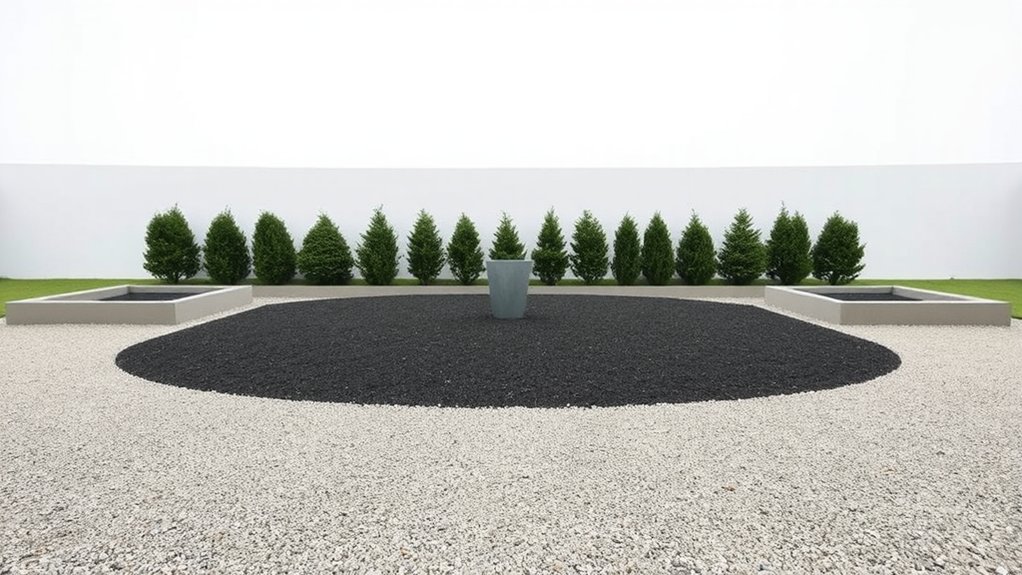

The minimalist’s approach starts with a zone-by-zone assessment of sun, soil, and needs, then moves decisively to decluttering and pruning for airflow and accessibility. Plan in stages, focusing on core plantings and a functional layout that anchors year-round structure. Choose low-maintenance, biodiverse options—waterwise, native where possible—and group by water needs to simplify care. Establish simple maintenance routines to keep calm, balanced spacing, and seasonal harmony. If you keep going, you’ll uncover practical steps you can apply today.
Key Takeaways
- Assess and map zones by sun, soil, and moisture; test and record outcomes to guide a purposeful, stage-based redesign.
- Declutter with purpose, prune for airflow, and keep only beneficial items to establish calm, functional spaces.
- Inventory and prioritize plants, replacing low-value species with drought-tolerant, native substitutes for seasonal balance.
- Create sustainable maintenance routines, scheduling pruning, irrigation checks, mulching, and tool care for lasting calm.
- Plan seasonal adjustments to maintain balance and ease of upkeep while preserving a cohesive minimalist aesthetic.
Assess Needs by Zones, Soil, and Sunlight

Start by mapping your garden into zones based on light, temperature, and moisture. You’ll assess where sun peaks, where mornings linger, and where conditions stay damp or dry. Note each zone’s sun hours, wind exposure, and soil texture, then compare to plant needs. This framework guides decisions on garden aesthetics and plant diversity, helping you choose species that thrive together rather than clash.
Test soil pH and nutrient levels in representative spots, and record drainage and compaction. Map outcomes to a simple action plan: improve soil, adjust irrigation, or relocate plants.
Prioritize sturdy, low-maintenance choices that fit your zones and seasonal shifts. With clarity on needs, you optimize space, reduce waste, and set a pragmatic, resilient foundation for a minimalist reset.
Declutter With Purpose: Remove, Prune, Refine
Start by removing with intent: question every item’s role, and keep only what serves your plan.
Prune for purpose, trimming crowded growth to improve airflow, light, and accessibility.
Refine your garden space with clear criteria, so every plant, tool, and container supports your vision.
Remove With Intent
Practice intentional removal: cut back tangled runners, delete crowded stems, and discard diseased leaves. Each decision should align with your vision of a simpler, thriving space.
As you prune, refine plantings for structure, balance, and accessibility, ensuring sunlight reaches the center and air moves freely. Keep a flexible plan, updating it as conditions shift.
This method isn’t about harsh elimination; it’s about purposeful pruning that supports health and ease. Maintain momentum by documenting changes and revisiting goals regularly.
Prune For Purpose
Next, prune with purpose: thinning to improve structure, removing suckers and a few aggressive shoots that steal vigor. This isn’t pruning for ornament alone; it’s pruning for vitality and ease of maintenance.
Consider plant spacing and growth habits to sustain a balanced silhouette. As you declutter, align choices with Garden aesthetics and Plant selection, ensuring each remaining specimen supports the overall design.
After pruning, tidy tools, label changes, and note care needs to preserve the improved foundation. Continuous refinement keeps your garden purposeful, accessible, and resilient.
Plan in Stages: Core Plantings and Functional Layout
To plan in stages, begin with your core plantings and a functional layout that support year-round structure and ease of maintenance. You’ll map zones by sun exposure, traffic flow, and key sightlines, then anchor with reliable, low-fuss perennials and evergreen accents.
Choose a cohesive palette that promotes garden aesthetics without clutter, using repeating forms and colors for continuity. Establish focal points such as a seating nook or a screened border, placed to guide movement and seasonal shifts.
Allocate space for utility needs—paths, irrigation, tool storage—so upkeep stays simple. Layer in foliage textures and height variety to reduce weeds and visual noise.
Revisit and tweak connections after each season, ensuring the plan remains adaptable, focused, and deliberately minimalist.
Low-Maintenance, Biodiverse Choices: Waterwise Plantings and Native Swaps
You’ll start with waterwise plantings that reduce irrigation and support local pollinators, choosing species that survive on minimal input.
Native swaps essentials guide you to replace high-maintenance, thirsty plants with resilient natives that fit your site conditions.
This approach delivers biodiverse, low-maintenance options that boost garden health and cut long-term upkeep.
Waterwise Plantings Guide
Waterwise planting reduces water use without sacrificing color or function. You’ll choose drought resistant species that thrive on minimal irrigation, yet deliver year-round texture and interest. Prioritize natives and seasoned perennials—plants adapted to your climate reduce maintenance and support local biodiversity.
Group species by similar water needs to avoid overwatering and to simplify care. Mulch deeply to conserve moisture, suppress weeds, and stabilize soil temperatures. Implement rainwater harvesting where possible, feeding beds during dry spells without tapping mains water.
When selecting plantings, favor low-volatile grasses and drought-tolerant shrubs that provide structure and seasonal bloom. Limit turf areas; replace with permeable groundcovers to absorb rain and reduce runoff.
Maintain by inspecting irrigation efficiency, pruning selectively, and mapping plant performance for future improvements.
Native Swaps Essentials
Focus on essential plants that perform reliably, tolerate drought, and thrive in our seasonal patterns. Prioritize species with compact growth, pest resistance, and known waterwise habits, ensuring you spend less time on maintenance.
Map seasonal bloom windows to maintain color and habitat value throughout the year. Replace high-water cultivars with native swaps that deliver similar texture and form but lower irrigation needs.
Use soil amendments sparingly and group compatible natives for efficient care. This approach builds resilient, biodiverse beds without excess work.
Biodiverse, Low-Maintenance Options
To create a biodiverse, low-maintenance garden, prioritize waterwise plantings and native swaps that survive on less irrigation while supporting local wildlife. Choose drought-tolerant natives adapted to your climate, then group by sun exposure to minimize watering.
Use layered plantings—groundcovers, perennials, and shrubs—to create habitat corridors and year-round interest. This approach attracts pollinators, birds, and beneficial insects, reinforcing a resilient ecosystem.
For pest management, rely on natural predators, diverse plantings, and structural diversity rather than chemicals. Avoid monocultures that escalate resistance and decline biodiversity.
Mulch to conserve moisture, suppress weeds, and regulate soil temperature. Water deeply but infrequently, aligning with natural rainfall patterns.
Regularly assess soil health, replace underperforming species, and document benefactors of wildlife habitat—then refine selections to maintain balance and low maintenance.
Create Maintenance Routines for Lasting Calm

Develop a simple, repeatable routine to keep your garden calm and resilient. You’ll establish a brief weekly check: prune deadheads, weed only where invasive roots threaten, and mulch lightly to maintain soil moisture.
Track irrigation, adjusting for seasonal shifts so water never pools or dries out beds. Maintain a tidy presence by returning tools after use and labeling prunings by type to simplify swaps in future seasons.
Use a calendar reminder for major tasks—mulching in spring, dividing crowded perennials in autumn—to prevent overcrowding and stress.
Prioritize garden aesthetics with consistent spacing, cohesive plant textures, and color harmony, avoiding sudden changes.
Case Studies: Minimalist Garden Resets in Action
Case studies demonstrate how minimalist resets translate to real gardens. You’ll see how reductions elevate function, form, and flow, even in small urban yards.
In these examples, you identify what matters: a strong focal point, a simple color palette, and clean lines that guide movement. You’ll note how garden art and decorative features become deliberate accents, not clutter, enhancing harmony rather than noise.
Decisions hinge on scale, proportion, and seasonal adaptability, ensuring year-round clarity. Observe the logic behind removal: less maintenance, more impact, greater resilience.
You’ll apply similar checks—purpose, rhythm, and material restraint—to your space, then iterate quickly with confidence.
The result: a calm, usable, beautiful garden that speaks with quiet authority.
- Before-and-after plant inventories that reveal true priorities
- Focal-point choices that anchor the design
- Minimalist garden art integrated as intentional accents
- Seasonal adjustments that maintain balance and ease
Frequently Asked Questions
How Long Does a Minimalist Garden Reset Typically Take?
A minimalist garden reset typically takes a couple of days to a week, depending on scope. You’ll sketch garden design, select plants, and implement changes efficiently, prioritizing simple, cohesive beds and deliberate plant selection for lasting impact.
What Budget Is Realistic for a Complete Reset?
“Cut your losses now,” you’ll budget roughly $500–$2,000 for a full reset, depending on tools and plants; factor garden tools, watering techniques, soil, and labor. You’ll spend wisely, prioritizing essentials and simple, durable gear.
Can Small Spaces Benefit From a Minimalist Approach?
Yes, small spaces benefit from a minimalist approach. You’ll create a functional garden layout with clear zones, while precise plant selection avoids clutter. Prioritize scaling, compact varieties, and strategic seating to maximize usefulness and visual calm.
How Do I Prioritize Plants for Year-Round Interest?
Prioritize evergreen structure first, then select seasonal focal plants. For year-round interest, curate Plant selection with durable textures and color shifts. Use Seasonal planning to map bloom windows, foliage, and contrast, ensuring continual visual impact and low maintenance.
What Mistakes Should Beginners Avoid During a Reset?
What mistakes should you avoid during a reset? You’ll plan garden design thoughtfully and choose plant selection carefully, then skip haste, overwatering, and impulse buys; instead, test soils, map seasons, and prune gradually for steady, resilient growth.
Conclusion
You assess zones, soil, and sun, then prune with purpose, not pride. You declutter, prune, and refine until every plant earns its keep. You plan in stages, starting with core arrivals and a functional layout that whispers calm. You choose low-maintenance, biodiverse options, favoring waterwise and native swaps. You establish routines that stick, so serenity endures. Your minimalist reset becomes a living method, a garden that breathes with you—uncluttered, resilient, endlessly practical. You breathe, you garden, you endure.