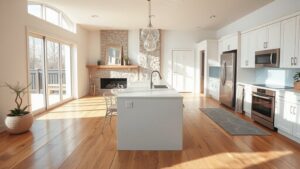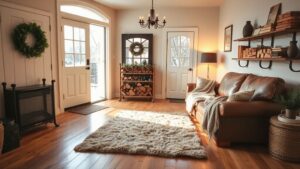
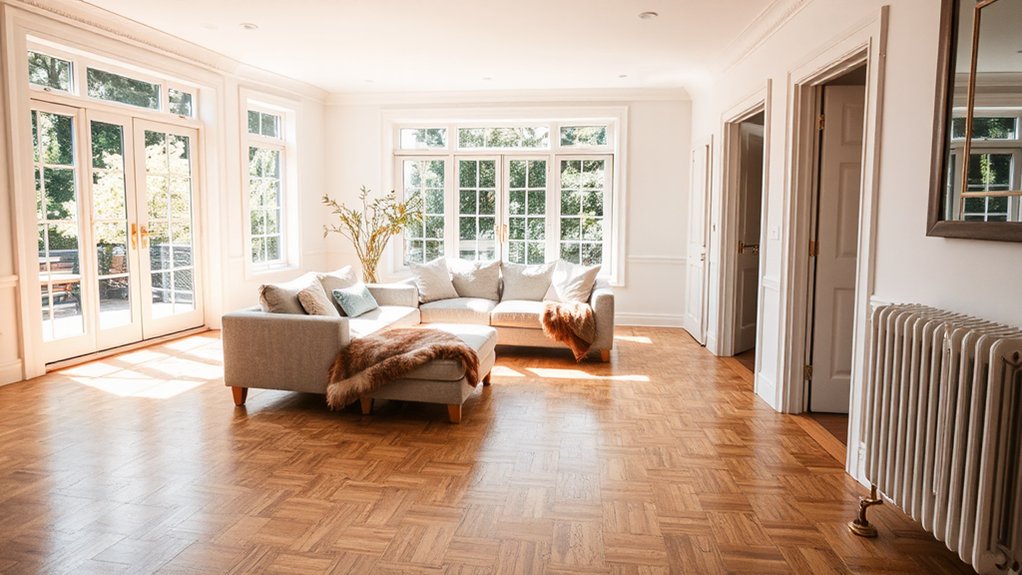

You’ll assess layout, systems, and surroundings with precise, practical checks to gauge flow, condition, and long-term reliability. Look for a cohesive floorplan, clear circulation, and sightlines that support daily life. Check dampness signs, structural flaws, and potential maintenance needs, plus plumbing, heating, and electrical reliability. Inspect insulation, windows, and energy basics. Consider neighborhood practicality, noise, transit, and services. Note security, maintenance history, and visible defects. If you want deeper, progressive guidance, you’ll uncover more as you proceed.
Key Takeaways
- Assess layout and flow to ensure functional room connections, clear sightlines, and unobstructed circulation without crowding.
- Check for structural and surface cues: gaps, misaligned trim, moisture signs, lighting, and electrical outlet placement.
- Identify dampness, leaks, mold indicators, foundation cracks, and exterior drainage to gauge long-term stability risks.
- Inspect essential systems: plumbing pressure, water heater condition, electrical panel, GFCI/AFCI outlets, and insulation adequacy.
- Review documentation: recent inspections, service records, maintenance history, and third-party verifications for reliability and risk.
Evaluate Layout and Flow: 8 Practical Checks
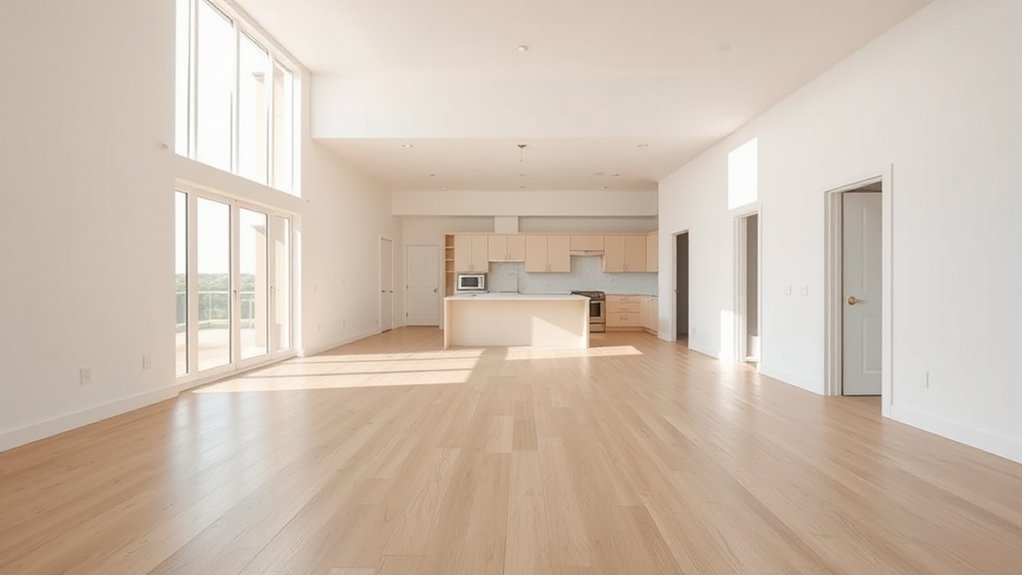
Evaluating layout and flow starts the moment you enter. You assess how space is organized, not just its size. Focus on open floorplans and how rooms connect, noting if progression feels logical or forced.
Check circulation: can you move freely between zones without backtracking or awkward detours? Observe furniture placement’s impact on usability: does scale support daily activities, traffic, and sightlines?
Confirm that primary functions—living, dining, work—receive proper adjacency without crowding. Look for natural focal points, such as windows, fireplaces, or architectural features, and see if they support focal seating or grouping.
Evaluate door locations and clearance: do openings hinder movement or create bottlenecks when furniture is arranged? Consider potential for flexible use; you want clear, intentional pathways that preserve openness while defining purpose.
Identify Damp and Structural Risks
Damp and structural issues can undermine safety and value, so identify signs early and act quickly. You’ll want to assess water intrusion, staining, or musty odors in walls, ceilings, and basements, which signal hidden moisture.
Look for bubbling paint, warped drywall, and efflorescence on masonry, as these indicate ongoing dampness that can degrade structure. Inspect windows and exterior joints for sealing failures that channel water inward.
Consider mold detection indicators, such as powdery growth or recurrent allergic symptoms among occupants, and investigate promptly.
Assess foundation stability by checking cracks, uneven floors, or doors that stick, all of which can foretell settlement problems.
Document findings with photos and measurements, and request a professional assessment if anything suspicious emerges.
Prioritize issues with potential safety implications and long‑term repair costs.
Check Plumbing, Heating, and Electrical
Check the plumbing system for leaks, pressure, and evidence of corrosion.
Test the water flow in fixtures to gauge overall health.
Verify the electrical safety basics by inspecting outlets, circuit breakers, and visible wiring for signs of damage or improper grounding.
Use these checks to frame questions about long-term maintenance, potential upgrades, and immediate remediation needs.
Plumbing System Health
When evaluating the plumbing system, focus on the condition of pipes, fixtures, and the water heater, looking for corrosion, leaks, and signs of pressure issues. Here’s what to check:
- Water pressure consistency across taps and showers, noting any drops.
- Pipe material and visible wear, especially aging steel or copper joints.
- Fixture integrity, including corrosion around valves and seals.
- Water heater status, looking for rusty bottoms, unusual noises, or temperature fluctuations.
Tips: recognize abnormal sounds, damp patches, or sudden bill spikes as indicators of hidden leaks. If pressure fluctuates or you notice discoloration, probe further before sealing the deal.
Document findings with photos for later repair estimates and verify any past plumbing work matches current safety codes.
Electrical Safety Check
As you shift from plumbing concerns to overall safety, focus on the electrical system’s integrity alongside plumbing and heating. Begin with the circuit breaker panel: verify it’s labeled, accessible, and free of scorch marks or buzzing. Check for signs of overheating, like warm outlets or discolored breakers, and verify the correct amperage for the home’s load.
Inspect visible wiring for fraying, exposed conductors, or insulation damage, noting any brittle or taped joints. Test GFCI and AFCI outlets in kitchens, bathrooms, and bedrooms, confirming they trip properly.
Look for a modern, grounded system with a clear main disconnect. Ask for recent electrical permits or inspection reports, and compare wiring condition to the age of the house. Report any anomalies promptly for professional assessment.
Improve Insulation, Windows, and Energy Efficiency
You’ll want solid insulation, tight windows, and clear energy features to reduce costs and improve comfort.
Look for signs of insulation gaps, drafts, and moisture, plus window performance indicators like glazing, seals, and glazing integrity.
Note any energy-efficiency features such as smart thermostats, LED lighting, efficient appliances, and overall building envelope improvements.
Insulation Quality Checks
Insulation quality is a critical factor in a property’s long-term comfort and operating costs, so assess both the existing insulation and the overall envelope. You’ll verify material, installation, and integrity, focusing on thermal insulation and soundproofing measures.
- Inspect attic and wall cavities for gaps, compressions, and improper nailing that reduce R-values.
- Check door and window interfaces for drafts; pinpoint air leaks with a smoke pencil or infrared scan.
- Assess facade penetrations, plumbing penetrants, and electrical fixtures for seal continuity.
- Review insulation type, thickness, and moisture signs; note any compressed or settled areas.
Document findings with photos and measurements. Prioritize upgrades that improve thermal performance and reduce drafts, ensuring consistent comfort throughout seasons.
Window Performance Signs
Start with framing integrity: look for settled gaps, warped sashes, or corrosion that signal reduced sealing performance.
Inspect glazing quality—choose double or triple glazing with low-emissivity coatings and inert gas fills, and verify seal integrity around the perimeter.
Check for condensation between panes, which indicates failed seals and degraded insulation.
Consider window durability by evaluating hardware operation, hinge stiffness, and weatherstripping wear.
Record observed drafts near edges and test with a candle or hand breeze to reveal leaks.
These signs help you estimate maintenance needs and overall energy efficiency.
Energy Efficiency Features
- Insulation quality: check depth, material, and installed zones; note any gaps or compression that could cause thermal bridging.
- Window performance: evaluate glazing, seals, and air leakage ratings; observe condensation and draft spots.
- Heating and cooling efficiency: review system SEER/HSPF ratings, zoning, and thermostat controls; verify age and maintenance history.
- Renewable readiness: look for pre-wiring or space for solar panels and check current energy labels for long-term cost implications.
Neighborhood Pulse: Daily Life and Accessibility

Neighborhood pulse matters as you evaluate a property, because daily life and accessibility shape practicality, commute times, and overall livability. You’ll assess foot traffic, transit options, and parking efficiency to determine routine feasibility.
Evaluate proximity to essential services, including groceries, healthcare, and schools, and note any noise patterns that affect comfort.
Local amenities matter for convenience and long‑term value, so map the walking radius and assess hours of operation. Consider alternative routes and potential congestion during peak periods to gauge reliability.
The community vibe informs safety and social fit, so observe public spaces, local initiatives, and neighborhood diversity without assuming overtones.
Align these findings with your lifestyle needs, and document any gaps that warrant a targeted inquiry during the viewing.
Ask the Agent: Safe, Practical Questions
When you tour a property, ask the agent targeted, practical questions that uncover safety, reliability, and hidden costs. You want precise answers about home security, system age, and monitoring options, plus a clear property history. Use these essentials:
- What’s the current security setup, and when was it last serviced?
- Have there been any past safety incidents, and how were they resolved?
- What’re known defects in the property history, and what repairs were completed?
- what’re the true, ongoing costs for utilities, maintenance, and HOA fees?
Record responses, request documentation, and verify with third parties.
Ask for recent inspection reports and service logs. Clear, verifiable data lets you compare risk, value, and long-term reliability without guesswork.
Visual Cues and Hidden Details in Home Viewing
During a viewing, your eyes pick up more than what’s listed in the spec sheet. Visual cues reveal structural integrity, finishes, and potential maintenance needs that specs miss. Scan for consistent gaps, misaligned trim, or sagging ceilings, which hint at framing or moisture issues.
Check for uniform lighting and electrical outlets in practical layouts; odd placements can signal remodels or hidden constraints. Listen for sounds: creaks, drafts, or plumbing noise reveal hidden flaws beneath surfaces.
Inspect decorative details for quality: finish, joinery, and materials indicate long‑term durability. Assess outdoor features at the same time: soil grade, drainage, fences, and exterior wear correlate with indoor conditions.
If you spot incongruities, document them and ask for professional assessments before making an offer.
Frequently Asked Questions
What Are the True Maintenance Costs for Major Systems Each Year?
The true annual maintenance costs vary, but expect appliance longevity and system repair costs to average several hundred to a few thousand dollars, depending on age and usage. You should budget proactively for thorough inspections and timely replacements.
How Long Has the Current Owner Lived Here and Why Are They Selling?
The property history shows the current owner lived here for X years and is selling due to Owner motivation, likely relocation or upgrade; you should verify dates and disclosures to confirm reasons and any inherited constraints.
Are There Any Ongoing or Upcoming Neighborhood Development Plans?
There are ongoing neighborhood development plans and upcoming projects; you should review them now. Expect neighborhood improvements and Future infrastructure installations; you’ll want to assess zoning, timelines, funding, and potential disruption to property access or value.
Has There Been Any History of Insurance Claims on the Property?
There’s no clear record of insurance claims on this property, though you should verify with the seller and insurer; insurance history matters, and consider claim frequency, as repeated incidents could influence premiums and coverage availability.
What Are the Best Timeframes and Contingencies for Offers?
Timing strategies depend on market conditions; aim for a 7–10 day inspection contingency, 21–30 day closing window, and shorter due diligence if competitive. Contingency considerations: extend when needed, shorten to win, adjust with waivers carefully.
Conclusion
In a world of doors and hinges, you’re the navigator charting chapters of a home. Each room is a map, every echo a compass point guiding you away from hidden reefs. Your checks are ballast and sails—steady, precise, decisive. If the hull leaks, you adjust; if the wiring hums, you pause. Trust the process: a well-viewed house is a ship you can safely steer from purchase to homecoming. Navigate wisely, and the harbor awaits.