
In 2026, you’ll favor durable, low-maintenance materials like porcelain, concrete, and weatherproof fabrics, plus modular seating you can rearrange for lounging, dining, or work zones. Embrace native, drought-tolerant landscaping in warm earthy tones, with smart, low-glare lighting that creates mood and extends outdoor time. Plan ahead with a practical budget, scalable layouts, and timeless finishes. Focus on safety and value, while keeping aesthetic impact. Curious how to implement these ideas step by step? You’ll find more insights ahead.
Key Takeaways
- Durable, low-maintenance materials and modular designs enable easy reconfiguration and long-term value in outdoor spaces.
- Native, drought-tolerant landscaping with earthy tones creates sustainable, low-effort curb appeal and seasonal color.
- Modular, flexible seating and zones (dining, lounging, fire) supported by smart, mood-setting lighting enhance versatility.
- Thoughtful planning, budgeting, and durable sourcing ensure practical, functional outdoor spaces aligned with future needs.
- Strategic use of natural textures, warm lighting, and garden art balances aesthetics with practicality for timeless appeal.
Plan a Durable, Low-Maintenance 2026 Patio
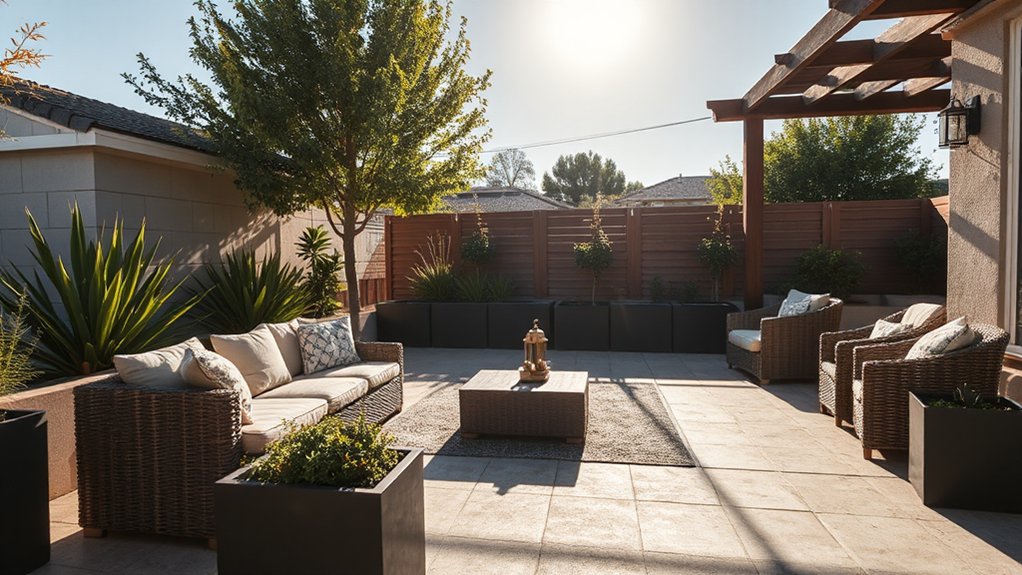
To build a durable, low-maintenance patio in 2026, start with a solid foundation: choose weather-resistant materials like concrete pavers, porcelain, or composite decking that resist fading and cracking.
You set the tone with clean lines and a restrained color palette that pairs with contemporary garden furniture and timeless outdoor decor.
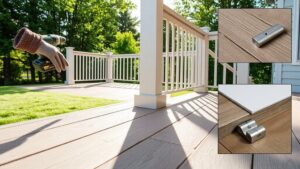
Prioritize standardization: modular components, hidden fasteners, and minimal grout lines reduce upkeep and enhance durability.
Plan drainage and weed suppression upfront to prevent future headaches.
Select low-maintenance greenery and planters that complement your hardscape without overgrowth.
Invest in quality, weatherproof seating and shade options that stay comfortable season after season.
Finally, favor scalable layouts that allow easy reconfiguration for gatherings, while maintaining a cohesive, stylish, low-effort outdoor space.
Native Plants and Low-Maintenance Landscaping for Small Spaces
Native plants shine in small spaces because they thrive with less care, attract local pollinators, and fit tight footprints without aggressive growth. You’ll maximize impact by selecting native flora that thrives in your climate, then layering natives with compact shrubs for year-round structure.
Prioritize drought-tolerant species to reduce irrigation while preserving color and texture. Pair flowering natives with evergreen groundcovers to minimize weeds and maintenance.
Create micro‑zones: a sunny pollinator patch, a shaded understory, and a low-lying, fragrant border. Use mulch to conserve moisture and dress beds without frequent pruning.
For effortless upkeep, choose low‑maintenance varieties known for disease resistance. This approach supports eco friendly landscaping, boosts biodiversity, and keeps small spaces vibrant year-round without sacrificing simplicity or style.
Weather-Ready Materials That Stay Chic Year After Year
Ready-made resilience meets timeless style. You’ll want weather-ready materials that perform, then look effortless year after year. Think powder-coated metals, synthetic fibers, and treated woods that resist fading, moisture, and temperature swings without shouting “cheap.”
You’ll prioritize UV stability and low maintenance, so your patio furniture stays polished with minimal upkeep. For outdoor decor, choose textured, colorfast surfaces that hide wear and still feel premium.
Consider modular cushions with fade-resistant fabrics and quick-dry foams, plus coatings that resist staining from rain and sun. Pair durable materials with clean lines to keep spaces cohesive across seasons.
Prioritize compatibility with existing setting, preserve resale value, and avoid trendy fads that date quickly.
Modular Seating for Flexible Outdoor Living
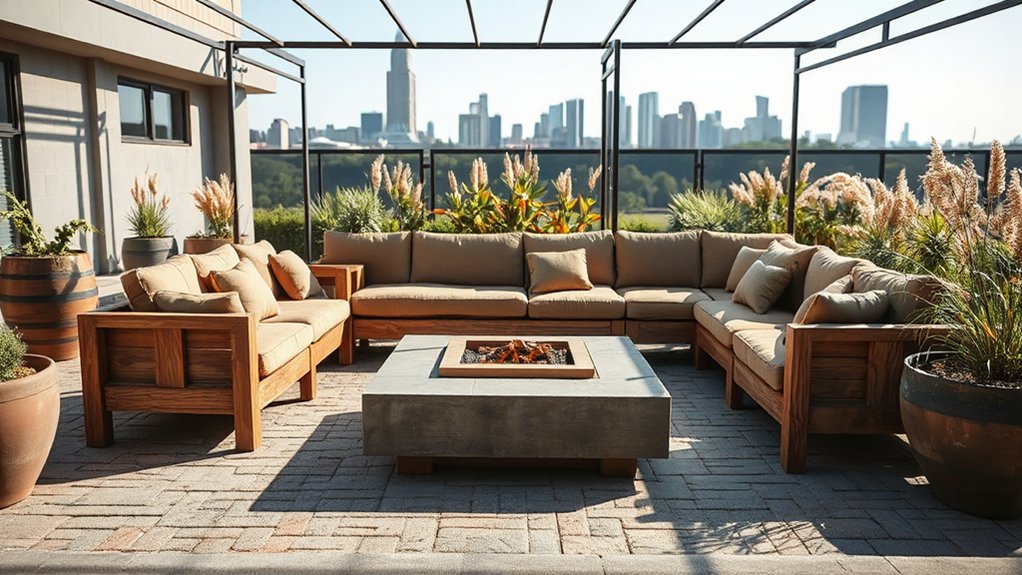
Consider how flexible configurations let you tailor your patio for socializing, lounging, and work zones with ease. Cushioned modular pieces enable instant reconfigurations that adapt to gatherings or quiet moments, without clutter.
Flexible Configurations For Patios
Flexible configurations are redefining outdoor living, with modular seating that adapts to how you entertain, work, and unwind. You’ll set up zones fast, swap modules for sun, shade, or a social circle, and reclaim space as needs shift.
Lightweight frames, weatherproof fabrics, and UV-rated cushions keep setups durable without sacrificing style. Choose modular sections that form conversation nooks, benches, or compact lounges, then reconfigure as guests arrive or as your plans change.
Footpath-like layouts guide movement, while integrated lighting and hidden power outlets support late gatherings. Pair with garden pathways for visual cohesion and easy access.
Accent pieces, including sculptural outdoor art, elevate the scene without crowding it. This approach delivers flexible, scalable patios that stay current as trends evolve.
Cushioned Modular Comfort
Quick rearrangements boost spontaneity, letting you tailor seating density to guest count or weather shifts. Durable fabrics, weather-ready cushions, and low-profile frames keep lines clean while maximizing comfort.
This approach integrates seamlessly with outdoor furniture styling, letting you mix textures and colors for a cohesive look. Choose modular pieces that lock into varied configurations, supporting conversation, dining, or lounging in one footprint.
Keep patio decor simple and expressive, prioritizing contrastive cushions and enduring finishes for long-term appeal.
Outdoor Zones And Flow
As you reconfigure modular seating for outdoors, you’ll shape distinct zones that support dining, lounging, and conversation within a single footprint. Modular setups enable fluid changeovers, letting you reimagine spaces for changing gatherings without rebuilding.
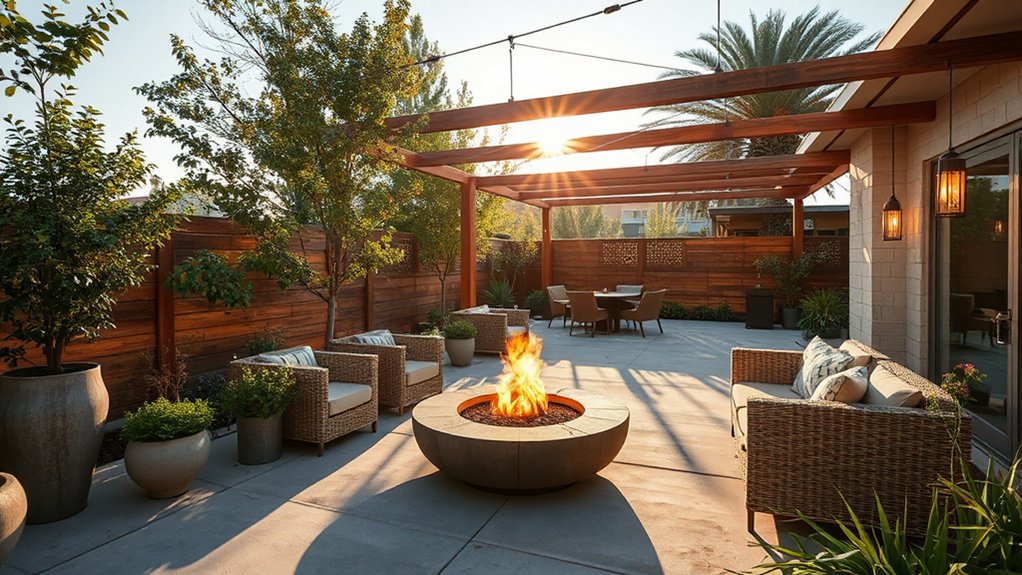
Define a dining node near an outdoor kitchen for practical prep and service flow, then anchor a lounge cluster that invites lingering with low-profile seating and ambient lighting. A dedicated fire pit area extends usability into cooler evenings, creating a natural focal point for socializing.
Use weatherproof materials and aligned textures to unify zones while preserving flexibility. Think about sightlines, acoustics, and traffic flow so guests move easily between zones.
Smart Lighting to Elevate Ambiance (and Extend Outdoor Time)
Smart lighting zones let you tailor brightness as the sun shifts, turning pathways, seating, and dining into distinct moods.
Ambience through color lets you cue warm evenings or vibrant gatherings with a simple scene.
Timed outdoor illumination extends your outdoor time by syncing with sunset and activity, so you’re always in the right light.
Smart Lighting Zones
Prioritize low-glare fixtures and warm hues to maintain conversation without fatigue, while cooler tones signal activity or preparation. Integrate sensors that dim when doors close or motion slows after peak hours, preserving ambiance and efficiency.
For a polished look, weave garden integration into the landscape—smart bollards near planters, discreet uplights for focal trees, and subtle under‑cabinet glow along counters. Include outdoor art as focal accents that respond to tempo changes, creating deliberate, cohesive atmosphere without clutter.
Ambience Through Color
Color dramatically shapes outdoor mood, guiding perception and extending time outside. You’ll choose smart lighting hues that align with color psychology, delivering intentional ambiance as evening settles.
Instead of plain illumination, think in gradients: warm ambers for cozy conversations, cool blues for calm, and saturated accents to cue energy discreetly. Dim-to-bright sequences, synchronized with your routines, enhance mood without overpowering nature.
You’ll rely on adaptive controls to shift color temperature and intensity as seasons rotate, preserving comfort while extending outdoor time. Use color as a mood enhancer, not décor filler; each change signals a purpose—welcoming, relaxing, or social.
This approach creates perceptual depth, boosts perceived space, and reinforces your outdoor lifestyle with purposeful, evidence-based design.
Timed Outdoor Illumination
To extend outdoor time, use timed outdoor illumination that shifts with the evening rhythm. Smart lighting elevates ambiance without fuss, adapting to your plans and guests. You’ll see how timed outdoor illumination creates zones, softens pathways, and highlights architectural features with confidence.
Seasonal lighting effects keep the space lively year-round, aligning color and intensity with weather, events, and progressions. This approach minimizes energy waste while maximizing mood and usability.
Installers recommend scalable systems, reliable sensors, and intuitive controls so you can adjust in moments. The result is a cohesive environment that feels intentional, not accidental.
- Scene-sync profiles that mirror your routines
- Adaptive brightness for dining, lounging, and entryways
- Color-temperature shifts to mimic natural dusk
- Weather-aware adjustments for seasonal changes
Sustainable Textiles and Shade Solutions You’ll Actually Use
From sustainable textiles to shade that actually performs, you’ll want solutions that blend eco-conscious materials with everyday practicality. You’ll prioritize textiles that pair durability with responsible sourcing, so your setup lasts season after season.
Look for recycled fabrics that maintain softness and color fastness while reducing waste. UV resistant textiles shield seating and accessories from sun fade and degradation, extending relevance in high-traffic patios.
When selecting shade, favor fabrics engineered for humidity and heat, ensuring airflow without compromising coverage. Opt for modular, easy-to-clean solutions that adapt to changing layouts.
Prioritize coatings and threads designed for outdoor use, so you aren’t reupholstering annually. Combine sustainability with style by choosing neutral palettes and timeless textures, ensuring your space remains chic as trends shift.
Warm Earthy Tones and Greenery to Boost Curb Appeal
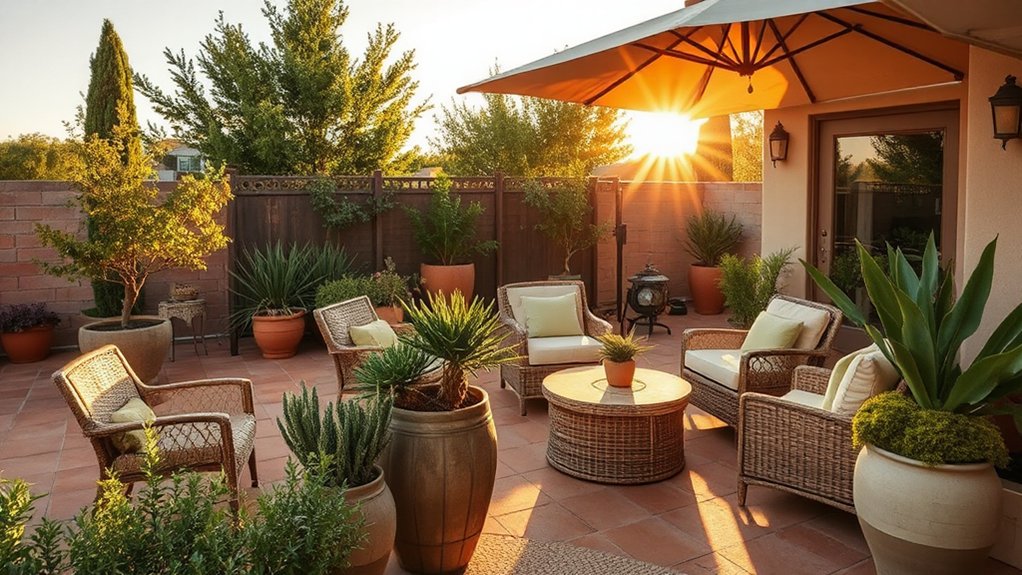
Warm earth tones and greenery help your curb appeal feel grounded and inviting, creating instant curb-appeal impact as passersby notice natural depth and lush accents. You’ll choose color palettes that harmonize warm browns, terracottas, sage, and olive, signaling comfort and longevity while staying current.
Emphasize material durability in railings, planters, and cladding so the look endures seasonal shifts without losing its glow.
- Pair clay reds with olive greens for timeless contrast.
- Use matte stone textures to heighten earthy depth.
- Highlight plants with warm lighting to extend curb presence.
- Opt for durable, weather-ready materials to sustain color integrity.
Design Your 2026 Outdoor Plan: Budgeting, Sourcing, and Setup
Design your 2026 outdoor plan by setting a clear budget, pinpointing reliable sourcing, and mapping a streamlined setup timeline. You’ll prioritize a lean budget with a clear cap on furniture, lighting, and accessories, and track every dollar against defined priorities.
Source from trusted vendors offering quality, warranty, and lead times that align with your season. Compare at least two options for major purchases and negotiate delivery windows to minimize disruption.
When planning layout, target durable, low-maintenance pieces and modular components that adapt to changes in use. Incorporate garden art strategically to frame focal points, and designate zones for outdoor cooking to maximize utility.
Stay updated on trends, but proof decisions with function, safety, and long-term value for a cohesive, stylish, and efficient outdoor space.
Frequently Asked Questions
How Can I Protect Furniture From Ultraviolet Fading?
Use UV protection by applying outdoor-rated sealants or fabric protectants, and shade or cover when possible. This fade prevention approach also extends furniture life, reduces discoloration, and keeps colors vibrant while you enjoy your patio.
What Are Cost-Saving Maintenance Tips for Patios?
You save on costs by following a simple maintenance checklist: clean debris weekly, seal every few years, inspect for wear, and address stains promptly. Schedule patio cleaning, pressure-test drains, and document upkeep to extend life and curb expenses.
Which Native Grasses Tolerate City Droughts Best?
You’ll want native grasses like little bluestem and switchgrass; they’re highly drought tolerant plants and thrive in city conditions. They resist heat, require minimal water, and give you a stylish, low-maintenance landscape trend-forward resilience.
How Do I Measure Space for Modular Seating?
You measure space by outlining your modular arrangement with tape, then add 4–6 inches for clearance. Irony perks up as you insist it’s simple, while space optimization quietly dominates, ensuring every seat fits perfectly and flows gracefully.
Can Smart Lighting Be Powered by Solar Panels?
Yes, solar panels can power smart lighting. You’ll need reliable solar panel installation and efficient battery storage, plus smart outdoor lighting controls to schedule and adjust brightness, ensuring consistent performance even on cloudy days.
Conclusion
Here’s your 2026 outdoor finish line: plan for durability, low maintenance, and weather-ready materials that stay chic year after year. You’ll love modular seating, smart lighting, and sustainable textiles that actually get used. Native plants fit small spaces without fuss, boosting curb appeal with earthy tones and greenery. Budget tightly, source smart, and set up for flow. You’ll live outside more, even when the wind sounds like a vintage modem—an anachronism that somehow fits today’s outdoor reality.