
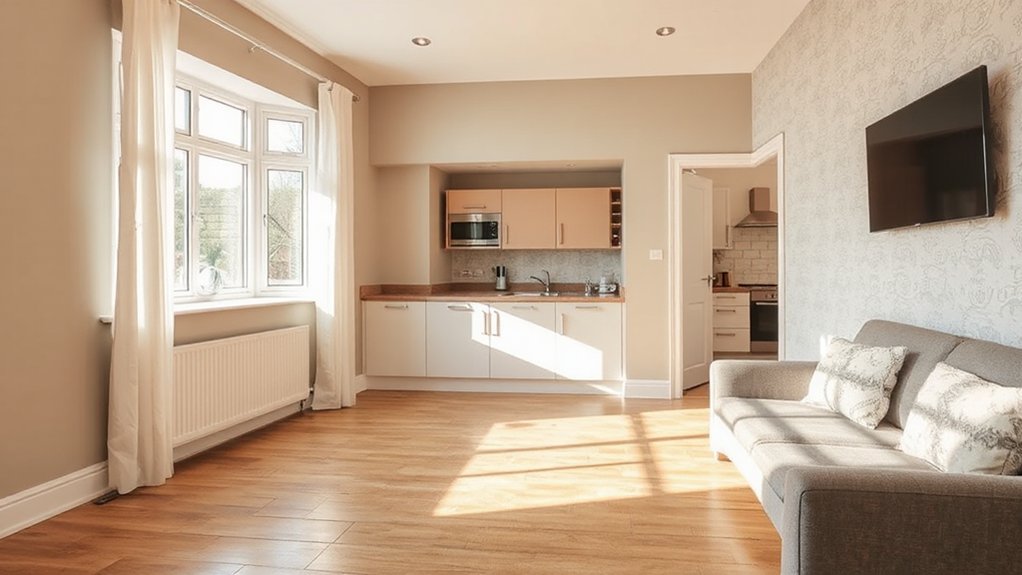

Is it worth renovating for resale if you decide to list your house on the market? To boost UK resale value, prioritise high-ROI upgrades like the kitchen, bathroom, and open-plan layouts, then align costs with market demand. Set a realistic renovation budget and use budget-friendly staging with neutral decor and strategic lighting. Plan around local rules and energy-efficiency targets, ensuring airtight rooms and double glazing where feasible. Time projects to peak demand, and fix cosmetic details—tidy gardens, fresh hardware, clean grout. If you keep reading, you’ll uncover more steps to win buyers.
Key Takeaways
- Prioritize high-impact upgrades: upgrade kitchens, bathrooms, and open-plan layouts to boost resale value quickly.
- Enhance energy efficiency: improve insulation, double glazing, and efficient heating to attract energy-conscious UK buyers.
- Stage and present professionally: neutral decor, clean lines, good lighting, and strategic staging to maximize perceived value.
- Align with local planning and regulations: map renovations to planning policies and document compliance for smoother transactions.
- Manage budget and timing: set realistic budgets, avoid overpricing, and time renovations to peak market demand periods.
What UK Buyers Actually Want From Renovated Homes
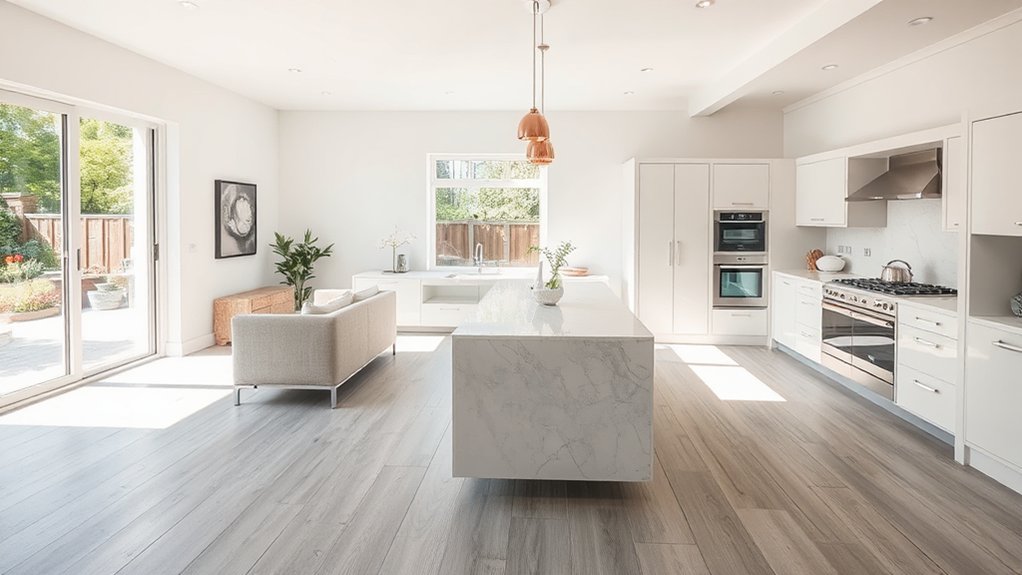
Many UK buyers expect renovated homes to deliver solid, move-in readiness: fresh decor, updated kitchens and bathrooms, and reliable plumbing and wiring.
You’ll find demand shifts tied to historical trends and evolving cultural preferences, shaping what buyers prioritise.
In regions with historic terraces, you’ll see strong appeal for clean, non-intrusive interiors that respect exterior character while offering modern insulation and quiet, efficient systems.
Open-plan vibes remain desirable in newer suburbs, but some buyers still value defined spaces for work and study, with smart storage solutions as a practical shortcut to clutter-free living.
Energy efficiency isn’t optional; you’ll gain traction with airtight rooms, double glazing, and efficient heating.
Quality finishings, proven brands, and low-maintenance materials reassure buyers seeking long-term value and minimal renovation risk.
Prioritize High-Roi Upgrades: Kitchen, Bathroom, and Open-Layouts
Are kitchens, bathrooms, and open-plan layouts the fastest path to resale value? Yes—prioritize high-ROI upgrades that buyers notice first.
In kitchens, opt for solid countertops, modern appliances, and streamlined cabinetry that looks premium but isn’t extravagant.
In bathrooms, favor quality fixtures, efficient layouts, and durable finishes that endure wear.
Open-plan configurations should enhance flow without sacrificing function, using smart zoning and natural light to boost perceived space.
This approach yields strong resale appeal, especially when paired with luxury upgrades that feel premium without over-investing.
Also consider outdoor landscaping as a subtle value booster—well-placed planting, lighting, and low-maintenance greenery can extend living space visually and attract more interest.
Focus on durable, timeless choices with broad appeal.
Set a Realistic Renovation Budget and Budget-Friendly Staging
Set a realistic renovation budget by grounding your plan in current market comps, project scopes, and a clear contingency fund. You’ll allocate funds by prioritising high-impact upgrades with solid ROI, while preserving a cushion for unforeseen costs.
Start with a precise budget allocation that covers materials, labour, permits, and finishings, then assign percentages to each category so you stay on track.
Limit cosmetic changes to rooms with the strongest resale appeal, resisting impulse additions that don’t move the needle.
Pair budgeting with budget-friendly staging—clean lines, neutral palettes, and well-placed lighting—to maximise perceived value without overspending.
Use staging techniques to demonstrate space, not overwhelm it, and guarantee you can justify every pound spent to potential buyers.
Regularly review spend against milestones and adjust as needed.
Navigate Planning Rules and Energy-Efficiency Requirements
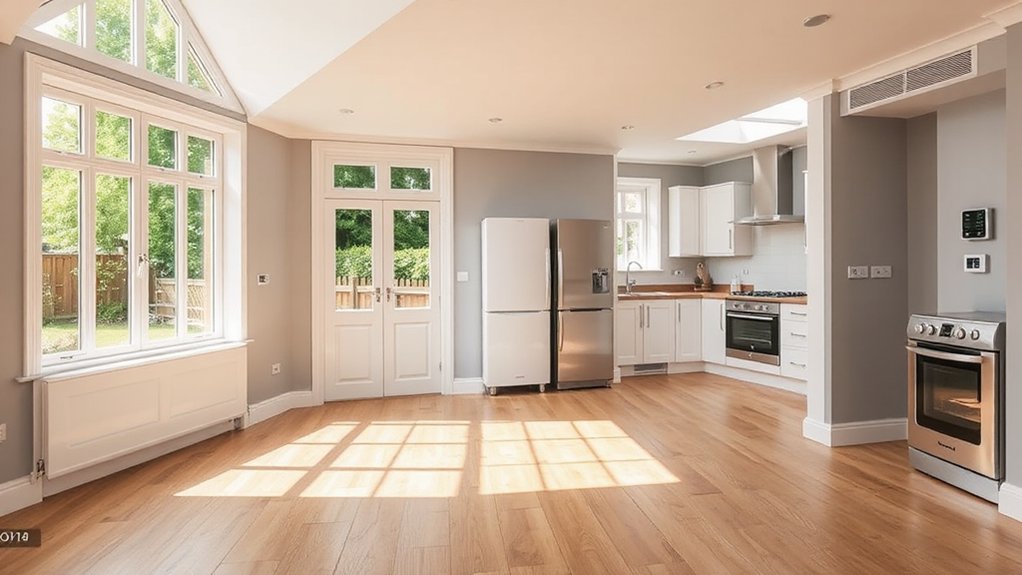
Understanding planning permission basics and energy-efficiency rules is essential before you line up contractors. You’ll map out which changes trigger permissions and how targets impact design choices, budgeting, and timelines.
Stay current on local standards to position your resale value and avoid costly delays.
Planning Permission Basics
Begin by mapping your proposed changes to local planning policies, then compare them against current zoning regulations to anticipate obstacles and approval timelines.
Prepare a concise case for your project, highlighting efficient use of space, impacts on neighbours, and any potential heritage considerations.
Historical permissions can influence decisions, so review any past approvals within the site’s footprint.
Consult the planning portal early, track decision dates, and maintain detailed documentation to avoid later revisions or refusals.
Energy-Efficiency Targets and Rules
As you map your planning path, you’ll need to align your renovation with energy-efficiency targets and the rules that govern them. In the UK market, these standards drive resale value, compliance timelines, and future-proofing costs.
You’ll navigate Minimum Energy Efficiency Standards, building regulations, and display energy certificates to quantify performance. Plan upgrades that deliver tangible gains: enhanced insulation standards reduce heat loss, while targeted renewable energy installations can lower running costs and boost market appeal.
Consider the energy rating trajectory for your property type and location, factoring in potential grants or incentives. Document changes meticulously for planners, buyers, and brokers.
Time Renovations to Hit Peak UK Resale Demand

To time renovations for peak UK resale demand, you should align projects with peak market timing and seasonal demand shifts.
By planning around when buyers most actively search and transact, you maximize appeal and sale velocity.
This means prioritizing high-impact updates before peak seasons and factoring regional buying patterns into your schedule.
Peak Market Timing
If you time renovations to align with seasonal buyer demand, you can hit peak UK resale momentum when competition is lean and buyers are most motivated.
Peak market timing requires reading market signals, not guesswork, so you act on data, not vibes. Track market fluctuations quarterly, noting when demand outpaces listings and price growth accelerates.
Align major updates—kitchens, bathrooms, curb appeal—with periods of rising buyer confidence to maximize perception of value.
Prioritize renovations that deliver high impact for cost, anchored in current renovation trends like durable finishes and energy efficiency.
Maintain a tight budget and clear schedule, so you’re ready to list at the moment demand tightens or bidding activity surges.
This disciplined approach minimizes days on market and enhances resale premium.
Seasonal Demand Shifts
To time renovations for peak UK resale demand, map project phases to anticipated market fluctuations, targeting completion just before high-activity windows. Prioritise kitchens and bathrooms, as these rooms drive perceived value during sprint sales.
Exterior curb appeal, too, gains traction as days lengthen and buyers tour more property types. You’ll also adjust marketing cadence to match seasonal interest, aligning photography, staging, and open-house schedules with peak attention periods.
Small Cosmetic Fixes That Deliver Big Value
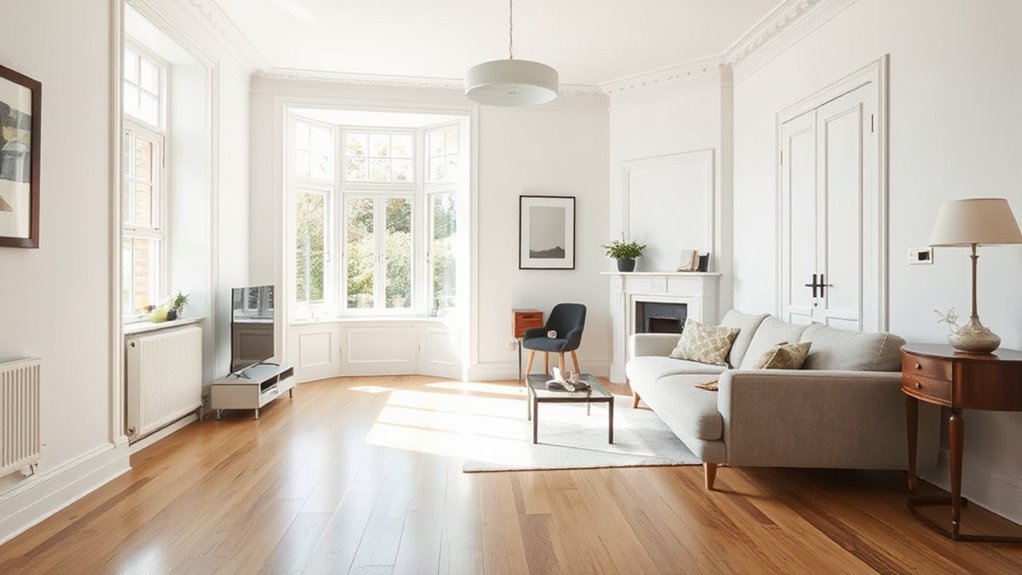
Small cosmetic fixes can yield outsized returns when preparing a home for resale. You’ll boost appeal with low-cost, high-impact choices that signal care and quality to buyers. Focus on perceptible improvements that translate to perceived value, not just aesthetics.
Prioritize fresh presentation over full-scale renovation, and align touches with current market preferences for UK buyers.
- Garden landscaping: tidy borders, mulch, and a neatly mown lawn create instant curb appeal.
- Interior decor: neutral palettes, updated lighting, and crisp hardware elevate rooms without overhauling layouts.
- Practical details: secure switches, clean grout, and refreshed seals in kitchens and bathrooms.
These small updates create momentum, support your asking price, and reassure buyers that the home is well-maintained.
Common Missteps to Avoid When Selling After Renovation
Renovations can boost value, but missteps after they’re completed can undo the gains. You should avoid overspending on luxury upgrades that don’t align with the target market, or you’ll erode return on investment. Be cautious with bespoke designs that risk dating the home; preference in your area matters as much as your taste.
Overbuilding—adding features beyond comparable properties—reduces demand and narrows buyers’ perceived value. Skipping professional pricing or failing to stage can shrink offers.
Don’t neglect practical aspects: guarantee robust warranties, compliance, and clear documentation to support post-renovation value. Price realistically, market-test early, and resist emotional sales tactics.
Finally, align finishes, fixtures, and materials with local standards to avoid buyer friction and extend the renovation’s value through a confident sale.
Frequently Asked Questions
How Do Regional Market Trends Affect Renovation ROI?
Regional market trends shape ROI by shifting buyer demand and sale prices. You’ll see local market fluctuations influence demand timing, while renovation cost variability affects your margins. Plan contingencies, align upgrades with target areas, and calibrate budgets to current trends.
Which Permits Most Commonly Delay Resale After Renovations?
“Slow and steady wins the race.” Permitted delays often arise from obtaining Renovation permits, zoning checks, and builder approvals, which most commonly delay resale and impact timelines more than construction milestones you control. Stay proactive, anticipate permits, communicate early.
What Color Schemes Boost Saleability Across the UK?
You’ll boost appeal with neutral, cohesive color schemes and subtle contrasts; color psychology guides choices, while design consistency reassures buyers.opt for calm tones, airy whites, warm beiges, and restrained blues; align palette across rooms for professional, market-aware results.
How Long Before Sale Should Renovations Realistically Complete?
You should finish renovations within 6–12 weeks, depending on scope and permits. Timing considerations demand a realistic schedule, buffer for delays, and clear milestones. Plan renovation scheduling that aligns with market windows and buyer expectations for fastest sale.
Do Soft Furnishings Impact Perceived Value During Viewings?
Yes, soft furnishings influence perceived value during viewings. You convey warmth and scale through furnishing impressions, while interior staging highlights flow and potential. You’ll create aspirational spaces that help buyers imagine living there, boosting emotional appeal and market awareness.
Conclusion
You’re steering a brick-and-mortar ship through a fickle market sea. Imagine your renovation as a lighthouse: bright, focused, guiding buyers to safe harbor. Prioritize the kitchen and bath, open layouts, and smart energy tweaks, but don’t overshoot your budget—or you’ll drift. Time the project to meet peak demand, avoid cosmetic delusions, and respect planning rules. When you anchor on value, you’ll attract offers that feel inevitable, turning a facelift into a profitable voyage.