


It has to be said, the Southampton Property Market shows steady growth in outer wards and strong activity near transport hubs, with resilient demand in waterfront and historic districts. Prices stay stable near amenities, while days on market drop, signaling buyer competition and motivated sellers. Look for value in central locations and near transit, schools, and historic areas. Entry paths include affordable flats, shared ownership, and government schemes. If you want a concise, data-driven view on where prices are rising and why, keep exploring.
Key Takeaways
- Prices show steady activity with close alignment between asking and sale prices, and decreasing days on market across Southampton’s wards.
- Outer wards offer modest price growth, while central locations preserve value and command premiums near amenities and transport links.
- Growth areas cluster around revitalized districts, mixed-use developments, and improved transit corridors, including waterfront-adjacent districts.
- Buy-to-let yields typically 4.5%–5.5% in core urban areas, with lower yields (3.5%–4.5%) as prices rise faster than rents.
- Entry points for first-time buyers leverage government schemes, favorable deposits (5%–15%), and proximity to transport hubs and services.
Waterfront Southampton: Prices, Prospects, and Timing

Waterfront property in Southampton has shown steady demand, supported by nearby amenities and improving transport links. You’ll see pricing that aligns with broader regional trends, with modest year‑over‑year gains in both sales and rental values.
Data indicate waterfront development projects correlate with premium yields, particularly where public environment upgrades and marine access are integrated. In timing terms, demand accelerates during spring–summer trading windows and around major infrastructure milestones, though entry pricing remains sensitive to nearby supply.
For property investment, consider stabilised cash flows from long‑term tenants and shorter lease opportunities in mixed‑use schemes. Returns hinge on location, accessibility, and container‑port activity nearby.
Use conservative modeling to account for market shifts, and target projects with clear pipeline and governance.
Which Southampton Neighborhoods Are Growing: and Why
You’ll see growing neighborhoods driven by factors like price momentum, amenity access, and transport links. This section summarizes which areas are rising and why, grounded in recent data on prices, rents, and project activity.
Expect concise, numbers-backed explanations that connect each area’s growth to specific drivers.
Growing Neighborhoods Overview
What neighborhoods are expanding in Southampton, and why are they drawing investment? Data show growth concentrated in mixed-use zones with improving transport links and evolving rental demand.
You’ll notice higher transaction volumes in waterfront-adjacent districts and former industrial pockets repurposed for residential, coworking, and small business space.
Price growth outpaces the regional average in areas with consistent demand from first-time buyers and professionals seeking shorter commutes.
Vacancy rates in expanding pockets remain modest, reflecting persistent demand and steady turnover.
In these areas, historic architecture is preserved where feasible, while newer developments add modern appeal.
Local amenities—cafés, parks, schools, and healthcare facilities—underscore sustainability of the growth trajectory.
Why Areas Are Rising
Areas are rising where transit, mixed-use development, and demand from renters intersect, driving sustained investment in Southampton. You’ll notice growth patterns aligning with strong market trends: areas with frequent transit access, walkable cores, and new amenities attract both tenants and buyers, boosting occupancy and prices.
In practical terms, neighborhoods near stations or bus hubs see faster rent growth than peripheral zones, while projects that blend housing with offices, retail, and greenspace attract diverse audiences. Investors increasingly apply targeted investment strategies, prioritizing districts with predictable turnover, robust rental yield, and encumbrance-free development pipelines.
Data show higher capital appreciation where infrastructure upgrades occur alongside density increases. This convergence creates compounding momentum, encouraging developers to pursue phased deployments, while tenants benefit from increased choice and shorter commutes.
Who Should Buy Now in Southampton?
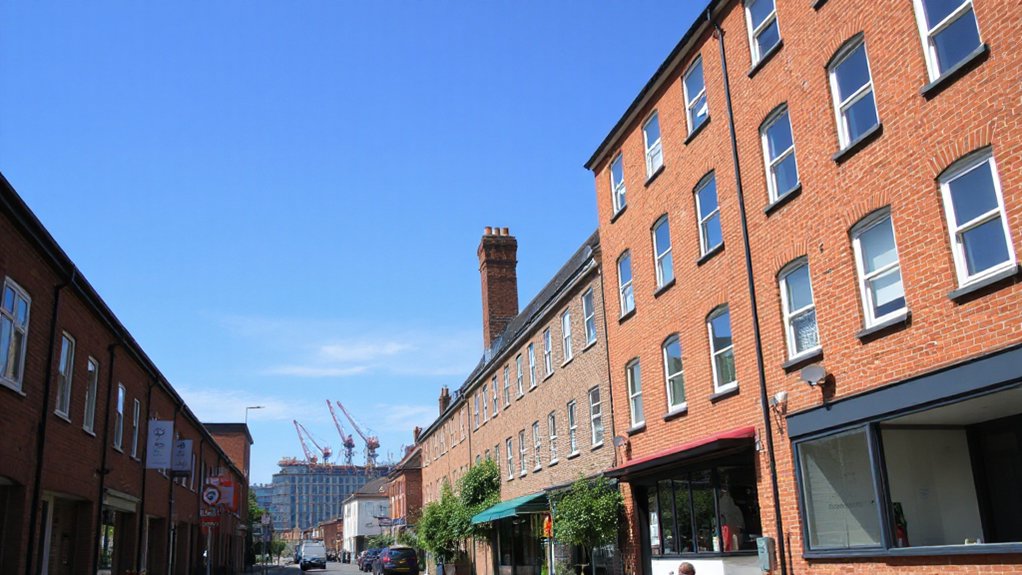
In Southampton’s current market, the key buyers are those prioritizing price stability and rental yield, not just immediate capital appreciation. You should target assets with steady rent-to-price ratios and resilient demand from renters central to employment hubs and universities.
Market trends show limited short-term volatility, with gradual price growth and strong rental occupancy in core areas, supporting predictable cash flow. If you’re pursuing property investment, focus on units near transport links, universities, and business parks, where tenant demand remains robust even during slower cycles.
Avoid overpaying in heatmaps of speculative hotspots; instead, model yield scenarios, consider refurb costs, and stress-test for rent declines.
To conclude, the prudent buyer seeks consistent returns, not flashy short-term gains.
Up-And-Coming Suburbs With Strong Transit Access
As transit access becomes a core driver of demand, several Southampton suburbs are emerging as practical targets for investors, thanks to reliable connectivity and improving amenity mix. You’ll notice Subtopic Trends showing steady ridership growth and shorter commute times, with mixed-use development shaping neighborhood identity.
Neighborhood Development accelerates as council plans expand cycling routes and new bus corridors, boosting daily appeal and rental resilience. Data points indicate consistent price pockets near transit nodes, supporting modest capitalization and lower vacancy.
Investor targets include districts with upcoming stations, diversified housing, and amenity clusters that sustain demand beyond peak hours.
- Transit-oriented growth aligns with documented Subtopic Trends and Neighborhood Development
- Higher transit accessibility correlates with rent stability and occupancy
- Mixed-use projects amplify long-term value
- Improved amenities attract diverse tenant profiles
Buy-to-Let in Southampton: Yields and Demand
With rising transit-oriented development shaping the Southampton market, rental demand now centers on properties near transport access and amenity clusters.
Buy-to-let yields in core urban corridors remain robust, supported by steady tenant flows from students, professionals, and short-term contractors.
Across recent quarters, gross yields in regenerated districts hover around 4.5% to 5.5%, with prime riverside pockets slightly higher due to limited supply.
Vacancy rates stay low, reflecting persistent rental demand, though seasonality affects turnover modestly.
In peripheral areas, yields compress to about 3.5% to 4.5% as prices rise faster than rents.
Demand concentrates on well-connected locations offering convenience, affordable entry points, and scalable asset management.
Investors benefit from stable rent growth, improving occupancy, and the resilience of multi-unit portfolios in mix-use zones.
Buy to let yields and rental demand align with Southampton’s growth trajectory.
Entry Points for First-Time Buyers in Southampton
You’ll want to map First-Time Buyer Paths in Southampton against current demand and loan options to gauge what works best.
We’ll compare Southampton Entry Costs across typical starter homes and help you identify where affordability aligns with neighborhood fundamentals.
Starter Home Locations should be assessed by price trends, transport access, and local amenities to frame practical entry points.
First-Time Buyer Paths
In Southampton, first-time buyers have multiple entry points that can reduce upfront costs and speed up ownership. You’ll find programs and options that target lower deposits, favorable mortgage terms, and selective incentives tied to growth areas and housing types.
Data shows higher uptake where lenders recognize stable income and community renewal, particularly near revitalized districts and transit nodes. You’ll also notice demand clusters around Luxury apartments and affordable flat shares, which often pair with starter home loans or shared ownership schemes.
Historic districts contribute value through long-term appreciation and rental demand, supporting portability of initial equity. Evaluate eligibility carefully, comparing loan products, required deposits, and any local grants before committing.
- Lower deposits with shared ownership or government-backed schemes
- Subsidized mortgage products linked to growth areas
- Access to affordable units in historic districts
- Market potential tied to luxury apartments as entry points
Southampton Entry Costs
Entry costs in Southampton hinge on a mix of deposit requirements, mortgage products, and local support schemes that target first-time buyers. You’ll see variability across lenders, with typical deposits ranging from 5% to 15% of purchase price, depending on credit profile and loan-to-value tolerance.
Government-backed schemes and regional initiatives can offset upfront costs, though eligibility changes with income and property price caps. Mortgage products vary in fixed versus variable rates, fees, and incentives, influencing monthly commitments and affordability thresholds.
When evaluating entry points, you should compare total upfront expenditure, including conveyancing, stamp duty, and potential subsidies.
In terms of market trends, prices show modest growth in outer wards and stability near transport hubs, affecting investment viability and your entry timing in Southampton’s property market.
Starter Home Locations
- Proximity to reliable transit corridors
- Balanced price growth versus upgrade potential
- Access to essential services and schools
- Proximity to historic districts and emerging amenities
Reading Southampton Listings and Sold Prices
Southampton listings show steady activity, with recent closings aligning closely to asking prices and average days on market trending downward. You’ll see a tight spread between list price and sale price, suggesting strong seller motivation and buyer competition in core neighborhoods.
When you track sold prices, you’ll notice value preservation in central locations and modest premiums for properties near transport links and amenities. Price per square foot remains stable across popular districts, indicating resilient demand despite seasonal shifts.
For property investment, the data points to consistent yields in mid-range homes, with upside tied to improving rental demand and planned local developments. Market trends remain favorable for selective buyers, emphasizing careful due diligence on condition, pricing strategy, and neighborhood dynamics.
Financing and Taxes for Southampton Buyers

Securing financing and understanding taxes are essential steps for Southampton buyers, with loan types, rates, and reliefs shaping total costs. You’ll compare Property valuation factors, such as location, size, and condition, against mortgage options like fixed, variable, and interest-only plans.
Tax considerations include stamp duty, potentially reliefs, and annual charges that affect affordability and long-term planning. You should model scenarios using current rate ranges and loan-to-value limits to estimate monthly payments and total interest.
Data shows modest rate dispersion across lenders, with major banks offering similar terms but differing fees. Optimize your structure by aligning loan type with holding period and cash flow needs, then reassess as market values shift.
- Property valuation influences loan terms and affordability
- Mortgage options affect monthly payments and total cost
- Rates, fees, and LTV caps vary by lender
- Tax reliefs and duties shape overall affordability
Three Budget-Friendly Buyer Journeys in Southampton
You can start with a practical path by pairing budget targets with property types and financing options seen in Southampton. In this trio of journeys, you’ll prioritize value milestones over speculation, using data on price per square foot and neighborhood yields to guide choices.
Journey one targets entry-level flats in up-and-coming zones with efficient layouts and low maintenance, highlighting affordable financing options and potential appreciation.
Journey two shifts toward compact units in historic districts, balancing charm with compact footprints and monthly outlays.
Journey three assesses well-located, mid-range homes near transit, prioritizing predictable service charges and rental compatibility.
Across all paths, evaluate long-term costs, resale windows, and market volatility.
Note references to Luxury apartments are considered secondary within budget-conscious selections, while historic districts provide strategic aesthetics and value.
Plan Your Next Move in the Southampton Property Market
Are you ready to plan your next move in the Southampton property market with a clear, data-driven approach? You’ll base decisions on Historical property trends, current supply, and price trajectories rather than anecdotes.
Focus on neighborhoods with consistent demand, measurable level-ups in infrastructure, and resale performance in Luxury real estate segments. Compare year-over-year price per square foot, days on market, and loan-to-value ratios to forecast risk and upside.
Align your budget with projected rent and appreciation to optimize returns. Stay disciplined, diversify property types, and time entry around seasonal patterns and policy shifts.
- Track Historical property trends to set realistic expectations
- Compare Luxury real estate segments for risk-adjusted returns
- Monitor days on market and price momentum as entry signals
- Align financing with forecasted income and appreciation
Frequently Asked Questions
How Do Brexit-Era Price Changes Affect Southampton Long-Term Value?
Brexit-era price changes complicate your view of Southampton’s long-term value: market stability remains cautious, with gradual growth, but price fluctuation persists amid policy shifts. You should monitor demand, affordability, and interest rates to assess future prospects.
What Impact Will New Zoning Have on Waterfront Land Use?
Waterfront zoning will reshuffle land use, shaping density and mix. You’ll see tighter controls and clearer classifications under land use policies, guiding redevelopment, protecting views, and aligning investment with municipal goals while preserving environmental and economic value.
Which Hidden Gems Outside Core Neighborhoods Show Value Today?
Hidden gems outside core neighborhoods offer value today: consider affordable neighborhoods with steady rent demand and rising yields. You’ll find investment hotspots through data signals, market momentum, and inventory turnover guiding you toward practical, scalable opportunities.
How Do School Catchments Influence Property Demand Cycles?
School zoning shapes demand cycles; catchment effects drive buyer preference, especially around top-rated schools. You’ll notice price bumps near preferred catchments, then stabilization as zoning updates occur, guiding your decisions with measurable metrics and trend data.
What Are Upcoming Infrastructure Projects That Could Shift Valuations?
Rail upgrades, new stations, and expanded bus routes are planned, likely boosting valuations. You’ll notice faster commutes, more reliable public transport, and added green spaces near stations—driving demand as residents seek walkable, connected neighborhoods.
Conclusion
You’re looking at a market that’s charted by price waves, demand pockets, and solid rental yields. Waterfront values rise with redevelopment timing; growing neighborhoods cluster near transit and amenities; and affordable submarkets offer entry points with reasonable risk. Buyer decisions should hinge on recent sold-price momentum, yield forecasts, and financing options. Think of the market as a measured river—steadily moving, with opportunities at bends. Target highest-perimeter growth zones, verify data, and move when your numbers align.