


Luton offers affordable entry points with solid yields and steady demand, driven by price bands below national norms, modest deposits, and resilient commuter demand. Value concentrates in wallet-friendly zones, aided by strong transport links, regeneration, and transport-led growth around rail hubs and interchanges. Expect quarterly price momentum and inventory shifts to guide entry timing, with phased bets and data-driven bids. Watch how public/developer-led projects lift walkable cores and rents; more insights await as you explore further.
Key Takeaways
- Luton remains more affordable than regional hubs, with lower entry prices and modest deposits supporting steady demand and yields.
- Entry-level segments offer steady rental yields and modest capital growth, while mid-range and high-end pockets require longer horizons for normalization.
- Proximity to rail hubs, major roads, and walkable centers drives price momentum and faster turnover in affordable areas.
- Regeneration and transport-focused developments around stations boost value, density, and long-term demand in surrounding districts.
- Monitor weekly market indicators, loan costs, and inventory shifts to time bids, renovations, and financing before rate volatility rises.
What Makes Luton Affordable Now: Key Prices, Deposits, and Yields

Luton remains affordable relative to many regional hubs, driven by lower entry costs and growing rental demand. You’ll see average entry prices sitting below national norms, with modest deposits stabilizing cash-flow for first-time buyers and investors alike.
Yields stay attractive in high-demand pockets, supported by quick transport links and consistent tenant appetite. Local amenities anchor value, from shopping and parks to schools, while developers push mixed-use schemes that balance cost with rental appeal.
Market momentum reflects steady price dispersion, where affordability drives demand in entry-level segments and yields compress as yields normalize across districts. Cultural influences shape rental choices, drawing tenants toward familiar venues and multicultural services that bolster occupancy stability.
In this context, Luton’s price discipline complements predictable deposits and resilient yields.
Where to Get Value: The Wallet-Friendly Areas by Price Band
You’ll find value by price band, not just location, as affordability patterns tighten where supply meets demand. In Luton’s market, price bands reveal distinct value curves: entry-level segments offer steady rental yields despite modest capital growth, while mid-range tiers balance upside with lower vacancy risk.
High-end pockets—including luxury apartments—reward location density and amenities but require patience for yield normalization. Across price bands, demand remains resilient from commuters and students, compressing spreads between gross yield and net returns.
Historical landmarks in value-rich zones attract rental premium, boosting occupancy. Track recent unit absorption, price-per-square-foot shifts, and time-on-market trends to confirm momentum.
With careful segmentation, you identify pockets where upgrade potential aligns with affordability, enabling tailored portfolios across luxury apartments and traditional, historical landmarks.
How Luton’s Developments Could Lift Value in the Next 12 Months
Transit-driven growth could push demand higher as new routes and faster commutes cut travel times, boosting turnover potential for rentals and resale.
Infrastructure upgrades in key corridors are likely to lift property valuations by signaling long-term value and attracting investment, with measurable picks in cap rates and price per square foot.
You’ll want to track monthly transit usage, project completions, and council milestones to gauge momentum and refine pricing or bidding strategies.
Transit-Driven Growth Prospects
Transit assets are set to catalyze value as major upgrades streamline commuter connectivity and release faster access to Heathrow, London, and regional hubs. You’ll see price momentum rise where rail and bus corridors knit together housing, offices, and amenities.
Data signals show increasing demand along key corridors, with walkable stations boosting micro-market activity and turnover. Urban renewal initiatives around station precincts are likely to lift rent resilience and attract younger professionals seeking efficient commutes.
Cultural diversity remains a magnet for innovative businesses and lifestyle amenities, reinforcing demand for well‑located stock. Over the next 12 months, proximity to upgraded hubs should compress cap rates in prime pockets while sustaining growth in secondary zones tied to evolving transit nodes.
Stay focused on liquidity, occupancy trends, and price dispersion near new stations.
Infrastructure Boost Impact
Infrastructure upgrades in Luton are poised to lift value over the next 12 months as new transport and utilities open faster, more reliable connectivity for riders and commuters. You’ll see the impact in cap rates and sale velocity as urban renewal accelerates around station hubs and ancillary corridors.
Data indicates improved service frequency and reduced congestion correlate with higher residential demand in nearby pockets, with institutional investment targeting mixed-use projects that blend homes, offices, and retail.
Community engagement programs shape perception, boosting willingness to pay a premium for urban amenities. Analysts forecast incremental price growth within transit-oriented development zones, while core markets gain resilience from diversified infrastructure flows.
If projects hit milestones on schedule, you should expect broadened buyer interest and steadier rent growth in the next year.
How Connectivity Fuels Value: Rail, Roads, and Commute Time
Connectivity is a primary driver of value in Luton’s property market: homes within easy reach of rail hubs, major roads, and reliable commute times command higher prices and faster demand.
You’ll see a clear pattern in the data: properties with shorter rail and road commutes maintain stronger price growth and higher turnover. Historical trends show steady premium spacing for stations and arterial corridors, while demographic shifts fuel demand concentration near affordable, accessible clusters.
Market-on-market analysis reveals tighter supply around interchanges, translating to accelerated bidding and higher cap rates in conversion prospects. Travel-time reliability consistently correlates with price resilience during economic cycles.
In short, accessible infrastructure anchors value, signaling buyers to prioritize proximity to major transit nodes and commuter-friendly routes.
Regeneration Projects That Boost Property Upside in Luton
Regeneration efforts are translating into measurable gains across wards, with data showing clustered uplift around project corridors and mixed-use hubs.
Upgrades to transport links—bus, rail, and road connectivity—are accelerating value by shortening commute times and widening catchment areas for yields.
Timelines and phased delivery matter, as earlier milestones often precede price momentum, while later phases sustain long‑term growth.
Regeneration Impact On Wards
Wards in Luton are poised to benefit from targeted regeneration, with projects designed to unseal housing supply, boost local amenities, and attract private investment. You’ll see urban renewal drive density, diversify housing types, and sharpen market signals for buyers and renters.
Data shows higher-footfall precincts correlate with price stability and faster turnover in regenerated zones. Community engagement shapes priorities, aligning projects with resident needs and long-term value creation.
- Aesthetic upgrades converting underused spaces into mixed-use hubs
- New parks, walkways, and retail clusters boosting daily footfall
- Modernized transport-adjacent corridors attracting investment
- Local partnerships driving affordable housing and job opportunities
These trends indicate resilient gains, with wards translating regeneration into measurable upside for property, while maintaining social cohesion and market momentum.
Transport Links Upgrades
You’ll see measurable gains in rental yields and resale pace as connectivity improves, supported by data on time savings and onward mobility.
Market trends point to denser investment around stations and bus hubs, where footfall translates into higher occupancy rates and pricing power.
Historical architecture near regenerated corridors adds intrinsic value, offering character alongside modern accessibility.
Local amenities cluster near improved corridors, enhancing livability and demand consistency across price bands.
Regeneration Timelines And Phases
Crossing from strong transport-led gains, regeneration timelines in Luton are shaping the timing and magnitude of property upside. You’ll see phased development driving demand cycles, with public spending aligning to private investment and planning confidence.
- Lincoln Square-style precincts expanding mid-market housing to attract renters and owner-occupiers.
- Station improvements accelerating walkable cores, lifting adjacent values in hourly-resident logs.
- Mixed-use hubs delivering retail, offices, and leisure that compound tenancy stability.
- Infrastructure-led zones releasing value with tax incentives and targeted incentives.
These timelines affect Property taxation and Investment strategies, directing where capex lands first and how quickly returns materialize. You’ll need data on completion horizons, occupancy ramps, and policy milestones to calibrate risk, optimize leverage, and time entry as markets tighten or loosen.
Family-Friendly Pockets With Space and Strong Schools
Family-friendly pockets in Luton are expanding as families seek space and top-rated schools, with data showing steady demand for homes that offer larger gardens and quieter streets within commuting reach.
You’ll notice pricing stabilizing in suburbs with good catchment areas, while property turnover remains active as buyers prioritize school proximity and walkable routes.
Market signals point to continued strength in areas delivering strong primary and secondary outcomes, supported by growing community diversity and robust local amenities.
Buyer interest concentrates on homes with adaptable layouts, driveway space, and noise-mitigating boundaries.
Developers respond with family-focused schemes near green space and reputable institutes, reinforcing long-term value.
For investors, demographic-influenced demand signals durability in these family pockets, even as broader affordability tightens.
Where Rental Demand Is Strongest in Luton
You’ll want to focus on areas with high demand, where rents are strongest and vacancy rates remain tight.
Across Luton, renters consistently favor neighborhoods with solid transport links, quality amenities, and growing local services, signaling shifting demand toward emerging hotspots.
This trend—driven by commuter appeal and affordability dynamics—points to where rental pressure is heading next.
Areas With High Demand
Are you wondering where rental demand is the strongest in Luton right now? You’ll notice patterns across key districts driven by price, occupancy, and turnover. This area is data-driven, with demand concentrated where tenants value efficiency and lifestyle perks, not just proximity.
1) In central pockets, rental velocity stays high as new flats mix with restored historical architecture, boosting appeal.
2) Uni-adjacent zones show persistent pickup, supported by amenities and short commutes, sustaining occupancy.
3) Transit-rich corridors attract renters seeking streamlined journeys, translating to tighter vacancy rates.
4) Areas with curated luxury amenities elevate value, drawing professionals who trade space for quality and convenience.
Renters’ Preferred Neighborhoods
Ruton’s strongest rental demand centers on neighborhoods that balance price, accessibility, and lifestyle. You’ll notice demand concentrates where transit links shorten commutes, local amenities cluster, and unit sizes fit typical renter budgets.
In current data, areas near Luton town center and key green corridors command premium rents, while peripheral zones with solid transport access offer steady occupancy and modest yields.
Tenant preference now leans toward flexible leases, well-maintained interiors, and predictable outgoings.
Market signals show occupancy stability despite modest price pressures in mid-range streets, underscoring resilience in supply-demand dynamics.
Property taxation and rental legislation shape these choices by influencing net returns and compliance costs, reinforcing the need for proactive budgeting.
Stay aligned with policy shifts to forecast rental trajectories and adjust investment assumptions accordingly.
Emerging Rental Hotspots
Market signals show steady rental yields in these pockets, driven by young professionals and families seeking efficiency with character. Look for pockets near heritage streets that have upgraded services, blending historic architecture with contemporary interiors.
Luxury amenities and accessible green spaces are differentiators, not afterthoughts, shaping higher occupancy and faster renewal rates.
- Transit hubs paired with refreshed historic architecture
- New builds near preserved high-street cores
- Amenity-rich courtyards, gyms, and co-working spaces
- Parks, riverside paths, and cultural venues nearby
Reading the Market: Price Trends, Timing, and Entry Points
Market readings show a clear, data-driven path for Luton property: price trends have cooled modestly in recent quarters, yet demand remains resilient in urban cores and commuter belts. You’ll notice market fluctuations hinge on local jobs, transport links, and school catchments, shaping timing decisions.
Data indicates a window where inventory tightens slightly but buyer competition stays steady in preferred zones, suggesting opportunities for phased entry or layered price offers.
If you’re approaching from an investor stance, map entry points to quarterly micro-trends, not yearly swings, and favor assets with rental upside, stable occupancy, and clear exit routes.
Your investment strategies should align with affordability bands, risk tolerance, and measured hold periods, balancing upfront costs with projected cash flow and growth trajectories.
Flats vs Houses in Luton: What’s Truly Affordable?
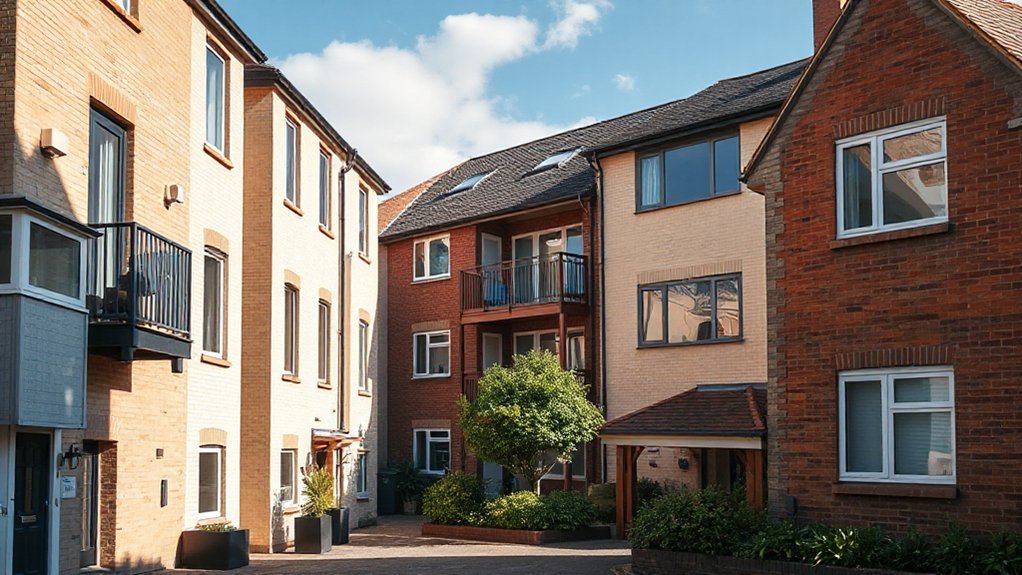
In Luton, flats typically offer lower upfront costs and stronger affordability compared to houses, but you’ll trade space and long-term appreciation for higher monthly outlays and potentially tighter rental yields.
Data shows growing demand for compact living near transport hubs, with flats outperforming on yield in recent quarters. Here’s how the choice breaks down:
- Upfront vs long-term: lower deposits for flats, longer-term equity growth favoring houses.
- Monthly costs: flats often cheaper per month but higher management fees can offset savings.
- Space and layout: houses deliver room to expand, flats emphasize efficiency and smart design.
- Lifestyle cues: luxury amenities and historic architecture influence premium pockets within both segments.
Across the market, affordability is nuanced by location, with trend hotspots clustering around transport links and heritage streets.
Financing Clues: Mortgages, Deposits, and Help for Luton Buyers
Securing a mortgage in Luton hinges on your down payment size, credit profile, and the latest lender appetites, with trends showing more options for smaller deposits and faster decisioning in 2026. You’ll see lenders broadening criteria, reflecting a data-driven shift toward staged borrowing and product diversification.
Deposits remain a key hurdle, but government-backed schemes and regional lenders are nudging approval rates upward, particularly for first-time buyers aiming at commuter-friendly suburbs near historic architecture.
Rates have stabilized in mid-cycle ranges, though product fees vary by lender and loan-to-value. If you target properties with luxury amenities, you’ll need to model higher monthly costs against income, ensuring you meet affordability metrics.
Guidance underscores transparency, with lenders favoring documented income, stable employment, and clear use of funds.
Risks in the Current Cycle and How to Mitigate Them
Despite promising momentum, the current cycle carries notable risks you should monitor, including rate volatility, credit tightening, and regional price softening, all of which can bite into affordability and loan access. Market volatility and interest rate fluctuations shape loan costs and demand, so you’ll want to track data trends weekly.
You’ll see tighter lending standards emerge as banks recalibrate risk exposure.
Price corrections may occur in peripheral zones, shifting buyer confidence.
Mortgage spreads can widen during stress periods, affecting affordability calculations.
Recovery timelines hinge on macro signals like inflation cooling and wage growth.
Staying informed helps you adjust bids, affordability models, and timelines, reducing surprises as the cycle evolves.
How to Research Before You Buy in Luton’s Affordable Zones
To research before you buy in Luton’s affordable zones, start with the numbers that matter: recent price trajectories, rent yields, and weekly market indicators. You’ll compare trajectories across neighborhoods, noting where prices plateau or accelerate.
Calculate gross yield by annual rent over purchase price, and track week-to-week shifts to spot momentum or fatigue. Monitor vacancy rates, new builds, and planning activity to gauge supply risk.
Scrutinize property taxes and ongoing costs to model true cash flow, factoring service charges and insurance. Consider legal considerations like leasehold vs freehold, and any local zoning or licensing rules affecting rentals.
Synthesize data into a dashboard highlighting value corridors, risk-adjusted returns, and exit scenarios to inform disciplined bids and timing.
A Practical 12-Month Roadmap for Value and Growth
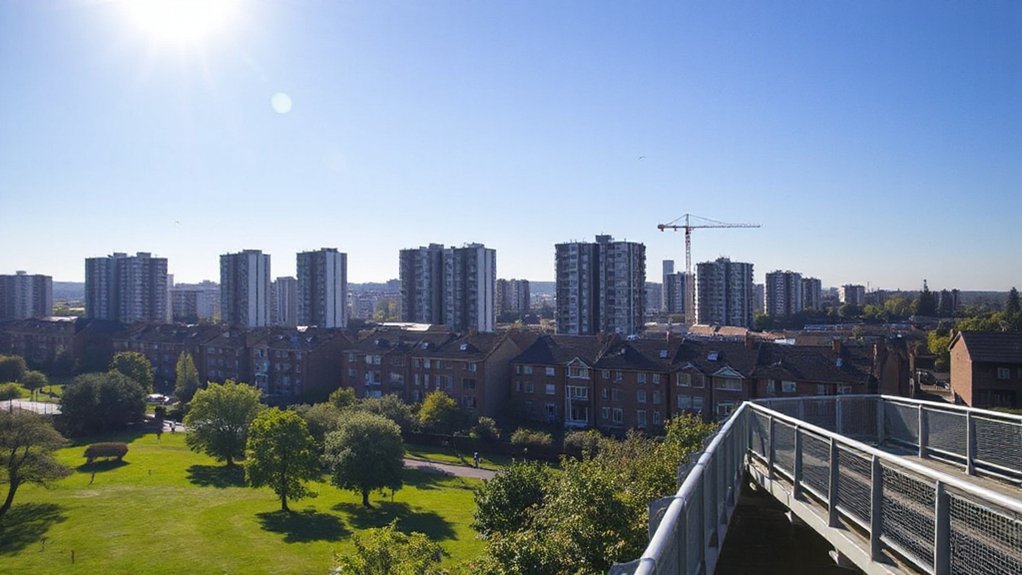
- Map price momentum against inventory shifts to identify underpriced neighborhoods.
- Schedule quarterly revaluations, stress-testing rent to mortgage ratios.
- Align renovations with price tiers that maximize return within Local cuisine hubs.
- Lock in financing windows before rate volatility tightens.
Frequently Asked Questions
How Do Macroeconomic Shifts Impact Luton’s Affordability Trajectory?
Macroeconomic shifts shape Luton’s housing affordability via demand-supply dynamics, inflation, and wage trends, impacting you directly; expect fluctuations in affordability as you monitor economic resilience, interest rates, and market signals, guiding decisions on housing affordability and investment.
Which Submarkets Ignore Typical Price Cycles in Luton?
Satirically, you’ll notice submarkets that ignore price cycles in Luton: those with price stability and market resilience, where you ride long-term trends, not short-term noise, as data-driven signals show steadier demand despite macro shifts.
What’s the Best Exit Strategy for Buy-To-Let in Luton?
Your best exit strategy for buy-to-let in Luton centers on proactive property management and tenant retention, maximizing yield while preserving capital. You’ll track data, optimize rents, renew leases, and reduce vacancy to sustain long-term profitability.
How Do Landlord Taxes Alter Luton Investment Returns?
Landlord taxation reduces net returns, so you’ll adjust rental yield analysis accordingly; higher stamp duties and mortgage interest relief changes shift cash flow, trend-wise, guiding you to target markets with stronger gross yield and lower tax drag.
Which Emerging Micro-Areas Show Early Value Signals in Luton?
You’ll spot emerging micro-areas with early value signals, as micro area development accelerates and neighborhood revitalization gains traction, signaling upward momentum, informed by data trends, zoning shifts, and investment inflows shaping Luton’s next growth corridors.
Conclusion
Luton’s affordability isn’t accidental—it’s data, not daylight savings. Prices pulse, yields wobble, and pockets stay pocket-friendly if you read the tape: rail upgrades, regeneration dollars, and multi-year demand drivers. If you want growth, watch the value bands where deposits stay realistic, and connectivity shortens commute times. Yes, risk remains, but the numbers favor patient buyers who map mortgage options, scrutinize local schemes, and time buys to next year’s development headlines. Invest smart, not dusty.