
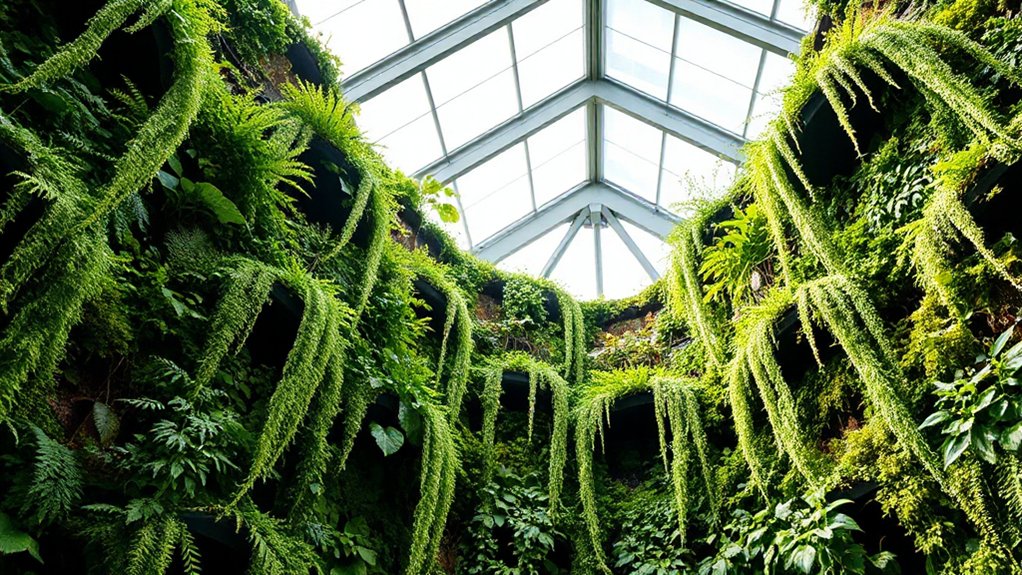

To create a durable, modular vertical garden, choose a system that fits your wall, sun exposure, and maintenance plan. Prioritize weather-ready materials, secure irrigation, leak containment, and scalable layouts. Match plants to light and moisture needs, favor compact or trailing varieties, and group species with similar watering rhythms. Design for small spaces with clear pathways, focal points, and visual rhythm. Maintain regularly, watch for pests, and adjust as needed—plus, you’ll gain access to ongoing tips as you continue.
Key Takeaways
- Choose a modular, durable vertical garden system with secure irrigation and leak containment for easy installation and future reconfiguration.
- Match wall height, weight capacity, sunlight, and climate to your plant choices and system specifications.
- Select plants with similar light and irrigation needs, prioritizing compact or trailing varieties for efficient watering.
- Plan for scalable maintenance: regular checks, pest management, pruning, and moisture monitoring to sustain health.
- Follow a clear, step-by-step installation process with defined milestones for a safe, visually appealing result.
Choose the Right Vertical Garden System: Criteria That Matter
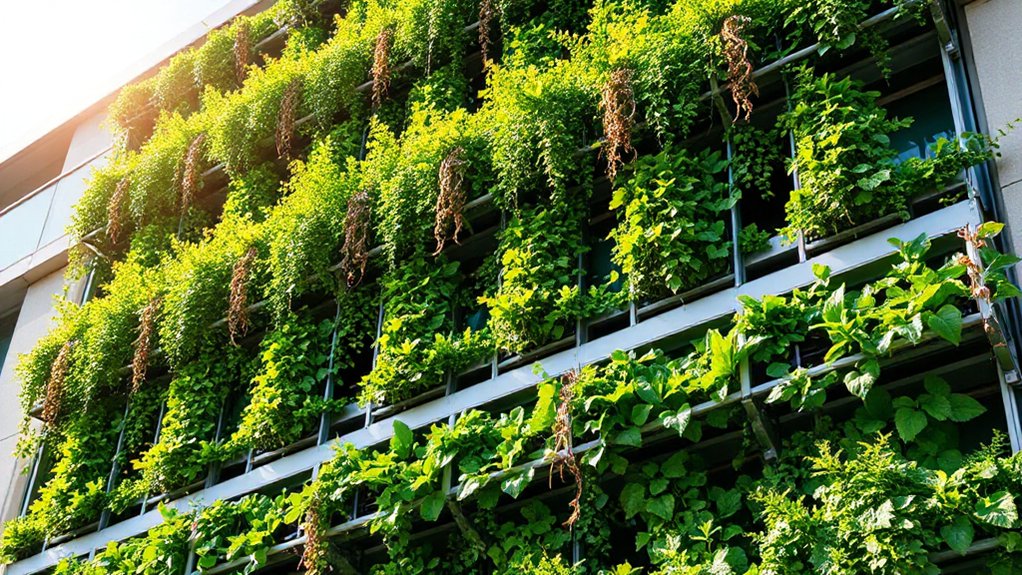
Choosing the right vertical garden system starts with understanding your space, goals, and constraints. You’ll evaluate mounting options, material quality, and ease of maintenance to guarantee real compatibility with your environment.
Prioritize vertical planting that fits your wall or stand height, weight, and available sunlight, so plants receive appropriate support without overloading the structure.
Consider system durability, choosing components designed for outdoor exposure or humidity, and verify warranties and replacement parts.
Simplicity matters: modular designs speed installation and future reconfiguration.
Seek secure irrigation integration, leak containment, and water efficiency features to minimize waste.
Assess aesthetic fit with your space and budget, ensuring you’ll apply safe, durable finishes.
Informed choices reduce future repairs and support consistent growth.
Which Plants Thrive in Vertical Gardens: Light, Water, and Air Needs
Plants that do well in vertical gardens share similar light, water, and air needs. In practice, you’ll choose plants with compatible growth conditions to prevent constant adjustments.
Favor compact varieties or trailing species that appreciate steady moisture and good drainage. For light, match sun exposure to species tolerance: full sun for sturdy succulents, bright indirect for ferns and pothos, or partial shade for mosses and ivy.
Water needs vary; select plants with similar irrigation rhythms to minimize watering complexity.
Air circulation matters, so avoid dense, crowding placements that trap humidity and pests.
When planning, focus on plant selection that thrives in your climate and container setup. This alignment streamlines maintenance and supports reliable growth conditions across your vertical display.
Maximize Light and Irrigation for Tiny Walls: Practical Setups
If you want tiny walls to thrive, start by aligning light and irrigation to the plants’ needs and your setup. You’ll maximize growth by matching sun exposure to each species and using drip or capillary irrigation for consistent moisture without waste.
Zone your wall so sun-loving varieties receive longer light, while shade-tolerant ones get brief, steady exposure. Pair this with a simple reservoir, a reliable drip emitter, and a pressure regulator to prevent overwatering.
Use a timer for predictable cycles, and monitor soil or substrate moisture to refine rhythms.
Emphasize vertical wall aesthetics by choosing plant forms that stack well and contrast textures. Stay aligned with urban gardening trends by prioritizing water efficiency, reusable components, and modular setups you can expand as space evolves.
Design for Small Spaces: Layout, Color, and Focal Points
Start with layout balance to prevent crowding and guide eye movement, using vertical tiers that echo the wall’s natural lines.
Choose a cohesive color palette that adds depth without overwhelming.
And place a clear focal point to anchor the arrangement.
Keep the rhythm simple—vary texture and height around the focal point to create interest without clutter.
Layout Balance
Layout balance matters most when space is tight: a well-balanced design guides the eye, makes the area feel larger, and guarantees every plant plays a precise role. You achieve this by plotting a clear hierarchy: focal plants at eye level, supporting textures beneath, and vertical anchors to frame the view.
Prioritize symmetry or intentional asymmetry to suit your space, then align pot sizes and plant heights to create a readable rhythm. Leave breathing room for pathways or open panels that prevent crowding, ensuring airflow and light reach every specimen.
Consider vertical garden aesthetics in your layouts, using recurring shapes and repeating color accents to unify the display. Maintain plant health optimization by grouping compatible species, regulating irrigation, and avoiding competing root zones for vigor.
Color Harmony
Color harmony in a vertical garden ties the whole display together, guiding the eye and making small spaces feel cohesive. You choose color schemes that reflect lightness and depth, balancing foreground plants with background foliage to avoid visual clutter.
Start with a dominant hue and support it with two accents that complement or gently contrast. Use contrasting hues sparingly to avoid jarring patches; instead, let subtle shifts travel vertically, creating rhythm from top to bottom.
Consider foliage texture as part of the color story—glossy leaves can brighten, while matte finishes absorb glare. Keep containers and trellises in a related palette to unify varied plant forms.
Test combinations at different times of day to confirm consistent impact, then document proven pairings for future updates.
Focal Points
Focal points anchor the viewer’s eye in a compact vertical garden, guiding attention through layers of height and texture. You’ll use deliberate placements to establish a clear visual hierarchy, so a single accent pops without shouting. Begin with a strong focal plant at eye level, then retreating textures and colors create depth.
Avoid clutter by grouping elements in threes and balancing weights across the layout. Consider texture contrast, leaf shape, and light exposure to reinforce focus areas, not dilute them. Maintain consistency in pot finishes and plant scale to preserve cohesion.
Fine-tune with seasonal changes to keep the focal rhythm intact throughout the year.
- A bold, dominant specimen draws the initial glance and anchors the scene
- Supporting textures enhance contrast without competing for attention
- Repeated color cues guide the eye along the vertical plane
- Seasonal shifts refresh the visual hierarchy and focal rhythm
Maintenance, Pests, and Troubleshooting: Common Issues and Fixes
Even with a well-designed vertical garden, you’ll encounter maintenance, pests, and common troubleshooting issues that can affect performance; addressing them promptly keeps plants healthy and the display looking sharp.
Start with regular checks for watering balance, drainage, and light exposure, adjusting as needed to prevent stress.
Pest prevention is easier than cure, so inspect leaves for early signs and remove affected tissue before spread. If pests appear, use targeted, label-safe treatments and isolate affected modules to stop contagion.
Troubleshooting techniques include ensuring irrigation lines aren’t clogging, media aren’t compacted, and supports remain secure.
Prune weak growth to improve air circulation and reduce disease risk.
Keep a simple log of issues and fixes to anticipate patterns and refine your maintenance routine.
Budget, Materials, and Step-by-Step Installation Tips
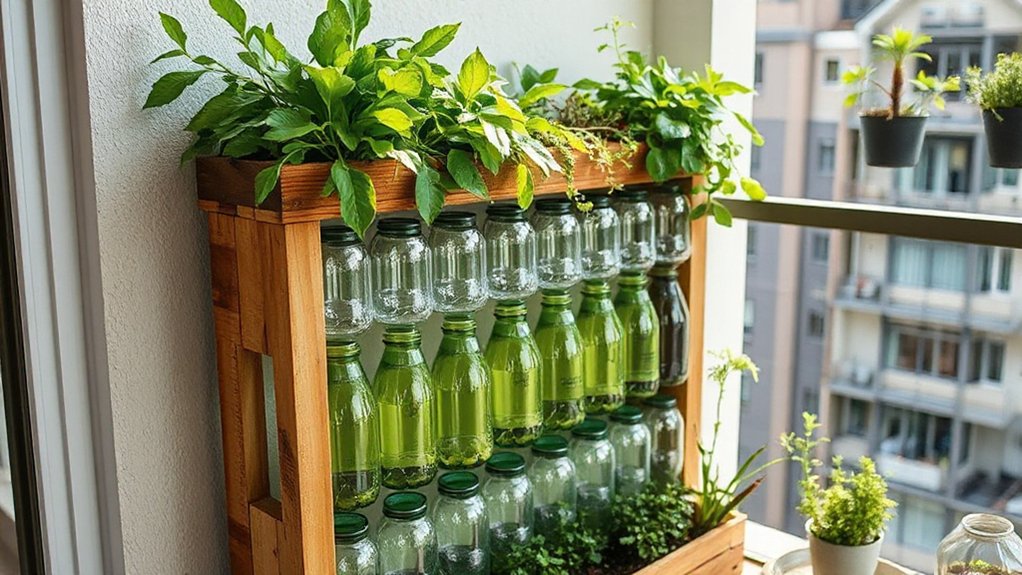
With maintenance in mind, you’ll want a plan that keeps costs predictable while delivering reliable performance. For budget-conscious setup, choose a lightweight frame and recycled containers to minimize expense without compromising strength. Materials should be durable, weather-ready, and easy to substitute if a component wears.
Prioritize modular components for future updates and quick repairs, aligning with DIY craftsmanship and urban sustainability goals. Plan drainage, irrigation, and accessibility to reduce maintenance time and water waste.
Compare prices, factor in soil blends, and select plants suited to your light levels. Follow a step-by-step installation: frame, mounting, then planter, irrigation, and planting. Test, adjust, and document for future improvements, keeping the project lean yet effective.
- Cost-effective, modular choices that empower you
- Recycled materials delivering sturdy, attractive results
- Simple irrigation that saves water and time
- Clear, scalable steps for steady, satisfying progress
Frequently Asked Questions
How Do Vertical Gardens Affect Indoor Air Quality Long-Term?
Vertical gardens improve long-term indoor air quality by increasing airflow and surface area for pollutant absorption; they can support air purification via plant processes, while cautious maintenance prevents mold. You’ll notice reduced pollutants with consistent care and monitoring.
What Safety Measures Prevent Wall Damage From Watering?
Yes—use wall reinforcement and manage watering frequency to prevent wall damage. Secure mounts, use drip trays, and monitor moisture. Check seals regularly, space roots away from plaster, and favor lightweight substrates for safer, durable vertical installations.
Can Vertical Gardens Be Grown Without Soil or in Hydroponics?
Yes, you can: hydroponic setups and soil-free gardening work. It’s practical and neat, like clockwork. You’ll monitor nutrients, water, and pH closely, ensuring healthy growth without soil, while avoiding leaks and root rot in vertical systems.
Which Irrigation Systems Minimize Mold and Mildew Growth?
Drip irrigation and misting systems minimize mold and mildew by delivering steady, controlled moisture without waterlogging. You should install precision emitters, monitor humidity, guarantee good airflow, and clean filters regularly to maintain a dry, healthy root zone.
How to Select Plants for Extreme Temperature Fluctuations?
You should select plants with strong temperature tolerance and solid plant hardiness for extreme fluctuations, prioritizing species labeled for wide zones; pair hardy, adaptable varieties with protective microclimates and seasonal adjustments to maintain performance and resilience.
Conclusion
You’ve got the framework to turn tiny walls into lush, usable space. Pick a system that fits your light and water needs, choose plants that thrive together, and tailor layout to your wall’s personality. Regular checks keep pests away and irrigation precise, so maintenance feels effortless, not tedious. Think of your vertical garden as a green, living canvas—ever adaptable, quietly rewarding, and capable of transforming confinement into a thriving, invigorating focal point. Your wall is waiting.