


Choosing an estate agent starting with your priority: highest price, fastest sale, or the most certain, low-risk outcome. Ask for proof, not promises—recent comparable sales from the last 3–6 months, asking-versus-sold results, offer volume, and fall-through rates. Expect a realistic valuation with clear assumptions, plus a written marketing plan covering portals, photography, floorplans, and reporting. Check fees, VAT, tie-in periods, exit clauses, and weekly communication standards. Keep going to see how to compare agents confidently.
Key Takeaways
- Clarify your priority—highest price, fastest sale, or lowest risk—and choose an agent whose strategy matches that outcome.
- Ask for proof of recent comparable sales and verify accuracy using Land Registry data and independent testimonials.
- Assess valuation realism: it should be justified by sold comparables, market trends, and clear assumptions, not optimistic guesswork.
- Review the marketing plan: photography, floorplans, portal visibility, social media reach, viewing strategy, and measurable reporting.
- Scrutinise contract terms: fees, VAT, add-ons, tie-in periods, exclusivity limits, exit clauses, and expected communication standards in writing.
What Matters Most: Price, Speed, or Certainty?
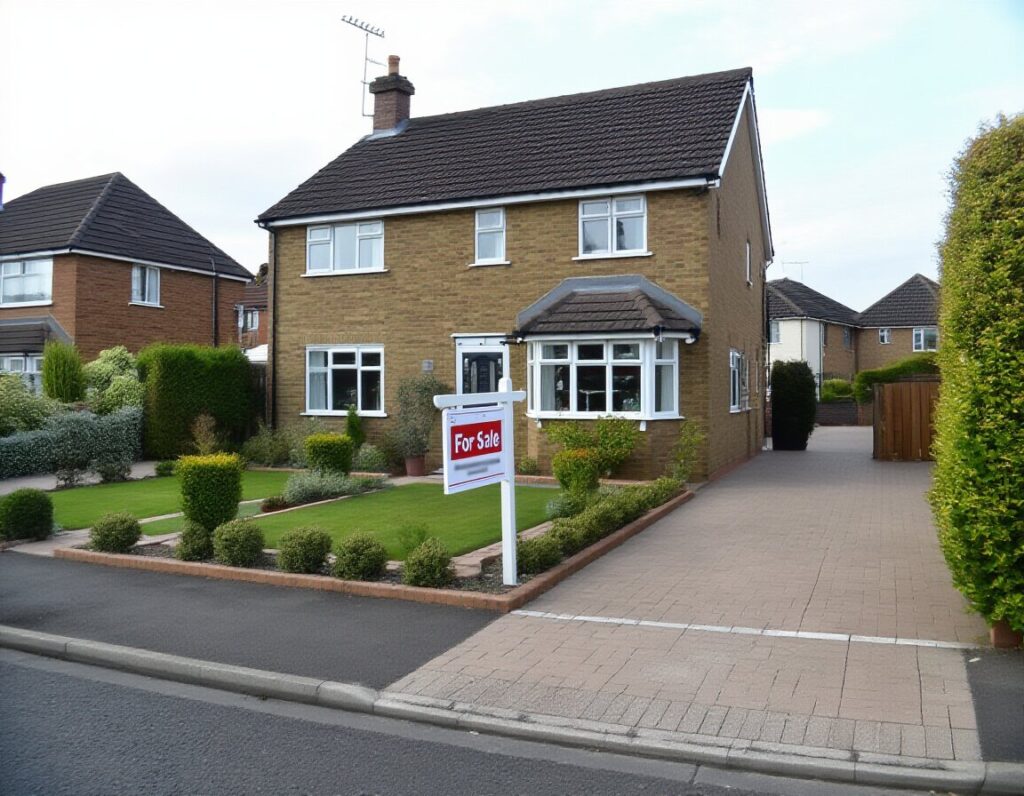
Before you choose an estate agent, decide what you’re optimising for: the highest achievable price, the quickest sale, or the most certain outcome.
If you want maximum price, you’ll need an agent who can justify strong Pricing strategies, position your home to attract competitive demand, and manage offers firmly without overreaching.
If speed matters, you’ll prioritise fast launch prep, responsive buyer follow-up, and realistic pricing that protects momentum.
If certainty is your focus, you’ll value risk control: qualified buyers, clear communication, and a dependable process through to completion.
You should also weigh culture and accountability—do they keep you informed, document advice, and act in your best interests?
Client testimonials can signal how consistently they deliver on the outcome you’re choosing.
How to Compare Local Estate Agents (Proof to Ask For)
To compare local estate agents confidently, you need proof, not promises. Ask for recent sale evidence on homes like yours, plus clear data on their marketing reach and buyer enquiry levels.
Then confirm their fees and contract terms in writing so you can compare like for like and avoid surprises.
Recent Sale Evidence
How do you know an estate agent can actually deliver the price and timescale they promise? Ask for recent, local sale evidence, not opinions. Request a shortlist of comparable homes they’ve sold in the last 3–6 months, with listing dates, agreed dates, and completion dates (where available).
Compare the original asking price to the final sold price to test their property pricing accuracy and negotiation strength.
You should also ask how many offers each property received, how often sales fell through, and what they did to keep chains together—without breaching confidentiality.
Cross-check the agent’s claims against Land Registry data where possible, and read client testimonials that mention achieved price, speed, and communication.
If they can’t evidence outcomes, don’t accept promises.
Marketing Reach Proof
Where will your listing actually be seen, and by which buyers? Ask each agent to show evidence of their marketing reach, not just promises. Request examples of live listings across the major portals, their own website visibility, and social media performance (impressions, clicks, enquiries).
Check their market presence by reviewing how often their boards appear locally and how consistently they feature in relevant search results.
You should also ask for a sample buyer database report, including the number of active applicants, match rates, and how they track engagement.
Request a recent marketing plan for a similar property and confirm what was done, when, and what response it generated.
Finally, review client testimonials that reference marketing quality, communication, and buyer feedback, not just the final price achieved.
Fee And Contract Clarity
Exactly what’ll you pay, when will you pay it, and what triggers each charge? Ask each agent for a written fee schedule showing commission, VAT, marketing add-ons, and any withdrawal or dual-fee clauses.
Request the full contract and highlight the tie-in period, notice requirements, and whether you’ll owe fees if you find a buyer privately or switch agents.
Compare like-for-like by asking what’s included in their pricing strategies and what’s optional, then get those promises added in writing.
Ask for proof: sample invoices, a breakdown from a recent completed sale, and confirmation of any referral fees.
Finally, validate transparency with client testimonials that mention billing accuracy, fair terms, and responsive explanations before you sign.
How to Spot a Realistic Estate Agent Valuation
Although a higher figure can feel reassuring, a realistic estate agent valuation should be grounded in recent, comparable local sales and a clear rationale for any adjustments based on your property’s condition, size, and location.
Ask to see the exact comparables used, including sold prices and dates, and check they match your home’s type and street-level appeal.
You should also hear how Market trends shape demand, pricing sensitivity, and likely timeframes, not vague optimism.
A credible agent explains assumptions, flags risks, and won’t dismiss necessary works or overstate unique features.
Compare two or three valuations and look for consistent evidence, not just the highest number.
Finally, review client testimonials for accuracy, reliability, and whether expectations matched outcomes on similar homes.
How Your Estate Agent Should Market Your Home
Before you sign an agreement, ask your estate agent to walk you through a clear marketing plan that matches your home, your target buyers, and your timeline. You should see how they’ll position your listing, choose the right price band, and schedule activity to create early momentum without misleading claims.
Your agent should recommend practical Property staging steps, then organise professional photography, accurate floorplans, and compelling copy that highlights benefits and complies with advertising standards.
Confirm they’ll syndicate to major portals, use their buyer database, and promote on social channels with targeted reach. Ask for virtual tours to widen interest, support relocation buyers, and pre-qualify viewings.
You should also expect feedback loops: viewing reports, lead quality updates, and swift tweaks to improve enquiries and conversion rates.
Estate Agent Fees and Contracts to Check
Before you sign with an estate agent, you should confirm the fee structure and ask what’s included so you don’t get caught by hidden costs.
You’ll also want to check the contract length, notice requirements, and exit terms to guarantee you can change course if service falls short.
Finally, review any tie-in periods and exclusivity clauses so you understand when you can instruct another agent or accept a buyer you find yourself.
Fee Structures And Hidden Costs
While comparing estate agents, you’ll want to look beyond the headline commission rate and focus on the full fee structure and contract terms, because small clauses can add meaningful costs and limit your flexibility.
Ask for an itemised quote showing the percentage fee, VAT, and any minimum charge so you can compare like-for-like.
Check for upfront marketing fees, portal listing charges, “for sale” board costs, professional photography, EPCs, or admin fees that may sit outside commission.
Clarify whether you’ll pay extra for accompanied viewings, weekend appointments, or premium listings.
Confirm all incentives, discounts, and “no sale, no fee” conditions are clearly defined in writing.
Finally, validate value for money by weighing the agent’s agency reputation and customer reviews against the total projected cost.
Contract Length And Exit Terms
Once you’ve compared the true cost of each agent’s fee structure, check the contract length and exit terms, because these clauses determine how long you’re tied in and what you’ll owe if you change agent or pause the sale.
Ask for the agreement in writing and read the start date, end date, and any notice you must give to end it. Confirm what happens if you withdraw, accept an offer late, or re-list after a break, and whether marketing costs remain payable.
Make sure the contract states when commission becomes due and how it’s calculated if another agent or buyer appears later. If anything’s unclear, get independent advice so you understand your legal obligations.
Strong agency reputation usually aligns with fair, transparent exit terms too.
Tie-In Periods And Exclusivity
Although many agency agreements look similar at a glance, the tie-in period and any exclusivity clause can dramatically limit your flexibility to switch agents or negotiate fees. Check how long you’re committed and whether you can end the agreement early without extra charges.
If the contract includes agency exclusivity, confirm what that means in practice: can you instruct another agent, accept a private buyer, or move to a different selling route? Ask for the exclusivity to be time-limited and tied to clear service levels, not vague promises.
You should also require the agent to specify their marketing strategies during the tie-in, including portal listings, photography, viewings, and reporting frequency. If they can’t commit in writing, shorten the tie-in or walk away early.
Communication Standards: What Great Agents Do Weekly
If you’re trusting an estate agent to represent your property, you shouldn’t have to chase them for updates. Great agents set clear weekly communication standards and stick to them, so you always know what’s happening and what’s next.
Each week, you should receive a scheduled call or email covering enquiry levels, viewing activity, buyer comments, and any recommended pricing or marketing tweaks. They’ll share performance data from portals and campaigns, then explain it in plain English.
Using digital tools, they’ll provide a live dashboard or summary report you can check anytime, plus prompt confirmations after every viewing. They’ll also gather and act on client feedback from viewers, not just relay it.
If there’s no activity, they’ll tell you why and propose a compliant, measurable plan to improve results.
Frequently Asked Questions
How Do I Verify an Estate Agent Is Properly Licensed or Registered?
Ask for their license number, then run license verification on your regulator’s website. Confirm they’re listed and current, and review disciplinary notes. You should also check their firm’s registration process records and membership status.
Can I Switch Estate Agents Mid-Sale Without Penalties?
Yes, you can switch agents mid-sale, but penalties depend on your contract. Nearly 1 in 3 sellers change agents due to poor results. Review agency fees, notice periods, and marketing strategies before terminating.
Will the Agent Handle Conveyancing or Recommend Solicitors?
Your agent won’t usually handle conveyancing; you’ll instruct a solicitor, but they can recommend trusted firms. Ask how Agent experience supports coordination and Property marketing, and confirm you’re free to choose your own.
Do I Need to Stage My Home Before Viewings?
You don’t need to stage, but Home staging can feel like rocket fuel for your sale. Focus on viewings preparation: declutter, clean, brighten rooms, and fix minor issues. Your agent’ll advise what’s worth doing.
How Are Offers Negotiated When Multiple Buyers Bid?
You’ll review all bids simultaneously, set a clear bidding strategy, and counter or request best-and-final offers. You’ll manage price escalation clauses carefully, verify financing, and keep communication consistent to secure the strongest terms.
Conclusion
Choosing an estate agent should feel like handing your keys to a trusted pilot, not a stranger in the dark. You’ve weighed price, speed, and certainty, checked local proof, and challenged valuations that sound too glossy. You’ve seen how they’ll showcase your home—photos, listings, viewings, and follow-up. You’ve read the fees and contract small print. Now expect weekly, clear updates, so you’re never guessing—just moving steadily toward completion.