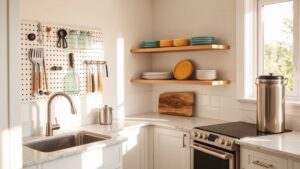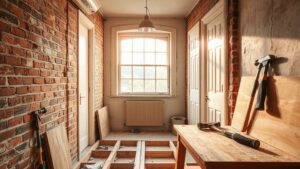


Building an outdoor bar transforms your entertaining space and boosts flow, turning gatherings into memorable moments. Start with a layout that matches your area, ensuring clear entrances, service zones, and comfortable seating. Choose weatherproof framing and finishes, plus durable, weatherproof storage and a counter designed for prep and service. Pick a design style that fits your vibe—modern, rustic, coastal, or industrial—and layer lighting for safety and ambiance. If you keep exploring, you’ll uncover practical steps and tips to master the build.
Key Takeaways
- Plan a scalable layout that ensures smooth traffic flow, clear service zones, and comfortable guest seating.
- Select weatherproof framing, durable finishes, and corrosion-resistant fasteners to withstand outdoor conditions.
- Define essential components (counter, storage, seating) and optimize ergonomics for easy reach and usage.
- Implement layered lighting (pathway, ambient, task) with outdoor-rated connectors and safe cord management.
- Budget smartly by prioritizing core durable features, using eco-friendly materials, and leveraging off-season purchases.
Why an Outdoor Bar Elevates Your Space
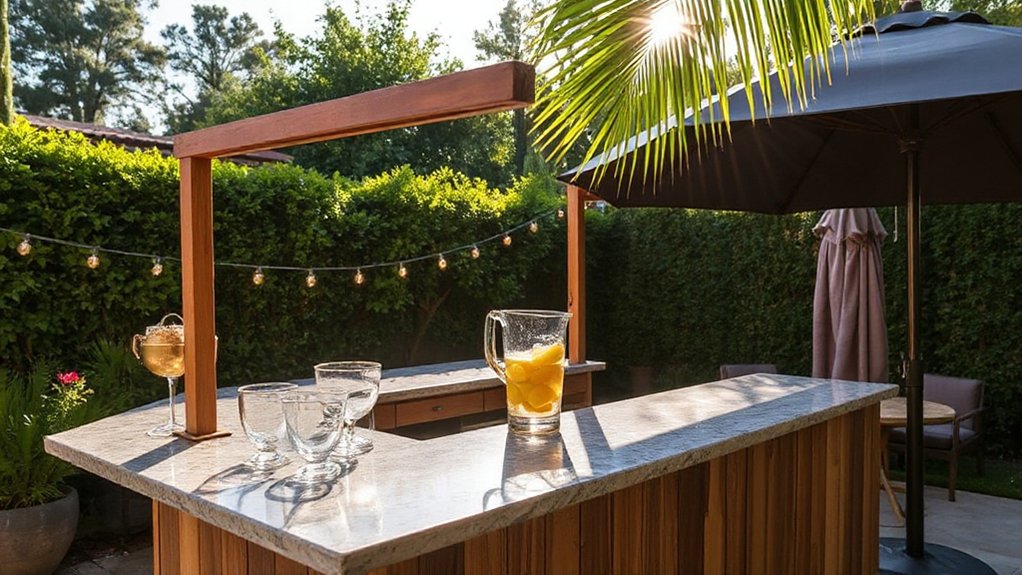
An outdoor bar instantly elevates your space by turning ordinary gatherings into memorable moments. You gain a focal point that anchors conversations, elevates ambiance, and extends hospitality beyond four walls.
With intentional design, it frames social flow, guiding guests through your yard rather than crowding indoor rooms. Garden decor integrates naturally, reinforcing theme with textures, plants, and lighting that soften edges and add visual depth.
A well‑chosen bar height and accessible service area streamline interactions, keeping conversations fluid and confident.
Seating arrangements matter: varied options encourage mingling, while defined spots prevent clustering and invite everyone to participate.
When created with purpose, the bar becomes a versatile stage for outdoor living, enhancing value, function, and everyday enjoyment.
How to Choose the Right Layout for Your Area
With the right layout, your outdoor bar becomes a natural hub rather than a cluttered afterthought. Start by evaluating your space’s flow: allow clear entrances, pass-throughs, and dedicated service zones so guests move smoothly from seating to the bar.
Prioritize functional zones over decorative clutter. Seating arrangements should encourage conversation while maintaining accessibility to service counters and trash/recycling stations. Place stools and tables to create intimate clusters without blocking sightlines or foot traffic.
Consider traffic patterns around doors, grills, and seating rows to minimize bottlenecks. Choose a layout that scales for entertaining and everyday use, then adjust based on how people actually circulate.
Material durability matters: pick surfaces that resist weather, fading, and staining, ensuring long-term performance and minimal maintenance.
Weatherproof Framing: Materials and Protection
Weatherproof framing isn’t optional—it’s the backbone of a durable outdoor bar. You choose framing materials that resist moisture, decay, and temperature swings to prevent failures before they start. Use corrosion-resistant fasteners and appropriate sealants to stop leaks at joints. Proper protection extends to coatings and membranes that guard vulnerable edges and connections from weather cycles.
- Select pressure-treated or naturally weather-resistant lumber for framing
- Use exterior-grade, moisture-barrier finishes and flashing at all junctures
- Apply a continuous sealant system and drainage-aware design for joints
Material protection isn’t cosmetic; it preserves load paths and reduces maintenance. Inspect annually, re-seal where needed, and replace compromised components promptly.
Your framing should deliver stability, safety, and longevity, with predictable performance year after year.
Outdoor Bar Design Styles: Modern, Rustic, Coastal, Industrial
You can start by pairing modern outdoor aesthetics with clean lines, slick materials, and a restrained palette to create a timeless, low-maintenance bar.
For rustic style, mix warm woods with sturdy metals and textured surfaces to emphasize craftsmanship and durability.
Across coastal and industrial accents, balance light, airy finishes or exposed details with practical, durable components to keep the space welcoming and built to last.
Modern Outdoor Aesthetic
Curious how a modern outdoor bar elevates space and function? You’ll notice clean lines, restrained palettes, and materials that read sleek rather than flashy. The modern aesthetic prioritizes form that supports flow, conversation, and easy maintenance, so your setup stays polished long after sunset.
To maximize impact, blend concealed storage with unobtrusive lighting that enhances texture without clutter. You’ll also want garden privacy and outdoor decor elements that feel intentional, not filler.
- Clean lines paired with warm lighting
- Ultra-slim countertops and hidden storage
- Minimal ornamentation that highlights materials
Keep the vibe cohesive by repeating a single material, like concrete or teak, and ensuring outdoor triggers—smells, sounds, sightlines—support everyday use. This approach respects space, function, and subtle sophistication.
Rustic Material Pairings
Rubber-stamped industrial grit meets warm, time-tested appeal when you mix rustic materials for an outdoor bar. You’ll blend timber with stone accents to evoke rugged charm without sacrificing function.
Favor Rustic pairing that balances texture and warmth, pairing rough-sawn planks with smooth, sealed surfaces to minimize maintenance. Consider stone countertops or a concrete base paired with wood supports; this contrast highlights durability while staying inviting.
Prioritize material durability in high-traffic zones—dense hardwoods, abrasion-resistant finishes, and sealed stone resist weather and wear.
Introduce metal details—galvanized railings, brushed steel hardware—to sharpen the look without overpowering natural grain.
Guarantee joints are weather-tight, seams flex against temperature shifts, and color tones remain cohesive through seasons.
The result: a resilient, welcoming space that feels handcrafted and intentionally simple.
Essential Components: Counter, Storage, Seating
What essential components set the foundation for a functional outdoor bar? You’ll focus on three core elements that drive efficiency: counter, storage, and seating. The counter anchors prep and service, provides a durable surface, and defines flow.
Storage keeps glassware, tools, and ingredients organized, minimizing trips and clutter.
Seating completes the space, inviting guests to linger without blocking access.
- Durable counter surface with weather resistance
- Efficient storage solutions for bottles, tools, and ice
- Flexible seating that supports casual mingling and quick service
Consider indoor decor cues for cohesion, and plan seasonal maintenance to preserve finishes and hardware.
Bar Height and Ergonomics for Comfortable Service
Is bar height the key to smooth service and guest comfort? You’ll want to align countertop, bar rail, and reach with how you work. Set a standard height for the main service line at about 42 inches (107 cm) for standing guests, with a 3–4 inch difference to accommodate stools if used.
Ergonomics matter: position sinks, glassware, and prep tools within easy reach to minimize twisting or bending. Confirm the front edge is comfortable to lean on, avoiding sharp corners. Depth should support plate stacks and server movement without crowding guests.
Consider adjustable stools or a secondary, lower service area for table-side requests. Consistent heights reduce fatigue, speed up service, and elevate overall guest experience through thoughtful bar height and ergonomics.
Cozy Lighting for Ambience and Safety
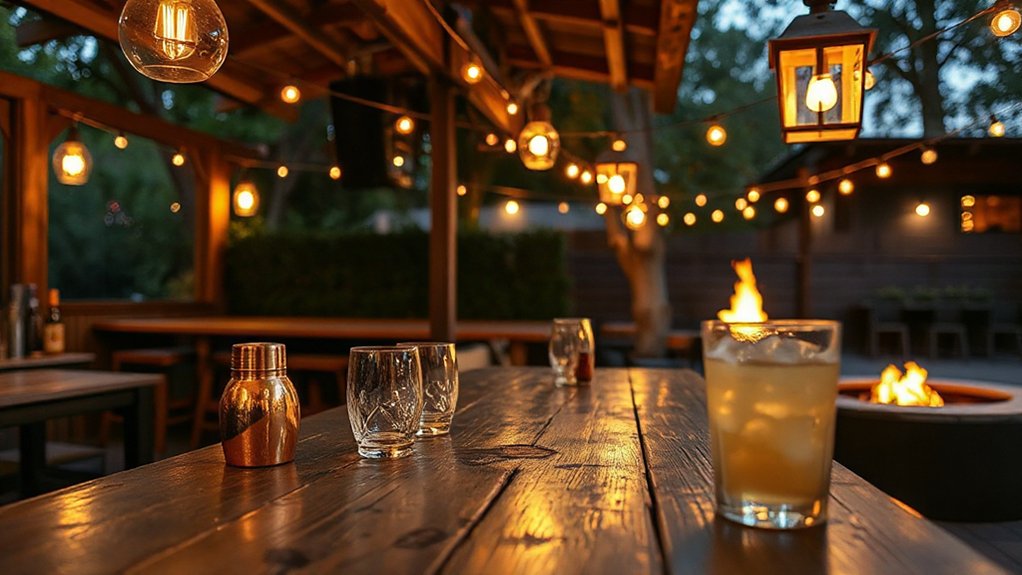
String lights set the mood without overpowering visibility, so position them to outline entrances and seating areas.
For pathways, use consistent lighting at ground level to guide guests safely from one zone to the next.
Balance brightness so you meet safety standards while preserving ambience, focusing on placement, spacing, and color temperature.
String Lights Placement
To create cozy lighting and guarantee safety, plan your string lights with placement that balances atmosphere and practicality. You’ll maximize ambience while keeping pathways clear and cords secure, using thoughtful height and spacing.
Focus on visibility for tasks, not just mood, and choose weatherproof fixtures with proper plugs and clips. Consider zones: seating areas, bar work surfaces, and entry points.
Use durable cords off the ground and away from moisture. String lights can define boundaries without overpowering decor, provided you follow placement tips for safe, even illumination.
- Define zones with consistent lumen levels
- Anchor lines high enough to avoid tripping hazards
- Use outdoor-rated cords and weatherproof connectors
Pathway Path Lighting
Pathway lighting sets the mood while guiding guests safely from yard to door. You design this layer to complement your outdoor bar without overpowering it. Use low-profile fixtures along walkways to create a soft wash of light, highlighting edges and surface texture.
Garden lighting should feel integrated, not like afterthought decor; choose warm color temperatures to enhance wood tones and greenery. Position lights at a slight downward angle to minimize glare and improve visibility of steps or progressions.
Opt for sealed, weatherproof options rated for exterior use, with easy access for bulb changes. Keep cables concealed and connections elevated where possible to avoid trip hazards.
This approach delivers inviting pathway illumination that supports ambience and practical navigation.
Safety Brightness Levels
When planning cozy lighting for an outdoor bar, balance ambiance with safety by choosing brightness levels that invite guests in without overwhelming them. You’ll want to set practical brightness levels that illuminate pathways, steps, and seating without glare, so guests feel welcome and secure.
Use layered lighting to create depth and reduce shadows, then test at different times to confirm consistency. Consider battery or low-voltage options for reliability and easier maintenance.
Prioritize safety precautions by keeping cords hidden and fixtures weather-rated. Balance brightness levels with warm color temperatures to preserve mood while preventing eye strain.
- Pathway and step lighting at low-to-moderate brightness
- Ambient zones near seating with warmer tones
- Task lighting for bars and prep areas at focused, functional levels
Smart Storage to Hide Clutter and Stay Organized
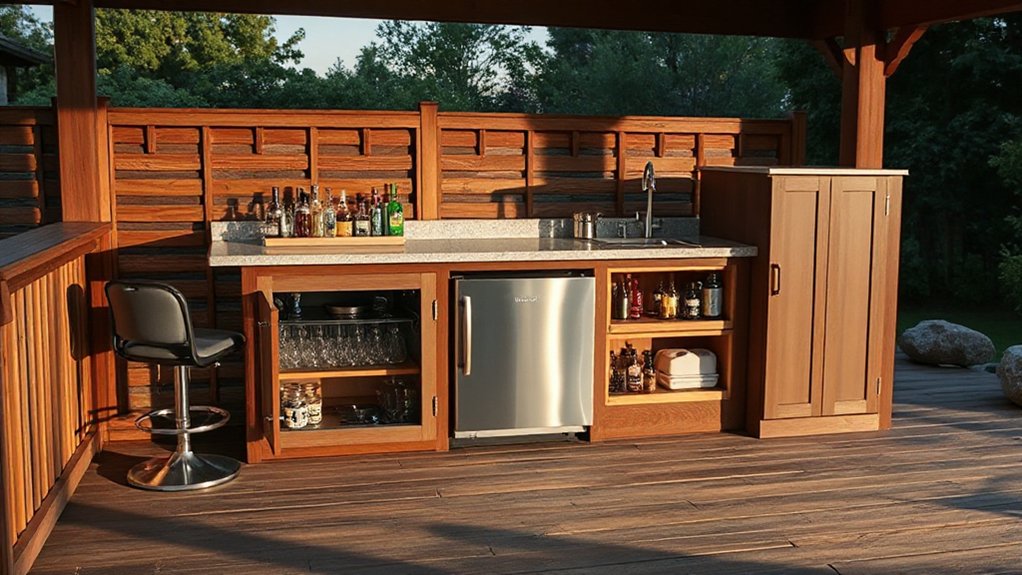
Smart storage is the backbone of a tidy, functional outdoor bar. You’ll hide clutter with purpose-built cabinets, drawers, and weatherproof bins that resist moisture and fading.
Prioritize accessible shelving that keeps daily essentials—shakers, napkins, garnishes—within easy reach. Use label-friendly interiors and a smart trash solution to prevent overflows.
Integrate multi-use surfaces that conceal cords and tools when not in use. Plan for plant integration where counters double as herb stations, so you can garnish drinks without clutter.
Consider seating comfort: built-in benches with hinged lids turn seating into storage, freeing floor space. Mount modular units that you can reconfigure as needs evolve.
Wire organizers and inserts keep tools tidy, reducing search time and misplacement. Regular, quick audits sustain a calm, organized bar.
Outdoor-Friendly Appliances and Accessories
- Outdoor furniture-friendly appliances with integrated storage
- Weatherproof cords, seals, and covers for safer operation
- Decorative accents that harmonize with your bar’s palette
These choices guarantee lasting function and a polished look, aligning form and function beneath open skies.
Budget-Friendly Planning: Costs, Tradeoffs, and Hacks
Establish a clear budget early, then map out must-haves versus nice-to-haves to keep spending in check. You’ll prioritize durable, return-on-useful features and avoid gimmicks that inflate costs.
Start with core components: outdoor furniture, a bar surface, and essential storage, then layer in affordable upgrades.
Compare options by total cost of ownership, not just upfront price, so you don’t pay for short-lived pieces.
Seek versatile items, like modular seating and weatherproof accents, that scale with your gatherings.
Garden lighting can dramatically boost ambiance without breaking the bank; opt for solar or low-voltage options to minimize installation and running costs.
Reevaluate plans as you shop, documenting tradeoffs between aesthetics, durability, and price.
Tighten your list, cut excess, and stay flexible to maximize value.
DIY Build vs. Prebuilt Options: Pros and Cons
Whether you DIY or buy prebuilt, you’ll trade time, cost, and customization for convenience, speed, or precision. You weigh control against predictability, and safety against complexity.
DIY builds slash material costs and let you choose eco friendly materials, but demand planning, tools, and patience.
Prebuilt options offer quicker setup, consistent quality, and warranty support, though customization is limited and may carry higher upfront costs.
- Eco friendly materials can guide choices in both approaches, influencing durability and sustainability
- DIY safety requires proper PPE, tool handling, and adherence to plans
- Prebuilt reliability reduces on-site risk but can constrain finishes and configurations
Ultimately, your decision hinges on timeline, budget, and how much you value personalization versus turnkey confidence.
Weatherproof Finishes and a Simple Maintenance Plan
Weatherproof finishes protect your outdoor bar from sun, rain, and temperature swings, and a simple maintenance plan keeps them performing year after year. Start with a durable finish suited to your environment—polyurethane, penetrating oil, or marine varnish for wood, and high-quality sealants for metal.
Apply according to manufacturer instructions, in dry, temperate conditions, and sand between coats for a smooth finish. For longevity, clean surfaces regularly with a mild cleaner, then recoat every 1–3 years, depending on exposure.
Inspect edges and joints for wear, touching up promptly to prevent water intrusion. Integrate garden lighting to showcase grain and color without accelerating degradation, and choose weather-resistant furniture to reduce maintenance.
Document touch-ups and seasonal checks, forming a practical, repeatable routine. Your bar stays welcoming, durable, and ready for outdoor hosting.
Safety and Permitting Basics for Outdoor Bars
Now that your finishes are locked in, you’ll want to address safety and permits to keep your outdoor bar compliant and secure. You’ll assess local codes for bar height, electrical work, and access. Verify that outdoor lighting levels meet safety standards without glare, and guarantee slip-resistant surfaces. Obtain permits as needed, and coordinate with electricians or contractors for weather-rated circuits and GFCI protection. Maintain clear sightlines for guests and keep fire safety measures accessible.
- Confirm bar height aligns with accessibility guidelines and seating comfort
- Plan lighting levels that illuminate work zones while reducing glare
- Schedule inspections and secure required permits before first use
10 Money-Saving Hacks to Upgrade Your Outdoor Bar
If you want to upgrade without breaking the bank, start with smart, practical tweaks that boost function and vibe. Prioritize versatile outdoor furniture that folds, stacks, or doubles as storage to save space and money. Refinish existing pieces with outdoor-grade paint or stain to refresh their look without replacement.
Shop wholesale or off-season for discounts on trendproof garden lighting, selecting LED fixtures that cut energy use and maintenance. Create atmosphere with affordable, weatherproof string lights and solar options for a warm glow without wiring.
Optimize layout for flow and entertaining, using modular tables and benches that adapt to gatherings. Reclaim items from a shed or garage, repurposing them as bar accents.
Maintain durability with protective sealant and a simple cleaning routine.
Quick-Start Checklist to Finish Your Outdoor Bar
With a clear plan in hand, you can turn your outdoor bar into a ready-to-use setup in a weekend. This quick-start checklist helps you finish fast without sacrificing quality. Focus on flow, function, and atmosphere to deliver a polished experience.
Prioritize essentials first: weatherproof storage, a reliable power source, and a clean, inviting countertop. Consider indoor ambiance cues and subtle soundproofing techniques to keep conversations comfortable and noises contained.
- Secure weatherproof cabinets and a durable prep area
- Route outlets safely, install a small speaker system, and optimize lighting
- Add soft accessories, rugs, and plants to improve acoustics and comfort
Use this rhythm as you build, test, and refine, ensuring a crisp, professional outdoor bar that invites guests in.
Frequently Asked Questions
What Permits Are Required for Outdoor Bar Installation?
Permits vary by locality, but you’ll typically need building, electrical, and possibly plumbing approvals for outdoor bar installation. Confirm outdoor bar design complies with codes, and coordinate landscaping integration to avoid overlaps with utilities or setbacks. Check with your municipal authority now.
How to Plan Electricity and Plumbing Safely?
To plan electricity and plumbing safely, you must follow Lighting safety and the Electrical code; install GFCIs, use weatherproof boxes, separate circuits, and certified professionals when wiring, and guarantee proper venting and water trap preparation.
Which Materials Resist Rust and Weather Best?
Rust resistant coatings and weatherproof materials like stainless steel, powder-coated aluminum, teak, and marine-grade plywood resist rust and weather when properly sealed; apply exterior-grade sealants, maintain finishes, and choose corrosion-resistant fasteners for longevity.
How to Secure an Outdoor Bar From Pests?
You fend off pests like a vigilant captain steering a ship through fog: install pest deterrent lights, seal gaps, and keep drains clean. You’ll deploy insect control measures, maintain barriers, and inspect weekly to protect your outdoor bar.
What Insurance Considerations Apply to Outdoor Bars?
You should secure liability insurance and guarantee liquor licensing compliance, as both protect you and your guests. Verify coverage for premise, operations, and staff, and maintain proper records to avoid gaps during inspections or claims.
Conclusion
Envision this outdoor bar as a trusty lighthouse on your deck: a guiding beacon that invites gatherings, weathering every storm with steadfast beams. You’re the captain steering design, finish, and flow, while smart layout and durable finishes keep the lights steady. Each sunset becomes a signal to linger; every gathering, a convoy returned. Build with purpose, protect with care, and let your space become the harbor where memories anchor and friendships set sail.