
Start with a focused budget and clear goals for a simple upgrade plan, so you stay purposeful and on track. Prioritize lighting to boost mood and efficiency—layer ambient, task, and accent lights, use warm dimmables, and bring in natural daylight where possible. Add smart thermostats for comfort and energy insights, plus zoned controls. Tackle quick kitchen tweaks, declutter with organized zones, and boost curb appeal with affordable updates. Small, intentional changes compound—keep going to discover even bigger improvements.
Key Takeaways
- Prioritize budget-friendly kitchen and bathroom updates: fresh hardware, updated lighting, organized storage, and small touches that boost mood and usability.
- Improve lighting layers and natural light to instantly transform atmosphere and energy use.
- Enhance acoustics and comfort with door sealing, acoustic panels, dimmable LEDs, and smart thermostat zoning.
- Refresh surfaces and decor with durable flooring, area rugs, textiles, and plant accents for a renewed look.
- Create simple organizational systems: decluttering routines, labeled storage, and dedicated stations for daily essentials.
Set a Budget and Goals for a Simple Home Upgrade Plan
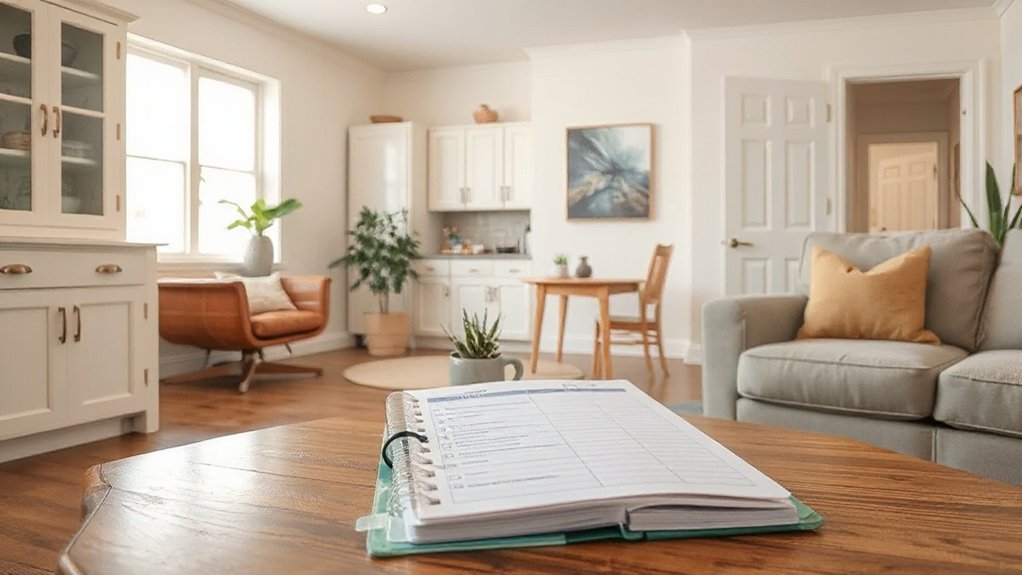
Setting a budget and clear goals upfront keeps your home upgrade focused and affordable. You define what matters most, then map costs against those priorities to prevent scope creep. Start with a realistic total you can commit over a season, plus a contingency for surprises.
Break the plan into concrete, measurable goals: finish a room repaint, refurbish a yard, or replace inefficient fixtures. Allocate amounts to categories like garden landscaping and outdoor furniture, ensuring you reserve for essential items before optional extras.
Track every purchase against the plan, adjusting as needed without abandoning core aims. Balance quality and price by researching warranties and materials suitable for your environment.
Regular reviews prevent waste and keep decisions purposeful, timely, and aligned with your upgrade vision.
Prioritize Lighting for Mood, Efficiency, and Cost
Prioritize lighting that boosts mood while cutting energy use. Start with warm, dimmable options for living spaces and cooler, task-focused lights for work areas to balance comfort and efficiency.
Mood-Boosting Lighting
Want brighter moods at home without higher bills? Mood-boosting lighting focuses on how you interact with space, not just how bright it is. Prioritize warmer color temperatures for common rooms and cooler tones where tasks demand alertness. Use layered lighting: ambient, task, and accent to shape atmosphere without overdoing fixtures.
You’ll leverage color psychology by pairing lighting choices with purpose—soft glow in living areas to calm, brighter task lighting in kitchens and offices to boost focus. Favor energy-efficient LEDs with dimmers to tailor intensity, saving watts and extending bulb life.
Let natural light guide your layout: place work zones near windows and use sheer curtains to diffuse glare. Subtle, strategic updates yield noticeable mood shifts and ongoing cost savings.
Energy-Saving Illumination
What if you could brighten your home while trimming energy bills at the same time? Energy-Saving Illumination lets you prioritize mood, efficiency, and cost with smart choices and steady habits. You’ll optimize light layers, choose efficient fixtures, and pair vintage decor with modern LEDs to keep character without waste.
Seasonal lighting adds ambiance without heightening usage when you don’t need it.
- Use dimmable LEDs to set scenes and save energy
- Replace incandescent bulbs with high-efficacy LEDs
- Layer task, ambient, and accent lighting for flexibility
- Schedule automated lighting linked to natural daylight
- Embrace seasonal lighting strategically for mood, not excess
These steps keep spaces inviting, economical, and aligned with vintage decor and seasonal lighting goals.
Choose Smart Thermostats and Controls for Comfort
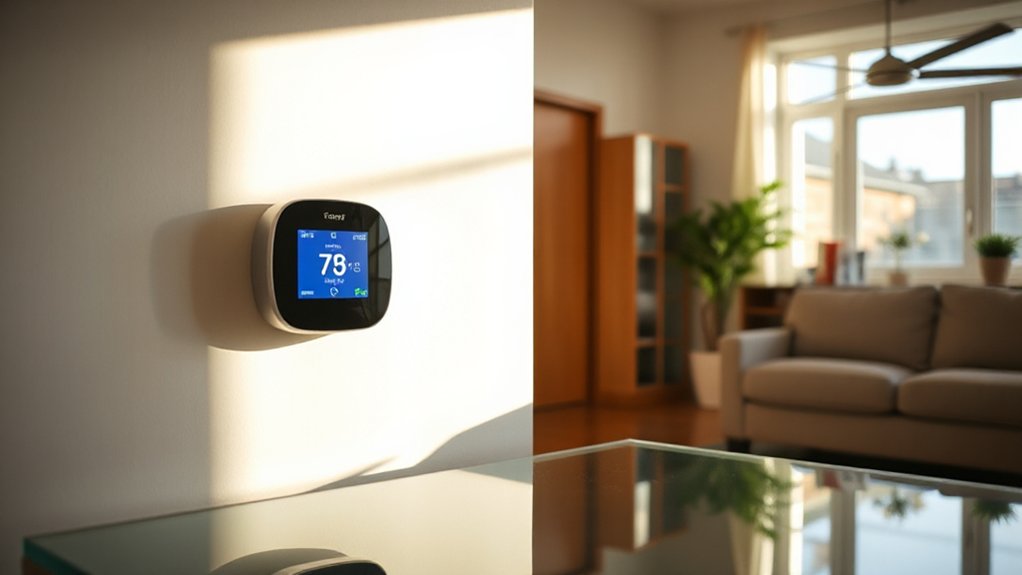
Smart thermostats boost efficiency by learning your patterns and optimizing heating and cooling without wasting energy.
With zoned comfort control, you can tailor temperatures room by room, so everyone stays comfortable without overdoing the system.
Look for robust remote scheduling options to adjust settings on the fly from your phone or tablet.
Smart Thermostat Efficiency
Choosing the right smart thermostat can dramatically cut energy use while keeping your home comfortable. A smart thermostat boosts energy efficiency through scheduling, adaptive learning, and remote control that targets HVAC runtime precisely when you’re home or away.
- Optimize heat and cooling with occupancy sensing
- Use eco modes and setbacks to minimize daytime waste
- Leverage energy reports to identify savings opportunities
- Integrate with solar or weather data for smarter decisions
- Keep firmware updated for reliability and security
With these practices, you’ll see noticeable energy efficiency gains without sacrificing comfort. The device should be configured to align with your routines and insulation quality.
Prioritize models that support learning, geofencing, and robust energy insights to maximize both affordability and performance. Smart thermostat adoption translates into consistent comfort and lower utility bills.
Zoned Comfort Control
If you want precise comfort where it matters, zoned comfort control lets you tailor temperatures by room or area rather than the whole house. With temperature zoning, you pair smart thermostats and zones to match occupancy and use patterns, reducing waste and improving overall comfort.
Install in-duct dampers, room sensors, or mini-splits to create distinct climate zones that respond individually. You’ll set priorities for bedrooms, living spaces, and work areas, so each zone maintains its ideal range without forcing the entire home to conform.
This approach saves energy, lowers costs, and minimizes hot or cold spots. Choose a system that supports intuitive scheduling, adaptive learning, and easy overrides, keeping comfort simple, reliable, and within reach.
Remote Scheduling Options
- Remote scheduling capabilities that adjust temps automatically
- Digital timers that honor your wake, work, and sleep cycles
- Easy geofencing to detect when you’re near or away
- Clear energy-use insights for smarter decisions
- Consistent app control across devices for seamless updates
Quick, Budget-Friendly Kitchen Tweaks That Pay Off
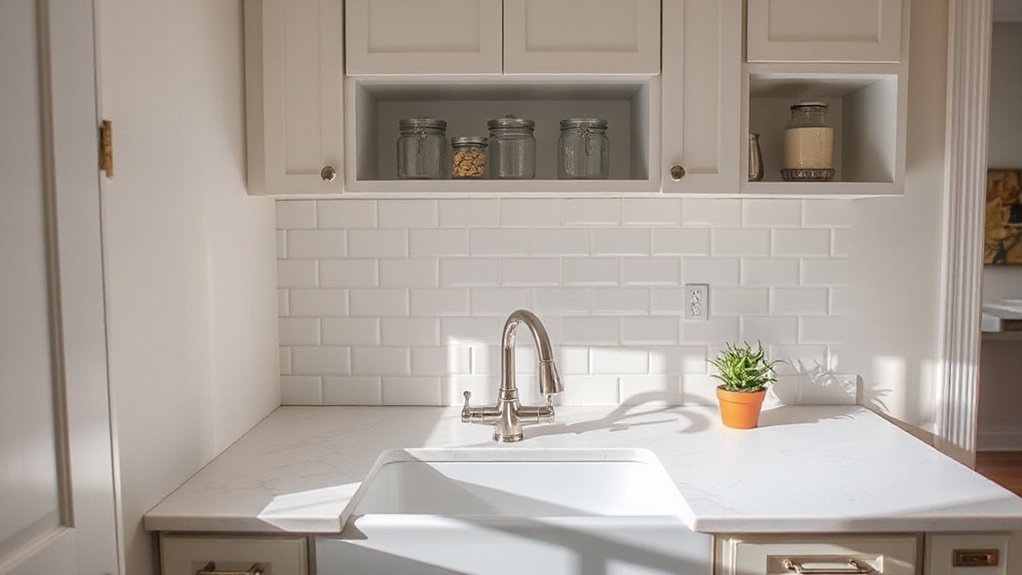
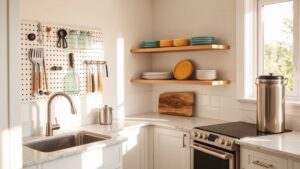
You don’t have to overhaul your kitchen to see real value; small, budget-friendly tweaks can yield noticeable improvements fast. Start with organization that costs little but gains you big efficiency: add clear bins, label shelves, and optimize drawer layouts so every tool has a home.
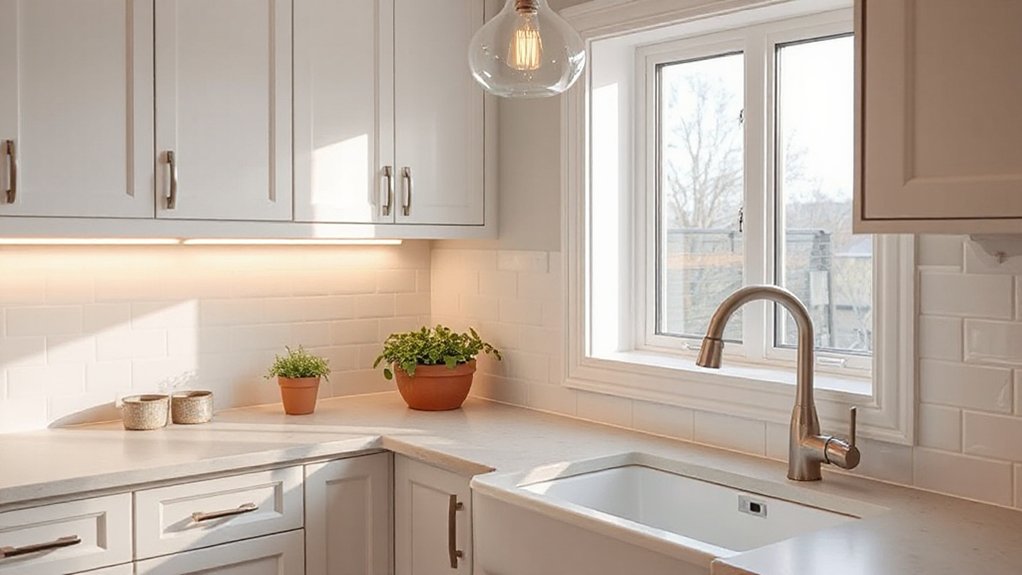
Swap dull hardware for affordable new pulls to refresh the look without a full remodel. Reassess lighting: bright, cool-toned bulbs brighten prep zones, while under-cabinet LEDs illuminate work surfaces and reduce shadows.
Clean lines and consistent finishes create a more intentional space and read as larger than it is. Consider a small, strategic plant or herb tray to boost mood and freshen air—tiny wins that compound.
And if you garden, extend that thinking to garden landscaping and outdoor lighting for continuity.
Create Storage Wins and Decluttering Routines
Small, consistent storage wins compound quickly when you turn clutter-busting into a routine. You’ll gain momentum by pairing quick wins with steady habits, making storage solutions feel effortless rather than overwhelming. Decluttering habits become automatic, reducing decision fatigue and freeing mental space for what matters.
- Set a 10-minute daily declutter timer
- Empty one shelf or drawer and reassess its use
- Label bins and folders for quick redirection
- Use vertical space with wall organizers
- Schedule a monthly purge and adjust as needed
Consistency over intensity wins here. Track progress, celebrate small milestones, and refine setups as your needs change. With practical storage solutions and disciplined routines, you’ll maintain a calmer, more efficient home.
Refresh Floors and Textiles Without a Full Remodel
You can refresh floors easily with quick updates like peel-and-stick tiles or a fresh coat of sealer on wood.
For textiles, swap in budget-friendly throws, curtains, and area rugs to brighten rooms without a full remodel.
These budget-friendly refreshes deliver noticeable impact while keeping the project practical and under control.
Refresh Floors Easily
Refresh floors without a full remodel by choosing practical, high-impact updates that span affordability and durability. You’ll transform spaces with simple, durable choices that look intentional and stay easy to maintain.
- Refinish or re-stain hardwood for a fresh tone
- Lay durable luxury vinyl planks for water resistance
- Use area rugs to zone spaces and protect floors
- Install floating laminate for quick updates and low mess
- Add non-slip, high-contrast runners near entryways and kitchens
Small changes compound, so think in layers: consider garden pathways and wall murals elsewhere in the home to guide color and texture inspiration.
You’ll create a cohesive feel without upheaval, keeping upkeep minimal and results striking.
Textiles: Quick Upgrades
Textiles can transform a room quickly and affordably, so you don’t have to gut a space to make a noticeable impact. You’ll notice immediate warmth with a thoughtful mix of textiles, from rugs to window coverings.
Prioritize textile textures to add depth: pair plush with sleek, weave with matte, and balance sheen with matte finishes. Use fabric layering to create dimension without clutter: lay a durable rug underfoot, add a layered throw, and finish with coordinating cushions.
Choose neutral bases and introduce color pops through accents, keeping patterns restrained to avoid busy visuals. Consider scale: oversized weaves anchor rooms; small patterns brighten corners.
Careful pairing of textiles elevates surfaces, curtains, and seating, delivering a refreshed feel without structural changes.
Budget-Friendly Refreshes
Curating a budget-friendly refresh means focusing on surfaces you touch most: floors and textiles. You’ll boost looks without a full remodel by choosing swap-in textures and durable materials, aligning with current home decor trends and practical gardening tips for boosts in natural tones and plant-inspired accents.
Focus on simple updates that pack a punch.
- Swap worn rugs for durable, low-pile options that withstand traffic
- Layer textiles with cushions, throws, and curtains in complementary hues
- Re-finish or seal wooden floors for a refreshed sheen
- Add anti-slip refinements and area mats for safety and comfort
- Integrate greenery via small planters to tie indoors to outdoors
Elevate the Bathroom With Small, High-Impact Changes
Consider small, high-impact changes that translate into a noticeably more polished bathroom: swap dull hardware for sleek finishes, swap out a dated mirror for one with built-in LED lighting, and add a statement towel bar or bold rug to refresh the space without a full remodel.
You’ll gain instant sophistication by upgrading faucets, handles, and brackets to brushed nickel or matte black. Choose a mirror with integrated lighting to reduce shadows during morning routines.
Prioritize practical shifts like improving vanity organization and adding accessible storage. Introduce complementary bathroom accessories that coordinate with your chosen metal finish.
Tidy, well-planned surfaces prevent clutter, boosting perceived value. These targeted tweaks deliver a refreshed feel, improve daily use, and set a confident foundation for ongoing upgrades.
Boost Curb Appeal and Entry Presence on a Budget
A strong curb appeal doesn’t require a full remodel—start with budget-friendly, high-impact tweaks that create instant curb presence. You’ll boost entry presence by focusing on small, strategic changes that announce your home’s style.
- Refresh exterior paint choices with one contrasting door color and clean trim
- Trim and edge lawns for crisp lines that frame the entry
- Add planters with evergreen foliage for year-round structure
- Upgrade outdoor lighting to highlight pathways and the doorway
- Choose low-maintenance landscaping enhancements that dry quickly and stay tidy
These moves emphasize the entry without overwhelming budgets. By coordinating color, texture, and lighting, you create welcoming first impressions that endure.
Keep it simple, purposeful, and durable for lasting impact.
Tune Acoustics for a Calmer Living Space
Sound acoustics start with a simple, intentional plan: identify the main noise sources in your space and address them directly. You’ll create calmer living areas by prioritizing practical changes that reduce echo and sound transfer.
Start with door seals and window weatherstripping to cut intrusion, then map persistent noises to their sources. Acoustic panels offer a quick, effective upgrade for wall reflections in living rooms and studios; place them at key listening and conversation zones for balanced sound.
For tougher issues, explore soundproofing techniques like decoupling lightweight walls or adding resilient channels where feasible. Pair treatments with soft textiles and rug layers to diffuse remaining chatter.
With deliberate, low-cost steps, you’ll enjoy clearer conversations and a more serene, focused home environment.
Add Organizing Zones to Support Daily Routines
To keep the calmer space you built from acoustics usable throughout the day, set up organized zones that match your daily routines. You’ll gain focus by defining clear spots for key tasks, reducing search time and decision fatigue. Use simple, labeled containers and a small cart or shelf to hold essentials near their use moments.
- Organizing zones that align with morning, work, and wind-down routines
- Routine stations for keys, bags, and charging devices
- Quick-access containers for daily essentials
- Dedicated space for paperwork and receipts
- Visual cues that cue actions without loud disruptors
This approach keeps the environment predictable, efficient, and resilient, so calm remains the baseline as your day unfolds.
Plan Maintenance-Friendly, Long-Term Upgrades
Planning upgrades that last means building with durability and everyday practicality in mind. To plan maintenance-friendly, long-term upgrades, choose materials and systems that resist wear and simplify care.
Prioritize modular components you can replace or upgrade without a full overhaul. Map a 5- to 10-year maintenance cycle, listing tasks and approximate costs, so you’re not surprised by upkeep.
Integrate garden landscaping ideas that thrive with minimal intervention, using native plants and mulching to reduce watering.
Select outdoor lighting with long-life bulbs, weatherproof housings, and easy access for bulb swaps.
Favor proven brands, standard fittings, and accessible wiring routes to streamline repairs.
Finally, document warranties and service intervals, so future you isn’t guessing when maintenance is due.
Frequently Asked Questions
How Long Should a Simple Home Upgrade Plan Take?
A simple home upgrade plan should take about 2–4 weeks, depending on scope. You’ll tackle DIY projects in stages, and material selection early. You’ll stay practical, polished, and authoritative while keeping timelines realistic and buffer days for surprises.
What Is a Realistic Budget Range for Basics?
A realistic budget range for basics is $1,000 to $5,000, depending on your decorating styles and material costs. You should prioritize essential updates, compare prices, and allocate contingency funds as you plan, shop, and execute confidently.
Which Upgrades Yield the Best ROI Quick?
You’ll see a 20% faster ROI with quick DIY projects like fresh paint or smart thermostats, while eco friendly upgrades retain value longer. DIY projects pay off, especially when you focus on efficiency, lighting, and durable, cost-saving choices.
How Often Should I Perform Maintenance Checks?
You should perform maintenance checks every 3–6 months, depending on climate and system use. This keeps energy efficiency high and guides exterior improvements, ensuring systems run smoothly and preventing costly issues. Stay proactive and schedule annual professional inspections too.
Can I Upgrade Without Professional Help?
Yes, you can, but weigh risks and scope. For DIY projects, start small and use proper guides; for anything electrical or structural, hire contractors. Be honest about limits, and don’t rush critical upgrades to avoid hazards.
Conclusion
You’ve got a clear, doable path: simple upgrades that fit real life, save money, and feel noticeably better. Start with a plan, then upgrade lighting, climate control, and storage in practical, budget-conscious steps. A quick win matters—like a living room that instantly feels calmer after tuning acoustics and decluttering. Imagine a family morning routine, calmer voices, less chaos, and more time together because everything has a place and a purpose. Small changes, big everyday gains.