
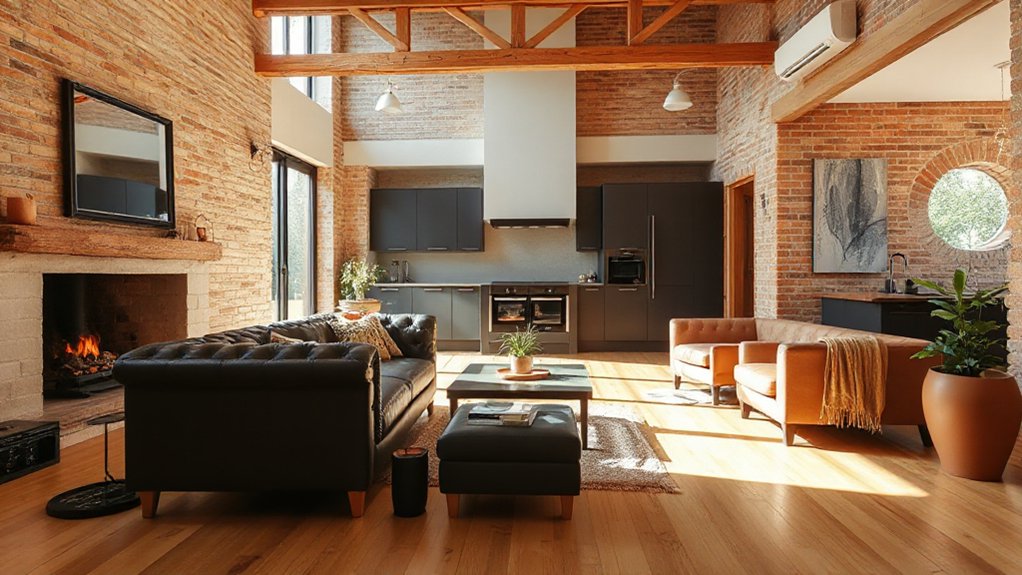

To modernise a traditional UK property, start by protecting its character while improving comfort and efficiency. Engage conservation officers early and keep alterations modest, reversible, and well documented. Budget with heritage constraints in mind, and choose contractors experienced with listed properties. Prioritize airtightness, targeted insulation, and discreet upgrades that respect massing, materials, and historic details. Plan daylight optimization, thoughtful layouts, and finishes that blend period charm with contemporary practicality. If you keep exploring, you’ll discover how to balance heritage and modern living with confidence.
Key Takeaways
- Balance heritage preservation with comfort by upgrading insulation, glazing, and systems while maintaining historic character and massing.
- Engage conservation officers early, document existing features, and ensure alterations are minimal, reversible, and well-justified.
- Select contractors experienced with listed properties and map consent routes (Planning, Listed Building, or Scheduled Monument) upfront.
- Coordinate electrical, plumbing, and ventilation to minimize invasions, preserve wall thickness, and enable smart control and energy efficiency.
- Design with daylight, sightlines, and layered lighting to enhance spaces while respecting period details and finishes.
Why Modernising a UK Heritage Home Is Worth Doing
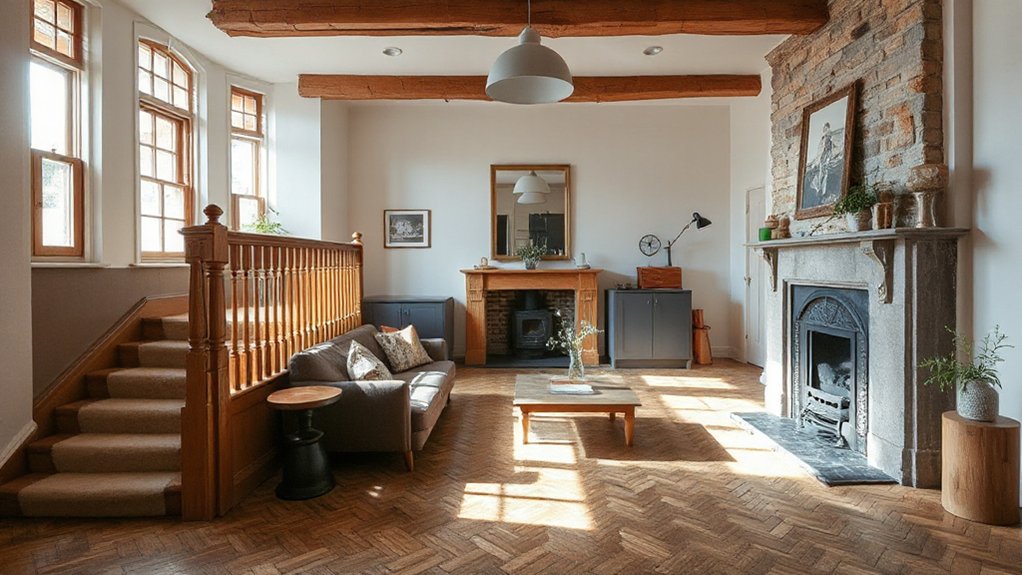
Modernising a UK heritage home can be a smart investment because it preserves what’s precious while ensuring daily living feels effortless. You’ll gain improved energy efficiency and comfortable living without sacrificing character, because thoughtful upgrades respect the building’s fabric.
Heritage preservation isn’t nostalgia; it adds lasting value, security, and curb appeal. Upgrades in insulation, glazing, and systems reduce running costs.
You benefit from modern craftsmanship that complements historic details, delivering reliability with style. Careful renovations can extend lifespan, reduce maintenance, and reveal hidden potential, turning stairs, thresholds, and rooms into functional, elegant spaces.
You-by-you, this approach protects legacy for future generations, preserves storytelling through material choices, and creates a home that performs as well as it looks, with timeless, understated sophistication.
Setting a Practical Budget for Listed and Conservation Areas
- budget planning that reflects approvals, constraints, and heritage priorities
- contractor selection focused on experience with listed properties
- contingency and milestone-driven tracking to protect quality and schedule
Energy Upgrades for Period Homes (Low-Impact, High Return)
You’ll start with efficient insulation choices that keep heat in without disrupting character, balancing comfort with authentic materials.
Small-scale heating upgrades, thoughtfully selected, deliver warmth with minimal disruption to historic fabric.
Pair these with passive energy strategies, and you create a low-impact path to high returns that respects the property’s heritage.
Efficient Insulation Choices
Are there practical ways to cut heat loss without compromising period charm? You’ll prioritise discreet, effective insulation that respects historic fabric. Start by targeting key gaps: draughts at sash windows, door thresholds, and chimney flues. Choose breathable, mineral wool or cork-based products that won’t trap moisture or distort walls.
Favor retrofit solutions that preserve wall thickness and reveal lines, keeping charm intact while boosting efficiency. Pair insulation with airtightness improvements and sensible batt placements behind existing linings. Align choices with sustainable landscaping and historical preservation goals to maintain a coherent heritage narrative.
The result is a warmer home that doesn’t shout modernity, but earns comfort through quiet, purposeful engineering.
- Target gaps with discreet, breathable materials
- Prioritise airtightness before bulk insulation
- Match finishes to preserve historic character
Small-Scale Heating Upgrades
Begin with smart thermostats, chosen for responsiveness and simple integration with existing controls. A well-sited thermostat can balance warmth, reduce nuisance heat loss, and cut energy use without invasive changes.
Pair this with radiator upgrades where needed, prioritising compatible sizing, improved fin design, and better convection. Retain original radiators where possible by upgrading valves and adding modest radiator covers that don’t obstruct performance.
Insulation remains foundational, so guarantee gaps around pipes and floors are sealed.
Focus on consistent room temperatures rather than dramatic shifts, preserving ambience, acoustics, and the home’s character while achieving tangible comfort and efficiency gains.
Passive Energy Strategies
Could intelligent passive strategies quietly transform a period home, delivering warmth and comfort with minimal intervention? You’ll explore strategies that respect heritage while improving efficiency, prioritising low-impact, high-return choices.
By pairing subtle design with robust performance, you reduce drafts, enhance insulation, and stabilise internal temperatures without altering character.
- Upgrade with smart windows to optimise daylight, reduce heat loss, and maintain authentic aesthetics.
- Use renewable materials in insulation and finishes that align with traditional textures and colours.
- Implement airtight detailing and passive solar principles, balancing sun exposure with shade and cross-ventilation for comfort year-round.
Layout Refresh: Light, Flow, and Heritage Enablement
Light steers the plan, guiding how spaces breathe and connect. You’ll shape a flow that lets daylight travel while preserving the building’s heritage rhythm.
Balance openness with defined, intimate zones. Aim for heritage-aware harmony where light-led layouts feel natural, purposeful, and enduring.
Light-Driven Layout Flow
Natural light should guide the layout, shaping a flow that respects a property’s heritage while meeting modern needs. You’ll harness daylight to define zones, letting walls breathe and circulation feel natural. Focus on proportion, so glare never interrupts conversation, and progression stay seamless.
With deliberate lighting design, you illuminate pathways without overpowering character, letting sunlight become a soft architect. You’ll arrange furniture placement to enhance rhythm, not clutter. Avoid repetitive chambers; cultivate open collaboration between rooms while preserving intimate nooks.
This approach respects craftsmanship and materials, using light to celebrate texture and detail.
- Embrace layered daylight to prime each space
- Align furniture placement with sightlines and history
- Use shading and fixtures to refine mood without erasing character
Heritage-Driven Spatial Harmony
Use materials and textures that echo provenance—timber, stone, plaster—so progressions feel intentional, not abrupt. Plan circulation to fluidly connect rooms while preserving intimate thresholds that give rooms purpose and rhythm.
Choose lighting that enhances architectural details without erasing them; dimmable layers create mood for both daily living and special occasions. Respect cultural significance by documenting changes and preserving original motifs.
This approach supports heritage preservation, delivering spaces that are functional, graceful, and true to historic storytelling.
Finishes That Honour the Era With Modern Comfort
To honour the era while modern comfort prevails, choose finishes that blend period detail with everyday practicality. You’ll weave heritage textures with soft, durable surfaces, ensuring daily life remains unfussy.
Let color palettes reinforce character without shouting nostalgia, balancing warm neutrals with restrained accents.
Focus on furniture styles that echo lineage yet adapt to modern use, so rooms feel coherent, not crowded.
Consider authentic materials: oak or painted timber, brick or tile motifs, and subtle metallic trims that catch light without glare.
Prioritize proportion and function, so details serve both display and living.
The result is refined elegance that remains liveable, timeless, and distinctly yours.
- Color palettes that subtly honor history
- Furniture styles with modern usability
- Durable finishes that age gracefully
Navigating Listed Building Rules and Conservation Approvals
You’ll navigate listed building constraints with a clear eye for what can stay, what must change, and why. The conservation approval process sets the rhythm, guiding you from initial consultation to final consent.
Practical compliance steps keep your project on track, balancing sensitivity with achievable modernisation.
Listed Building Constraints
Finding your way through listed building constraints means understanding what’s protected about your home and what isn’t, and then working within those rules to preserve character while enabling modern comfort. You recognise that every detail holds cultural significance, guiding decisions with care.
You’ll prioritise architectural preservation, ensuring changes respect massing, materials, and proportions. You’ll collaborate with conservation officers early, framing options around impact, reversibility, and long-term durability.
Adaptations should be modest, targeted, and reversible where possible, to keep future flexibility intact.
- Identify protected features and permissible alterations
- Prioritise traditional materials, finishes, and craftsmanship
- Seek professional guidance to balance modern needs with heritage endurance
Conservation Approval Process
How do you navigate the Conservation Approval Process when working with a listed UK property? You engage early, map the statutory framework, and respect the building’s character. You’ll identify whether intended works require Planning Approval, Scheduled Monument consent, or Listed Building consent, then align your design with Conservation Principles.
You assess the Historical significance of features you plan to alter, preserving essential fabric while enabling essential modernisation. You document proposals with measured drawings, options, and justification, anticipating consultees’ questions.
You communicate transparently with local planning authorities, and, where appropriate, consult specialist advisors. You integrate restoration techniques that honour original materials and craft, avoiding needless replacement.
You secure approvals before procurement, reducing risk and delays, and you retain a mindful, enduring approach to the building’s legacy.
Practical Compliance Steps
Managing listed-building rules and conservation approvals starts with practical, methodical steps. You’ll map the project against local listing details, then confirm consent routes early to avoid delays.
Align every alteration with preservation objectives, prioritising minimal impact and reversibility where possible. You’ll document existing features, photographically archive historic elements, and consult early with conservation officers to shape a compliant brief.
Focus on practical solutions that respect Historic landscaping and Traditional craftsmanship, ensuring you’re not erasing character but enhancing livability. Maintain meticulous records, secure inspections, and reference approved materials and techniques.
By staying proactive, you protect both the property and your timeline, delivering a refined, compliant modernisation.
- Identify consent pathways and timelines
- Document conditions and preservation priorities
- Select materials and techniques in harmony with heritage
Practical Services and Airtightness Improvements for Heritage Homes
Begin with a measured approach to ventilation and insulation, targeting drafts without erasing historic charm. Use modern craftsmanship to install conditioned air, low-energy systems, and smart controls that harmonise with period features.
Plan electrical and plumbing works in phases, coordinating routes to minimise invasive penetrations. Choose materials and detailing that age gracefully, keeping joints tight and timber protected.
Prioritise airtightness where it matters most—bedrooms and living spaces—while preserving ventilation for humidity and combustion safety. This mindset champions heritage preservation alongside efficient performance, delivering durable, comfortable living without sacrificing character.
Authentic Period Details With Modern Performance
Authentic period details can coexist with modern performance when you select components and finishes that honour craftsmanship while delivering everyday practicality. You’ll blend traditional aesthetics with contemporary reliability, ensuring that visible grace doesn’t compromise comfort.
Subtle reproductions, smart insulation, and discreet technology keep the heritage feel intact while improving daily use. Historical landscaping influences your approach to exterior details, guiding plant choices and sightlines that respect scale and proportion.
Vintage plumbing cues can be reimagined with modern manifolds, leak-free fittings, and efficient fixtures that still read as era-appropriate. By prioritising proportion, texture, and finish quality, you create spaces that age well and perform efficiently without shouting their upgrades.
- Embrace period-accurate forms with modern materials
- Integrate discreet tech that respects line and finish
- Select landscaping that reinforces historic context
Real-World Heritage Modernisations You Can Reuse

You don’t have to start from scratch to elevate a historic home. Real-world heritage modernisations let you reuse proven solutions that respect history while improving daily comfort.
Begin with fire-and-forge compatibility: retrofit insulation behind traditional plaster, upgrade windows with sympathetic double glazing, and preserve joinery details that define the façade.
Use discreet mechanicals—underfloor heating, efficient boilers, and looped ventilation—so you maintain form and feel.
When updating systems, prioritise reversibility and minimal intervention to safeguard Historical preservation and Cultural significance.
Reuse existing layouts where possible, converting outbuildings into usable spaces rather than expanding the footprint.
Material choices matter: blend soft, natural textures with contemporary performance.
Document changes for future appraisal, ensuring the story of the building remains legible and cherished by successive generations.
Common Pitfalls in Heritage Projects: and How to Avoid Them
Even with the best intentions, heritage projects can stumble if scope isn’t defined early, decisions aren’t properly scoped, and stakeholders aren’t aligned. You’ll avoid trouble by clarifying aims, budget, and constraints from the outset, then revisiting them as realities shift.
Precision in planning keeps Heritage preservation goals at the core while guiding Modern renovation choices with restraint.
- Align brief with conservation principles, ensuring interventions respect fabric and historic significance.
- Establish governance and decision rights early, reducing delays and miscommunications.
- Validate all changes against regulatory, structural, and environmental realities before committing resources.
Frequently Asked Questions
How to Prioritise Upgrades Without Compromising Heritage Value?
Prioritise essential upgrades that won’t erode character: assess impact on structure, authenticity, and fixtures. You safeguard Heritage preservation while planning Modern integration, timing projects around authentic details. You balance function with aesthetics, maintaining provenance and timeless, sophisticated appeal.
What Is the Typical Project Timeline for a Listed Home?
A typical listed-home project timeline spans months to a year, you’ll coordinate approvals, surveys, and contractor work. Historic preservation guides decisions; you protect Architectural details while ensuring progress, balancing permits, planning, and practical milestones with timeless, heritage-aware efficiency.
Which Trades Specialise in Conservation-Compatible Work?
You’ll want specialists in conservation-compatible work: Historical craftsmanship and Preservation techniques guide them. You’ll overcome doubts early by noting heritage-aware tradespeople preserve character while upgrading systems, ensuring timeless sophistication and functional elegance in every restoration project.
How to Fund Grants and Tax Relief for Heritage Renovations?
You can access heritage funding and explore tax relief options, then align your project with approved standards to maximise grants, while documenting works meticulously and consulting heritage bodies for eligibility and compliance, ensuring timeless, sophisticated preservation supports your renovation.
What Hidden Costs Commonly Arise in Conservation Projects?
Hidden expenses often surface late—up to 40% of budgets in some conservation projects. You’ll face conservation challenges like unseen structural issues, unexpected material costs, and permit delays, so plan contingencies and document every variation meticulously, maintaining timeless, heritage-aware rigor.
Conclusion
You stand at the doorway between eras, where brick and heartbeat meet. Modernise with intention, and you don’t erase a story—you illuminate it. Let purpose guide every choice: budget, energy, layout, finishes, services, and airtightness. Preserve the whisper of history even as you invite warmth, efficiency, and flow. In blending past and present, you craft a home that feels timeless, resilient, and quietly confident—a heritage reborn to welcome the future.