
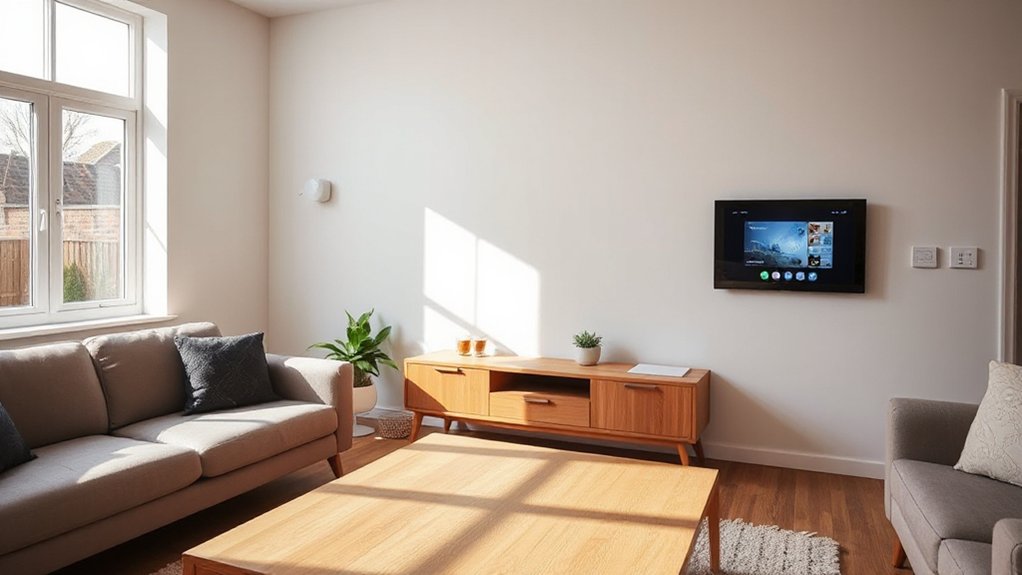

You’re about to make smart home upgrades that fit a UK home’s rhythm—precision heating, automated lighting, and security that adapts to daily routines. With future-proof standards and strong cybersecurity, you’ll cut bills while boosting comfort and resilience. But the path isn’t one-size-fits-all, and the specifics matter: where to start, what to upgrade first, and how to guarantee interoperability. Start here to map your best next move.
Key Takeaways
- Prioritize a unified smart home platform with cross-brand interoperability for reliable automation and UK-focused support.
- Install smart heating with zonal control and adaptive schedules to cut boiler energy while targeting comfort.
- Use energy-efficient lighting (LEDs) with occupancy sensing, scene-based control, and automated scheduling to reduce bills.
- Add water-conscious safeguards: leak sensors and automated shutoff valves to prevent waste and damage.
- Enhance security and privacy with encrypted devices, regular firmware updates, strong authentication, and data-minimizing practices.
What a UK Smart Home Delivers: Definitions, Benefits, and Examples
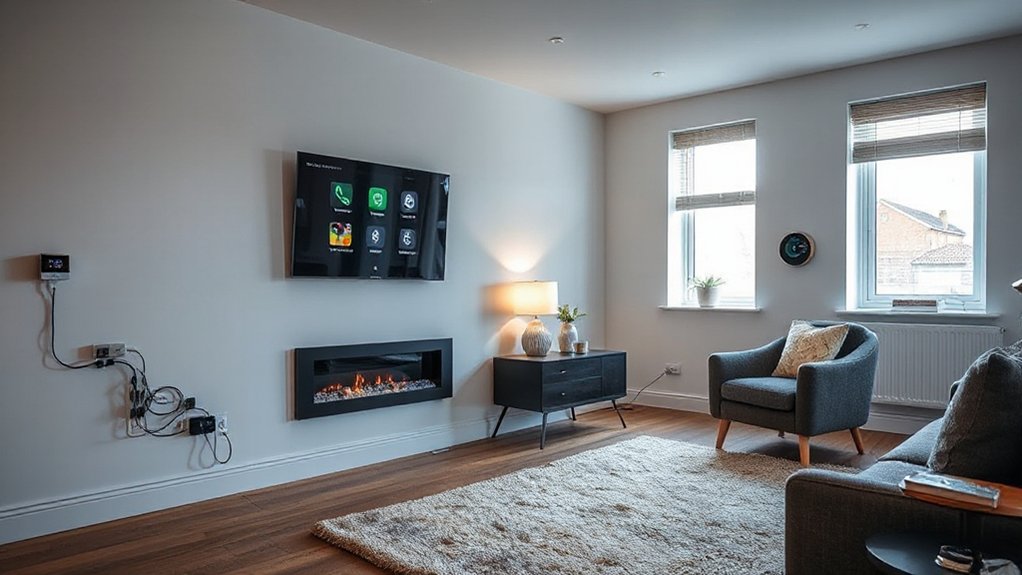
A UK smart home delivers a cohesive system of connected devices and services that simplify everyday living while boosting efficiency, security, and comfort. You gain a clear definition: integrated technologies that communicate through a unified platform, enabling predictable automation and remote monitoring.
Benefits include energy savings, enhanced safety, and convenience, with consistent user experiences across rooms and devices. Examples span lighting, heating, security cameras, and entertainment systems that respond to your routines.
Smart home architecture shapes reliability, scalability, and interoperability, ensuring devices work together rather than in isolation. Voice control integration adds immediacy, letting you command scenes, adjust temperatures, or arm alarms hands-free.
In practice, you’ll design routines that reinforce comfort and efficiency while maintaining privacy and control over your data.
Quick Wins to Slash UK Bills Today
Smart homes already optimize energy use, but you can start cutting bills today with proven, practical steps. Start with smart garden integration: water less, grow more, and reduce lawn maintenance costs by grouping drought-tolerant specimens and using smart irrigation that adjusts to weather forecasts.
Next, focus on automated blinds to curtail daytime heat gain; set schedules that align with sun angles to keep rooms cooler without cranking AC. Seal gaps and improve door and window efficiency to prevent sneak losses, then replace inefficient bulbs with LEDs.
Use a power strip approach for electronics to stop standby consumption. Track consumption with a simple energy app, and phase in upgrades gradually to maximize savings without disruption. These quick wins deliver immediate, measurable reductions.
Heating Smart Controls for UK Homes
Installing a smart thermostat is the first step to precise control, letting you tailor heating to when you’re home or away.
Zonal heating lets you split comfort across rooms, boosting efficiency and comfort where you actually need it.
Together, these technologies enable meaningful energy savings and a clearer path to smarter UK home management.
Smart Thermostat Installation
To optimize heating efficiency in UK homes, a smart thermostat installation centers on precise temperature control and intuitive scheduling, making it easier to tailor comfort to your daily routine. You’ll benefit from adaptive learning, which observes occupancy patterns and adjusts settings to minimize waste.
Choose a model with clear app interfaces, reliable connectivity, and compatibility with common UK boiler standards. Prioritize a device that supports open protocols for future upgrades and straightforward firmware updates.
Set reasonable hold temperatures and seasonal schedules that align with daylight hours and workdays, reducing unnecessary boiler activity. Position the thermostat away from heat sources and drafts to maintain accurate readings.
Zonal Heating Benefits
Zonal heating offers targeted comfort and energy savings by dividing your UK home into independently controlled areas or rooms. You’ll gain precise thermal control, minimizing heat in unused spaces and preventing temperature drift across living areas.
With temperature zoning, you tailor each zone to its use and occupancy, delivering consistent comfort without overheating bedrooms or overcooling lounges. Modern systems synchronize boiler output, pumps, and valves, responding to real-time conditions for rapid adjustments.
You’ll notice reduced energy waste, because heat isn’t dumped into empty corridors or stairwells. This approach also supports seasonal adaptations, letting you predefine schedules that match daily routines.
Implementation remains straightforward: pair smart thermostats with zone valves or dampers, configure heat priorities, and monitor performance via a central interface.
Energy Savings Potential
Could smart controls really trim your heating bills across a UK home? The energy savings potential hinges on precise, responsive schedules and clear visibility of consumption. When you link heatingsmart devices with Renewable Integration, you align outputs with real-time weather, occupancy, and plant efficiency, reducing waste without compromising comfort.
You’ll experience lower runtime on boilers and heat pumps as the system learns your patterns, shifting to eco modes during milder periods. Behavioral Shifts matter: a disciplined routine, thermostat setbacks, and mindful radiative behavior compound returns.
In practice, bespoke zoning plus adaptive scheduling liberates meaningful reductions, especially in older, poorly insulated dwellings. Guarantee your controls support open protocols, regular maintenance, and data access, so you can verify savings, adjust strategies, and sustain long-term energy performance.
Lighting Solutions That Cut Running Costs in the UK
Smart lighting choices can dramatically reduce running costs in UK homes, especially when you combine efficient fixtures with intelligent controls. You’ll benefit from LEDs with high lumens-per-watt and long life, which lower replacement cycles and energy use.
Choose lighting automation to tailor output to occupancy, time of day, and room function, avoiding wasteful over-illumination. Dimmed, scene-based, and zoned lighting produce meaningful savings without sacrificing comfort.
Integrate smart bulbs into your routines to guarantee lights switch off when rooms are unused, and leverage timers for peak-demand periods. Pair bulbs with compatible controllers and sensors to maximize efficiency across kitchens, living spaces, and hallways.
This approach delivers predictable bills, faster payback, and a modern, adaptable home environment.
Smart Meters and Energy Dashboards for UK Households
Smart meters give you precise, real-time insights into your energy use, empowering you to spot where you can cut consumption.
With energy dashboards, you see current and historical data side by side, so you can compare a hot water cycle or a device idle time at a glance.
This approach sets the stage for you to optimize usage patterns and reduce bills across your UK home.
Monitoring Energy Use
For UK households, monitoring energy use begins with clear visibility into consumption, cost, and trends, enabled by smart meters and complementary energy dashboards. You’ll gain real insight into when, where, and how you spend, empowering targeted efficiency actions.
The system translates meter signals into intuitive charts, alerts, and historical comparisons, so you can identify spikes, habitual waste, and seasonal shifts. With this visibility, you’ll prioritize measures that yield tangible savings, from improving insulation to scheduling high-load tasks during cheaper periods.
Embracing Renewable integration, you align generation and demand, optimizing costs and carbon footprint. A skilled eye on consumption also informs your choice of smart appliance upgrades, ensuring devices support automation and granular control without overwhelming complexity.
This disciplined approach elevates home efficiency, clarity, and long-term energy resilience.
Real-Time Consumption Dashboards
- Understand daily consumption spikes with clear visuals
- Compare devices and rooms to optimize usage and cut waste
- Track progress toward goals using intuitive dashboards
Choosing a UK Smart Home Platform and Ecosystem
Choosing a UK smart home platform isn’t just about features; it’s about compatibility, data privacy, and ongoing support that match UK standards and energy regulations.
You should evaluate ecosystem breadth, cross-brand interoperability, and the vendor’s commitment to updates, security patches, and local compliance.
Prioritise a platform that supports voice control across devices and offers robust routines that align with your daily UK routines.
Assess ease of installation, device discovery, and reliable firmware management, ensuring long-term resilience.
Consider smart hubs as central controllers, but guarantee they don’t create single points of failure or data bottlenecks.
Favor ecosystems with transparent data handling, clear terms, and responsive UK-based support to sustain performance, privacy, and energy efficiency over time.
Secure Your UK Smart Home: Cyber Safety Basics
Securing your UK smart home starts with a clear, practical approach to cyber safety. You’ll establish baseline protections, then layer defenses to limit risk. Prioritise cybersecurity awareness so every family member recognises phishing attempts, weak passwords, and unusual device behavior.
Keep data privacy at the core by tightening permissions, reviewing app access, and minimising data sharing with third parties. Regularly update firmware and apps, enable automatic security updates, and segment networks to isolate sensitive devices.
Use strong, unique passwords and a reputable password manager. Adopt two‑factor authentication where possible, and monitor account activity for anomalies.
Stay informed about new threats, and document your security practices for future upgrades.
- Build a simple, role‑based device access policy
- Periodically audit connected devices and permissions
- Maintain a routine for firmware and app updates
Smart Security for Doors, Windows, and Perimeter Monitoring
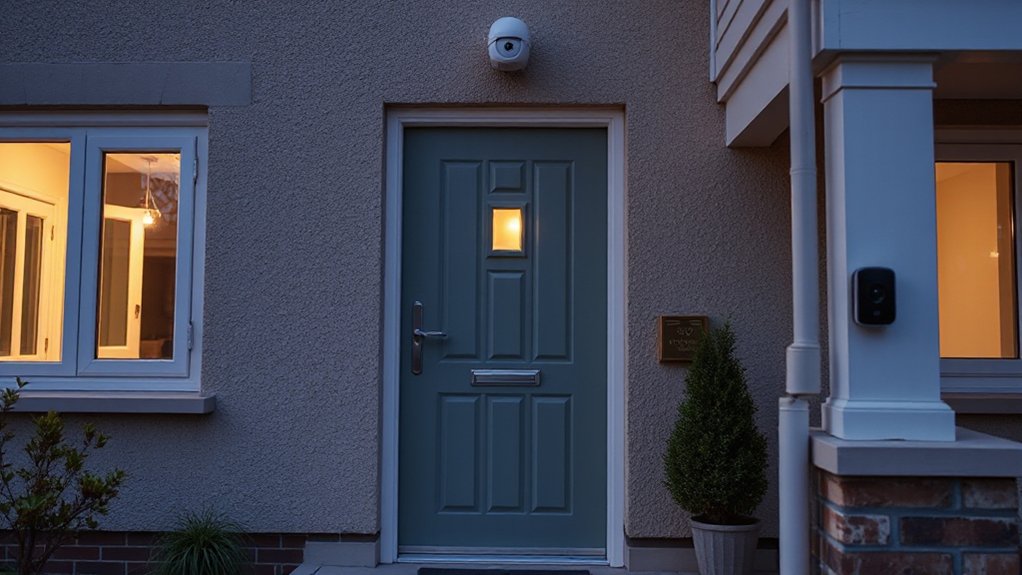
Pair these with a centralized security hub that analyzes sensor data and dispatches perimeter alerts when anomalies arise. Prioritise magnetic sensors on all entry points and place motion detectors to cover vulnerable corridors, patios, and gates.
Integrate cameras with intelligent motion zones to confirm activity before you react. Guarantee encrypted wireless connections and regular firmware updates maintain resilience against tampering.
Finally, test every component monthly and configure notifications for immediacy, so you respond promptly without compromising privacy or comfort.
Water Efficiency: Leak Detection and Smart Valves for UK Homes
Water efficiency in UK homes hinges on proactive leak detection and smart valves that respond in real time. You’ll reduce waste, protect property, and lower bills by pairing sensor networks with automated valves that shut off on anomaly.
Focus on leak prevention by monitoring both visible and concealed sources, and choose devices with easy integration into your existing plumbing. Valve automation should prioritize fail-safe defaults and clear alerts, so you act quickly when an issue arises.
Implementing these tools creates a proactive defense against hidden damage and water waste, while supporting a smarter, more resilient home system.
- Detects slow drips before they escalate into damage
- Automates shutoff to prevent flooding or waste
- Seamlessly integrates with your home automation platform
Power Management: From Quick Wins to Deep Energy Savings
Power management in UK homes should start with quick wins that reduce consumption today, then scale to deeper, system-wide savings over time. You’ll optimise loads strategically, using intelligent thermostats, smart plugs, and appliance scheduling to shave peak demand without sacrificing comfort.
Embrace a phased approach: curb standby drains, improve insulation, and shift non-urgent tasks to off-peak periods. Integrate a smart grid mindset, coordinating with grid signals to exploit lower-carbon, lower-cost periods.
Prioritise renewable integration where possible, pairing solar or heat pumps with energy storage to flatten generation and consumption curves. Maintain visibility with real-time energy monitoring and actionable dashboards, enabling precise targeting of high-usage devices.
This disciplined, data-driven practice delivers durable efficiency, lowers bills, and supports broader decarbonisation goals.
Tenant and Owner Considerations: Connectivity, Wiring, and Access
As you scale from quick wins to deeper savings, tenant and owner considerations shape how connectivity, wiring, and access are implemented in UK homes. You’ll balance reliable wireless access with clear boundaries on tenant privacy, ensuring systems serve everyone without overreach.
Wiring plans should accommodate future upgrades while preserving existing layouts, easy access for servicing, and minimal disruption to occupants. Access controls must protect sensitive data and grant appropriate permissions for landlords, tenants, and plumbers or engineers.
Align contracts and warranties to reflect shared responsibilities, compliance, and safety standards. Documentation should be precise, accessible, and regularly reviewed to prevent surprises.
- Wireless access zones and QoS expectations
- Tenant privacy safeguards and data handling
- Clear roles, permissions, and maintenance procedures
Room-by-Room Upgrades: Scalable Plans for Budgets
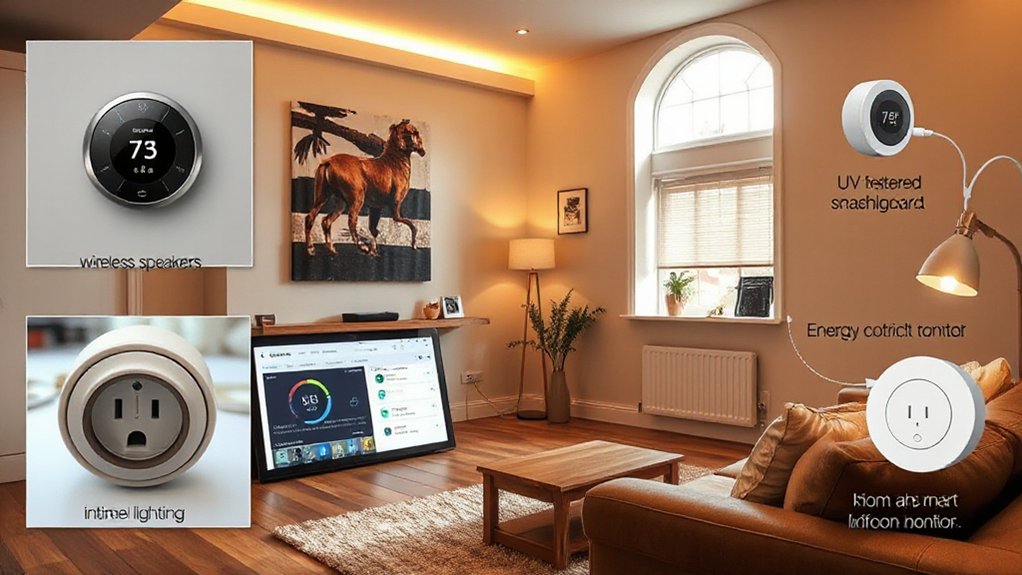
Room-by-room upgrades let you scale an overall smart-home plan without blowing the budget. You’ll prioritize core capabilities first, then layer features room by room as funds allow.
Begin with a small, reliable hub, then add compatible devices that deliver tangible benefits: energy control, secure access, and seamless automation routines. Treat each space as a module, defining essential functions for daily life, such as comfort, safety, or convenience, before fancy integrations.
Maintain a clear upgrade path, choosing devices with proven interoperability and strong update support.
For interior decor, select discreet sensors and controls that blend with design, minimizing visual clutter.
Plan outdoor automation alongside indoor wheels, focusing on lighting, timing, and climate-aware adjustments that extend curb appeal and security without overreach.
Maintenance, Troubleshooting, and Future-Proofing Your UK Smart Home
Regular maintenance keeps UK smart homes reliable and secure, so you should schedule routine checks, firmware updates, and battery replacements as part of your normal housekeeping. You’ll diagnose connectivity issues, verify device compatibility, and plan future-proofing steps to avoid obsolescence.
Prioritise garden automation capabilities and smart appliance integration, ensuring seamless interoperability across brands and ecosystems. Establish a clear maintenance calendar, document failures, and test fallback routines to minimise downtime.
When troubleshooting, isolate variables, consult logs, and apply targeted firmware patches before replacing hardware. For future-proofing, choose standards with broad support, modular components, and over-the-air update paths.
Stay informed about security best practices and energy efficiency to sustain long-term value.
- Maintain a centralized, up-to-date inventory of devices and firmware
- Prioritise open standards to ease smart appliance integration
- Schedule regular security audits and feature upgrade reviews
Frequently Asked Questions
How Long Does a Full UK Smart Home Upgrade Take?
A full UK smart home upgrade typically takes 1–4 weeks, depending on scope. You’ll experience Smart technology integration streamlined by a clear Installation process, with scheduling, wiring, device setup, and testing completed efficiently under expert supervision.
Are There Any Upfront Installation Fees in the UK?
Yes, there can be upfront fees. You’ll usually encounter installation costs, setup charges, and professional labor, though some providers offer discounted bundles. Compare quotes to avoid hidden upfront fees, and confirm which items are included in the price.
Can Smart Devices Be Rented or Rented-To-Own in the UK?
Yes, you can access Smart device financing with rent-to-own options. You’ll typically pay monthly, own the devices after terms conclude, and enjoy flexible eligibility while balancing total costs against upfront fees and device lifecycle needs.
Do UK Insurers Offer Discounts for Smart Home Features?
Yes, insurers offer discounts for smart home features. You can save with insurance discounts by installing vetted smart devices, and some providers offer premium reductions under smart home policies when you demonstrate security and risk reduction.
What Maintenance Cadence Do UK Systems Require After Setup?
You should calibrate devices monthly and run system updates quarterly, ensuring calibrations stay accurate and firmware remains secure. Regular checks detect drift, verify connectivity, and confirm integration across zones, backups, and automations, maintaining dependable smart-home performance.
Conclusion
You’ve got the blueprint for a smarter UK home in hand. Implement targeted, scalable upgrades—thermostats, lighting, sensors, and energy dashboards—while prioritising interoperability and security. From quick wins to deep savings, you’ll slash bills, boost comfort, and future‑proof your property. Stay vigilant on wiring and access, and keep maintenance routine. Embrace a resilient, connected living environment, fit for today and tomorrow—minus the jargon, plus a dash of a perfectly timed dial-up nostalgia.