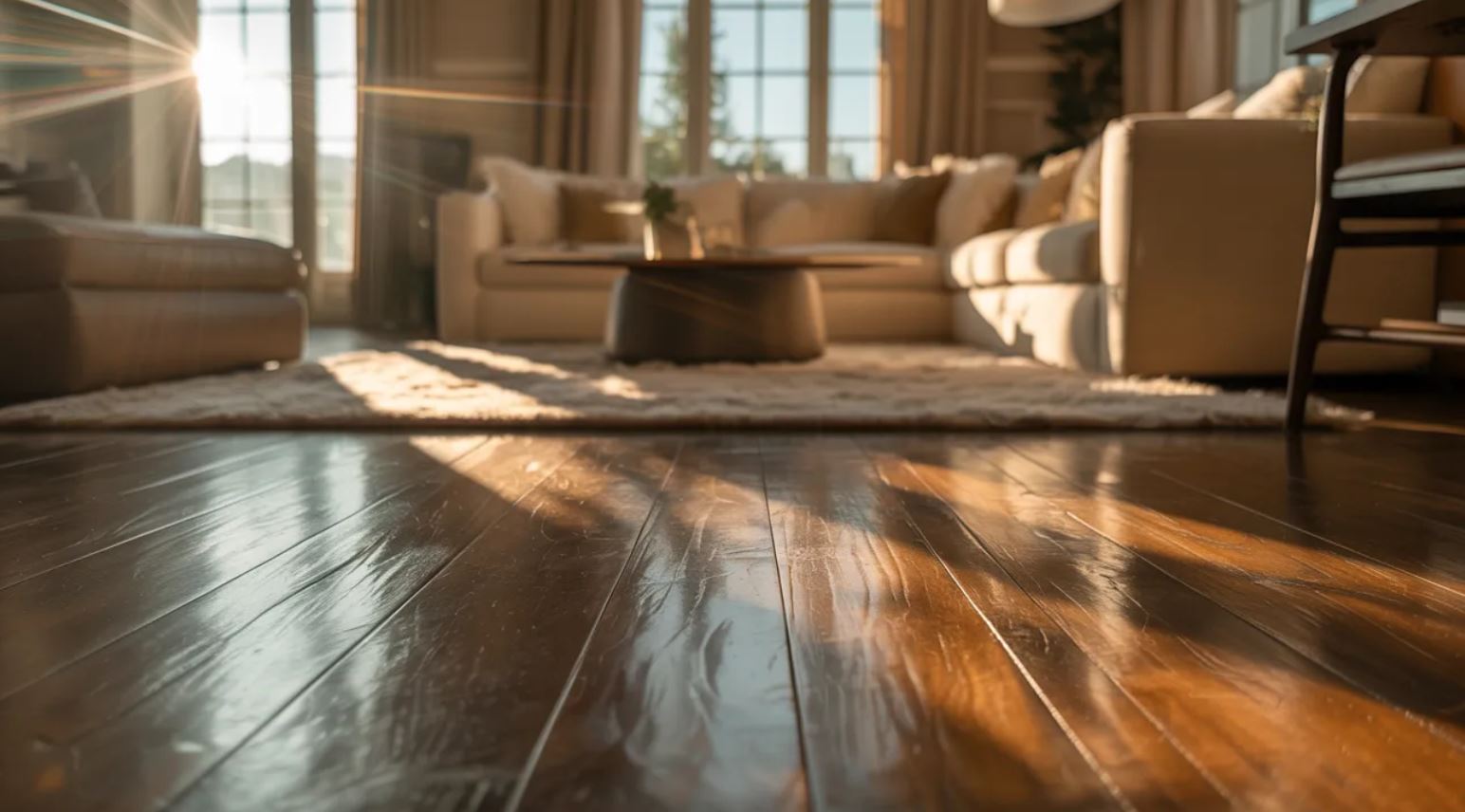

If you’re upgrading floors to boost value, start by choosing durable, timeless materials and a neutral color that appeal to more buyers. You’ll want professional installation and clear warranties to back up longevity, then document the results with high-quality photos. Ready to weigh hardwood against luxury vinyl and map out room-by-room upgrades that fit your budget? There’s a straightforward framework that could change how you approach every decision.
How Flooring Upgrade Value Is Calculated
When determining how flooring upgrade value is calculated, researchers compare the cost of the upgrade against its impact on resale price, maintenance savings, and overall durability. You’ll see value reflected in several channels: higher resale appeal, reduced ongoing maintenance, and longer life.
First, assess upfront cost, installation, and any necessary subfloor work. Next, estimate resale bump by testing comparable homes with similar upgrades in your market; this helps you avoid overestimating benefits.
Then, calculate annual maintenance savings from materials like durable vinyl, hardwood, or tile versus carpet. Finally, weigh durability and wear resistance against expected lifespan.
Consider compatibility with climate, foot traffic, and style trends. The objective isn’t just a prettier floor, but a solution that sustains value over time while minimizing recurring costs for buyers.
Decide What to Upgrade First: A Simple Framework
Deciding what to upgrade first boils down to a simple framework you can apply in minutes. Start by listing current pain points: frequent spills, stains, scratches, or drafty rooms.
Next, rank rooms by impact on resale: entryway, kitchen, and living areas usually drive value most.
Estimate cost per benefit by comparing materials’ durability, maintenance, and life span.
Set a budget cap and identify quick wins, like flooring that hides wear or improves moisture resistance.
Use a two‑column decision sheet: column A notes upgrade urgency; column B estimates value boost.
Target projects with the best price‑per‑value ratio, ensuring compatibility with existing subfloors.
Finally, sequence upgrades to limit disruption: complete one room at a time, confirm warranty coverage, and verify installers meet standards.
Reassess after each step to refine priorities.
Hardwood vs. Luxury Vinyl: Value Trade-Offs
hardwood vs. luxury vinyl: which gives you more value depends on your priorities, budget, and wear patterns. You’ll weigh longevity against cost, installation ease, and upkeep.
Hardwood delivers timeless appeal and potential value boosts, but it costs more upfront and requires refinishing.
Luxury vinyl offers strong durability, water resistance, and faster installation at a lower price, though it may not improve resale as much as real wood.
Consider traffic areas: kitchens and baths favor vinyl for practicality; living spaces might lean toward wood for warmth and perceived quality.
Resale impact varies by market; in some areas, buyers expect wood in main rooms.
Make your choice based on how long you plan to stay, maintenance willingness, and the value you prioritize rather than current trends.
Choose Finishes and Colors That Resell Well
Choosing finishes and colors that resell well starts with knowing what buyers expect in your market. You’ll benefit from neutral, timeless palettes that feel fresh without being polarizing.
Go for light to mid tones in flooring and walls—these brighten spaces and photograph well, helping rooms appear larger. Choose durable finishes that hide wear, especially in high-traffic areas, and select consistent grain patterns that read cohesive across rooms.
Refrain from trendy, bold colors that may alienate future buyers; instead, favor classic contrasts—warm wood tones with cool grays or creamy neutrals. Keep trim and baseboards simple, matching or subtly contrasting, to maintain flow.
Consider sample testing in key spaces to verify lighting impact. Finally, document finishes, colors, and maintenance to simplify buyer decisions and speed closings.
Room-By-Room Upgrades That Boost Value
Room-by-room upgrades let you target value where it matters most, from the entry to the living areas and beyond. You don’t have to redo every space at once; prioritize high-traffic zones first, like hallways, kitchens, and baths, where buyers notice immediate improvements.
In bedrooms, choose durable, comfortable flooring that reduces noise and feels inviting. Living rooms benefit from cohesive tones and consistent textures that promote flow.
Kitchens and baths should emphasize moisture resistance and easy maintenance, so select resilient materials with solid warranties. Consider underlayment for comfort and sound, plus proper insulation to improve energy use.
Don’t overlook stairs and trim; fresh risers, rails, and transition strips create a polished, connected look. Pair flooring choices with smart color contrasts to maximize perceived value.
Budget-Upgrades With Maximum Return on Investment
Budget-friendly upgrades pay off biggest when they target high-visibility areas and long-term durability. You’ll get the most value by choosing materials that resist wear and look clean for years, not just seasons.
Start with mid-priced vinyl or laminate that mimics hardwood, offering easy maintenance and lower installation costs. If you prefer a real-wood feel, consider engineered options that resist moisture and swelling in busy zones like kitchens and entryways.
Prioritize easy-to-clean finishes and scratch resistance in high-traffic hallways. Install underlayment that reduces sound and adds comfort, boosting perceived value.
Pay attention to matching color and grain with existing decor to avoid pricey replacements later. Finally, select durable finishes with transferable warranties to appeal to buyers.
When to Upgrade for Maximum Value
Timing matters. To maximize value, time your upgrade when potential buyers’ expectations are rising and your local market isn’t saturated with cheap alternatives. Target midrange materials in durable formats that appeal broadly, then pair them with timeless styles that won’t look dated quickly.
Consider upgrading before listing, or after you’ve addressed major wear and tear, so the improvement is fresh in buyer minds. Avoid over-improving beyond the neighborhood standard; premium upgrades rarely pay off in more modest markets.
Factor in depreciation and replacement cycles—luxury finishes may not translate into proportional value in all areas. If you’re unsure, run a quick comparison of recent sale data to see which flooring types led to faster offers and stronger bids.
Plan strategically, and you’ll maximize return without overspending.
Installation Quality and Value: What to Expect
Quality installation matters as much as the material itself because shoddy work can negate even premium flooring. When you invest in new flooring, you’re not just buying planks or tiles—you’re securing a lasting seal between surface and subfloor, underlayment, and transitions.
Expect precise measurements, clean cuts, and secure fasteners that prevent squeaks, gaps, or movement. A professional install should include moisture validation, proper acclimation, and alignment that honors grain or pattern.
Ask for clear workmanship standards, warranties, and a step-by-step timeline. You’ll notice smoother transitions to adjoining rooms, fewer high spots, and consistent color finish.
Avoid DIY shortcuts that compromise durability. Value emerges through attention to detail, correct adhesives, and proper sealing, which reduce maintenance and extend your flooring’s life and appeal.
Quick Wins: Minimal Disruption, Maximum Return
You can unlock quick wins with minimal disruption by choosing upgrades that don’t require major renovations or downtime. Think peel-and-stick vinyl planks, fresh carpet tiles, or durable laminate replacements that install over existing floors. These options offer visible value fast, with limited mess and predictable timelines.
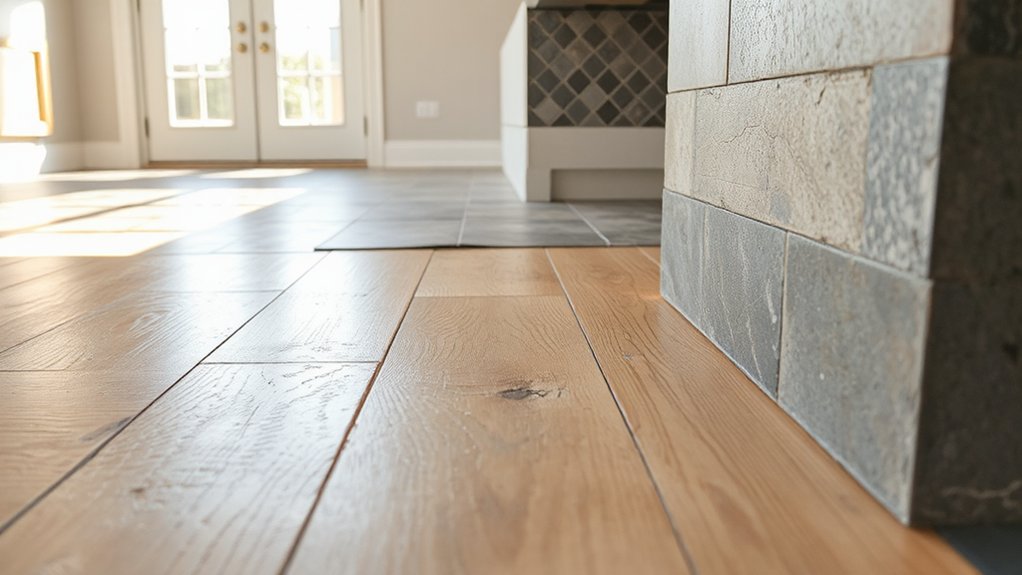
Prioritize products with proven wear resistance and easy maintenance to maximize return over time. Keep transitions simple: matching thresholds, streamlined baseboards, and a cohesive color story create a polished look without a full refresh.
If you rent, choose low-odor products and quick-clean formulas to avoid downtime. Ask for warranties and easy return policies to protect your investment.
Finally, document before-and-after photos to amplify marketing value and help justify asking price or rent increases.
Conclusion
When you upgrade, you’re not just changing floors—you’re boosting curb appeal, functionality, and buyer confidence. Prioritize durable finishes, neutral tones, and a polished installation to maximize return. Track costs, compare materials like hardwood and luxury vinyl, and document warranties and care guides. Use high-quality photos to justify higher asking prices. With smart choices, phased upgrades, and minimal disruption, you’ll enhance resale potential and overall property value without overdoing it. Your updated floors can pay off.