
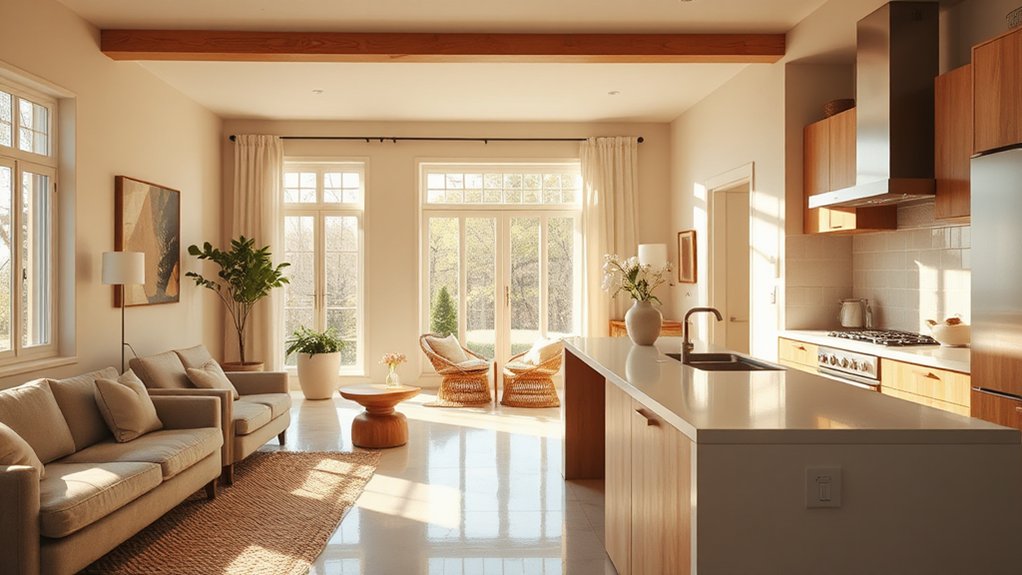

The surprisingly brilliant home upgrade nobody talks about is focus on small, practical comfort tweaks that pay off fast. Start with sealing drafts and insulating key areas to slash energy waste, then layer warm, adjustable lighting to lift mood without clutter. Add low-fuss smart switches to automate routines, and choose textiles that feel luxe yet wear well. These tweaks dovetail with quick maintenance and smart, budget-friendly tech. If you keep exploring, you’ll uncover even more ways to upgrade with ease.
Key Takeaways
- Focus on sealing drafts with weatherstripping and foam to cut energy bills without complex gadgets.
- Use programmable diffusers with replaceable oils to create daily sensory comfort on a budget.
- Implement quick daily 5-minute maintenance routines to prevent HVAC and moisture issues.
- Layer lighting with warm temperature (2700–3000K) and dimmers to boost mood without big costs.
- Add modular storage and one or two focal decor pieces to instantly enhance room vibe and practicality.
Start Here: Small Upgrades That Deliver Big Comfort
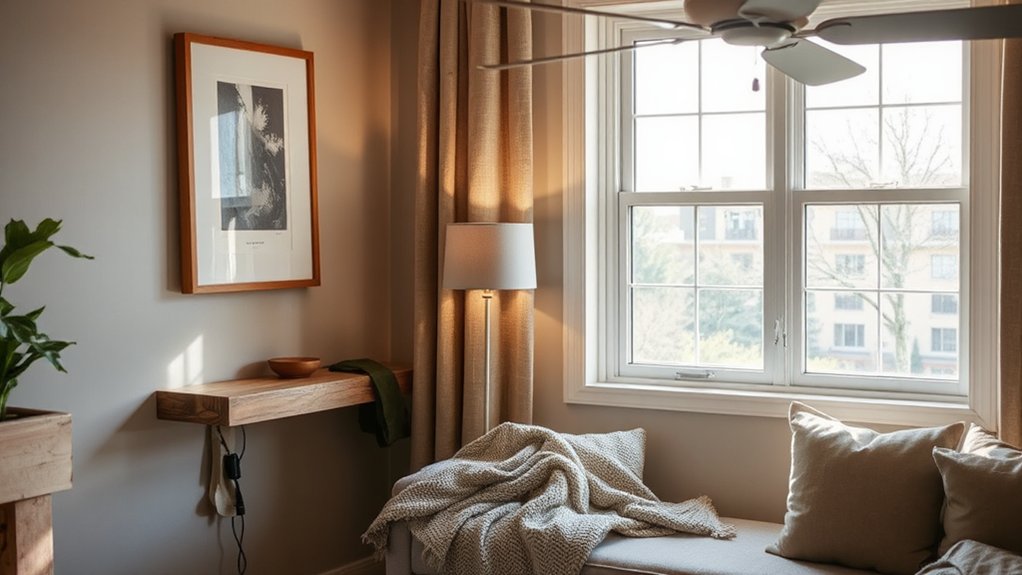
Small upgrades add noticeable comfort without breaking the bank. You’ll start with smart, tangible changes that fit real life, not fantasies. Prioritize practical upgrades that compound over time: Creative storage solutions optimize your footprint while reducing clutter, so you move with ease and reclaim usable space.
Choose modular bins, under-bed organizers, and wall-mounted shelves that don’t require major construction. Next, address sensory comfort with calming scents; a consistent, subtle aroma lowers stress and feels intentional. Use a programmable diffuser and replaceable oils to maintain stability.
Avoid overdoing decor; select one or two high-impact pieces, like a compact lamp or a quality rug, and place them where they’ll be used. Finally, track results for a week to confirm comfort gains without disruption.
Warm, Welcoming Light: Why Mood Matters
You’ll shape mood by warm shelving that softens shadows and invites lingering.
Start with glow-first lighting choices, then tune color temperature to support tasks and relaxation.
Understanding color temperature psychology helps you balance warmth, clarity, and energy throughout the space.
Warmth Through Shelving
Shelving isn’t just storage; it sets the mood of a room. When you arrange shelves with intention, you sculpt warmth as much as function.
Use sturdy, open displays to catch and diffuse light from nearby lamps, letting softer zones contrast with bright focal points. Integrate vintage decor pieces sparingly to anchor character without clutter, and rotate items to keep energy fresh.
Place wall art at eye level to create a respectful interplay with weighty shelves, guiding the eye and distributing color softly across surfaces. Keep a neutral backdrop and warm-toned accents to amplify glow without glare.
Schedule regular resets: dust, declutter, and re-balance height, texture, and spacing. Thoughtful shelving ships mood—calm, inviting, and purposefully bright.
Glow-First Lighting Choices
Glows that feel intentional start with the right light sources, not just brighter bulbs. You’ll shape mood by prioritizing glow over glare, layering sources, and choosing finishes that diffuse evenly. Glow-first lighting guides you to think about vintage fixtures and natural materials for authentic warmth, avoiding clinical coolness.
Use dimmers to modulate intensity, keep color consistent across fixtures, and select lamps that cast soft, wide-beamed light. Practical setup means defining zones: task, ambient, and accent, then calibrating each with purpose-built luminaires.
Focus on efficiency without sacrificing texture or depth. Your home gains depth when light complements finishes, textures, and shadows. Embrace thoughtful placement over brightness alone, and let warm tones define your spaces.
- Layered ambient, task, and accent lighting
- Dimmed, warm-toned sources for evenings
- Vintage fixtures with natural materials
- Consistent color rendering across rooms
Color Temperature Psychology
Color temperature isn’t just about brightness; it shapes how you feel in a room. When you pick **warm temps** (roughly 2700–3000K), you invite coziness, ease, and sociability, which supports relaxed conversations and lingering meals.
Cooler temps (around 3500–4100K) sharpen focus, making tasks feel efficient and purposeful, yet they can erode warmth unless balanced with texture.
Your choices drive color psychology: warmer light nudges you toward comfort, cooler light pushes alertness, and mid-range blends support both.
Temperature perception isn’t purely subjective; junctions of light and shadow alter perceived space, influencing perceived size and mood.
For habitability, layer sources: ambient, task, and accent lighting calibrated to the room’s function and timing.
In practice, test presets, note energy drift, and adjust to maintain consistent mood.
Seal Drafts for Real Savings (How Much to Expect)
Sealing drafts is one of the fastest ways to cut energy loss and trim utility bills, with savings starting as soon as you deploy door sweeps, weatherstripping, and outlet gaskets. You’ll quantify impact by simple checks: measure gaps, install targeted material, and recheck comfort. Expect steady energy savings as leaks close, not dramatic swings that require weeks. Draft sealing focuses on air pathways, delivering measurable performance without fancy gadgets.
1) Identify hot-and-cold corridors with a smoke test to locate breaches.
2) Prioritize gaps around doors, windows, and electrical outlets for immediate gains.
3) Use appropriate materials (foam, vinyl, or weatherstripping) for each gap.
4) Reassess after seasons change to verify ongoing energy savings.
Smart Switches That Save Time, Not Temptation
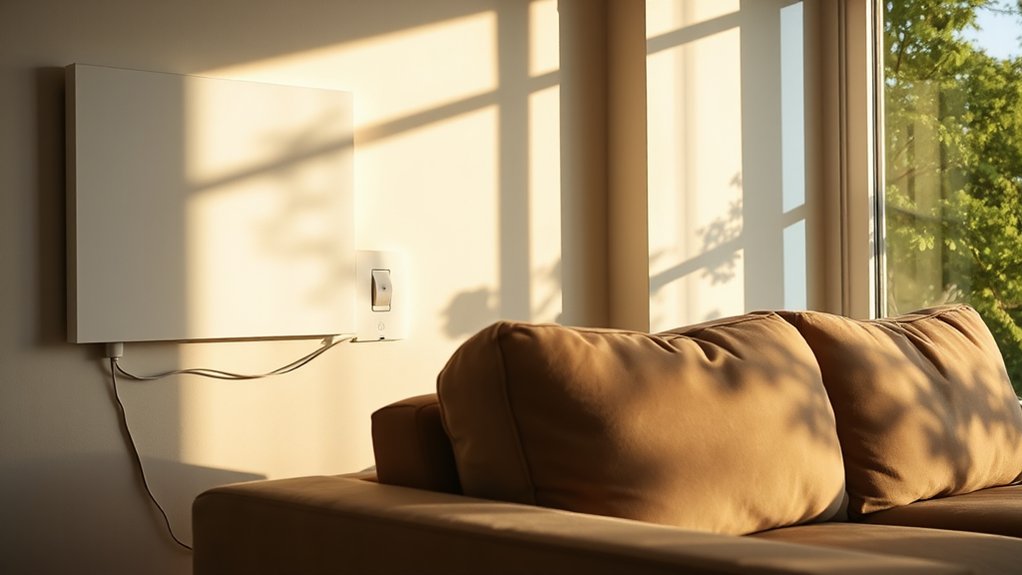
You’ll streamline daily routines with automated shortcut routines that run without you thinking about them. Pairing your smart switches with the app lets you schedule power-saving modes, so you’re not tempted to override settings during busy days.
Use simple app pairing to guarantee reliable controls, quick adjustments, and clear energy benefits from the listed points: automated shortcuts, power-saving schedules, and easy setup.
Automated Routine Shortcuts
Smart home routines can transform daily heck-steps into seamless habits, and automated routine shortcuts do the heavy lifting without extra effort from you. You’ll gain consistent timing, reduced decision fatigue, and predictable outcomes without micromanagement. Implemented thoughtfully, these shortcuts respect security concerns while preserving aesthetic considerations across your space.
- Program bedside and hallway lights to activate with occupancy, minimizing late-night trips.
- Sync coffee prep and morning routines to a single trigger, shortening wake-up friction.
- Schedule HVAC presets that adapt to your schedule, preserving comfort and energy use.
- Link scenes for TV, music, and lighting to reflect activities, not buttons pressed.
Keep firmware current and audit access logs to maintain control.
Power-Saving Scheduling Tips
Power-saving scheduling with smart switches centers on timing and load management, not gimmicks. You optimize when devices draw power, aligning high-draw loads with off-peak periods and your actual usage patterns.
Start with a baseline energy audit to identify stubborn peaks, then assign schedules that minimize simultaneous high-demand events. Use room-by-room zoning to prevent phantom loads from keeping idle devices awake.
Prioritize critical circuits, like refrigerators or sump pumps, with fail-safes, while delaying nonessential charging or entertainment gear. Leverage compact timers, geofencing, and occupancy rules to make certain lights and climate controls respond only when needed.
Track appliance efficiency improvements over time; even small shifts reduce overall consumption. Regularly review patterns and adjust thresholds to sustain meaningful energy savings.
Simple App Pairing
Pairing smart switches with a simple app should feel like a productivity boost, not a setup chore. You’ll experience fast, reliable app pairing that minimizes friction and maximizes control. With clear on-screen prompts, you’ll confirm permissions, connect to Wi‑Fi, and complete device integration in minutes, not hours.
- Quick-connect steps keep progress linear and error-free
- Real-time status cues confirm successful app pairing
- Consistent naming and grouping streamline routines
- Seamless integration with scenes and schedules for every room
You’ll gain predictable behavior, responsive control, and fewer manual rechecks. This approach emphasizes user-centered setup, security-conscious pairing, and scalable device integration across ecosystems.
Expect durable connections, intuitive dashboards, and lightweight firmware updates that preserve performance without complexity.
Insulation Basics: Immediate Comfort Boosts
Insulation basics deliver an immediate comfort boost by reducing heat flow and eliminating drafty spots. You’ll notice steadier temperatures once you identify gaps and seal leaks around doors, windows, and attic access.
Focus on thermal barriers—the layer that blocks heat transfer between indoors and outdoors—to keep warmth in during winter and cooling costs down in summer. Prioritize continuous coverage over patchwork; gaps waste energy more than you’d expect.
When you plan insulation installation, verify proper air sealing first, then choose the right material for your climate and space. Avoid compressing batt insulation or overfilling cavities, which reduces effectiveness.
Track progress with simple checks: hold a light to seams, feel for drafts, and confirm that vapor barriers stay intact where required.
Quiet Wins: Simple Sound-Damping Tricks That Work
You’ll start with Quiet Room Basics to set a calm baseline, then layer in Soft Surfaces Matter to absorb incidental noise.
Don’t overlook Door Gasket Tricks, which seal paths that echo and spill sound into living spaces.
Together, these moves create a practical, repeatable approach to quieter rooms without overhauling your layout.
Quiet Room Basics
Ever wonder how a few small tweaks can quiet a room without breaking the bank? You can start with practical, proven steps that don’t require major remodeling. Focus on the basics: control reflections, reduce noise paths, and deploy targeted absorption where it matters most.
- Place acoustic paneling on problem walls to tame flutter echoes and speech intelligibility.
- Seal gaps around doors and windows to minimize leakage that undermines any treatment.
- Add dense textiles or a lightweight rug to dampen mid‑frequency energy without clutter.
- Use a single, purpose-built room diffuser to scatter reflections rather than absorb too much.
Soundproofing essentials come first; optimize border leaks, then apply targeted acoustic paneling for a balanced, quiet space.
Soft Surfaces Matter
Start with textured fabrics on seating, throws, and drapery to reduce flutter echoes and soften high-frequency glare. Next, position acoustic panels at first reflection points on walls to tame midrange energy without crowding the space.
Choose panels with breathable, sound-absorbing cores and fabric fronts that blend with your decor, avoiding visual intrusion. Avoid over-damping; preserve liveliness for speaking voices.
Combine large, soft area rugs with upholstered furniture to create multiple absorption zones. Measure progress with simple listening tests, adjusting placement by ear to balance intimacy and presence.
Door Gasket Tricks
- Inspect hinges and frame gaps; identify where air breaches occur.
- Choose adjustable door gaskets and compressible weatherstrips for tight seals.
- Apply door sweeps at the bottom to block floor-to-door drafts.
- Test with a light breeze or tissue, fine-tuning pressure for a perfect seal.
Climate Control on a Budget: Practical Hacks
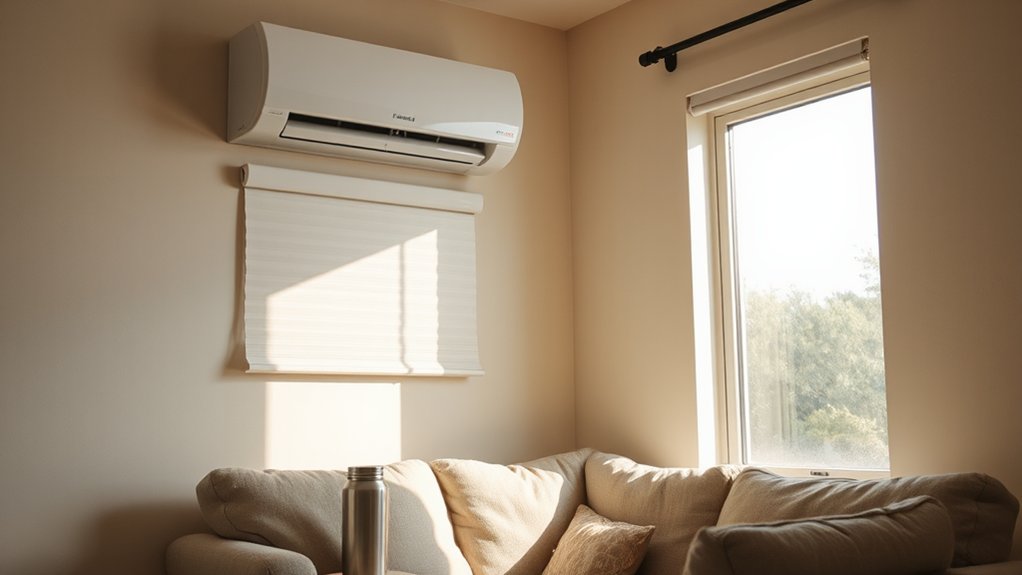
Could you cut your comfort costs without sacrificing performance? You can tighten climate controls with practical, budget-friendly moves.
Start with a smart approach: install a smart thermostat to optimize schedules, learn occupancy patterns, and reduce runtime without impacting comfort.
Pair it with conditioned zones—seal leaks, close doors, and target vents to avoid waste.
Use energy efficient windows where feasible; even modest upgrades cut heat gain and loss, improving overall efficiency.
Maximize natural shading and sun orientation; use blinds or films to blunt peak load, especially in hot rooms.
Dial in fan settings to circulate air evenly, avoiding overcooling or overheating.
Finally, set consistent temperatures seasonally and monitor bills to verify savings.
Comfort by Room: Low-Cost Reconfigurations That Pay Off
Optimize your living spaces by testing smart seating layouts that encourage natural flow and conversation. Consider lightweight zoning to tailor comfort per room, using furniture placement to cue activity without adding cost.
We’ll explore how these tweaks—centering on smart seating and simple zones—translate into tangible comfort gains.
Smart Seating Layouts
Why do smart seating layouts matter in every room? You gain flexible flow, better sightlines, and conversation pacing without new furniture. By prioritizing ergonomic design, you reduce strain and keep paths clear, so guests feel welcomed, not crowded.
Focus on seating ergonomics: support where you rest, align with activity zones, and allow quick reconfiguration for tasks, meals, or relaxing breaks. Small moves—rotate chairs, pair loveseats with ottomans, or angle sofas toward focal points—deliver measurable comfort without a budget hit.
- Reposition zones for eye contact and accessibility
- Pair seating to match daily rituals and traffic patterns
- Use varied heights to maintain balance and posture
- Integrate multipurpose pieces for instant adaptability
Zoning For Comfort
Next, optimize the path between these zones to minimize cross-traffic; place quiet tasks away from doors and kitchens. Use simple fixes: rotate furniture to create distinct micro-areas, close unnecessary doors, and assign a single function to each room.
Consider window treatments to control glare and heat without bulky changes, and pair them with airflow improvements to protect comfort year‑round. Track air quality at key points and adjust ventilation or air cleaners where needed.
Small rearrangements yield meaningful gains in performance, mood, and energy efficiency.
Natural Light and Greenery: Mood-Boosting Effects
Natural light and greenery aren’t just pleasant; they actively shape mood and well-being. You’ll notice sharper focus, lower stress, and faster recovery when you optimize exposure and foliage placement. Use practical tactics that yield measurable benefits without overspending.
- Align work surfaces with windows to maximize natural lighting and reduce eye strain.
- Group two to four indoor plants to create micro-ecosystems that boost air quality and calm.
- Schedule periodic daylight breaks to synchronize circadian rhythms.
- Choose foliage with varied textures to enhance visual interest without clutter.
Strategy tip: combine south-facing or well-lit rooms with a few hardy indoor plants to sustain mood elevation. Implement consistent watering routines and monitor light levels to sustain long-term gains in indoor plants and natural lighting.
Let Data Guide Your Upgrades: Simple Metrics to Track
Data-driven upgrades aren’t optional—they’re essential. You’ll build a practical framework by tracking simple metrics that reveal value over time.
Begin with energy monitoring to identify waste and quantify savings from tweaks you’ve implemented. Set a baseline for monthly consumption, then compare after upgrades to confirm impact.
Next, measure comfort-related indicators like temperature consistency and room-by-room variance; stable conditions usually align with lower energy use and better livability.
Use data visualization to translate numbers into actionable insights: charts that show trends, peak hours, and correlations between use and cost.
Keep dashboards focused on core questions: which upgrades deliver real return, and when will payback occur? Review quarterly, adjust priorities, and retire underperforming ideas.
You’ll stay sharp, intentional, and consistently improving.
Room-by-Room Smart Plausible Upgrades (Kitchen, Living, Bath, Bedroom)
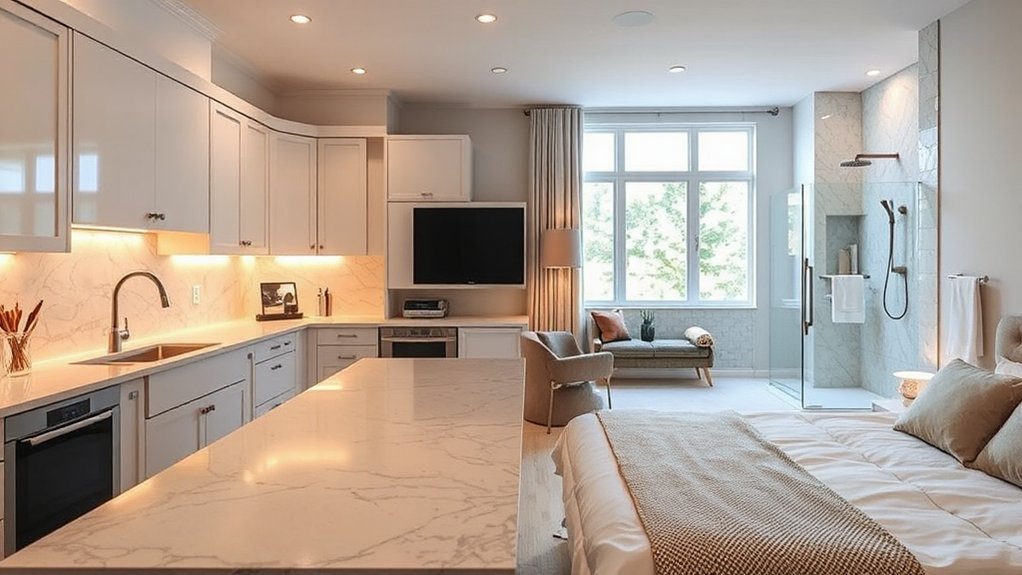
Room-by-room upgrades deliver tangible gains when you tailor fixes to each space. You’ll map practical, performance-oriented choices for Kitchen, Living, Bath, and Bedroom, using a tight lens on daily use and cost efficiency. Implement smart but plausible tweaks that blend function with DIY decor flair and grounded energy audits to verify results.
1) Kitchen: replace efficient lighting, seal gaps, and restructure storage for tighter margins.
2) Living: optimize layout, add smart plugs, and choose low-drag climate controls.
3) Bath: fix leaks, upgrade aerators, and install programmable temperature presets.
4) Bedroom: improve insulation, dimmable lighting, and temperature zoning for restful nights.
Textiles and Fabrics That Feel Luxe, Spend Less
From here, you can maximize comfort and style without inflating costs by choosing textiles and fabrics that read luxe while staying budget-smart. You’ll notice luxe feel comes from texture, weave, and proper care, not price tags.
Prioritize textiles with high thread counts and tight weaves for durability, but verify real composition rather than marketing fluff. Choose midweight fabrics, like cotton blends and performance synthetics, that drape well and resist pilling.
Color and finish matter: matte rather than shiny surfaces look richer and hide wear. Textile durability is enhanced by proper layering—curtains, throw pillows, and upholstery in coordinated neutrals create depth without clutter.
Fabric cleaning tips matter: follow care labels, use mild detergents, and test archival spots. Invest in quality basics, refresh with seasonal accessories, and you’ll preserve a luxe ambience on a budget.
Quick Fixes for Maintenance Momentum
When you’re chasing maintenance momentum, start with a simple, repeatable routine that takes five minutes each day. This quick discipline prevents small issues from spiraling and keeps your systems reliable, clean, and safe. Focus on process, not perfection, and you’ll protect indoor air quality while supporting garden maintenance around the home.
- Inspect and wipe surfaces near HVAC intakes to reduce dust and pollen entering the system.
- Check moisture levels in plants and soil to prevent mold and root rot that can affect air quality.
- Empty condensate pans and clear debris to avoid humidity spikes.
- Squeegee bathroom tiles and vents to deter mold and mildew buildup.
Consistency over intensity delivers durable results for both indoor air quality and garden maintenance.
Choosing Easy, Low-Fuss Tech for Any Home
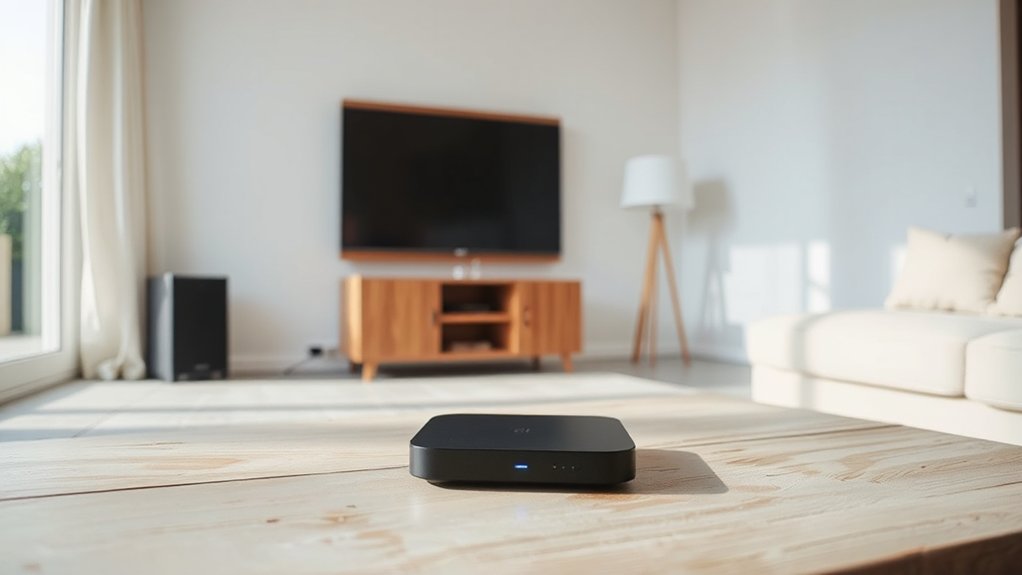
After prioritizing quick, repeatable maintenance, you’ll want tech that keeps working with minimal effort. You choose easy, low-fuss solutions that blend into daily life without constant tweaking.
Focus on reliable smart gadgets that centralize control, auto-update, and require minimal setup, so you’re not babysitting devices. Prioritize interoperability and simple apps, with clear status indicators and remote diagnostics.
For budgeting and efficiency, pair these devices with straightforward energy audits to target meaningful savings without complexity. Favor devices with documented compatibility standards and robust customer support, so fixes come quickly.
Avoid gimmicks; select proven, tasteful hardware that doesn’t demand ongoing customization. Implement automation that actually reduces friction, not adds steps.
In short, practical, durable tech delivers steady comfort with minimal maintenance.
Longevity of Tiny Upgrades: Age-Wise Comfort Gains
Tiny upgrades accumulate into meaningful comfort over time, and their value grows as you adapt routines to them rather than vice versa. You’ll notice cumulative gains in daily ease, especially when each tweak aligns with existing habits. Small changes can extend comfort for aging joints, improve safety, and reduce fatigue in both indoor and outdoor tasks.
- Prioritize chair height and reach for daily tasks
- Integrate low-effort, durable finishes that suit vintage decor
- Streamline outdoor gardening workflows with simple tools
- Plan upgrades around ergonomic principles to sustain long-term use
These micro-improvements compound, creating steadier comfort across rooms and seasons. As you favor consistent, practical upgrades, you’ll preserve aesthetic charm—like vintage decor—while supporting functional resilience.
Longevity hinges on spacing improvements with routine, not impulsive, changes.
Frequently Asked Questions
Do Tiny Upgrades Truly Improve Daily Comfort?
Answer: Yes, tiny upgrades truly improve daily comfort. You’ll feel it with a smarter climate and mood lighting. Smart thermostats regulate temps, aesthetic lighting elevates ambiance, and these tweaks add efficiency, ease, and noticeable everyday coziness.
How Quickly Do Small Upgrades Pay off Financially?
Upgrades pay off quickly, often within months if energy or water savings exceed purchase costs. Do a cost benefit analysis, track using real data, and apply upgrade prioritization to maximize return while improving daily comfort.
Are There Any Risks With Affordable Upgrades?
Yes, affordable upgrades carry risks. For example, a budget kitchen refresh might improve resale, but potential drawbacks include poor durability and mismatched finishes. Consider cost versus benefit, durability, and return before proceeding to avoid regret.
Which Upgrades Require No DIY Skills?
You can choose upgrades requiring no DIY skills: Smart lighting and Acoustic panels. You’ll just hire pros or use simple plug-in options, ensuring precise results, minimal risk, and a practical, expert approach to immediate, hands-off improvement.
Can Tiny Changes Improve Home Resale Value?
Yes, tiny changes can boost resale value. You’ll attract buyers by installing luxury fixtures and integrating smart technology, optimizing energy use, and showcasing streamlined, durable upgrades that feel premium yet practical for everyday living.
Conclusion
You’ll notice the payoff where you least expect it—when a draft stops gnawing at your toes and the lights glow with just enough warmth. Coincidence isn’t magic; it’s smart tweaks stacking up: a softly lit room, a snug seal, a switch that actually saves minutes. You didn’t chase grandeur—you chased comfort that compounds. Do the small upgrades now, and you’ll find tomorrow’s comfort arriving, precisely where you’d hoped, exactly when you needed it.