
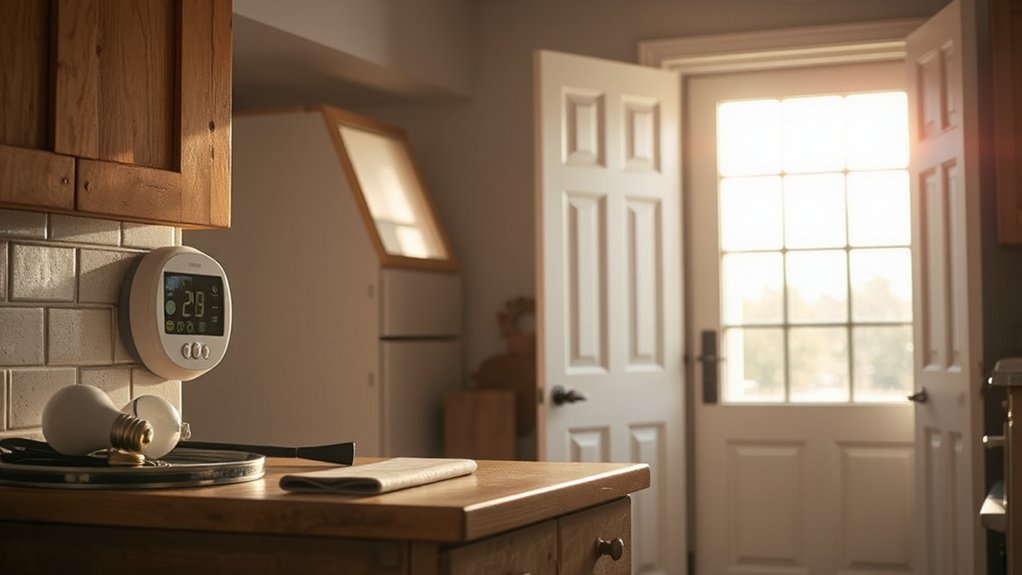

You can dramatically cut energy bills on a budget by combining fast wins with smart fixes and efficient buys. Start with high-impact, low-effort moves like sealing drafts, weatherstripping, and adding attic insulation to stop heat leaks. Install a smart thermostat and monitor usage to spot waste. Choose energy-efficient appliances and run full loads. Track your savings over a few weeks, then plan bigger upgrades that pay back fast. Keep applying small tweaks, and you’ll gain more control and comfort. More tips ahead.
Key Takeaways
- Implement high-impact, low-effort upgrades like smart thermostats, weatherstripping, and window tinting to cut bills quickly.
- Seal gaps around doors/windows, outlets, and ducts; seal attic hatches and insulate to reduce drafts and heat loss.
- Use energy-smart thermostat habits: schedule optimization, occupancy sensing, and ongoing data review to minimize waste.
- Choose energy-efficient appliances with strong labels, compare annual consumption, and run full loads with eco modes.
- Track savings over weeks, map upgrades, and perform simple energy audits to verify savings and guide future improvements.
Find Energy Wins That Pay Back Fast
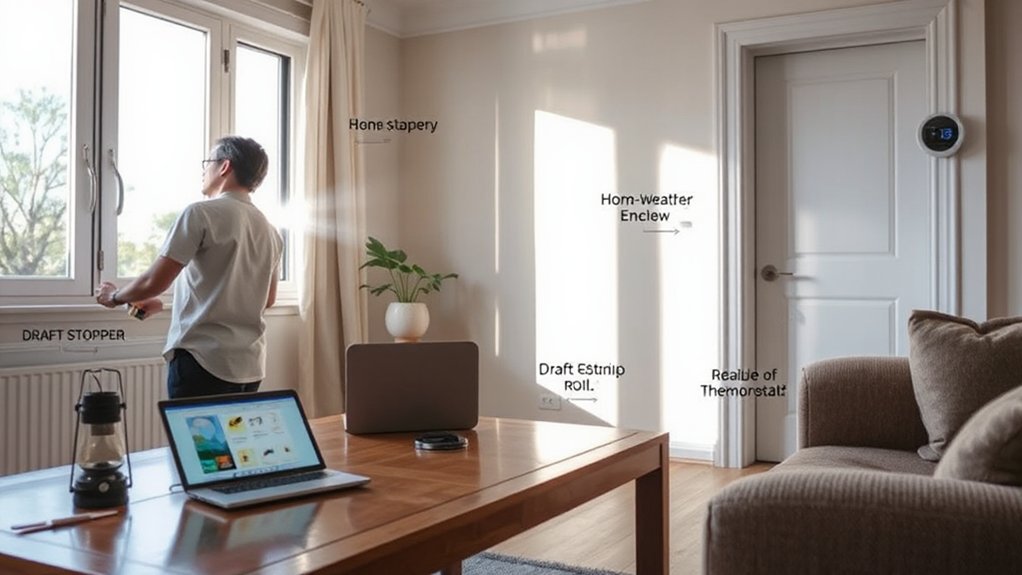
Smart energy wins are those you can implement quickly and see a real payoff. You’ll start with high-impact, low-effort moves that reduce bills today.
Consider solar panels if you have suitable sun exposure; even a modest retrofit can cut your electric bill and boost home value over time.
For apartments or shaded homes, explore window tinting to reflect heat and keep interiors cooler without AC burnout.
Pair these with smart controls—thermostats, motion sensors, and timers—to prevent energy waste when you’re away.
Track your usage for a few weeks to verify savings and identify stray energy drains.
Focus on fixes you can verify within a month, then scale as you confirm value.
Quick wins compound, delivering lasting comfort and lower costs.
Seal, Weatherize, and Cut Drafts for Fast Savings
Even before you crank up the heater or A/C, seal gaps and weatherize your home to trap heat in winter and keep it out in summer. Start with obvious culprits: doors, windows, outlets, and attic hatches. Use weatherstripping, door sweeps, and caulk to close cracks around framing.
Add attic insulation if it’s thin, and seal ductwork to prevent sneaky leaks. Prioritize fast wins: seal gaps around window frames, patch gaps behind vents, and insulate hot-water pipes.
Use window treatments to cut heat transfer without replacing glass, and consider solar panels as a longer-term efficiency boost when budgeting allows. Reduce drafts at fireplaces with chimney balloons or dampers.
These steps deliver immediate comfort and lower bills without complex setups.
Energy-Smart Thermostat Habits That Trim Bills
Want to trim bills with less effort? A smart thermostat can be your best ally. Start with Smart thermostat programming that matches your schedule, not guesswork, so heating and cooling run only when you’re home or asleep. Use a consistent weekday/weekend pattern and let the thermostat learn your routines.
Next, enable energy consumption monitoring to see which hours spike usage and which settings save money. Set modest, incremental adjustments rather than dramatic swings, so you don’t upset comfort.
Take advantage of adaptive features like occupancy sensing to pause climate tasks when rooms are empty. Regularly review the data, refine schedules, and guarantee the device stays calibrated.
With disciplined programming and monitoring, you’ll reduce waste and bills over time.
Efficient Appliances That Save Energy Without Breaking the Bank

If you’ve started trimming energy waste with a smart thermostat, the next smart move is choosing appliances that use less power without blowing your budget. Start with a smart appliance that’s energy efficient by design, not just feature-packed. Look for models with strong energy labels and real-world efficiency ratings, not glossy claims.
Compare annual energy consumption, not upfront price alone, and consider size and usage patterns to avoid waste. Prioritize refrigerators, dishwashers, washers, and dryers that meet or exceed energy-label standards for your region.
Enable any preset Eco or power-saving modes, and run full loads to maximize efficiency. Finally, read warranties and service costs; better efficiency often lowers long-term costs, while poor performance erodes savings.
DIY Upgrades for Comfort and Efficiency on a Budget
You can start by tightening your home’s envelope with targeted insulation for comfort and lower heating costs. Seal air leaks around doors, windows, and ducts to stop drafts and boost efficiency.
Consider practical upgrades like efficient heating options that fit your budget and climate to optimize long-term comfort.
Insulation For Comfort
During a budget-friendly home-improvement plan, prioritizing insulation for comfort reduces drafts, lowers heat loss, and keeps rooms consistently warmer in winter and cooler in summer. You’ll notice steadier temperatures when the attic insulation and wall insulation are properly installed, with minimal seasonal spikes.
Begin by evaluating current materials and air paths, then target gaps and thin spots. Add or upgrade insulation in the attic to slow radiant heat transfer, aiming for the recommended depth for your climate.
In walls, choose dense, continuous insulation and seal around penetrations to prevent thermal bridging. Choose cost-effective methods like adding a layer over existing insulation or blowing in loose-fill where accessible.
Regularly inspect for compression or settling and address any moisture signs promptly to maintain efficiency and comfort.
Sealing Air Leaks
Focus on obvious gaps first, then move to less noticeable seams. For doors, install weatherstripping and door sweeps to block drafts without restricting movement. Windows benefit from foam seals or weatherstripping; consider caulk for cracks around frames.
Air leaks around outlets, switches, and electrical boxes can be mitigated with foam gaskets or sealant. Sealing techniques should be precise, clean, and durable.
After sealing, recheck with your detector and test for remaining drafts. Small, deliberate fixes yield noticeable comfort gains and lower bills over time.
Efficient Heating Upgrades
Start with radiator covers to improve heat distribution and reduce drafts around radiators; choose well-sealed, metal or reinforced plastic designs that don’t block vents.
Consider upgrading to a heat pump if your existing furnace is aging or you have cold winters and moderate summers; many units offer efficient heating with additional cooling.
Pair a smart thermostat with your upgrade to optimize runtime and comfort zones.
When DIY-ing, check insulation around pipes and ducts to prevent heat loss.
Plan a phased approach: coverage, efficiency, and intelligent controls for measurable savings.
Plan Upgrades and Track Your Savings to Prioritize What Pays
To get the most value from upgrades, you should map out a simple plan and start tracking your savings from day one. Start with a baseline energy audit to identify high-impact fixes and quick wins.
Prioritize projects that offer reliable payback, like sealing leaks, upgrading appliances, or improving insulation, then budget friendly tips to stretch every dollar.
Create a simple scoring system: cost, expected annual savings, and the time to break even.
Track receipts, meter readings, and utility bills monthly to verify progress. Compare actual results against projections after each improvement, and reprioritize if needed.
Focus on practical, scalable steps first, then expand as savings accumulate. This approach keeps decisions data-driven and avoids overcommitting resources.
Frequently Asked Questions
How Do I Prioritize Upgrades for Maximum ROI?
Prioritize an energy audit, then tackle high-ROI upgrades first. Assess upgrade timing by season and cost savings, focusing on sealed air leaks, insulation, and efficient HVAC first, then windows. Reassess cash flow and rehabs for maximum ROI.
What Incentives or Rebates Apply to My Upgrades?
You’ll want to check current tax credits and utility rebates for your upgrades; many programs offer substantial offsets. You qualify by meeting energy efficiency criteria, submitting receipts, and following deadline rules, so verify eligibility before starting work.
Can Small Changes Yield Noticeable Monthly Savings?
A 10% insulation upgrade can cut your energy bill by about 5–15%. Yes, small changes add up. Schedule an energy audit, then prioritize insulation upgrades and sealing leaks for measurable monthly savings. You’ll notice the impact quickly.
How Often Should I Recheck Energy Usage After Improvements?
You should recheck energy usage after improvements monthly at first, then quarterly. Use energy monitoring tools and practice consistent usage tracking to spot changes, verify savings, and catch anomalies early. Stay proactive, data-driven, and purposefully adjust as needed.
What Myths About Energy Savings Should I Ignore?
Myth: energy savings come from cheap fixes alone. In a real case, you’ll save more after a professional energy audit debunks insulation myths, identifies gaps, and optimizes your home’s envelope. Ignore insulation myths; prioritize audits and fixes.
Conclusion
You stand at the door of a sunlit house, a ship with a leaky hull. Each draft you seal is a patch, each smart thermostat a coxswain guiding you through choppy costs. Appliances sip rather than gulp; habits trim the sails. Plan like a navigator, track like a clerk. The voyage pays back quickly: fewer leaks, steadier comfort, bills that stay docked. Fix the small worlds around you, and your bigger house sails smoother toward savings.