
Every homeowner benefit from having a solid foundation of DIY skills. These abilities not only help maintain your home but also save money, reduce reliance on professional services, and give you the confidence to tackle everyday challenges. Handy Man Concepts provides practical guidance, ensuring homeowners learn reliable techniques that support both minor and significant home improvement tasks.
Let’s explore essential DIY skills every homeowner should master to keep their space functional, safe, and beautifully maintained.
Understanding the Value of Basic DIY Skills
Homeownership comes with ongoing responsibilities, and many common issues can be addressed independently with the right knowledge. Learning essential DIY skills enhances your home’s durability and can prevent small problems from becoming costly repairs. Handy Man Concepts emphasizes building skills gradually, allowing homeowners to strengthen their abilities through experience and hands-on learning.
Mastering basic tasks creates a sense of independence, improves your problem-solving abilities, and encourages active involvement in home maintenance and upgrades. These skills also boost your confidence and act as steppingstones to more advanced DIY projects in the future.
The Foundation of Every Project: Measuring and Planning
Before beginning any DIY task, accurate measurements and a clear plan are crucial. Every successful project—whether installing shelves or painting a room—starts with preparation.
Why Measuring Matters
Measurement errors can lead to misaligned fixtures, wasted materials, and poor results. Learning how to use a measuring tape, level, and carpenter’s square ensures your work is precise.
Planning for Success
Sketching your project, listing materials, and estimating time helps you approach tasks with clarity. Handy Man Concepts encourages careful planning to avoid stress, overspending, or unexpected complications.
Mastering Basic Tool Handling
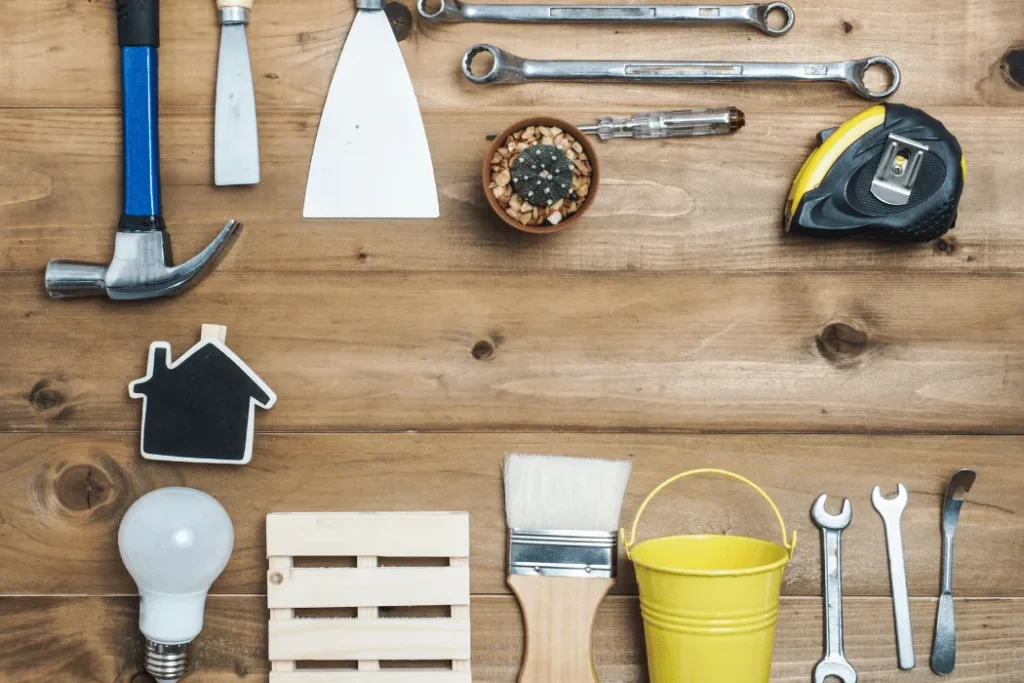
Tools are the backbone of DIY work, and understanding how to use them properly ensures safety and efficiency.
Essential Tools to Know
- Screwdrivers (flathead and Phillips)
- Hammers
- Drills and drill bits
- Adjustable wrenches
- Pliers
- Utility knives
- Levels and carpenter’s squares
Developing Confidence with Tools
Start with simple tasks like tightening hinges, assembling furniture, or drilling pilot holes. These activities help you familiarize yourself with grip, pressure, and technique. As Handy Man Concepts teaches, proper tool handling prevents accidents and improves the quality of your work.
Painting and Surface Preparation
Painting is one of the most effective and beginner-friendly ways to transform a room. It’s also a skill every homeowner should master because interior surfaces often require periodic refreshing.
Key Aspects of Painting
- Cleaning the surface
- Filling small cracks or nail holes
- Sanding for smoothness
- Applying primer
- Using even strokes for a polished finish
Learning these techniques ensures every paint job looks professional and lasts longer. With the right guidance, even first-time painters can achieve remarkable results.
Understanding Basic Plumbing Fixes
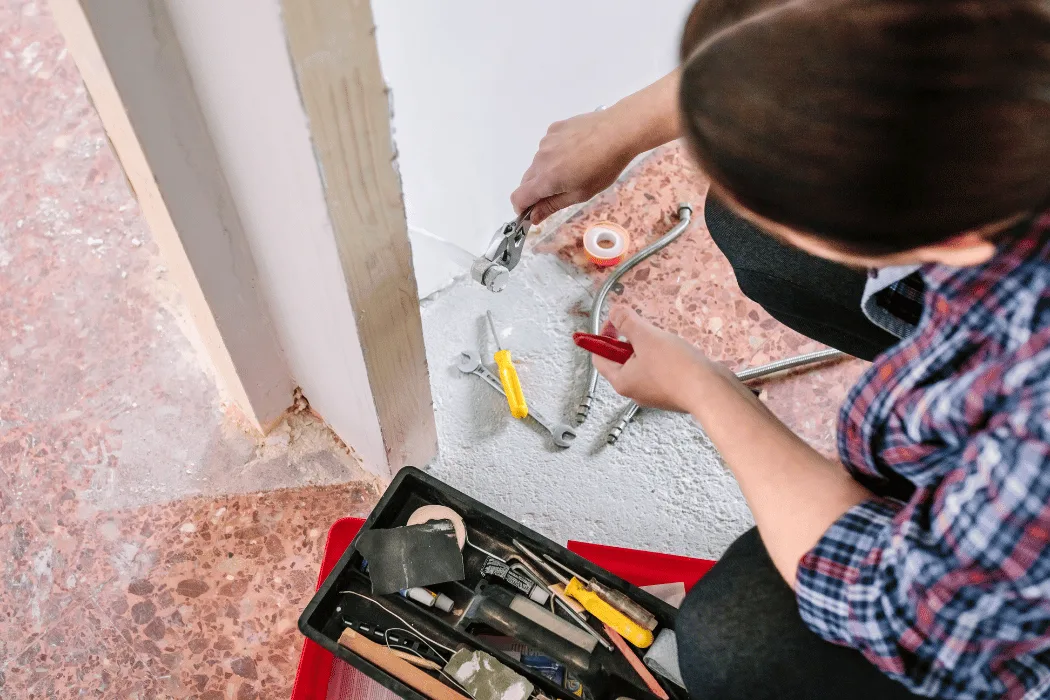
Home plumbing issues often seem intimidating, but many involve straightforward repairs. Knowing how to handle small plumbing problems prevents unnecessary water damage and service fees.
Essential Plumbing Skills
- Replacing washers and o-rings in faucets
- Tightening loose connections
- Unclogging sinks and drains
- Replacing showerheads
- Using Teflon tape to prevent leaks
Handy Man Concepts stresses the importance of shutting off the water supply before any plumbing work and understanding when professional intervention is necessary.
Electrical Safety and Minor Fixes
While major electrical work should always be handled by professionals, homeowners can safely perform small tasks with proper precautions.
Basic Electrical Tasks
- Replacing light bulbs and fixtures
- Resetting tripped breakers
- Installing switch plates
- Testing outlets with a voltage tester
Safety First
Turn off the power before starting any electrical task, use insulated tools, and never attempt complex wiring without certification or expertise. Handy Man Concepts prioritizes safety above all else when teaching electrical basics.
Patching and Repairing Walls
Walls are prone to dents, scratches, and minor holes from everyday use. Learning how to repair them keeps your home looking clean and well-maintained.
Steps to Repair Small Holes
- Clean the damaged area.
- Apply spackle or wall filler with a putty knife.
- Sand after drying to create a smooth finish.
- Touch up with paint.
Mastering these skills ensures your interiors remain attractive and free from visible imperfections.
Installing and Repairing Hardware
From curtain rods to cabinet handles, hardware installation is a useful skill that helps enhance your home’s functionality and design.
Examples of Hardware Projects
- Hanging shelves
- Mounting wall hooks
- Replacing doorknobs
- Installing towel bars
- Fixing loose hinges
These tasks require basic tools and patience, making them ideal for beginners looking to build practical skills.
Assembling Furniture Efficiently
Modern furniture often requires assembly, and being able to do it correctly prevents instability or damage.
Key Techniques
- Lay out all parts and hardware before starting.
- Follow the instructions step-by-step.
- Use the right tools instead of forcing pieces into place.
- Tighten screws evenly to maintain structure.
Furniture assembly teaches organization, precision, and patience—skills that carry over to other areas of DIY improvement.
Weatherproofing and Seasonal Maintenance
Keeping your home protected from changing weather conditions improves comfort and reduces long-term damage.
Basic Weatherproofing Skills
- Sealing gaps with caulk
- Installing weatherstripping around doors and windows
- Maintaining gutters to prevent water overflow
- Insulating exposed pipes
- Checking for drafts and leaks
These tasks increase energy efficiency, reduce utility costs, and safeguard your home from harsh elements.
Understanding Basic Carpentry Techniques
Carpentry is a valuable skill for homeowners, offering endless possibilities for improvement. While advanced carpentry requires practice, basic techniques are accessible to beginners.
Carpentry Basics
- Cutting boards to length
- Sanding for smooth finishes
- Joining materials with nails or screws
- Staining and sealing wood
- Constructing simple frames or supports
Handy Man Concepts encourages homeowners to begin with small projects like picture frames, planters, or floating shelves as skill-building exercises.
Troubleshooting Common Household Issues
Many household problems have simple solutions that require observation and basic troubleshooting. These include:
- Fixing squeaky doors with lubricant
- Resetting malfunctioning appliances
- Adjusting loose screws or bolts
- Identifying early signs of water leaks
- Addressing minor cracks in flooring or tiles
Learning how to diagnose these common issues helps you respond quickly and prevents small concerns from escalating into larger problems.
Conclusion
Developing essential DIY skills allows homeowners to care for their homes with confidence, competence, and independence. From painting walls to repairing hardware or fixing basic plumbing concerns, these foundational abilities empower you to enhance your living space efficiently and responsibly. With consistent practice and reliable guidance from Handy Man Concepts, you can master day-to-day maintenance tasks and gradually take on larger home improvement projects.
Equipping yourself with practical DIY knowledge not only improves your home’s functionality and appearance but also strengthens your ability to handle unexpected issues. Each skill learned becomes a valuable asset, helping you fix, build, and upgrade your home one step at a time. Through dedication and steady learning, every homeowner can achieve a sense of accomplishment, pride, and control over their space.