
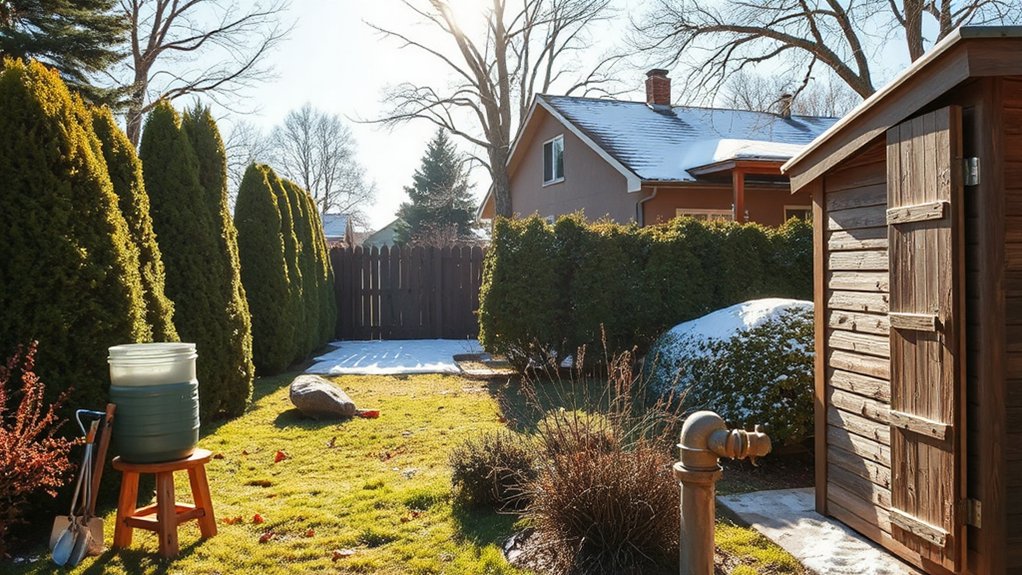

A beginner’s guide to maintaining your property year‑round focuses on steady, practical upkeep. Start by prioritizing year‑round tasks: inspect the roof, gutters, siding, and caulking; seal gaps; keep landscaping root-friendly and well graded; check doors and windows for weather-stripping; and service HVAC systems for efficiency. Build a simple seasonal checklist, then a realistic maintenance calendar with buffers for bad weather. Watch for early warning signs of leaks, and budget smart upgrades for safety, efficiency, and curb appeal—details that keep you ahead. You’ll discover more if you keep going.
Key Takeaways
- Establish a year-round maintenance plan focusing on roof, gutters, sealing, and systems to prevent moisture and energy loss.
- Create a simple seasonal checklist with monthly quick checks and quarterly thorough reviews.
- Build a realistic maintenance calendar that buffers weather days and holidays and batches similar tasks.
- Spot early warning signs (water stains, roof damage, leaks) via routine inspections to prevent major repairs.
- Budget smart upgrades prioritizing security, energy efficiency, and curb appeal, with realistic installation and maintenance estimates.
Prioritize Year‑Round Home Maintenance Tasks

To keep your property in good shape year after year, start by prioritizing tasks that protect the home in any season. You’ll schedule essential maintenance before issues arise, focusing on durability and efficiency.
Begin with exterior integrity: inspect roofing, gutters, siding, and caulking; seal gaps to deter moisture and drafts. Maintain the landscape with practical landscaping tips that reduce stress on structures, like root-aware planting and proper grading.
Check windows and doors for weather-stripping, and service heating and cooling systems to maximize efficiency.
Create a rotating quarterly plan that targets safety, energy savings, and curb appeal. Integrate pest control measures early, addressing entry points and keeping attractants low.
Document results, adjust priorities, and stay proactive to prevent costly repairs.
Build a Simple Seasonal Checklist You’ll Actually Use
Rather than waiting for problems to pop up, build a simple seasonal checklist you’ll actually use. You’ll outline tasks by season, not by room, so you stay organized and consistent.
Start with a core routine: inspect for damage after storms, clean gutters, and test outdoor lighting.
Add lightweight, repeatable steps—seasonal landscaping tips that prevent overgrowth and protect plant health, plus quick pest control checks to spot nests or infestations early.
Use a practical cadence: a 10‑minute monthly review and a more thorough quarterly pass.
Keep tools accessible and notes concise, so you won’t skip steps.
Tailor the list to your climate, pests, and soil.
Review it annually, pruning items that prove redundant while preserving essential preventive actions.
Create a Realistic Maintenance Calendar That Fits Your Life
Even if you’re juggling a busy schedule, you can create a maintenance calendar that actually sticks. A realistic plan aligns tasks with your life, not the other way around. Start by mapping critical chores to seasonal windows, then weave them into your weekly rhythm. Include simple buffers for weather days or holidays, so you don’t feel overwhelmed.
Focus on efficiency: batch similar tasks, reuse tools, and set clear owners and due dates. Dial in two keywords—Landscaping planning and Pest prevention—as anchors for relevant seasons. Your calendar should be actionable, not aspirational.
Schedule landscape checks and minor fixes during low-demand weeks.
Block reminders for pest-prevention actions before peak seasons.
Reassess monthly, trimming or shifting items to maintain balance.
Spot Early Warning Signs to Prevent Costly Repairs

Spotting early warning signs lets you head off costly repairs before they stack up. You’ll gain ground by keeping a simple, proactive routine: inspect areas prone to damage, note changes, and address them promptly.
Start with roof inspections—look for missing shingles, curling edges, or granules in gutters, and check flashing around chimneys and skylights for gaps.
Inside, monitor for water stains, musty odors, or softened wood, which signal leaks before they worsen.
In bathrooms and kitchens, watch for discoloration under sinks and around fixtures; even small drips can escalate fast.
Establish a monthly quick-check habit and a more thorough seasonal review.
Act fast on any warning, maintain records, and schedule professional assessments when needed to preserve value and prevent surprises like mold or structural issues.
Budget for Smart Safety, Efficiency, and Value Upgrades
Upgrading your home’s safety, efficiency, and value starts with a clear budget that aligns with how you actually use the space. You’ll prioritize smart upgrades that deliver immediate returns and long-term peace of mind, balancing upfront costs with ongoing savings.
Plan around essential improvements first, then add enhancements as funds allow. Use realistic estimates for installation, maintenance, and durability to avoid sticker shock.
- Smart security: invest in reliable alarms, cameras, and door sensors with scalable monitoring.
- Energy savings: target insulation, smart thermostats, and efficient lighting to cut bills.
- Value upgrades: prioritize curb appeal and ROI, such as windows or outdoor lighting, that boost resale potential.
Frequently Asked Questions
How Do I Prioritize Tasks With Limited Time and Budget?
Prioritize high-impact tasks first, allocate limited time to essential fixes, and stagger smaller maintenance. Focus on Landscaping planning and Pest prevention to protect value. Set a tight budget, track costs, and adjust weekly based on urgency and ROI.
Which Tools Are Essential for Year‑Round Upkeep?
Essential tools include a sturdy shovel, pruners, a quality lawn mower, a cordless drill, and a leaf blower. You’ll use them for landscaping tips and pest control, enabling efficient upkeep year-round while keeping chores practical, precise, and enjoyable.
How Often Should I Inspect the Roof and Gutters?
You should inspect the roof and gutters at least twice a year. Roof inspections catch leaks and damaged shingles; gutter cleaning prevents clogs and overflow, especially after storms. Regular checks save time, money, and costly repairs.
What Are Common Seasonal Maintenance Mistakes to Avoid?
Investigations show seasonal maintenance myths persist; you should avoid them. You’ll misstep if you neglect Landscaping tips and Pest prevention strategies, like skipping pre-winter checks or overwatering in spring. Instead, plan proactive, practical, precise, year-round routines.
How Can I Involve Family Members in Maintenance Tasks?
You can boost Family involvement by assigning clear tasks and rotating duties, so everyone contributes. Practice Maintenance teamwork by scheduling chores, sharing checklists, and praising progress, while keeping timelines realistic and communication open for feedback and improvements.
Conclusion
You’ve got the tools to ride the year with confidence. By sticking to a simple seasonal checklist, you’ll spot problems before they grow, save money, and keep your home comfy. Build a calendar that fits your life and treat maintenance like an investment, not a nuisance. Stay proactive, not reactive—your future self will thank you. In short: consistency is your strongest warranty, guarding your home like a quiet, steady heartbeat.