


You’ll want Sheffield areas that balance affordable prices with strong liveability and steady yields. Look to NE Sheffield for affordable, growing demand and solid rental turnover, then Central Sheffield for transport links, walkability, and premium rental upside. West End offers character and improving amenities, while South East blends greenspace with family-friendly value. For growth potential, consider outer wards and Pitsmoor/Shirecliffe, where lower entry costs meet rising demand. If you want data-backed choice points, you’ll find more specifics ahead.
Key Takeaways
- Central Sheffield offers top transport links, walkable centers, and premium rents backed by density and job access.
- North East Sheffield provides affordable, emerging areas with steady yields and rising demand.
- West End combines historic character with improving schools and amenities for higher livability per square foot.
- South East Sheffield blends greenspace and affordable family-friendly living with stable price growth.
- Up-and-coming pockets like Shirecliffe and Pitsmoor show strong yields, shorter vacancies, and low entry costs.
What Makes Sheffield a Value-Focused City
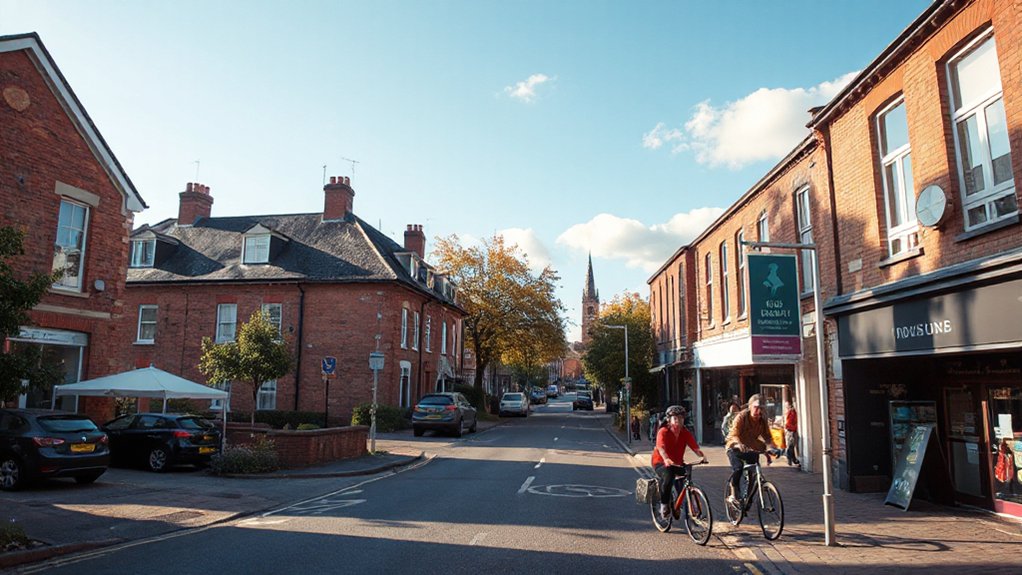
Sheffield stands out as a value-focused city because housing costs, while rising, remain accessible relative to income and regional peers. You’ll find price-to-income ratios more favorable than in many major hubs, with varied options across districts that balance affordability and proximity to employment centers.
Market signals show steady inventory turnover, modest rent growth, and resilient demand from professionals, students, and families seeking value. Sheffield’s cultural scene offers diversification without premium premiums, supporting a stable lifestyle ROI.
Local planning emphasizes density near transit, enabling cost efficiency and better utilization of existing stock. You’ll also notice local culinary delights contributing to lower daily living costs through affordable options and quality, time-saving amenities.
How to Evaluate Value and Lifestyle in Sheffield
To evaluate value and lifestyle in Sheffield, start by aligning budget with neighborhood dynamics and lifestyle priorities. Then compare price-to-income ratios, rental yields, and vacancy trends across districts. You’ll find value hinges on balancing upfront costs with long‑term affordability and quality of life.
Look for districts where rental yields stay resilient without steep price growth, signaling steady demand. Assess amenity access, commute times, and development plans that affect daily living.
Luxury apartments can skew perceived value if maintenance and service charges aren’t sustainable, so weigh total cost of ownership. Historic landmarks add character and prestige but may correlate with premium pricing.
Use data to triangulate price, vacancy, and yield, then map your preferred lifestyle to the most stable, affordable options.
Best Value Areas for First-Time Buyers in Sheffield
You’ll want to weigh Affordable Property Options against Transport and Commute Value to spot neighborhoods that maximize bang for your buck.
The area’s Local Amenities Proximity matters too, guiding how easy it’s to settle in without extended trips for basics.
Taken together, these data-driven signals help identify first-time buyer value hotspots in Sheffield.
Affordable Property Options
Affordable pockets in Sheffield offer compelling first-time buyer value, with several neighborhoods delivering sub-£200k entry prices, improving rental yields, and accessible transport links.
You’ll find affordable options concentrated in outer wards and midtown pockets where demand remains steady and stock levels improve quarterly.
Market data shows modest capital growth potential alongside attractive gross yields, making entry-costs manageable for first-time buyers.
Neighborhood diversity enhances value, as mixed housing stock supports affordable rentals while preserving resale options.
Look for areas with maintained local amenities, recent refurbishments, and expanding community hubs, which bolster overall livability without pushing prices upward.
While price volatility exists, current indicators favor steadier, longer-term investment.
Prioritize districts offering transparent pricing, clear lease terms, and robust local services to maximize value.
Transport and Commute Value
How strong are transport links shaping value for first-time buyers in Sheffield? You’ll value areas with reliable connectivity, where commute times and consistency drive demand.
Public transport options, including train and bus routes, correlate with higher sale velocity and premium pricing in core corridors, while fringe zones see slower turnover unless affordability offsets transfers.
Car accessibility remains a practical tie-breaker, with off-street parking, direct links to major arterials, and congestion levels informing buyer appetite.
In practice, value sits where transit frequency complements walkable surface networks, enabling flexible work and weekend access to city center.
Data shows price appreciation tightens around station hubs and bus corridors, yet budget-conscious buyers still seek balance between transport reliability and overall neighborhood cost.
Prioritize quantifiable access metrics over impressions to identify true value.
Local Amenities Proximity
What nearby amenities most strongly influence value for first-time buyers in Sheffield? You weigh proximity to local businesses, parks, and schools against price per square foot, rental yields, and resale outlook.
In high-demand neighborhoods, convenience translates to faster saleability and steady appreciation, while oversaturation can cap value gains. Assess walkability scores, transit access, and commute times to central employment hubs; these factors correlate with premium pricing and lower vacancy risk.
Community events and neighborhood cohesion often bolster desirability, especially where amenities are within strolling distance. Market data show price resilience when amenities cluster—cafés, grocers, and cultural venues near similar housing stock.
For first-time buyers, prioritize areas with diversified local business ecosystems and active community calendars to maximize long-term value and lifestyle fit.
Renting Smart in Sheffield: Neighbourhoods That Stretch Rent Dollars
Renting smart in Sheffield means prioritizing value-driven neighborhoods where rental costs align with comparable amenities and commute times. You’ll find that affordable housing options cluster where public transport links and local services are efficient, ensuring you don’t trade lifestyle for savings.
Focus on areas with steady rental yields and predictable demand, rather than short-term spikes. In practical terms, compare two-bedroom rents against typical council tax, utility costs, and access to green spaces.
Look for neighborhoods with diversified amenities, schools if relevant, and reliable maintenance infrastructure. The strongest value corridors balance price with lifestyle balance, delivering above-average quality without overpaying.
Use data on vacancy rates, week-to-week rent changes, and time-to-work to inform decisions that maximize comfort and affordability.
Central Sheffield: Urban Vibe, Transport, and Perks
Central Sheffield blends urban energy with practical perks, building on value-focused renting by highlighting the area’s transport links, walkable centers, and mixed-use amenities.
You’ll benefit from frequent rail and bus connections, plus short hops to Kelham Island, Devonshire Quarter, and the station district, supporting predictable commuting and weekend runs for essentials.
The grid prioritizes pedestrian comfort with compact streets and reachable services, lowering daily transit costs.
However, market data shows premium rents relative to broader Sheffield averages, justified by density, job access, and lifestyle options.
Nightlife hotspots and cultural festivals anchor the demand, creating resilient rental turnover in core sectors.
If you value proximity, convenience, and a turnkey urban rhythm, Central Sheffield remains a defensible, value-conscious choice for renters seeking quick access and diversified perks.
North East Sheffield: Affordable, Up-and-Coming Pockets

North East Sheffield holds several affordable, up-and-coming pockets that attract first-time renters and value investors alike. You’ll find steady rental yield in parts of Shirecliffe and Pitsmoor, driven by improving transport links and rising demand from young professionals.
Prices trail behind city-core levels, supporting higher gross yields and shorter vacancy cycles, with renters benefiting from lower upfront costs and flexible lease terms. Local turnover shows a pivot toward small, low-cost homes and refurbished flats, aligned with steady population growth and neighborhood revitalization.
Consider ongoing development plans, including mixed-use blocks that bolster foot traffic and local commerce. Neighborhood history and local cuisine still influence market perception, attracting buyers seeking authentic, affordable Sheffield experiences without sacrificing access to amenities.
South East Sheffield: Family-Friendly Value and Greenspace
South East Sheffield combines family-friendly value with ample greenspace, standing out from the affordable pockets you’ve seen in the North East. You’ll find stable price growth, with rent-to-price ratios easing compared with city core neighborhoods, signaling solid long-term affordability.
Access to parks, woodland trails, and redeveloped green corridors supports lifestyle appeal without premium commutes. Local demand centers on reliable schools, safe streets, and practical amenities, sustaining steady demand from families and first-time buyers.
Market momentum benefits from council-led green investments and targeted housing choices that balance size and cost. Community events foster neighborhood cohesion, while local cuisine options provide convenient, affordable dining within walking distance.
West End Sheffield: Characterful Streets and School Access
You’ll feel the Characterful Streets vibe in the West End, where historic façades, mews, and walkable fronts shape daily life.
Proximity to primary and secondary schools, alongside improving GCSE outcomes, signals strong schooling access for families.
With growing amenities—shops, cafes, parks—you get a data-driven read on livability and value per square foot.
Characterful Streets Vibe
Characterful streets define the West End’s appeal, where narrow lanes and period facades create a dense, walkable core with high accessibility to schools and essential services. You’ll notice a tight, human-scale environment that supports frequent errands, quick commutes, and a strong sense of place.
Market data shows steady demand for durable housing stock in areas with Historical architecture and well-preserved streetscapes, translating to resilient price trajectories and rental yields.
Local traditions infuse social capital, with active community groups and regular heritage events that boost daytime footfall and evening safety metrics.
Price-to-income ratios remain favorable relative to broader city benchmarks, underscoring value in this characterful corridor.
For investors and residents, the vibe signals steady capital appreciation alongside lifestyle advantages.
Proximity To Schools
You’ll notice higher trading multiples near top-tier school rankings, as families prioritize placement certainty and long-term value. In this market, access translates into predictable occupancy, with turnover softened by stronger retention around catchment lines.
Neighborhood safety remains a gating factor; districts with visible safety metrics correlate to steadier rent performance and faster sales velocity, even amid broader economic shifts.
Data shows clustering of respected primary schools boosts daytime footfall and ancillary demand for nearby services, reinforcing value in nearby streets.
Access To Amenities
You’ll notice density of local cuisine outlets supporting lunchtime variety and weekend crowd retention, which strengthens rental appeal for investors.
Market data show consistent footfall near characterful streets, underscoring resilience during slower periods.
Proximity to libraries, parks, and cultural events creates spillover demand, elevating occupancy rates even outside peak school terms.
Developers should price space by accessibility benchmarks, not just location.
Where streets frame mixed-use blocks, you gain diversified income streams from tenants catering to residents, students, and visitors.
Suburban Halos: Affordable Homes Within Easy City Reach
Suburban halos offer a practical balance: affordable homes that don’t require sacrificing city access. You’ll find lower entry prices relative to core Sheffield districts, with rental yields and resale values stabilizing as commuter routes improve.
Data shows solid demand from professionals and families seeking space, while train links and bus networks keep commutes under an hour to the city center.
Market signals point to overlooked pockets near Main arterial routes and green corridors; these areas often deliver better value-per-square-foot, with newer builds and renovated stock dominating inventory.
Community engagement and local cultural events drive neighborhood cohesion, contributing to steady occupancy and longer tenure.
Stay focused on price per square foot, proximity to transport, and growing small-business clusters when evaluating options.
Green Spaces and Parks That Boost Value in Sheffield
Green spaces and parks in Sheffield aren’t just amenities—they’re value accelerants. You’ll see higher rents and resale premiums where green corridors link neighborhoods to core centers, with park frontage driving visible demand.
The city’s pattern shows elevated value around sites like the Peak District-accessible edges and riverine routes, where walkability and leisure options translate into longer tenure and stronger occupancy.
Urban gardening, a growing trend, boosts adjacency desirability in denser districts, signaling active community stewardship and lower maintenance costs for landlords.
Historic landmarks also matter: protected views and cultural assets concentrate clientele seeking unique character, supporting premium pricing on nearby units.
In your analysis, prioritize areas with interconnected parks, canopy cover, and accessible municipal programs that convert green value into measurable cap rate gains.
Schools, Safety, and Social Life: What Families Look For

You want strong school quality and easy access to top choices, so we’ll examine standardized outcomes, catchment gaps, and transport links that affect enrollment.
Safety and social life balance matters, with neighborhoods showing lower crime and active family amenities driving community appeal.
This data-driven lens sets the stage for how families weigh school access against safety and social opportunities when choosing where to live in Sheffield.
School Quality And Access
Strong school quality and access are central to families evaluating Sheffield neighborhoods, with performance metrics, Ofsted ratings, and catchment realities shaping where you can enroll your children and how far you’ll travel.
You’ll compare school rankings across routes—city-center academies versus suburban primaries—to weigh stability against mobility.
Access to extracurriculars often drives value, from STEM clubs to arts programs, influencing daily routines and after-school planning.
In practical terms, neighborhood selection hinges on data: attainment trends, OFSTED grades, and admission policies that affect proximity and buffer zones.
Market signals indicate pockets with consistent attainment gains and broad program offerings tend to sustain higher property demand.
Prioritize schools with transparent performance reporting and proven feeder relationships to your preferred secondary path.
Safety And Social Life Balance
You’ll find neighborhoods where school partnerships boost safe transit and supervised activity slots, lowering incident exposure and supporting consistent attendance. Data shows tighter student-to-resource ratios correlate with better safeguarding outcomes and parental confidence, especially near community hubs.
Market implications favor districts with predictable safety metrics and robust youth programs, driving steady demand despite pricing. Look for areas hosting regular community events that knit residents together and sustain neighborhood oversight.
Local cuisine clusters often accompany these pockets, reinforcing the value proposition for family-friendly, high-social-capacity environments.
Commute and Connectivity: How Transport Shapes Value
What’s the real driver of home value in Sheffield’s neighborhoods? You’ll notice commute efficiency and connectivity shape premium.
Areas with rapid, reliable access to city center and key employment clusters attract higher demand, sustaining tighter price growth and quicker turnover.
Public transport access isn’t just convenience; it’s a value signal—consistently correlated with higher sale prices and lower vacancy.
Look for routes that feed into major hubs and frequent service windows, especially near Sheffield’s connectivity hubs like rail and tram corridors.
Job accessibility, not just distance, drives buyer willingness to pay for property.
In data terms, transport-time to core districts beats raw square footage in predicting value shifts.
Property Types by Area: Flats, Terraces, and Family Homes
Across Sheffield’s neighborhoods, housing type mix—flats, terraces, and family homes—drives value and ongoing demand, with price differentials reflecting both location and property age. You’ll see flats clustering in central zones with rapid rental yields, terraces forming mid-market demand belts, and family homes anchoring outer corridors with growth potential.
Real estate trends show shifting preferences toward mixed-use streets and newer build quality, influencing price gradients and occupancy rates. Investment opportunities emerge where infrastructure enhances accessibility, while sustainables and space optimization cap rollover risk.
Expect steadier returns from terraced and family stock in established wards, with flats offering liquidity and higher cap rates in regeneration pockets.
- Central flats glow with high rental turnover and compact layouts
- Rows of terraces map to affordable entry points with evolving character
- Family homes cluster near schools, boosting long-term demand
- Regeneration corridors pair newer builds with older cores for upside
Buying Tips to Maximize Value in Sheffield
To maximize value in Sheffield, start with a disciplined, data-driven approach: target neighborhoods with improving infrastructure, reliable yields, and upside from regeneration projects while avoiding overextended credit risk.
You’ll prioritize areas showing consistent rental demand, transparent owner-occupier turnover, and strong local amenities that fuel longer-term value. Ground your strategy in recent sale and rent trends, vacancy rates, and planned transit or retail investments to refine investment strategies.
Balance cap rate against forecasted appreciation, weighting neighborhoods with growing job opportunities and stable demographics. Consider property types aligned with demand within each micro-market, and run sensitivity tests on mortgage costs and tenancy laws.
Cultivate an awareness of Neighborhood culture to gauge sustainability of demand, ensuring decisions reflect both financial and social signals.
Budget Ranges: Typical Costs by Neighbourhood
Budget ranges for Sheffield by neighbourhood show clear dispersion driven by transport access, housing stock quality, and local amenities. You’ll notice pricier pockets where commuter links boost demand, while more affordable zones trade off shorter trips for fewer upgrades.
Across markets, rent and purchase costs align with growth in neighborhood revitalization and sustained demand from local cultural events. You’ll compare value by turnover of homes, rental yields, and vacancy rates, then weigh how upgrades or new amenities shift long-term trajectories.
Expect premium in central-adjacent areas and emerging districts near campuses or tech hubs. Price signals already reflect planned infrastructure, green spaces, and community programming, guiding you toward neighborhoods with measurable upside.
- Proximity to transit and redevelopment plans elevates future value
- Dynamic local culture and events amplify ongoing demand
- Investment yields rise where housing stock upgrades outpace rents
- Green spaces, safety, and walkability anchor steady appreciation
How to Choose Your Sheffield Sweet Spot: A Quick Decision Framework
Start by aligning your priorities with measurable signals: transit access, housing quality, and local amenities drive value in Sheffield.
To pick your sweet spot, quantify tradeoffs: commute times, price per square foot, and proximity to cultural attractions.
Map neighborhoods by transit frequency and expected rent growth over 5 years.
Weigh housing quality indicators—age, insulation, and energy efficiency—against ongoing maintenance costs.
Factor in Neighborhood charm as a proxy for long-term satisfaction and resale value, not just aesthetics.
Consider local amenities like schools, healthcare, and green space; these correlate with rental stability and appreciation.
Use a simple scoring rubric to rank options, then test your top two with a one-week lived sample.
Your Sheffield sweet spot blends efficiency, comfort, and access to cultural attractions.
Frequently Asked Questions
What Makes a Sheffield Area Genuinely Good Value Long-Term?
You gauge value by noting real estate trends and local amenities; you look for steady price growth, stable rents, affordable entry points, plus strong schools, transit access, and evolving neighborhood services that sustain long-term livability and demand.
How Does Lifestyle Vary Across Sheffield’s Neighborhoods?
You’ll notice lifestyle varies by neighborhood, shaped by local amenities and community atmosphere. Market data shows quieter areas offer affordable rents, while code-fast hubs boost social activity; upbeat districts prioritize parks and transit, intensifying daily routine and value perception.
Which Areas Balance Cost With Commuting Efficiency?
You’ll find areas balancing cost with commuting efficiency in Sheffield by prioritizing neighborhoods with affordable amenities and strong community safety metrics, where you’ll save on transport and enjoy reliable access, supported by data-driven market insights and practical trade-offs.
What Are Common Hidden Costs in Sheffield Homes?
Hidden fees and maintenance costs commonly surprise buyers in Sheffield homes, so you should scrutinize invoices first, verify guarantees, and compare annual upkeep. You’ll likely uncover hidden fees, maintenance costs, and potential price shifts that impact long-term value.
How Do Schools Influence Value in Sheffield Suburbs?
School reputation and educational facilities strongly shape value in Sheffield suburbs, guiding buyers toward higher resale and rental yields as you compare neighbourhoods, trends, and performance data to spot premium pockets and risk-adjusted opportunities.
Conclusion
In Sheffield, savvy shoppers settle for style without overspending. Score shores of solid value: several southside streets, roaring rents kept right, and thriving terraces that trade price for potential. Pick pockets with nearby parks, pubs, and rapid rail links for rapid returns. Target steady stock—flats for flexibility, terraces for growth, families for long-term stability. Balance budgets, benchmark bargains, and buyer beware. Swift, smart, and specific—shape your Sheffield sweet spot with strategic, data-driven decisions.