
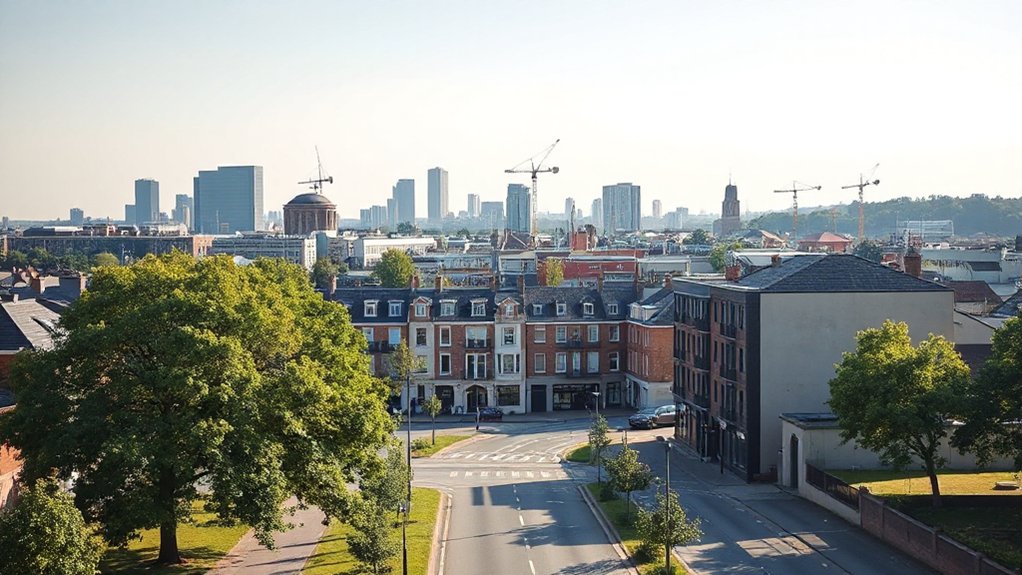

Colchester’s growth areas are accelerating thanks to transport upgrades, higher school quality, and new mixed-use developments. You’ll see price momentum strongest near commuter links, town center refurbishments, and family-friendly pockets with parks and amenities. Expect tighter yields where infrastructure coincides with demand, especially around top schools and walkable corridors. Track occupancy, permit activity, and project milestones to gauge momentum. If you want a clearer path, there’s more to uncover below.
Key Takeaways
- Colchester Town Center is a growth hub due to refurbishments, higher rental yields, and a mix of historic and new architecture driving demand.
- Commuter suburbs with rail links to London and Cambridge show quicker price and rent growth near stations and parks.
- Family-friendly areas near top schools, improved amenities, and walkable, safe neighborhoods attract long-term value appreciation.
- Areas around top school catchments and ongoing investments in education infrastructure sustain steady demand and price gains.
- Developments with new mixed-use projects and enhanced transit access, blending historic charm with modern infill, indicate rising property values.
What’s Driving Colchester’s Growth Right Now
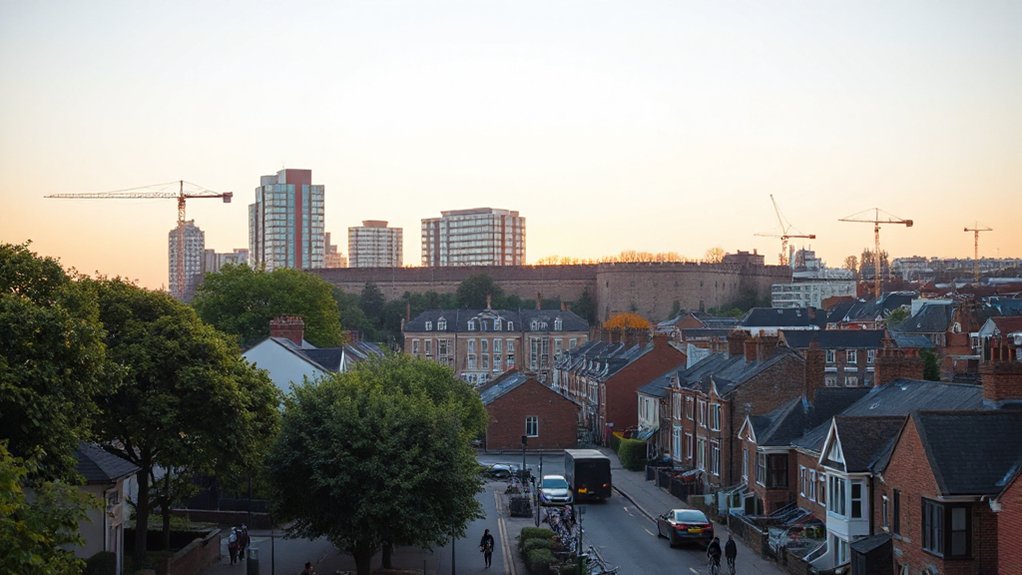
Colchester’s housing growth is being driven by a tight supply of homes, attractive affordability relative to nearby markets, and a steady flow of first-time buyers entering the market.
You’ll see demand anchored by sustainable development aims and local infrastructure upgrades that support short- and mid-term growth.
Environmental concerns shape planning, pushing for energy-efficient homes, green spaces, and resilient design, which drives builder confidence and buyer interest.
Cultural influences steer neighborhood desirability, with branding around heritage streets, arts, and mixed-use amenities attracting diverse households.
Data points indicate rental yields remain solid while price momentum modestly accelerates in transit-accessible areas.
Forecasts show continued absorption of new units as lenders tighten risk controls, yet purchaser activity stays resilient due to relative affordability, job growth, and targeted government incentives.
Reading Price Momentum in Colchester: The Basics
Reading price momentum in Colchester hinges on how fast values rise relative to past peaks and the pace of new listings joining the market. You’ll want to track recent trajectories: steady appreciation signals sustainable momentum, while sharp spikes may invite caution and rethink.
Historical trends show cycles where modest gains precede rallies, then plateau as supply expands. By contrast, muted activity often accompanies tighter inventory and price stabilization.
Look at time-on-market shifts, recalibrations after price adjustments, and the speed at which negotiated deals close. Market forecasts suggest a cautious uplift if demand remains solid and listing inflows stay tempered.
In short, monitor momentum signals in near real time, align them with historical trends, and use them to gauge where pricing could head next.
Key Indicators of a Colchester Growth Area
- Track employment growth by sector, noting diversification beyond services.
- Monitor infrastructure milestones, from transport upgrades to utility reinforcements.
- Observe price and rent momentum as a proxy for demand versus supply equilibrium.
These indicators collectively suggest a forward-looking trajectory with price stability improving visibility for investors. You’ll want to compare quarterly data, watch for policy shifts, and assess how new projects influence neighborhood desirability and long-term value.
Colchester Growth by Neighborhood: Top Rising Areas
Across Colchester’s neighborhoods, rising areas show concentrated demand fueled by transport links, new housing supply, and upgraded amenities, signaling where price momentum is most likely to continue. You’ll notice top rising pockets clustering within commuter corridors and near scalable infrastructure projects, where monthly data signals quicker rent and sale growth.
By neighborhood, you’ll see sharper price-per-square-foot increases in zones with transit accessibility, modernized schools, and targeted regeneration. Historical architecture adds character, attracting both investors and residents seeking long-term value, while local culture sustains appeal beyond metrics.
Forecasts point to continued outperformance in these clusters, supported by sustained development pipelines and demographic shifts toward amenities-rich environments. Staying focused on transport, housing supply, and amenity upgrades helps you identify enduring growth trajectories rather than short-lived spikes.
Colchester Town Center: Value and Amenities on the Rise
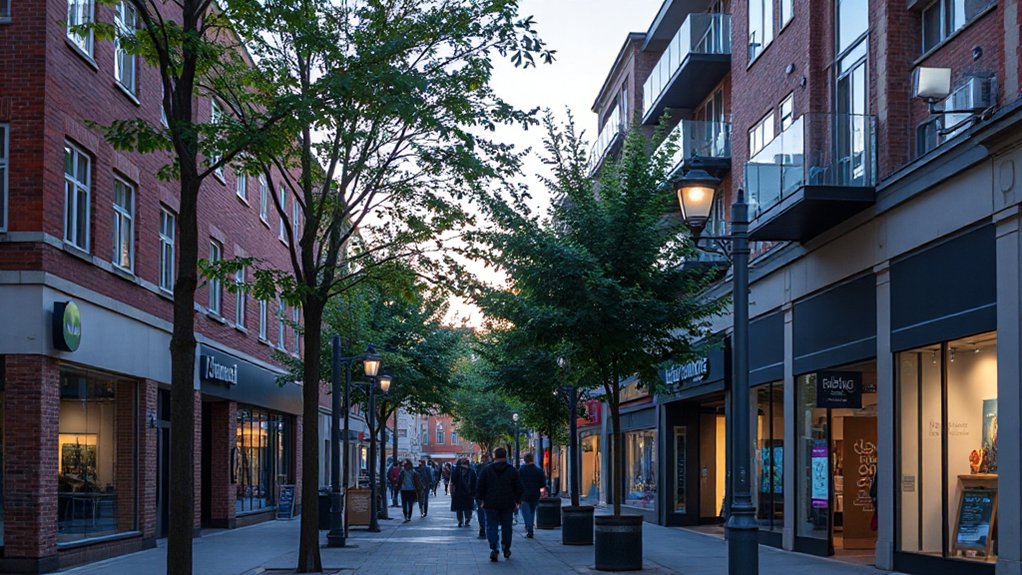
Colchester Town Center is gaining momentum as value and amenities converge to boost appeal and affordability. You’ll notice steady price support from recent refurbishments, with data showing rental yields tightening as renters gravitate to the core.
Historical architecture blends with new storefronts, creating a unique mix that preserves character while attracting investment.
Local cuisine continues to attract foot traffic, supporting small-business resilience and spillover into hospitality.
Looking ahead, you can expect coordinated placemaking and smarter parking strategies to lift accessibility and daily convenience.
- Historical architecture-led regeneration drives property desirability
- Local cuisine clusters expand customer draw and occupancy
- Public realm upgrades improve walkability and return on investment
These trends point to a more vibrant, affordable center over the next 12–24 months.
Colchester Commuter Suburbs With Strong Price Gains
Colchester’s commuter suburbs are delivering notable price gains, driven by rising demand from city-bound professionals and improved transport links. You’ll see elevated price trajectories in towns with direct rail routes to London and Cambridge, supported by shorter commute times and reliable service.
Data indicates year‑over‑year appreciation outpacing wider borough averages, with pockets of double-digit growth where development and amenity upgrades align. You’ll notice buyers prioritizing proximity to stations, parkland, and historic architecture that preserves district character.
Local demographics shift toward first‑time buyers and downsizers attracted by value relative to the capital, while investors chase rental yields in strong commuter corridors. Look for areas nurturing local culture through markets, arts spaces, and fusion eateries, reinforcing appeal and resilience amid market cycles.
Family-Friendly Colchester Areas With Improving Schools
You’ll see that Top Schools Improving Locally are contributing to stronger family-friendly neighborhoods, with data showing steady test-score gains and steady enrollment growth.
This section spotlights Family-Friendly Neighborhoods and School-Quality Growth Areas where improvements align with rising amenity access and housing demand.
We’ll map trends that help you identify where improving schools intersect with desirable, livable environments for families.
Top Schools Improving Locally
Are local schools in Colchester rising to meet growing family needs? You’ll notice steady improvements across catchments, with test scores and Ofsted trends pointing upward. Local funding boosts, targeted teacher training, and expanded tutoring programs are narrowing attainment gaps, while primary and secondary results align with neighboring networks.
You’ll also see evolving school programs that boost wellbeing, digital literacy, and creative expression, supporting a more resilient student base. The impact isn’t theoretical: housing demand near improved campuses internals into family-friendly growth corridors.
Expect continued performance gains as collaboration with local councils and academies focuses on sustainable outcomes. Local art, cultural festivals, and community partnerships reinforce appealing, well-rounded education ecosystems that attract families seeking long-term stability.
- Rising performance metrics across key subjects
- Expanded after-school support and enrichment
- Stronger cross-school collaboration and parent engagement
Family-Friendly Neighborhoods Spotlight
Families relocating to Colchester should note that improving schools are shaping demand in specific, kid-friendly neighborhoods. You’ll see steady upswings in areas with reputations for strong primary and secondary outcomes, supported by recent test-score momentum and growing parental involvement.
In these districts, property values tighten as families pursue walkable layouts, safe streets, and nearby amenities. Expect targeted investments in parks, libraries, and after-school programs that reinforce school-choice stability and neighborhood cohesion.
Historical architecture adds charm without sacrificing modern efficiency, helping homes retain value amid shifting tastes. Local festivals, summer markets, and cultural events punctuate calendars, enhancing quality of life while keeping neighborhoods family-centric.
This trajectory suggests selective price appreciation where school progress is most visible and sustainable.
School-Quality Growth Areas
What neighborhoods in Colchester are most likely to see school-quality growth, and how will that reshape local values and property dynamics? You’ll see districts with steady test-score gains and higher facility investments driving demand, altering both values and taxation patterns.
Historical development shows a ripple: improvements attract families, boosting enrollment and school funding needs, which in turn affects property taxation assessments and routines. Expect tighter buyer competition around top-rated campuses and more predictable, lines-of-sight appreciation.
- Targeted investments in new classrooms and STEM labs correlate with steady price upticks.
- Increased parental involvement sustains demand cycles even during broader market shifts.
- Zoning shifts favor family-friendly amenities, reinforcing long-term value gains.
Value Hotspots Near Colchester’s New Transport Links
New transport links are reshaping Colchester’s value map, with price hotspots emerging along corridors connected by the new rail and road improvements. You’ll see evidence in indexed price shifts, with mid-rise clusters and family-friendly pockets near station upgrades.
Data shows steady year-on-year gains within a 5–10 minute commute to transport hubs, suggesting resilient demand even as markets price in accessibility gains.
You should monitor the corridors that intersect new park-and-ride routes and multimodal centers, where housing turnover could tighten as supply adjusts. Property tax effects may lag, but residential valuations tend to rise where infrastructure delivers reliable access.
Rental regulations could influence demand balance, shaping long-term value stabilization across these hotspot zones.
Colchester Rental Yields: Markets to Watch
Colchester rental yields are leaning higher in areas boosted by new transport links, with investor-focused pockets showing solid cash flow potential amid steady demand. You’ll see data-driven signals pointing to favorable rents relative to property taxes, especially where commuter demand remains strong in the Rental market.
Looking ahead, yield stability hinges on occupancy rates and regulatory changes, so monitor tax incentives and cap rules that could affect net returns.
1) Transport-led hubs show the strongest yields as vacancy dips bite into seasonal slowdowns.
2) Suburban pockets near stations preserve cash flow despite rising maintenance costs.
3) Market-wide rent growth expectations outpace tax-adjusted expenses, signaling persistent upside.
These patterns help you identify markets to watch while balancing risk and reward in Colchester.
Up-And-Coming Colchester Neighborhoods With New Developments

With several new developments underway, these up-and-coming Colchester neighborhoods are poised to reshape demand patterns and price trajectories. You’ll see measured price-per-square-foot rises as mixed-use projects open up walkability and transit access, while new schools and green spaces improve livability scores.
Data indicate concentration of mid-range housing near tech and logistics hubs, hinting at faster appreciation than broader markets. Expect developers to emphasize energy efficiency, with demand curves reacting to phased completions and investor interest in rental demand softening risk.
Historical architecture will blend with modern infill, sustaining character while boosting appeal. Local cuisine districts surrounding markets contribute to discretionary spending and nightly demand.
You’ll want to track occupancy rates, street-level footfall, and permit activity as signals of sustained momentum.
What Makes a Colchester Growth Area: Essential Criteria
Growth drivers set the tone for Colchester’s future, with clear data on population, jobs, and investment guiding forecasts. Infrastructure impact assessments show how transport, utilities, and amenities enable or constrain growth trajectories.
You’ll see how demand-supply dynamics, backed by current trends and project pipelines, shape pricing momentum and development potential.
Growth Drivers Explained
A growth area hinges on measurable demand, skilled labor, and connectivity that keeps the market moving; when these elements align, Colchester emerges as a magnet for investment and housing demand. You’ll see drivers converge: strong wage growth, diversified employers, and efficient transport links that shorten commute times.
Historical architecture and local festivals anchor appeal, boosting visitor traffic and resident retention. Data indicates selective zones outpace average price growth as amenities cluster around rail hubs and school campuses.
Expect momentum to continue where planning supports density without sacrificing character. Plan now for future supply guided by market signals, not nostalgia.
- Demand signals: rental yields, occupancy rates, and ethnicity-diverse households
- Labor pool: graduate intake, sector diversification, skills access
- Connectivity: rail, road, cycle routes
Infrastructure Impact Assessment
Infrastructure shapes how Colchester absorbs growth. When you assess a potential growth area, you measure capacity across transport links, utilities, and public spaces. Data shows that reliable road and rail access reduces commute times and supports housing density without eroding quality of life.
You’ll compare project timelines, funding certainty, and maintenance plans to understand risk-adjusted delivery. Consider how schools, healthcare, and flood defenses align with projected population increases.
You should also evaluate sustainability metrics: energy efficiency, brownfield reuse, and green space tenure. Historic architecture and local traditions matter because they influence mitigation costs and community cohesion, shaping long‑term value.
In one sentence: the strongest growth areas balance infrastructure readiness with preserving character, ensuring resilient, marketable neighborhoods.
Demand-Supply Dynamics
- Track absorption rate against housing completions to identify sustainable growth corridors.
- Monitor time-on-market and inventory turnover to gauge momentum and price stability.
- Assess infrastructure capacity, school and amenity access, and commuting options to validate long-term demand support.
Comparing Price Momentum: Colchester Town Center vs. Suburbs
Price momentum in Colchester shows a clear split: town-center properties have driven faster year-over-year gains than suburban listings, even as both segments trend upward.
You’ll see tighter supply and stronger turnover in the town core, with annual appreciation outpacing suburbs by a measurable margin. Data points to steadier, more durable momentum in central areas, supported by active development and persistent demand drivers.
Suburban gains lag slightly, but remain positive, reflecting ongoing desirability and price discipline across neighborhoods. Historical development shapes this divergence, as early investment in town-center corridors creates ripple effects for nearby listings.
Demographic shifts—younger professionals and families seeking access to amenities—bolster central demand while sustaining suburban appeal. Looking ahead, expect continued outperformance of town-center pricing, with suburbs narrowing gaps as growth broadens.
Affordability Windows for First-Time Buyers in Colchester
1) Mortgage rates and deposit requirements: monitor lender criteria and potential low-deposit products to optimize upfront costs.
2) Local income benchmarks vs. price trajectories: compare your earnings against median values to gauge realistic target areas.
3) Aid programs and shared equity: identify eligible schemes that extend purchasing power without overextending monthly payments.
Strategically, prioritize properties with future value potential and predictable maintenance costs.
This approach helps you secure affordable housing while preserving long-term equity.
Market Cycles in Colchester: Seasonal Patterns and Trends
Market cycles in Colchester unfold with clear seasonality and shifting demand cues, shaping when prices rise, plateau, or soften. You’ll see seasonal fluctuations echoing broader UK patterns, with spring demand nudging prices higher and autumn activity stabilizing or easing momentum.
Across quarterly windows, pricing cycles tighten as mortgage intentions and local inventory respond to economic signals, aiding sharper forecasts. You should track absorption rates, not just price levels, to gauge momentum shifts and identify tipping points.
Seasonal dips often precede new listings, creating momentary windows for buyers yet hinting at renewed spring strength. For investors, align offers with post-winter lows and late-summer rebounds to optimize returns.
In Colchester, cycles increasingly reflect local supply constraints, making timing and data literacy critical for strategic decisions.
Amenities Driving Demand: Parks, Schools, and Leisure in Colchester
Amenities like parks, top-rated schools, and leisure options are driving Colchester demand by delivering tangible quality of life signals that buyers and renters actively weigh alongside price. You’ll notice how urban renewal projects and preserved historical landmarks shape neighborhood appeal, boosting habitability without compromising character.
Data shows access to green spaces correlates with faster sale times and higher rents, while high-caliber schools lift both buyer confidence and resale value.
- Parks and trails: density, accessibility, and safety metrics rise demand
- Schools: performance, catchment clarity, and extracurricular options
- Leisure and amenities: cultural venues, sport facilities, and family-friendly recreation
Forward-looking takeaway: districts embracing urban renewal while protecting historical landmarks tend to attract stable, quality growth and resilient pricing.
Risks to Watch in Colchester Growth Areas
Growth in Colchester’s expansion zones brings opportunity, but it also introduces observable risk factors that buyers and investors should weigh alongside rewards. You’ll notice historical housing data showing smoother gains in some pockets yet sharper dips in others, signaling potential entry points and timing challenges.
Market volatility can be amplified by policy shifts, infrastructure delays, or funding shortfalls, so price trajectories may diverge from broader forecasts. Concentrated development can create temporary supply gluts or crowding of services, dampening short‑term appreciation.
You should stress‑test scenarios, especially near planned transport links or schools, where project delays could extend valuation cycles. Stay vigilant on pricing discipline, exit options, and liquidity, as imperfect timing remains a material risk in evolving growth corridors.
How to Evaluate a Colchester Growth Area for Investment
To evaluate a Colchester growth area for investment, start with a clear investment thesis grounded in data: expected population and job growth, planned infrastructure, and housing supply trajectories. You’ll assess historical housing trends to spot momentum and seasonality, and consider property tax considerations that affect net yields.
1) Build a data-backed thesis that ties population projections to job growth and commute patterns.
2) Map planned infrastructure against housing supply trajectories to identify bottlenecks and timing.
3) Stress test scenarios with sensitivities to interest rates and tax changes.
Key signals: historical housing trends show velocity of price moves; property tax considerations influence hold periods and cash flow. Use this framework to rank growth areas by risk-adjusted return.
Real-World Case Studies: Recent Sales in Colchester Growth Zones
Recent sales in Colchester growth zones illustrate how shifting demand cues and timing of infrastructure projects impact realized prices, with data showing accelerated moves where transport links and new housing are aligned. You’ll notice price jumps near upcoming or completed projects, underscored by tighter bid margins and quicker acceptance times.
In the Harwich Road corridor, for example, average sale prices rose by mid-double digits within six months of a related transport upgrade, while days-on-market shortened.
Across areas with preserved Historical architecture, buyers pay a premium for character, then offset by modern amenity proximity.
Local festivals appear to buoy seasonal demand, nudging values higher around event periods.
Looking ahead, you should monitor planned school expansions and retail openings as leading indicators of sustained price resilience.
Frequently Asked Questions
How Does Colchester’s Growth Compare to Nearby Towns?
Colchester’s growth outpaces some nearby towns, though not all, driven by urban regeneration and improving local amenities. You’ll see stronger prospects as ongoing investments boost turnover and sustainability, signaling steadier job creation and housing demand compared with regional peers.
Which Non-Residential Sectors Drive Colchester Gains?
Commercial investments and infrastructure developments drive Colchester gains, you’ll see resilient demand. Some doubt it, but data shows office, retail, and light-industrial sectors expanding; future growth hinges on targeted investments and coordinated infrastructure to sustain momentum.
What Are Hidden Costs When Buying in Growth Areas?
Hidden costs when buying in growth areas include landscaping costs and stamp duty considerations. You’ll see gradual appreciation data guiding decisions, so you should budget upfront, assess conveyancing fees, and plan future maintenance to maximize long-term property value.
How Do Planning Permissions Affect Future Values?
Planning permissions shape values: stricter zoning regulations and development restrictions can raise or cap future gains, guiding demand. You’ll see selective gains where approvals facilitate infrastructure, while onerous rules may suppress returns and delay appreciation over the medium term.
Which Schools Most Influence Buyer Interest?
Schools with top rankings drive buyer interest most; meanwhile lower-ranked options still attract value-seeking segments. You see school rankings guiding Buyer demographics, informing decisions, while data-driven trends forecast future demand, so you prioritize high-performing campuses for resilient growth.
Conclusion
Colchester isn’t static: today’s rising pockets contrast with yesterday’s averages, so simple summaries miss the real map of opportunity. You’ll find steadier price momentum where parks and schools cluster, yet the fastest gains emerge where amenity density collides with transport access. Look for neighborhoods showing both diversified demand and resilience to market shifts. In short, data points point forward, but active scouting—seeing recent sales and upcoming projects—cements where growth will actually land.