
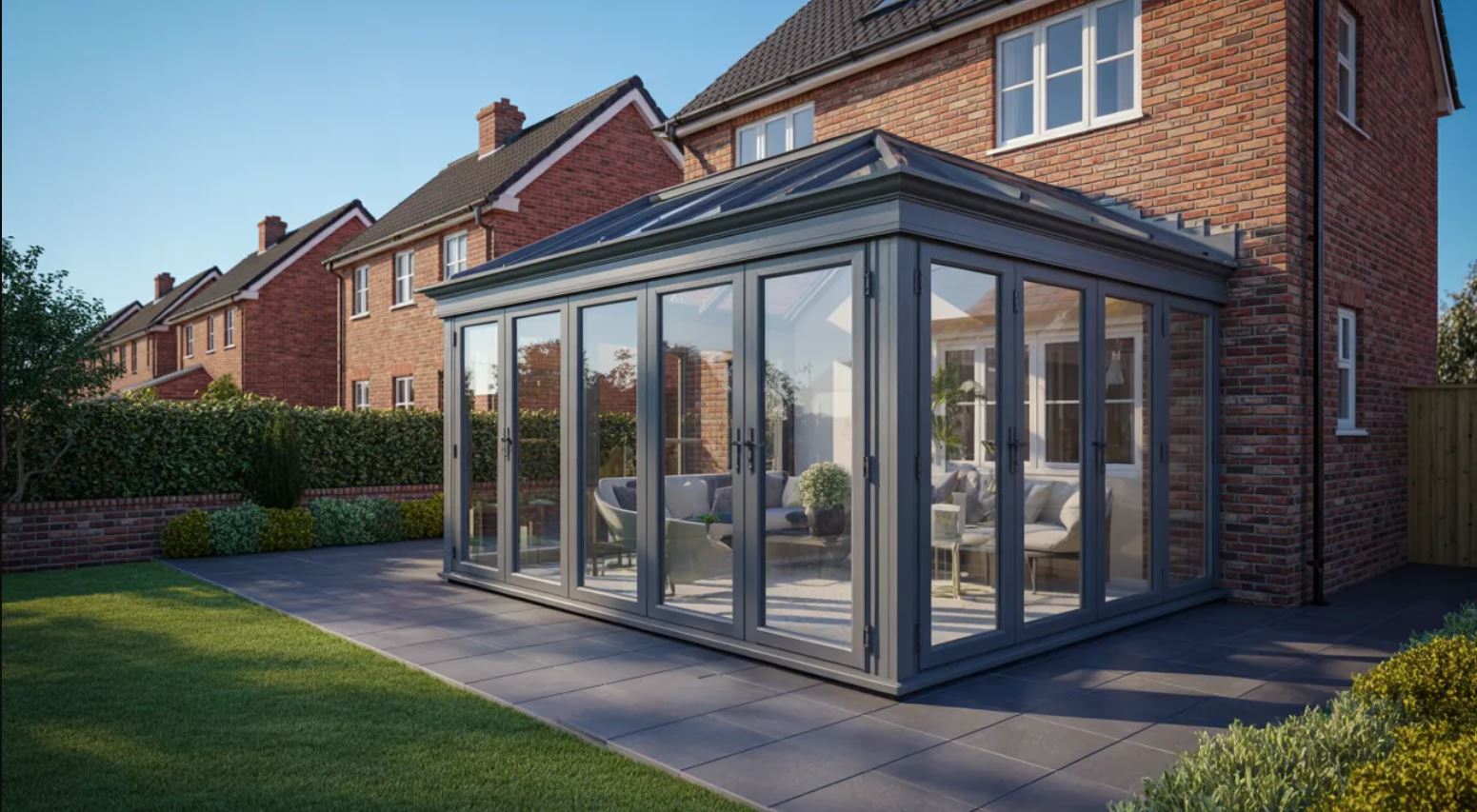

When you’re weighing conservatory versus extension, you’ll want to weigh value, usability, and climate impact as you go. An extension often feels more solid and year-round, boosting flow and resale appeal, while a conservatory shines for light and ambiance but can lag in liveability and efficiency. The right choice depends on your home, budget, and long-term goals—and there’s a practical framework that can tip the balance for you as you move forward.
Decision Framing: Conservatory vs Extension for Your Home
When you’re deciding between a conservatory and an extension, start by clarifying your goals and constraints. Identify primary functions for the space, whether it’s a sunlit lounge, dining area, or a practical room like a home office.
Consider current drawbacks you want to solve, such as cold drafts, poor natural light, or limited indoor/outdoor flow.
Note any architectural preferences, style compatibility, and required materials.
Check budget boundaries, expected timelines, and planning-permission risks.
Assess site specifics: available footprint, orientation to sun, and how the new room will connect to existing spaces.
Think about long-term needs: family growth, resale appeal, and maintenance.
Finally, set non-negotiables and trade-offs, then compare options against those criteria to guide an objective choice.
How Each Option Affects Home Value and Livability
Choosing between a conservatory and an extension isn’t just about space; it’s about value and everyday usability. When you weigh home value, both options can lift appraisal and resale appeal, but in different ways.
A well-designed extension often adds perceived living square footage, improves flow, and enhances functionality, which buyers notice in tours.
A conservatory can boost curb appeal and light, yet its impact on value hinges on build quality, insulation, and integration with your existing layout.
Livability feels distinct: extensions typically offer year-round comfort with solid climate control, while conservatories shine as informal living areas for sunny moments.
Your choice should align with how you live now and what future buyers will expect from your home’s footprint.
Energy Efficiency by Climate: Conservatory vs Extension
Climate and climate control shape energy efficiency for both options, and the impact varies with local weather. You’ll notice that conservatories trap more solar heat in sunny climates, boosting passive warmth but raising cooling needs in hot seasons.
In cooler regions, glazing can reduce heating demand if paired with high-performance panes and proper shading. Extensions, built with insulated walls and standard doors, typically offer tighter thermal envelopes, improving overall year-round comfort.
If you value heat retention, choose double or triple glazing, low-emissivity coatings, and well-sealed joints.
In humid climates, ventilation matters; operable windows or vents help manage moisture without sacrificing insulation. Use appropriate shading devices and site orientation to minimize heat gain or loss regardless of architecture.
Consider climate-driven design tweaks to maximize energy savings.
Costs and ROI: Upfront, Maintenance, and Hidden Fees
Upfront costs, ongoing maintenance, and hidden fees shape the true price of a conservatory versus an extension, narrowing the gap between options as you consider long-term value. You’ll face initial installation, planning, and possible permits, with conservatories often needing glazing upgrades or weatherproofing that differs from extensions.
Compare quotes carefully, noting structure, insulation, and foundation requirements that affect both. Maintenance matters: roofs, seals, and glazing can raise yearly costs for conservatories, while extensions may offer solid walls and standard finishes that hold steady.
Hidden fees lurk in warranties, insurance, and potential remedial work after installation. ROI hinges on usability and market appeal; a well-built, properly insulated space can boost resale value and energy savings, improving long-term return beyond sticker price.
Daily Usability: Which Option Feels Better for Everyday Life?
Which option feels more inviting for daily life depends on how you’ll actually use the space every day. A conservatory invites daylight and a sense of openness, so you’ll likely reach for it mornings and weekends for coffee, projects, or plants. It’s great if you want a bright, extended living area, but you’ll notice temperature swings and the need for blinds or climate control during extremes.
An extension offers steadier comfort and a more flexible floor plan, letting you carve out a kitchen, dining, or work zone that’s truly integrated with the rest of your home. It can feel cozier, with fewer thermal losses and better acoustics. Your daily rhythm will reveal which feels naturally ergonomic and habit-friendly.
Design Compatibility: Matching Your Home’s Architecture
Design compatibility matters because a structure that echoes your home’s existing style feels cohesive and intentional. You prioritize harmony across materials, rooflines, and window styles so the new space reads as a natural extension, not an afterthought.
When you assess an option, compare brick or siding textures, trim detailing, and color palettes to your house. A conservatory might suit a traditional facade with ornamental glass and a smoother transition, while an extension benefits from matched framing and proportion, creating a seamless silhouette.
Consider sightlines from key rooms and exterior geometry to avoid awkward protrusions. You’ll also weigh roof slopes and eave lines to maintain rhythm.
Ultimately, alignment in design minimizes visual disruption and preserves your home’s enduring character.
Quick Decision Framework: Checklist to Choose the Right Option
To pick the right option, start with a clear, practical checklist that ties back to your design preferences. Begin by listing goals: light, privacy, year‑round use, and budget.
Then pin down space limits, orientation, and view priorities. Evaluate climate impact and maintenance needs—conservatories crave shading and glazing choices; extensions demand solid insulation and seamless walls.
Rate urgency: resale value, habitability, or a temporary enhancement. Check permissions, neighbor impact, and structural fit with your home’s frame.
Compare cost per square meter, build time, and long‑term operating costs. Visualize daily routines: morning coffee, homework, entertaining.
Seek synergy with existing materials and landscape. Make one-page pro/con notes, then choose the option that best aligns with your core priorities and lifestyle.
Conclusion
If you want more year‑round usefulness and a solid integration with your home, an extension is usually the smarter bet and can push your property value higher. A conservatory shines with light and curb appeal, but may lag in comfort and long‑term usability. Weigh energy performance, climate, and budget, then pick the option that fits your lifestyle and resale goals. In short: extensions win for value and daily livability; conservatories win for brightness and style.