
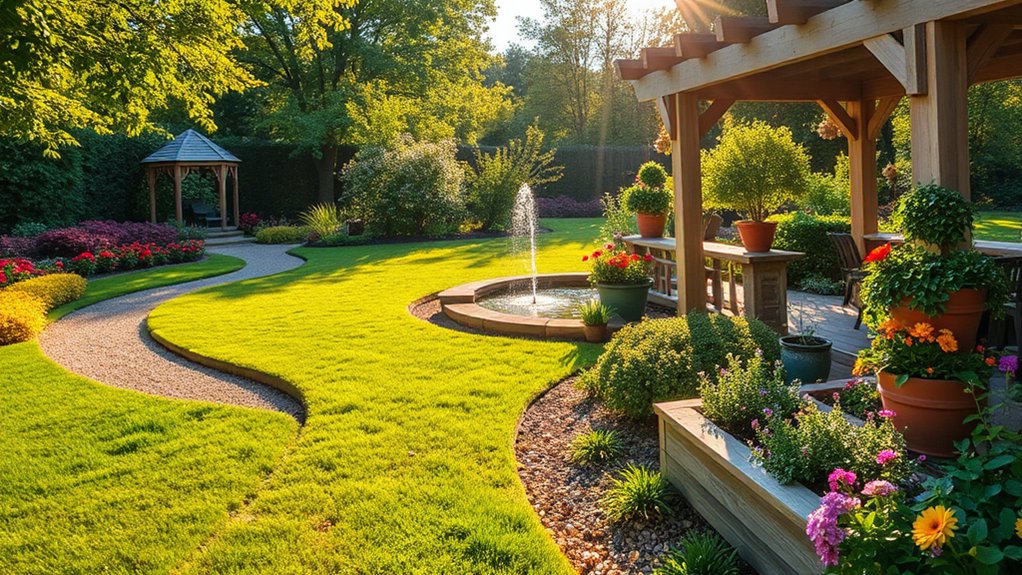

We’ve put together some Creative Summer Landscaping Ideas to get your garden back to being beautiful. Elevate your summer garden with sun-loving, drought-tolerant plant combos that share similar water and light needs, then layer textures and bold hues for instant brightness. Use native, resilient species and group by water needs to simplify irrigation. Add smart irrigation, mulch, and rainwater capture to cut waste. Create inviting seating zones and cohesive containers to anchor spaces, while shading and reflective surfaces boost light. Keep plans evolving with modular trellises and quick swaps for ongoing vibrancy, and explore more tips below.
Key Takeaways
- Design a sunlit layout with bright flowering borders, light-reflecting surfaces, and accessible, shade-providing structures for comfortable summer use.
- Choose drought-tolerant, native plants with staggered bloom times to maintain continuous color and greenery throughout summer.
- Use layered plantings with varied foliage textures and bold color accents to create visual depth and brightness.
- Install smart irrigation and mulching to minimize water use while keeping soil moist and plants thriving in heat.
- Add decorative planters, bright seating, and year-round pollinator habitats to enhance vibrancy and ecological resilience.
Plan Your Bright Summer Garden: A Step-by-Step Layout
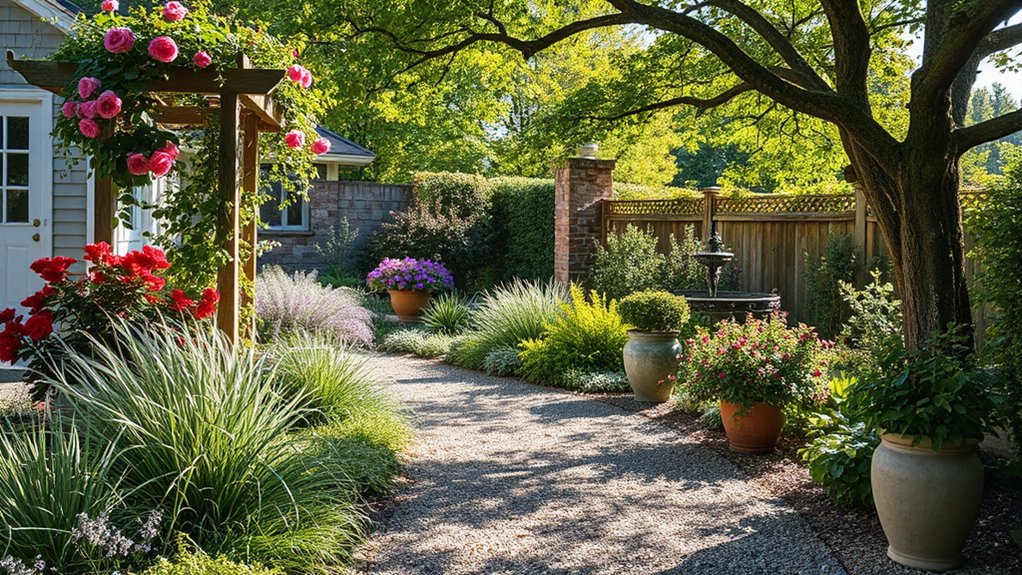
To plan your bright summer garden, start with a clear layout that maximizes sunlight and ease of maintenance. You map zones for pleasure, dining, and circulation, ensuring primary paths remain unobstructed.
Prioritize sun exposure for flowering borders and edible beds, placing tall specimens at the rear and compact varieties at the front to reduce shading.
Allocate a dedicated area for Garden parties, selecting a stable surface, weatherproof seating, and a compact dining setup.
Incorporate outdoor lighting along walkways, entry points, and focal features to extend usability after sundown.
Choose a simple irrigation plan with drip lines tuned to plant needs, minimizing water waste.
Use neutral borders to enhance color vibrancy, and keep maintenance tasks clear and loggable for sustained beauty throughout the season.
Choose Sun-Loving, Drought-Tolerant Combos
When selecting sun-loving, drought-tolerant combinations, prioritize plant pairings that share similar water and light needs to reduce maintenance and irrigation.
In practice, choose root zones and foliage textures that complement each other while surviving full sun with minimal watering.
Favor sun-loving plants that establish quickly, then mix in drought-tolerant combos that tolerate hot, dry periods without sacrificing bloom or greenery.
Pair evergreen and deciduous forms to maintain year-round structure, and group by water needs to simplify irrigation scheduling.
Consider soil improvement to boost resilience, and select native or well-adapted species for reliability.
Avoid high-water-demand varieties in hot zones, and maintain a simple, repeatable palette for visual cohesion.
This approach delivers sustainable, vibrant, low-maintenance landscapes.
Sun loving plants, drought tolerant combos.
Color Your Landscape: High-Summer Palettes That Pop
Color your landscape with high-summer palettes that pop by pairing bold hues with foliage textures that stay vibrant under strong sun. You should select color relationships that reinforce visual depth, using cool tones to balance warm accents.
Prioritize plants with good heat tolerance and consistent bloom periods to maintain steadiness through peak weeks. Pair glossy-leaved varieties with mature, brushed textures, and fine foliage for contrasting surfaces that read clearly from a distance.
Monitor soil testing results to inform nutrient choices, avoiding excessive salt or phosphorus that can dull color. Address garden pests promptly to protect leaf integrity and pigment.
Use mulch to reduce moisture stress and reflectivity, preserving true hues. Implement a restrained palette with strategic accents for maximum impact.
Container Ideas That Sparkle All Season
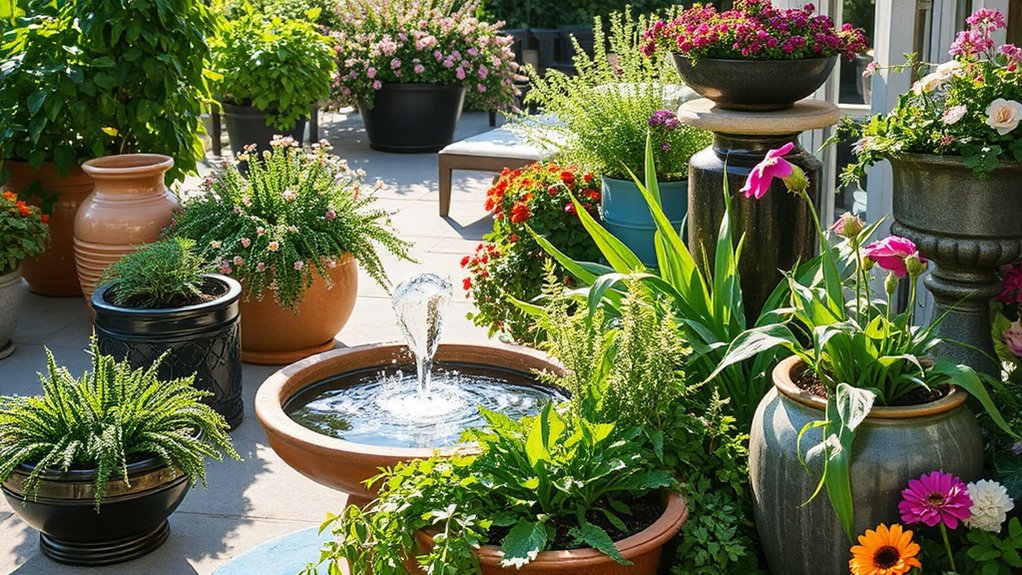
Ever wondered how to make containers glow from early spring through late fall? You can achieve sustained sparkle by pairing durable vessels with seasonally reliable elements. Choose lightweight, weather-resistant planters and place them where they anchor sight lines. Use a cohesive color story and textures to reflect garden art, while ensuring outdoor lighting accents the blooms without glare.
- Curate a trio of lighting styles—soft uplights, subtle path markers, and decorative lanterns—to extend appeal after dusk.
- For year-round interest, mix flowering annuals with evergreen foliage and drought-tolerant perennials in each container.
- Rotate accents and plant heights seasonally, keeping symmetry and color balance for a polished, lasting glow.
Smart Irrigation for Low Maintenance Beauty
Smart irrigation systems deliver reliable, low-maintenance beauty by delivering water where and when plants need it most. You implement a thoughtfully designed system that uses weather data, soil sensors, and zone-based controls to tailor watering to plant needs.
A properly configured setup reduces waste, minimizes runoff, and supports soil structure. You’ll select drought resistant varieties and pair them with smart irrigation to maintain green appeal during dry periods.
Program minimal run times, seasonal adjustments, and rain delays to prevent overwatering. Maintenance remains simple: check filters, inspect emitters, and update crop schedules as landscapes evolve.
With precise scheduling, you achieve consistent moisture, healthier roots, and a water-smart landscape that stays vibrant without constant attention.
Maximize Light With Reflective Surfaces
Have you considered how light can be redirected to brighten shade-prone areas? By employing Reflective surfaces, you can achieve substantial Light amplification with minimal effort. Choose materials that reflect natural light without glare, and position them to channel daylight toward darker corners.
Strategic use of reflectors also reduces the need for artificial lighting, supporting energy efficiency.
- Place light-colored or mirrored panels opposite windows to bounce sunlight into seating nooks and plant beds.
- Use pale gravel, stone, or ceramic tiles as ground cover near shaded borders to reflect light upward.
- Install metallic or glazed accents on fences or walls to direct and scatter rays across foliage and blooms.
Water-Wise Features That Feel Lush
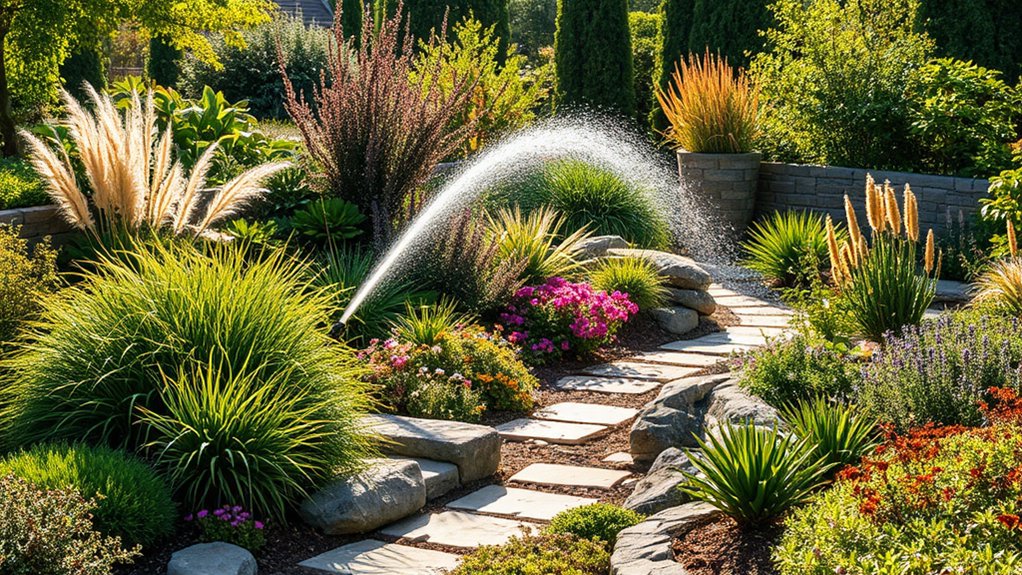
Water-wise features can feel lush without demanding extra irrigation. In this approach, you select drought-tolerant plantings paired with efficient watering tactics, such as deep, infrequent soakings and mulch to reduce evaporation.
Employ smart irrigation controls to match local weather, minimizing waste while preserving greenery. Add structural elements like gravel beds, permeable pathways, and captured rainwater to enhance texture and microclimates without excess moisture.
Focus on soil health; healthy soil supports efficient water use and robust plant performance. Use native or adapted varieties to decrease pathogen pressures and garden pests, while maintaining visual fullness.
Compose with layered textures and foliage color to sustain a lush appearance during heat spells. Regularly monitor soil moisture and plant vigor to sustain balance and resilience.
Simple, Inviting Hardscapes for Warmth
- Choose durable paving with warm tones and varied textures
- Integrate low-voltage lighting to extend usability
- Highlight garden art as focal points at dusk
Year-Round Structure: Arbors, Trellises, and Shade
Arbors offer year‑round structure, guiding you through all seasons with durable form and seasonal interest.
Trellis vertical gardens maximize vertical space while keeping maintenance low and growth controlled.
Plan shade structures thoughtfully, considering placement for best cooling, privacy, and plant compatibility across demand and sun patterns.
Arbors For All Seasons
Arbors, trellises, and shade structures can transform a garden year-round by providing support for vines, defining spaces, and adding vertical interest. You’ll use these elements to create structure that guides movement, frames views, and highlights focal plants. Choose durable materials, and match finishes to your home’s style for cohesive appeal.
In all seasons, consider plant choices and maintenance to guarantee year-round impact. Garden art and seasonal pruning converge here, shaping form and health with measured care. By integrating climbers and shade accents, you gain microclimates and extended usability.
- Select robust frames and climb with seasonal pruning to maintain form.
- Pair evergreen foliage with deciduous vines for continuous texture.
- Align arbors with paths and seating to define spaces and rhythm.
Trellis Vertical Gardens
In vertical gardening, you leverage wall space and existing frames to support flowering climbers, herbs, and compact edibles, optimizing sun exposure and irrigation efficiency.
A well-considered trellis design emphasizes sturdy materials, appropriate spacing, and durable fasteners to withstand seasonal loads and wind.
Align trellises with pathways to maintain movement and sightlines, ensuring maintenance remains convenient.
Choose modular or lattice configurations that adapt to changing plant needs, enabling rapid replacement or reweaving of foliage.
Integrate planters at varying heights to foster layered interest while preserving airflow.
This approach delivers year-round structure, discipline, and visual cohesion in your garden.
Shade Structure Placement
1) Assess sun angles and prevailing winds to determine ideal orientation and height for arbors, trellises, or shade sails. Ensuring consistent coverage without blocking essential views is important.
2) Choose outdoor shade solutions built from weather-resistant materials and mortar-free foundations for easy maintenance and year-round stability.
3) Plan sightlines, drainage, and access routes so shaded zones stay inviting during hot months while preserving plant health and visual balance.
These steps safeguard comfort, accessibility, and structural longevity through thoughtful shade structure placement.
Create Pollinator-Friendly Blooms All Summer
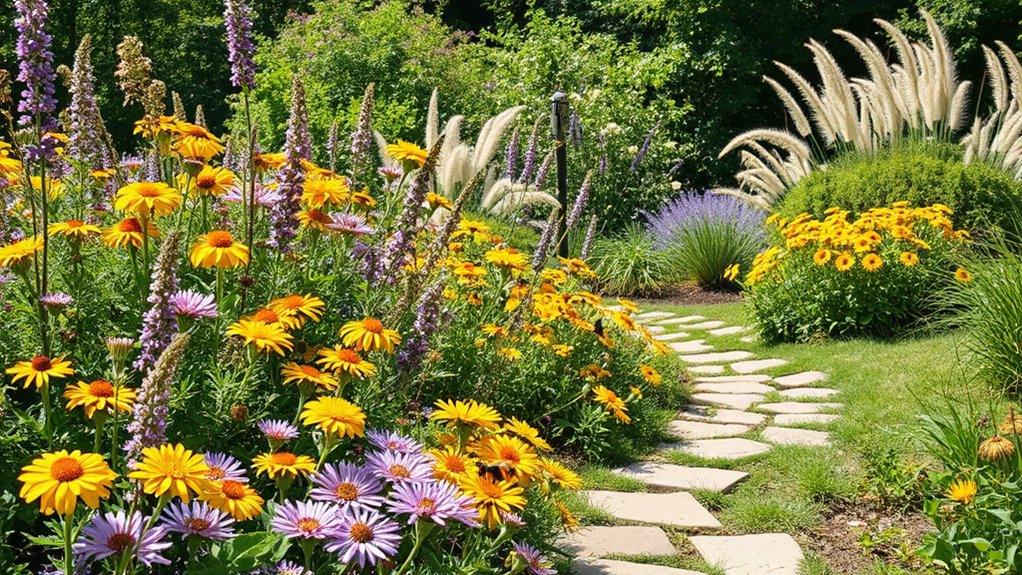
To support pollinators year-round, prioritize nectar sources that bloom from June through September.
Establish native pollinator hubs in your garden. You’ll guide sustained forage by selecting plants that stagger bloom times and thrive in your local climate.
This approach keeps beneficial insects active across the season while maintaining a concise, evidence-based landscape plan.
Plant Nectar Sources
Pollinator-friendly blooms must provide continuous nectar from spring through fall, ensuring bees, butterflies, and other beneficial insects remain nourished throughout the growing season. You can optimize nectar sources by selecting diverse, hardy varieties and pairing native plants with adaptable cultivars.
Establish Wildflower gardens that bloom in successive waves to sustain pollinator activity, and link them with dense nectar corridors to form Pollinator pathways across your landscape.
- Plant a succession of nectar-rich perennials and annuals, focusing on late-spring through early-fall bloom times.
- Incorporate native species that tolerate local soils and drought while delivering reliable nectar yields.
- Create contiguous patches and stepping stones of flowering species to guide pollinators through your yard.
June To September Blooms
June through September blooms keep pollinators nourished all summer by planting a continuous sequence of nectar-rich perennials and annuals. You create a steady nectar flow from late spring through early autumn, supporting bees, butterflies, and hummingbirds.
Choose a layered palette: early-season bloomers for immediate forage, mid-season varieties for peak nectar, and late bloomers to sustain activity into fall.
Prioritize native or well-adapted cultivars that attract pollinators and tolerate local conditions with minimal maintenance.
Plan for continuous color while avoiding gaps between bloom periods.
Consider low, medium, and tall textures to enhance garden structure without overshadowing pollinator-friendly plants.
Integrate nighttime illumination strategically to highlight blooms after dark, and employ garden art as focal points that complement, not compete with, nectar sources.
Native Pollinator Hubs
What exactly makes a garden truly pollinator-friendly in summer is simpler than it seems: establish native pollinator hubs that deliver continuous nectar and shelter from late spring through early autumn. You create structure with purpose, selecting plants that sustain pollinators across seasons. Focus on Pollinator habitat and native plant selection to guarantee consistency and resilience.
1) Design clustered plantings around sunlit zones to concentrate foraging and reduce travel time for visiting insects.
2) Choose a diverse mix of native species with overlapping bloom windows, ensuring nectar continuity from late spring to early autumn.
3) Include sheltered habitats like brush piles, short- to mid-height perennial borders, and bare-ground patches for nesting and ground-dwelling pollinators.
Budget-Friendly Décor to Brighten Outdoor Spaces
Budget-friendly décor can dramatically brighten outdoor spaces without inflating your project costs. You’ll optimize impact by choosing a cohesive palette and versatile pieces that endure seasonal changes.
Start with garden art that reflects your style—metal silhouettes, ceramic accents, or upcycled items—placed at focal points to guide the eye.
Pair these with deliberate outdoor lighting to extend usability after dark; solar-powered string lights, lanterns, and low-voltage fixtures provide warmth and safety without excess expense.
Use durable containers and weather-resistant plants to add color with minimal maintenance.
Keep surfaces clean and clutter-free, selecting compact furniture that maximizes available square footage.
Finally, implement a simple rhythm of repeats and accents to unify the space while preserving flexibility for future tweaks.
Vertical Gardening Tricks for Small Spaces
Vertical gardening transforms tight spaces by maximizing vertical space with sturdy trellises and modular planters.
Planter wall techniques help you layer edibles and ornamentals for year-long harvests and visual impact.
Water-wise support systems, like drip lines and rain barrels, guarantee efficient irrigation with minimal waste.
Vertical Space Maximization
Vertical space often determines what you can grow in a compact garden, and maximizing it requires deliberate structure and smart plant choices. You leverage height through deliberate placement, ensuring airflow and accessibility while maintaining visual balance.
Use vertical trellises to train vining crops, maximize sun exposure, and keep ground space free for seasonal color.
Employ hanging planters to add dimension without crowding borders, selecting lightweight substrates and robust fasteners.
Sustain organization by grouping plants with similar light needs on each axis, and rotate crops seasonally to avoid stagnation.
Plan paths that accommodate maintenance access. Choose durable materials and seal connections to resist weather.
Consistent maintenance preserves structure and encourages continuous growth.
- Vertical trellises for climbers and vines
- Hanging planters for added layers and color
- Seasonal rotation and integrated irrigation planning
Planter Wall Techniques
Choose lightweight substrates and proven fasteners to guarantee safety and longevity. Arrange plantings by sun exposure and growth habit, coordinating color and texture to enhance visual flow.
Prioritize compact cultivars for reliable yields without crowding, and use herbaceous perennials for year-round structure. Incorporate drip irrigation or self-watering components to reduce maintenance while preserving moisture.
When planning, consider sightlines, accessibility, and drainage to sustain healthy roots. This approach reinforces garden aesthetics through deliberate plant arrangement, delivering a cohesive, space-efficient solution that remains easily adaptable to evolving needs.
Water-wise Support Systems
How can you maximize efficiency in small spaces without sacrificing plant health? In vertical gardening, you implement water-wise support systems that conserve resources while sustaining vigor. Strategic container choice, layered irrigation, and modular trellises minimize runoff and maximize sun exposure for each plant.
Emphasize resilience by selecting drought resistant plants and integrating rainwater harvesting where possible to reduce demand on mains supply. Proper drainage and aeration prevent root stress, supporting steady growth across heights.
Align companion planting with vertical layouts to optimize nutrient use and pest control.
- Route a compact drip line to feeding stations, ensuring uniform moisture.
- Use reflective surfaces and staggered shelves to boost light distribution.
- Collect rainwater, store, and redirect to planters through gravity-fed systems.
Placemaking: Seating Zones That Invite Lingering
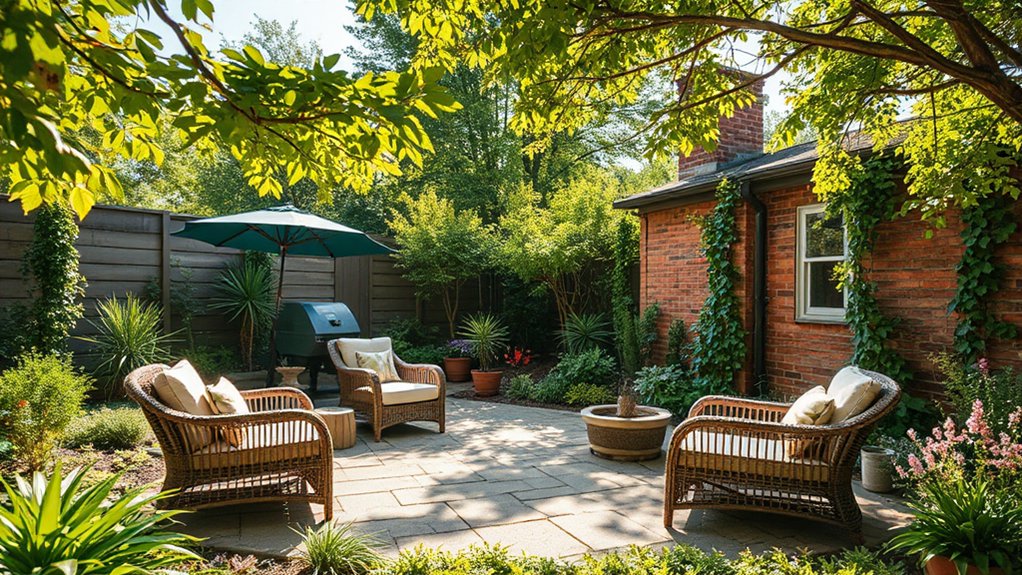
A well-placed seating zone anchors a garden and invites lingering, transforming pathways into destinations rather than merely routes. You design with intention, placing benches, chairs, or intimate alcoves to encourage pause and dialogue with surroundings.
Prioritize seating comfort, selecting scales and materials that support posture and endure seasonal shifts. Integrate shade, warmth, and angles that invite natural circulation while preserving sightlines to focal plantings.
Consider garden acoustics, using soft surfaces, water features, or plant shields to moderate noise and enhance listening spaces. Position seating near sensory anchors—flowers, sculpture, or a scented border—to reward lingering with varied experiences.
Maintain accessibility and clear sightlines for safety, while allowing a sense of enclosure that remains open to the garden’s broader rhythm.
Seasonal Maintenance Checklist for Summer Thrive
To keep your garden thriving through summer, implement a precise watering schedule that matches plant needs and weather patterns.
Prioritize a mulching and weeding plan to conserve moisture and reduce competition, while monitoring soil health for recovery after heat stress.
Include targeted fertilization steps to support growth, noting signs of nutrient shortfalls and adjusting as conditions change.
Watering Schedule Tips
Efficient summer watering starts with a clear schedule that aligns with local rainfall, soil type, and plant needs. You’ll optimize irrigation by testing soil moisture at root depth and adjusting watering depth rather than frequency, reducing waste.
In addition, you’ll integrate plant pruning reminders to maintain structure and resilience, while monitoring for signs of drought stress. Maintain consistent timing to support robust growth and pest control by avoiding overly damp periods that invite disease.
- Map a weekly framework that matches local climate, using deep, infrequent irrigation to encourage deep roots.
- Water at dawn or dusk to minimize evaporation and improve uptake, adjusting for soil texture and mulch.
- Track rainfall and plant responses; adjust schedules promptly to protect vulnerable species and sustain vigor.
Mulching And Weeding Plan
Mulching and weeding are core summer maintenance tasks that protect soil health and plant importance. You implement a disciplined plan to minimize moisture loss, suppress weeds, and regulate soil temperature.
Begin with a uniform mulch layer, 2 to 3 inches deep, avoiding pileups against stems. Regularly monitor mulch for compaction and replenish as needed.
Weeding should be systematic, prioritizing shallow, frequent removals to reduce soil disruption and avoid root damage. Schedule weeding during cooler mornings to limit transpiration stress on plants.
Integrate soil testing to guide mulch choice, irrigation timing, and plant selection, ensuring nutrient balance without excess leaching.
Remain vigilant for garden pests and adjust mulch thickness and weed control accordingly.
Document outcomes to refine future summer strategies, maintaining a vigilant, data-driven approach.
Fertilization And Recovery Steps
Fertilization should be timed to support peak summer growth while preventing nutrient leaching, so begin with a soil test to determine exact needs and adjust accordingly. You’ll apply balanced fertilizers to match plant demands, focusing on gradual release options to sustain soil health and minimize runoff.
Monitor growth responses and revise rates based on leaf color, vigor, and soil moisture. Pair nutrient applications with effective pest control to reduce plant stress and protect gains.
- Schedule light, regular feedings aligned with active growth, avoiding over-fertilization that damages roots and water quality.
- Use soil amendments and compost to maintain structure and microbial activity, supporting soil health and nutrient availability.
- Integrate targeted pest control practices to prevent damage that would undermine recovery and vigor.
Budget-Friendly Plant Swaps to Refresh Your Garden
If your goal is to refresh your garden without breaking the bank, budget-friendly plant swaps offer a practical path forward. You can evaluate existing specimens for resilience, then exchange overgrown or underperforming varieties with cost-effective alternatives.
Prioritize plants that share sun or moisture needs to reduce maintenance and increase success. Consider regional natives and easy-care perennials to extend the season with minimal input.
Pair substitutions with thoughtful placement to preserve color and structure, and test soil compatibility before relocating roots. Integrate low-cost accents such as seed-grown annuals or division from healthy clumps to maintain balance.
For visual impact, plan a coordinated palette to support a cohesive flower arrangement and consider subtle garden lighting to extend evening enjoyment without substantial investment.
Quick-Start Checklist to Unleash Your Brightest Garden Yet
Ready to turn your refreshed garden into a thriving, year-round display? This quick-start checklist unifies planning, maintenance, and impact, guiding you to immediate results. Focus on three core actions that set a durable baseline for brightness, health, and order.
- Assess and outline: map sun exposure, soil quality, and existing garden decor to prioritize improvements and avoid overreach.
- Implement essential care: install efficient irrigation, mulch where needed, and establish pest control strategies that protect rather than over-treat.
- Schedule a sleek maintenance cadence: weekly checks, monthly pruning, and seasonal refreshes that sustain vitality and visual cohesion.
Adopt these steps to elevate your garden’s color, structure, and resilience with precision and restraint.
Frequently Asked Questions
How Can I Protect Plants From Afternoon Heat Impact?
To protect plants from afternoon heat, you should employ watering techniques that hydrate deeply and consistently, and install shade structures to reduce sun exposure; monitor soil moisture, avoid overwatering, and adjust irrigation timing for ideal plant resilience.
Which Scents Boost Summer Curb Appeal Naturally?
Juxtapose serenity and bustle by choosing herbal fragrances and floral aromas; you boost summer curb appeal naturally, blending calming herbs with bright blooms you’ll notice daily, as you cultivate inviting, scented curbside charm.
What Microclimates Should I Map in My Yard?
You should map sun exposure, wind, drainage, and soil depth as your primary microclimate factors. Perform yard microclimates assessments across slopes, planters, and shade edges, then refine using seasonal shifts to guide sensitive plant selections and irrigation. Microclimate mapping informs decisions.
How Often Should I Refresh Mulch and Soil Surface?
You should refresh mulch and soil surface every 1–2 years, more often in high-use beds. Mulch maintenance and soil rejuvenation practices protect roots, conserve moisture, and prevent erosion, while spacing organic mulch to avoid suffocation and disease.
Can I Reuse Existing Plantings for Seasonal Bursts?
Can you reuse existing plantings for seasonal bursts? Yes, you can, by revitalizing borders and reconfiguring plant arrangements. This boosts garden color, preserves vigor, and maintains cohesion, while you select complementary textures, ensuring balanced, enduring garden color throughout summer.
Conclusion
You’ve planned, planted, and personalized a brighter, greener oasis. As summer stretches, your garden becomes a living compass—steady, vibrant, inviting. Stay on top of sun-loving choices, drought-tolerant blends, and smart irrigation, and your landscape will endure with minimal fuss. Keep maintenance tight, swaps timely, and seating ready for lingering moments. Like a well-tuned instrument, your yard hums in harmony, guiding you outdoors toward relaxed, sun-filled days and enduring seasonal scent and color.