

Transform your yard into a practical, beautiful outdoor living space by clarifying goals and upgrading in thoughtful phases. Start with core needs like soil health, irrigation, and privacy, then layer in low-maintenance plantings, budget-friendly hardscape, and cohesive lighting. Choose native, drought-tolerant pairings for easy care, and carve the space into cozy outdoor rooms with sensory edges—fragrance, texture, and sound. Keep maintenance simple with a seasonal calendar and smart shortcuts; more practical tips await as you continue.
Key Takeaways
- Plan upgrades in phases, starting with core needs (irrigation, soil health) and layering decor as budgets allow.
- Assess sun, soil, and microclimates to tailor plant choices and optimize watering and drainage.
- Prioritize high-impact, durable features and native plants to cut maintenance and costs.
- Create distinct outdoor rooms with zones, shelter, lighting, and cohesive color/texture for flow.
- Use sensory borders with fragrance, textures, and subtle sounds to enhance navigation and ownership.
Define Your Garden Upgrade Goals Clearly
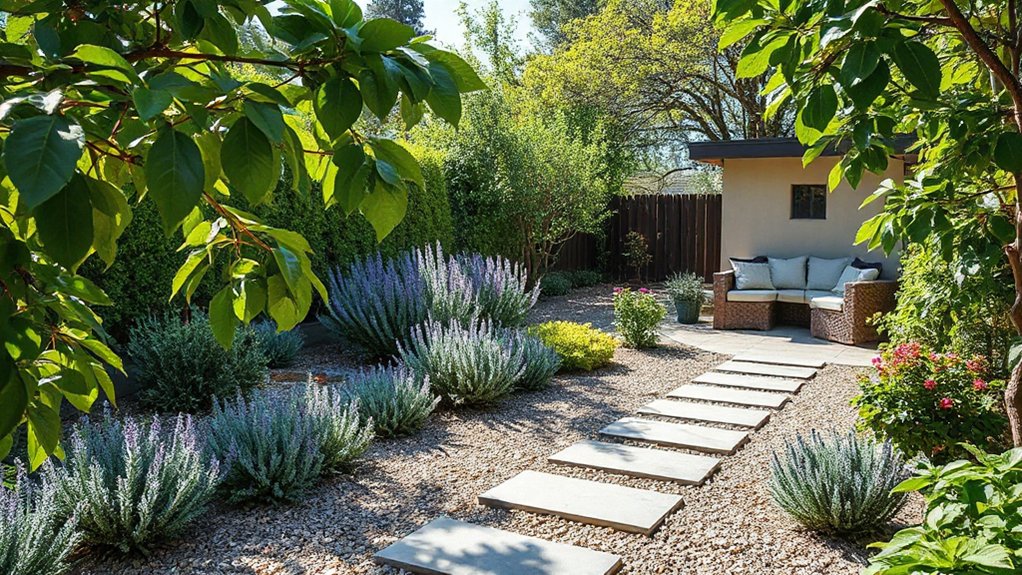
To define your garden upgrade goals clearly, start with the end in mind: what’ll you use the space for, and how do you want it to feel? You’ll map activities you enjoy, from quiet mornings to entertaining friends, then prioritize zones that support those experiences.
Set measurable targets: usable square footage, plant variety, maintenance hours, and seasonal color. Align your choices with core needs—privacy, sun exposure, and accessibility—so every feature serves a purpose.
Consider garden decor that reflects your style while remaining practical, like durable furniture and low-maintenance accents.
Plan for composting techniques that reduce waste and enrich soil, integrating bins, aeration, and learning curves.
With clear targets, your upgrades stay focused, efficient, and rewarding—bridging your dream garden with everyday use.
Assess Sun, Soil, and Microclimates Your Garden Faces
To start, map your sunlight across the day to know which areas stay bright and which shade up as the sun moves.
Next, confirm soil type and drainage so you can plan beds, amendments, and irrigation with confidence.
Finally, note microclimates—hot walls, wind corridors, or cool pockets—and tailor plant choices and placement to thrive.
Sunlight Availability Map
Gauging sunlight, soil, and microclimates helps you map how your garden will perform across the seasons, so you can plan planting zones, shading strategies, and irrigation accordingly.
Your Sunlight Availability Map becomes a practical guide: identify where the sun lingers in morning versus afternoon, note seasonal shifts, and mark persistent shade from buildings or trees. Use simple symbols for Sunlit, Partial, and Shaded areas to map planting groups and timing.
Track Sunlight patterns to time annuals, perennials, and edibles with peak exposure, and plan shade solutions for heat-sensitive crops.
This map empowers confident design decisions, helping you place sun-loving varieties where they thrive while preserving comfort in outdoor living spaces.
Ready your plan, refine canopy ideas, and grow with intention.
Soil Type And Drainage
Understanding soil type and drainage is foundational to every planting decision—knowing what your bed can hold guarantees roots get the air and water they need. You’ll assess soil composition by feeling texture, testing drainage, and noting color and odor, then match plants to conditions or amend thoughtfully.
If drainage is slow, you’ll create raised beds, mix in compost, and improve structure with coarse sand or perlite where appropriate. For well-drained sites, you’ll preserve moisture with mulch and organic matter, avoiding overwatering.
Practical amendments unlock resilient growth: compost, fine gypsum, or lime as needed, based on pH tests. Keep the goal in sight—consistent moisture without soggy roots.
With clear drainage solutions, your landscape thrives, and your garden becomes a dependable, beautiful habitat.
Microclimate Identification Tips
Microclimates aren’t a mystery—they’re everyday realities in your garden. To identify them, observe sun exposure at different times of day, note which spots warm quickly and which stay cool, and map wind patterns that dry or shade beds.
Test soil moisture with a simple ramekin push halfway in and check daily; rapid drainage tells you where to plant drought-tolerant options, while slow-draining soil benefits moisture-loving varieties.
Observe adjacent structures, walls, and fences that intensify heat or shade, guiding placement of wildflower gardens for bloom windows and color contrast.
Use vertical greenery to maximize vertical sun catchers and microclimate cooling.
Align plant choices with microclimate zones, then tune irrigation and mulching to conserve moisture and reduce maintenance.
Budget-Friendly Landscaping: Realistic Cost-Cutting Tactics
Smart budgeting can transform any yard into a thriving landscape without breaking the bank. You’ll maximize impact by prioritizing what truly matters: durable foundations, low-maintenance elements, and scalable upgrades.
Start with a clear plan, then reserve funds for a few high-return features rather than chasing every trend.
Choose native plants that resist local pests and require less water, reducing ongoing costs.
Mulch to cut weed pressure and conserve moisture, saving time and money.
Opt for versatile, affordable hardscapes—stepping stones, a simple path, or a small seating area—that define space without overwhelming it.
Embrace DIY opportunities, from garden décor to basic irrigation tweaks, and schedule seasonal improvements when discounts peak.
For pest control, combine prevention with targeted, budget-friendly interventions.
Plant Pairings That Thrive With Minimal Maintenance
When you’re aiming for garden ease, pairings that thrive with minimal maintenance become your secret weapon. You’ll notice that thoughtful companion planting reduces pests and soil stress while keeping chores manageable.
Group plants with complementary needs, like shallow-rooted herbs alongside nutrient-demanding perennials, so irrigation and feeding stay efficient. Choose sturdy, low-maintenance mixes: lavender with salvia, marigold with tomato, or basil near peppers to deter some pests.
Mulch generously to suppress weeds and conserve moisture, then favor selections that tolerate light shade and drought. Edge plantings and groundcovers minimize upkeep and visually unify your space.
Prioritize pest prevention through spacing, airflow, and native companions, avoiding chemical crutches. With these pairings, you’ll enjoy healthy harvests and relaxed weekend downtime.
Year-Round Borders: Design and Planting That Last
Year-round borders start with a thoughtful backbone: plants that carry color, texture, and structure through every season. You’ll choose evergreen structures for backbone and seasonally colorful accents to keep the bed lively when other tried-and-true perennials fade.
Plan a layered approach: a backbone of shrubbery, mid-height performers, and low groundcovers that spill softly over the edge. Emphasize durable foliage and reliable bloom timing to reduce gaps in interest.
Practice seasonal pruning to maintain shape, encourage denser growth, and prolong fragrance and color. Pair flowering varieties with textural evergreens to minimize maintenance.
Implement pest management proactively by inspecting weekly, selecting resistant cultivars, and using targeted, environmentally friendly treatments. You’ll achieve a cohesive, resilient border that remains vibrant year after year.
Water-Wise Solutions: Drought-Tolerant Plants and Efficient Irrigation

Water-wise gardening starts with choosing drought-tolerant plants that thrive on less water while still delivering color and texture. You’ll design a landscape that respects water limits by selecting xeriscape principles at its core, using deep mulch to reduce evaporation and grouping plants with similar water needs.
Native species naturally adapt to local climates, requiring less maintenance and fewer inputs, so you’ll see healthier beds with reduced irrigation.
Implement efficient irrigation by installing smart-moisture sensors or drip lines that deliver water directly to roots, minimizing waste. Choose soil amendments that improve water retention, and adjust schedules seasonally to avoid overwatering.
Pair permeable hardscape accents with plantings to encourage runoff capture, creating a resilient, vibrant, low-maintenance outdoor space.
Budget Pathways: Simple, Smart Hardscaping on a Shoestring
From drought-smart planting to tight-budget upgrades, your yard can look polished without breaking the bank. Budget pathways prove you don’t need costly materials to achieve clean, defined lines. Start with compact borders using crushed granite, mulch, or local gravel to reduce maintenance while guiding foot traffic.
Choose durable, affordable materials like pavers set on a simple sand base, or repurposed timber for stepping stones. Keep joints tight and DIY-friendly to slash costs.
Incorporate garden furniture in weatherproof finishes to create inviting gathering zones without overhauling the space.
Plan for pest control with low-impact, preventive strategies—native plants, proper drainage, and healthy soil reduce issues long-term.
Finish with a cohesive palette and crisp edging to elevate curb appeal, all while staying on budget.
Lighting Ideas That Make Outdoor Spaces Sparkle
Soft lighting can transform your outdoor spaces into inviting retreats, so start by layering two or three reliable sources—stepping stones glow from path lights, seating areas glow with warm string lights, and task lighting brightens cooking or bar zones.
You’ll balance brightness with dimmers, making moods for gatherings or quiet pauses. Choose fixtures that complement your landscape and deter glare, using low, warm color temperatures to keep colors true and inviting.
Integrate garden art to punctuate focal points and reflect your personality, while keeping wildlife habitats in mind with shielded placements that minimize intrusion.
Create Cozy Outdoor Rooms and Natural Zoning
You can start by carving your yard into distinct, inviting zones that feel intimate yet connected to the whole space. Create cozy outdoor rooms with comfortable seating, shelter, and lighting that invite lingering moments.
Use subtle borders and plants to define areas without walls, guiding flow and setting a relaxed, purposeful vibe.
Cozy Outdoor Rooms
Integrate shelter with pergolas or umbrellas and choose soft lighting to extend evenings without glare. Create natural zoning by pairing a dining nook with a quiet reading corner, separated by planters or a low hedge. Keep traffic smooth with clear sightlines and minimal clutter.
Add garden decor that reinforces your theme, like lanterns or sculptural elements, not competing with plant life. For sustainability, practice composting tips and let organic matter enrich nearby beds. This approach blends practicality with inviting, serene moments outdoors.
Natural Zoning Ideas
Natural zoning uses deliberate layouts to balance open space with intimate nooks. You’ll map sightlines that guide the eye, then separate areas with subtle screens, plantings, and textures.
Create cozy outdoor rooms by defining boundaries with low hedges, gravel thresholds, or timber decks, inviting conversations and lingering moments.
Use wildflower meadows to soften edges and provide seasonal color without heavy maintenance.
Vertical gardens tuck greenery upward, saving ground space while delivering lush focal points along walls or fences.
Pathways should flow, not rush, connecting seating, dining, and cooking zones.
Incorporate lighting that’s warm and functional, so passages feel seamless after dusk.
Color and Texture: Plants, Mulch, and Surfaces That Complement
Color and texture set the tone of any garden, so start by choosing plants, mulch, and surfaces that work together to create a cohesive feel. You’ll balance color schemes and texture contrast to guide the eye, create rhythm, and reduce visual noise.
Pick foliage with varied leaf forms and hues, then layer mulch and hard surfaces to echo those tones. Aim for deliberate contrasts—soft leaves versus crisp bark, matte mulch against glossy pots—to add depth without clutter.
Keep paths and seating in neutral tones to let planting sparkle, and repeat a unifying color or texture across features for harmony.
- Combine plants with complementary color schemes and varied textures
- Use mulch and surfaces that echo each other for continuity
- Prioritize clean lines and subtle contrast to unify spaces
Year-Round Seasonal Color: Plants and Combinations That Shine
Year-round color hinges on smart plant choices and savvy pairing. You mix bloom timing, foliage texture, and height to create continuous interest, not gaps. Pick Seasonal blooms that peak across seasons, then layer them with mid-season performers for progressions you can predict.
Pair low-evergreen accents with bold seasonal pops to maintain structure when textures shift. Choose compact perennials, long-bloom shrubs, and repeat color notes in borders for harmony.
You’ll also weave in Garden accessories like decorative pots, edging, and trellises to frame color blocks and spotlight focal plants. Use drip irrigation and mulch to protect color vigor through heat and frost, minimizing maintenance while maximizing impact.
Plan color arcs by sun exposure and soil, refining combinations as needed for a polished, aspirational space.
Weekend-Ready Garden Hacks You Can Do Now

You can start this weekend with quick prep that sets the stage for greener results, from pruning dead growth to a fast soil refresh.
Think budget-friendly upgrades that feel intentional—new mulch, fresh plant accents, and a simple container swap that boosts curb appeal.
We’ll refresh with a clean, plant-forward approach that’s easy to maintain and ready to celebrate.
Quick Weekend Prep
If you’re looking to refresh your garden this weekend, start with a quick, actionable plan that yields noticeable results by Monday. You’ll tackle a few high-impact tasks that set the tone for the season: tidy edges, smart plant grouping, and a touch of visual interest with garden art, plus a boost for wildlife habitat.
- sharpen edges and mulch to crisp, clean lines
- group complementary perennials and add a focal piece of garden art
- install a shallow water feature or bird-friendly resources to support wildlife habitat
With these moves, you’ll enjoy immediate polish, practical structure, and a weekend win that motivates your ongoing outdoor transformation.
A freshly organized space feels inviting and ready for more ambitious upgrades.
Budget-Friendly Upgrades
Ever wondered how to upgrade your garden without breaking the bank? You can achieve a polished look with quick, weekend-friendly moves. Start by rethinking garden art: a bold, weatherproof sculpture or a handful of lanterns can create focal points without heavy costs.
Layer textures with inexpensive planters, simple gravel paths, and a few thriving perennials for year-round appeal. Upgrade outdoor furniture with a slipcover, cushions in durable fabric, or a bright, cohesive color palette to unify disparate pieces.
Add height and interest with trimmed hedges, a trellis, or vertical containers. Repurpose salvaged materials for borders or a small seating nook. Finally, optimize lighting—solar stakes or strings extend usability, inviting you to linger longer and enjoy the space you’ve quietly upgraded.
Simple Plant Refresh
Even when you’re short on time, a simple plant refresh can transform your garden in a weekend. You’ll boost plant health by inspecting leaves for pests, trimming any dead tips, and resealing soil with a light top-dress.
Remove crowded growth to encourage air flow and stronger root growth, then water deeply to settle roots without overdoing it. Choose a few quick amendments like compost or mulch to improve soil structure and moisture retention.
Keep expectations realistic: small changes add up over time, creating a healthier, more vibrant space.
- Inspect, trim, and refresh soil to support root growth
- Water deeply and mulch for moisture and prevention
- Targeted pruning and crowding removal for healthier plant health
Sensory Edges: Fragrance, Sound, and Tactile Details
Fragrance, sound, and tactile details shape how you perceive a garden’s edge, turning borders into living sensory gateways. You’ll design edges that guide, pause, and invite closer inspection.
A Sensory garden approach blends fragrance layering with varied textures, so you move—from shady to sunlit—by scent and sensation as much as sight. Plant compact, aromatic groundcovers near paths, add wind-chimed grasses, and tuck native blooms that offer subtle, evolving notes.
For touch, incorporate rough bark, cool stones, and velvety leaves at arm’s reach. Sound can come from gentle water features or rustling grasses, creating a calm rhythm along the boundary.
This practical focus heightens curiosity and ownership, elevating borders from static borders to immersive, planned experiences.
Privacy With Style: Screens, Fences, and Living Walls
As you explore privacy with style, you’ll see how screens, fences, and living walls can define zones while enhancing curb appeal.
Consider the privacy features spotlight—they should feel intentional, still breathe light, and complement your overall design.
A living wall adds texture and height, pairing lush aesthetics with practical screening to elevate both form and function.
Privacy Features Spotlight
Looking for privacy that doesn’t feel like a fortress? You can master it with stylish screens, smart fencing, and living plant barriers that blend with your garden. Choose materials and heights that suit your space, then layer textures for depth without closing you in.
Carefully planned screens can frame views, reduce noise, and guide traffic while keeping sunshine. Use planting combos for year-round privacy and a touch of greenery that softens lines.
Integrate garden decor accents and durable finishes to extend style beyond summer. Pest control benefits come with dense, well-spaced greenery and breathable fences that promote airflow and reduce pests near seating zones.
- Screen choices that balance openness with seclusion
- Plant pairings for year-round privacy and curb appeal
- Low-maintenance fencing and decor accents for durability
Living Wall Aesthetics
Living walls bring greenery into your silhouette of a garden, blending vertical space with seclusion and style. A living wall acts as a sculptural screen, softly absorbing noise while delivering instant privacy.
With a vertical garden, you gain texture, color, and year‑round interest without sacrificing ground area. Choose a modular panel system or a moss‑based option for low maintenance, then mix evergreen textures with seasonal blooms to keep the frame dynamic.
Guarantee proper irrigation and drainage; drip lines simplify care and prevent root rot. Position the installation where you want a visual anchor or a secluded nook, aligning it with pathways or seating.
Regular pruning keeps shape tidy, while occasional replanting refreshes the look and reinforces your garden’s architectural clarity.
Maintenance Mindset: Simpler Care for Lasting Joy
A simple maintenance mindset starts with clear priorities: choose a few high-impact tasks you can do quickly, and schedule them as regular rituals rather than chores.
- Streamlined routines: pick 2–3 tasks like quick pruning, wheelbarrow cleanouts, and moisture checks to run weekly.
- Smart shortcuts: group similar chores, use labeled tools, and set reminders to minimize backtracking.
- Ongoing guardrails: track composting basics and pest control lightly—rotate compost pile, inspect for pests, and seal entry points.
Plan Upgrades in Phases for Long-Term Impact
Plan upgrades in phases to maximize impact over time. You’ll map a clear sequence: begin with essentials, then layer in enhancements as your budget and priorities evolve.
Start by evaluating your core needs—irrigation, soil health, and lawn resilience—before adding garden decor that frames spaces and elevates mood.
Phase one quality pays dividends, reducing future costs and disruption. In subsequent steps, pursue selective plantings, durable materials, and smart irrigation that conserve water.
Consider pest control measures early, integrating natural barriers and proactive monitoring to minimize flare-ups.
Maintain momentum with a simple maintenance calendar that syncs with seasonal tasks.
Frequently Asked Questions
How Can I Set Realistic Garden Upgrade Goals Quickly?
Set clear, quick targets by evaluating sun, soil, and water needs, then sketch a practical timeline. Choose garden design ideas that fit your space, and prioritize plant selection with low-maintenance natives and seasonal bloom windows. Reevaluate monthly.
What Microclimates Most Affect Sun-Loving Plants?
“Where there’s a will, there’s a way.” You’ll notice microclimate variations shape sun exposure, so you’ll plan around warm walls, south-facing corners, and shade pockets, guiding plant choices for thriving sun-loving specimens.
Which Low-Cost Materials Deliver Durable, Stylish Hardscaping?
Yes—you can achieve durable, stylish hardscaping on a budget with concrete pavers or compacted gravel, and you’ll love garden edging and stone pathways that define spaces while feeling timeless and low-maintenance.
How Do I Plan Phased Upgrades for Long-Term Impact?
Ironically, you’ll plan phased upgrades by starting with a clear vision, then mapping milestones. You’ll prioritize Garden design and Plant selection, assess budgets, and stage installations, ensuring each phase builds practical beauty toward long-term impact.
What Simple, Invisible Irrigation Tweaks Save Water?
You can save water with drip irrigation tuned to your plants’ needs and moisture sensors that trigger only when soil dries. Install mulched beds, check for leaks, and adjust emitters to minimize evaporation while maximizing root delivery.
Conclusion
As you map your upgrades, you’ll notice small wins echo bigger ones—a sunlit bed, a scent that drifts as you close the gate, a plant pairing that thrives with almost no fuss. You’ll plan in phases, so progress keeps pace with your life, not fights with it. Coincidences appear: a seedling roots just as you finish a border, a neighbor shares a plant you nearly bought. Stay practical, stay hopeful, and watch your garden become the future you’d hoped for.