

This is the era where every square meter feels priceless, and you’re expected to balance timeless craft with modern flexibility. You’ll find that’s achieved through authentic materials, subdued palettes, and spaces that age gracefully. But the real signal is how you layer lighting, conceal storage, and curate accents that reveal regional craft. If you’re seeking a serene, adaptable retreat that still speaks of place, there’s a framework you’ll want to explore further.
Key Takeaways
- Emphasis on durable, honest materials with provenance, featuring tactile stone, wood, metals, and low-saturation neutrals for timeless luxury.
- Layered lighting strategies combining ambient, task, and sculptural fixtures to sculpt mood and space perception.
- Modular, adaptable layouts with concealed storage and movable screens for quick reconfiguration of rooms.
- Subtle, restrained patterns and vintage-accented textiles that add character without dominating modern silhouettes.
- Sustainable luxury through repairable components, careful sourcing, and timeless forms that age gracefully.
What Defines Luxury in UK Interiors Today: Core Cues and Why They Matter
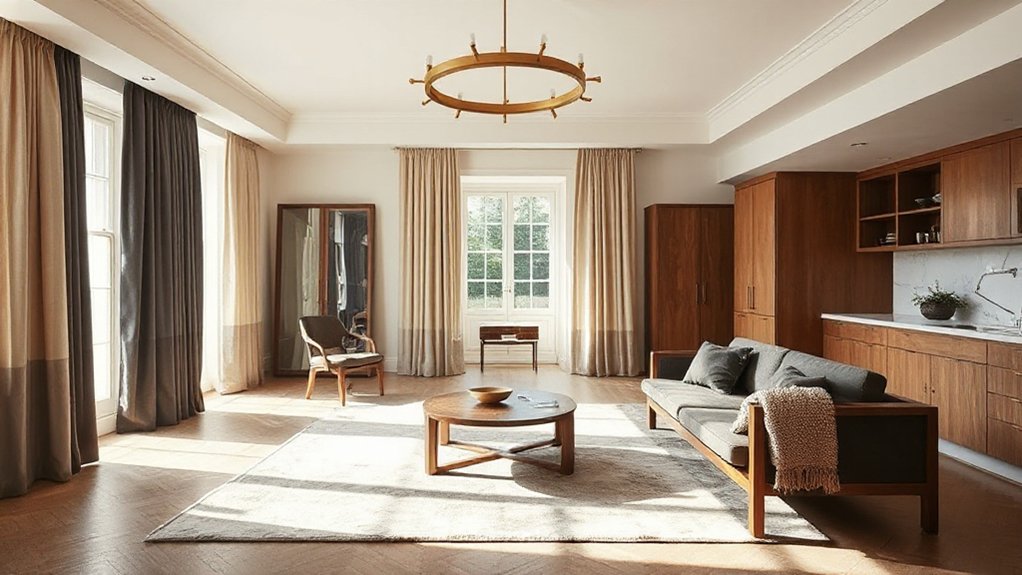
Luxury in UK interiors today hinges on purposeful materials, impeccable finish, and thoughtful restraint. You design around core cues that signal quality: tactile surfaces, precise detailing, and enduring forms.
Heritage craftsmanship grounds your spaces in time-honored technique, delivering durability and subtle richness that ages gracefully. You select materials with provenance, prioritizing honesty of grain, joints, and texture over flashy novelty.
Regional influences matter, guiding palette, pattern, and silhouette to feel local yet contemporary. You curate light and acoustics as essential finishings, not afterthoughts, enhancing perceived value.
For you, luxury isn’t opulence alone; it’s restraint that enhances function, a coherent narrative, and a quiet confidence. The result is spaces that read as intentional, refined, and fit for the long term.
Timeless Palettes for Warm UK Homes
Naturally warm UK interiors hinge on palettes that embrace low-saturation neutrals, creamy whites, and rich timber accents, all balanced to enhance light without shouting.
In practice, you’ll anchor spaces with warm off-whites and soft beiges, then layer depth via chocolate, terracotta, and moss undertones. Introduce vintage furniture as character anchors, avoiding matchy-match extremes; let aged finishes breathe against modern silhouettes.
Keep surfaces lucid to preserve glow, and choose warm whites that don’t drift pink or yellow. For bold patterns, opt restrained scales—think a single upholstered piece or a rug with subtle contrast—so they read as accents rather than statements.
Finish with textiles in heather, taupe, and charcoal to sustain cohesion, ensuring energy stays inviting, timeless, and distinctly British.
Tactile Materials Redefining Tactile Luxury
Tactile materials are redefining luxury by inviting you to feel the difference—soft wool, brushed limestone, and patinated leathers that age with you. You’ll notice how textured fabrics add depth to upholstery, while tactile finishes elevate cabinetry and wall panels with subtle bite.
In contemporary UK spaces, you combine warmth and durability by selecting materials that reward touch, not just sight. Prioritise grade-A felts, boucle, and nubby tweeds for seating, paired with matte, micro-textured stone veneers and oiled wood surfaces for contrast.
Maintenance remains practical: perform regular brushing, use appropriate cleaners, and seal stone to sustain feel. The result is a curated, sensory-rich environment where texture communicates quality as surely as form and proportion.
Marble, Brass, and Velvet: A Material Triad for UK Spaces
As you plan spaces that feel timeless, marble-driven wardrobes and velvet-tone accents let you curate texture and brightness with precision. This triad—golden brass, cool marble, and rich velvet—translates into practical choices from cabinetry to detailing, guiding how light and form interact in UK interiors.
Start by pairing marble surfaces with brass hardware and velvet upholstery to achieve cohesive, tactile harmony.
Marble-driven Wardrobes
Have you noticed the rise of marble-driven wardrobes where marble faces meet brass hardware and plush velvet interiors? You’re seeing a deliberate fusion of form and function that elevates dressing spaces.
In practice, marble surfaces impart a cool, luxurious baseline, while brass accents introduce warmth and refinement without overpowering the room. Velvet-lined interiors deliver quiet luxury and protection for garments, enhancing soundless, glide-enabled doors.
This scheme demands precise marble craftsmanship, including edge detailing and fracture-minimized slabs for longevity in high-traffic zones. Cabinetmakers prioritize seamless grain flow, matched veining, and minimal joints to preserve a coherent narrative across panels.
Finishes lean toward matte or satin to reduce glare and emphasize tactile depth. Invest in quality hardware, reinforced hinges, and consistent color stories to sustain a cohesive, premium wardrobe experience.
Velvet-Tone Accents
Velvet accents rise in seating, cushions, and drapery, pairing with marble surfaces for cool sophistication and brass details for a warm glow. Prioritize scale, so a single centerpiece chair or ottoman commands attention without overwhelming the room.
Consider lighting that enhances texture—spotlight, warm-warmth LEDs, and reflected glow from metallics—to emphasize the velvet’s richness. Keep palettes restrained: charcoal, taupe, and ivory let the trio breathe.
This approach delivers timeless tactility, elevating spaces with measured opulence, while maintaining function and longevity for UK homes. Velvet accents elevate, plush textiles anchor.
Lighting as Architecture: Layered Glow and Sculptural Form
You’ll explore how lighting becomes architecture through layered glow, shaping spaces with subtle, multi-angled illumination.
Sculptural lightforms act as focal elements, balancing ambient, task, and accent layers to sculpt volume and mood.
An architectural illumination strategy guides fixture selection, placement, and controls to create cohesive, expressive UK homes.
Layered Glow Dynamics
Layered glow isn’t just about lighting fixtures; it’s lighting as architecture—a deliberate layering of ambient, task, and accent that sculpts space and guides perception. You’ll deploy ambient layering to soften zones, glow contrast to define focal points, and task layers for daily usability, all while preserving sculptural rhythm. The result is a cohesive mood that reads as architecture, not a collection of lamps.
- Ambient wash elevates walls into canvases, yielding whisper-light drama.
- Task layers carve workspaces without glare, inviting focus.
- Accent beams highlight textures, architectural details, and art.
- Glow contrast creates depth, guiding movement across rooms.
Sculptural Lightforms
Could lighting, when designed as sculpture, transform architecture from backdrop to form? Yes, and you’ll feel it in every room. Sculptural lightforms act as architectural accents, not mere fixtures, carving space with controlled glow and tangible rhythm.
You’re balancing materiality, scale, and tactility to create ambient sculptures that read as integrated architecture. Think suspended or wall-mounted pieces that cast sculpted shadows, weaving luminance into architectural lines.
The aim is layered glow: focal accents, soffit-level radiance, and subtle, diffuse spill that defines zones without overpowering them. You’ll select materials and finishes that reflect your scheme, reinforcing texture and form.
This approach elevates ambience, delivering a curated, gallery-like authenticity. Embrace sculptural lightforms to define presence, cadence, and refined atmosphere throughout.
Architectural Illumination Strategy
How can lighting transcend mere visibility to become a core architectural element? You craft an architectural illumination strategy that fuses function with form, using light as material. The approach emphasizes ambient layering and color modulation to sculpt volume, texture, and mood, not just illuminate spaces.
You choreograph luminance to reveal architectural hierarchy, highlight sculptural edges, and reinforce spatial rhythm. Precision in fixture placement, glare control, and dimming creates a layered glow that guides movement and perception. Your strategy treats light fittings as architectural accents, shaping corners, soffits, and ceilings into expressive surfaces.
- Layered halos along coves and recesses introduce depth without overpowering lines.
- Smart zoning delivers changing scenes for day-to-night shifts.
- Color modulation accents material palettes and reflects mood shifts.
- Sculptural fixtures become landmarks within the architectural vocabulary.
Flexible Layouts for Modern Family Life
Flexible layouts are essential for today’s UK homes, adapting spaces to family rhythms without sacrificing style or function. You design rooms that flex with daily life, so you move gracefully between work zones, play areas, and quiet corners.
Start with modular foundations: lightweight, stackable pieces, and room-splitting screens that reconfigure in minutes. Flexible furniture and multi-use surfaces empower you to transform a lounge into a study nook or a dining setup for guests without disruption.
Consider zoned lighting and acoustics to maintain ambiance as spaces shift. Integrate built-in storage that hides clutter while keeping essential gear within reach.
Prioritize adaptable spaces that preserve flow, ensuring every square metre supports function, comfort, and visual refinement for contemporary family living.
Hidden Storage Strategies That Preserve Opulence
Hidden Depths Storage transforms everyday clutter into curated elegance, using built-in partitions and discreet hardware to maintain a seamless flow.
Luxe Concealment Tactics prioritize material and finish consistency so storage feels like furniture, not an afterthought.
You’ll discover how smart zoning, hidden panels, and sculpted profiles preserve opulence while maximizing capacity.
Hidden Depths Storage
Secretive storage can transform a room without sacrificing opulence; the trick is to weave hidden depths into the architecture you already trust. You’ll maximize impact with discreet, purposeful concealment that remains accessible and elegant.
Treat hidden compartments as architectural accents, not gimmicks, so they read as design statements rather than afterthoughts. Your approach should be strategic, preserving line, proportion, and texture while elevating function with tactful placement and materials.
- Concealed cabinets integrated into paneled walls that reveal linen or everyday essentials without disrupting symmetry.
- Flush drawers behind decorative mirrors or cabinetry fronts, maintaining uninterrupted surfaces.
- Floor-to-ceiling bookcases with lift-assisted panels for fragile items or tech hides.
- Hidden doors blending with cabinetry to access utility zones, keeping secret storage seamless.
Luxe Concealment Tactics
Integrated concealment elevates opulence by making storage feel like intended architecture, not an afterthought. You’ll leverage precision carpentry, flush panels, and soft-close hardware to create spaces that read as part of the design, not intrusion.
In Luxe Concealment Tactics, you prioritize concealment strategies that don’t shout for attention, preserving the room’s provenance and material integrity. Think behind-wall solutions, integrated cabinetry, and pull-out voluminous drawers tucked beneath seating.
Elevate with concealed lighting that highlights form over function, while keeping clutter out of sight. You’ll curate aesthetic hideaways—niches, tombed wardrobes, and hidden desks—that reveal utility only on demand.
This approach sustains a curated, high-end atmosphere, balancing accessibility with restraint, so storage becomes seamless, purposeful architecture rather than a disruption.
Curated Art and Locally Crafted Accents
- A hand-signed print from a regional gallery, framed in warm oak
- A ceramic vase from a Midlands studio, glazed with subtle imperfections
- Local textile wall hangings, woven with heritage patterns
- Minimalist metal sculpture sourced from a southern crafts cooperative
Sustainable Luxury: Materials, Ethics, and Longevity
Sustainable luxury in UK homes focuses on materials, ethics, and longevity without compromising beauty or comfort. You prioritise durable, responsibly sourced resources that age gracefully, balancing aesthetics with performance. Eco conscious craftsmanship informs every choice, from reclaimed timber to low-emission finishes, ensuring textures feel authentic rather than manufactured.
You demand ethical sourcing, verifying supply chains, and favoring transparent certifications that prove origin, impact, and workers’ welfare. Longevity becomes a design principle: modular systems, repairable components, and timeless forms reduce waste and keep spaces resilient.
You integrate high-end textures—stone, metal, fabric—with sustainable processing, so luxury remains tactile, not ostentatious. This approach aligns prestige with responsibility, delivering spaces that endure, inspire, and reflect a conscientious, future-focused mindset.
Wellness-Minded Design That Nurtures Living Spaces
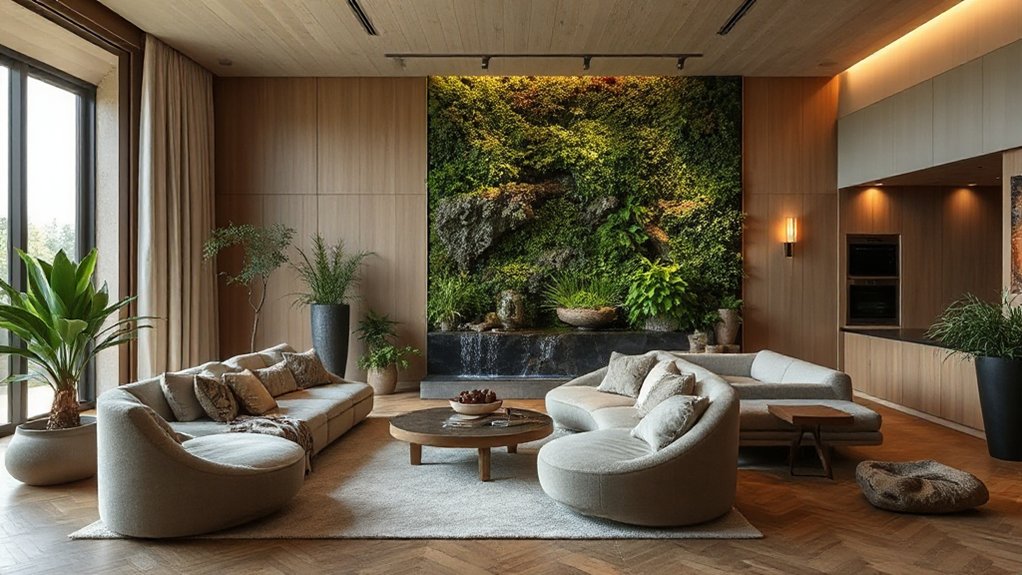
You’ll notice how calming material palettes, like soft textiles and natural stone, set a tranquil foundation for daily life.
Biophilic spatial flow guides movement and fosters connections to outdoors, supporting restorative routines.
Thoughtful lighting design anchors mood and focus, aligning function with wellbeing across living spaces.
Calming Material Palettes
- Soft felts and brushed linens invite touch without visual noise, forming a quiet backdrop.
- Limestone, warm plaster, and low-sheen woods deliver tactile depth while preserving clarity.
- Matte ceramics and satin metals balance refinement with restraint.
- Natural fiber rugs anchor rooms, absorbing sound and echo while maintaining cohesion.
This approach remains technologically informed yet human-centric, emphasizing substance over spectacle. You’ll cultivate calm by pairing restrained palettes with purposeful lighting, selecting materials that age gracefully and stay relevant to evolving wellness standards.
Biophilic Spatial Flow
Spatial harmony emerges when materials, textures, and greenery reflect a cohesive palette, guiding your eye and gait with deliberate rhythm. Consider planting strategies, natural light penetration, and ventilation patterns that support calm, not clutter.
Furniture layout should prioritize open circulation while subtly framing outdoor connections, so occupants feel grounded as they move. This approach blends function with nature-inspired aesthetics, elevating material choices and detailing.
The result is a serene, efficient layout that reinforces wellness through purposeful, instinctive navigation.
Mindful Lighting Design
The approach hinges on controlled intensity, color temperature, and timing, synchronized with occupants’ routines. You’ll employ lighting layering to create hierarchy, depth, and comfort, from entryways to intimate nooks. This precision elevates perceived quality, supports circadian health, and reduces energy waste.
- Seamless transitions between warm and cool tones to mirror activity
- Dimmable, zoned fixtures that sculpt shadows and texture
- Hidden coves and indirect sources for soft ambient glow
- Task-optimized lighting aligned with ergonomic work zones
Outdoor–Indoor Living: Terraces, Garden Rooms, and Beyond
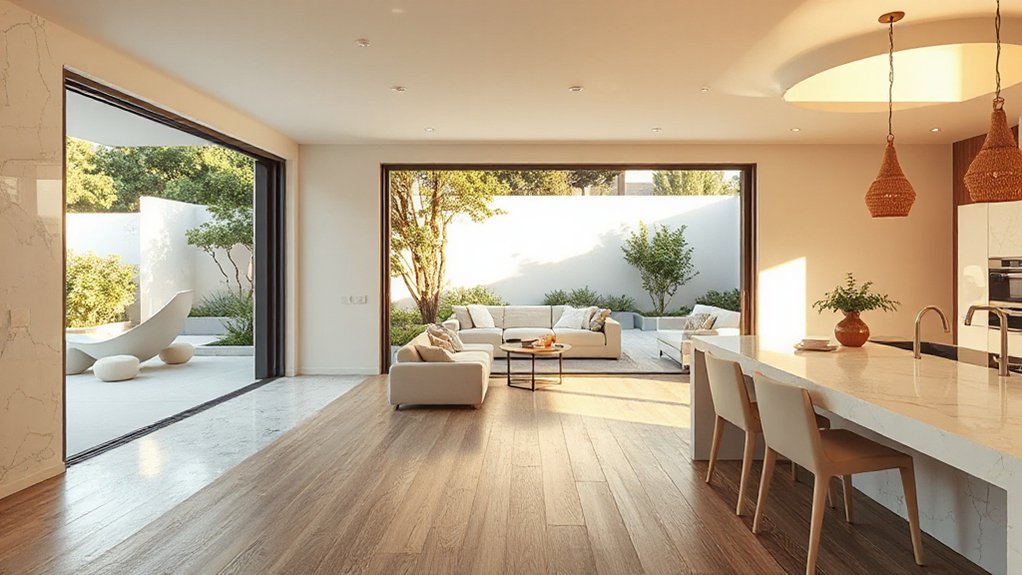
Outdoor–indoor living is no longer a trend but a practical design principle shaping UK homes, where terraces, garden rooms, and linking spaces blur the line between inside and out to boost usability, light, and appeal. You’ll prioritize seamless thresholds, thermal performance, and flexible furniture layouts that host daily life and entertaining alike.
Think glass doors that retract, covered patios that extend dining, and garden rooms that double as workspaces or studios. Prioritize durable materials, low-maintenance finishes, and sound insulation to sustain calm in busy interiors.
Create garden retreats that feel integrated with the home, and include purpose-built zones for cooking and socializing. This approach elevates value, invites nature inward, and highlights outdoor kitchens as functional, stylish hubs.
Tech-Integrated Serenity: Calm, Uncluttered Spaces
Tech-Integrated serenity centers your home around calm, uncluttered spaces that feel effortless and controllable. You’ll fuse Smart technology with minimalist decor, curating environments that respond to your rhythms without noise or visual clutter. Your rooms stay quiet, purposeful, and distraction-free, yet fully wired for comfort and efficiency.
- Hidden tech: discreet hubs and invisible wiring keep surfaces clean and serene.
- Sensor-led control: adaptive lighting and climate respond to presence, mood, and time.
- Tactile minimalism: streamlined furniture prioritizes function, texture, and restraint.
- Calm palettes: neutral tones with subtle contrast reinforce a serene, cohesive flow.
Personalization Without Over-Customization
Focus on core silhouettes, then layer in accents that reflect your lifestyle through color, texture, and personal mementos. Use personalized decor strategically: a gallery wall, heirloom textiles, or a signature lighting piece that repeats a subtle motif across rooms.
Opt for bespoke furnishings where function meets form, ensuring pieces adapt as needs evolve without overpowering the room’s rhythm. Maintain restraint with trending details, letting quality and proportion govern the story.
This approach sustains sophistication while delivering a genuinely personal, lasting ambience.
How to Evaluate a High-End Project: Criteria and Checkpoints
Evaluating a high-end project hinges on rigorous criteria and disciplined checkpoints that guarantee both design integrity and financial prudence. You should align scope, budget, and timeline from kickoff, then verify decisions against a formal brief and milestone reviews.
- Define standards for Luxury craftsmanship and material authenticity, with qualified supplier audits and sample approvals.
- Assess feasibility through rigorous cost modeling, risk registers, and contingency plans aligned to exclusive collaborations.
- Audit design coherence, ergonomic performance, and technical integration across lighting, acoustics, and automation.
- Track governance: change-control, documentation, and ethical sourcing to safeguard fiduciary and reputational value.
This framework elevates outcomes, reinforces exclusivity, and guarantees durable, stage-worthy results you can confidently showcase.
Frequently Asked Questions
How Do UK Luxury Designers Price High-End Interiors Today?
You price high-end interiors by tiered fees plus markups, reflecting project scope and timelines. You secure Luxury material sourcing and bespoke furniture design at premium, balancing procurement costs, design risk, and client value for measurable outcomes.
Which Regions Drive UK Luxury Interior Trends the Most?
Regional influences drive UK luxury interior trends most, you’ll notice, as coastal cities spark design innovations while urban hubs sharpen taste. You see coincidence align: heritage motifs meet modern techniques, revealing your next room’s signature, design innovations shaping everywhere you look.
Are Sustainable Practices Required in Genuine Luxury Projects?
Yes, sustainable practices are often required in genuine luxury projects. You’ll prioritize eco friendly materials and renewable energy, ensuring uncompromising performance while meeting client expectations and regulations, reinforcing your reputation for responsible, high-end craftsmanship.
How Long Does a High-End UK Interior Project Typically Take?
Typically, a high-end UK interior project spans 12–24 weeks, depending on scope; you synchronize luxury material sourcing and bespoke furniture design, balancing swift pivots with meticulous, measured progress—juxtaposing rapid decisions against careful, craft-driven refinement.
What Hidden Costs Occur in Luxury Interior Renovations?
Hidden costs in luxury renovations include hidden fees and renovation surprises you’ll want to anticipate. You’ll face overruns, procurement delays, professional fees, and scope creep, so budget for contingencies and insist on transparent, itemized contracts from your team.
Conclusion
As you refine a high-end UK scheme, you’re not chasing a trend—you’re curating longevity. Prioritize authentic materials, refined palettes, and craftsmanship that ages gracefully, while embracing adaptable layouts and concealed storage. Layer lighting to sculpt space, blend indoor-out with terraced calm, and weave tech into serenity, not clutter. Personalize with restraint, guided by regional craft and sustainable choices. When done well, your home becomes a timeless retreat—where luxury endures, and every detail speaks volumes, without shouting. You’re set to lead the pack.