
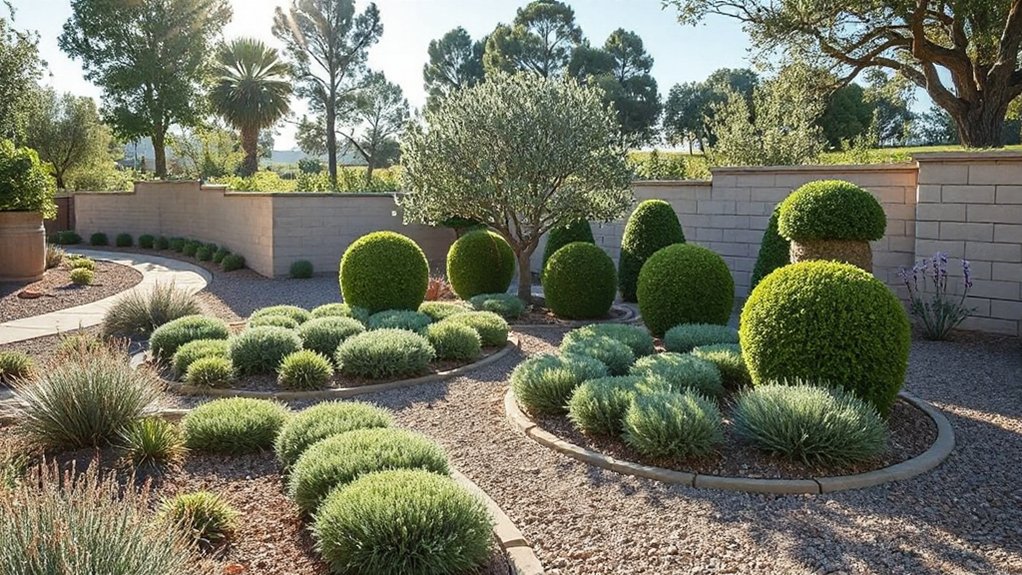

Like a quiet, well-tended hedge, your garden should speak softly yet stay in frame. You’ll map sun, soil, and water needs, pick drought-tolerant, high-impact plants, and layer them for depth. With smart soil prep, durable edging, and a drip system with a timer, you cut upkeep while boosting beauty. Curious how to group by water needs and keep seasonal color without constant work? Let’s outline a practical path you can implement now.
Key Takeaways
- Plan zones by sun, water needs, and seating to create year-round interest with layered plantings and focal points.
- Choose drought-tolerant, native, low-maintenance plants and mulch to conserve moisture and suppress weeds.
- Build durable groundcovers and edging, and use finished compost to improve soil health with minimal tilling.
- Install drip irrigation with timers, filters, and soil moisture sensing to optimize watering and reduce waste.
- Maintain seasonal drama through targeted, easy-care blooms and natural pest control for a stunning, low-effort garden.
A Roadmap to a Low-Maintenance, Water-Wise Garden

A low-maintenance, water-wise garden starts with a clear plan that matches your site, climate, and soil. You map drought tolerance, irrigation needs, and plant forms to form a cohesive structure.
Select hardy, low-water species and group plants by water needs to simplify maintenance. Plan for ongoing tasks you can actually complete, not fantasies of perfection.
Implement efficient watering, mulch thickly, and mulch again as needed to suppress weeds and conserve moisture. Regular plant pruning keeps stems compact, improves air circulation, and reduces pest habitat.
Stay vigilant for garden pests, addressing issues early with targeted actions instead of blanket treatments.
Establish a simple routine: weekly checks, monthly pruning, quarterly evaluations of plant performance.
With this roadmap, you gain resilience, savings, and enduring visual appeal.
Assess Your Site: Sun, Soil, and Water Realities
Start by mapping how much sun your chosen spots get in a typical day and how that shifts with seasons.
Then assess your soil texture and drainage, and note how you water—how quickly it dries and whether you need irrigation tweaks.
Use these sun, soil, and water clues to tailor plant choices that fit your site and reduce maintenance.
Sun Exposure Basics
Sun exposure is more than just sun or shade—it’s a map of how light reaches every corner of your yard. You’ll assess sun angles from dawn to dusk, noting hot surfaces and reflective spots that intensify light.
Divide your space into full sun, partial shade, and deep shade zones, then match plants to each category for reliable performance.
Use smart placement to reduce maintenance: place high-water needs plants where irrigation is simplest, group shade-tolerant selections to minimize pruning, and backup with mulch to conserve moisture.
For shade management, rotate plantings as seasons shift and prune to prevent overgrowth that blocks light.
Keep pest control in mind by choosing resilient species less prone to problem insects.
This foundation guides low-maintenance, high-impact design.
Soil and Water Needs
Soil and water realities largely determine what you can grow with minimal effort. You’ll assess existing conditions and tailor choices to minimize upkeep. Begin with soil testing to gauge pH, structure, and nutrient status; this guides amendments that improve structure and drainage without overhauling beds.
If your soil drains slowly, add organic matter and consider raised beds. For sandy soils, mulch helps retain moisture and reduce irrigation.
Understand your rainfall pattern and choose drought-tolerant species or install efficient irrigation for consistency. Water conservation isn’t just about saving tables; it shapes plant selection and layout.
Group plants by sun needs and align beds to seasonal sun shifts. Mulching reduces weeds, moderates temperature, and lowers watering needs, delivering a low-maintenance, high-impact landscape.
Choose Low-Water, High-Impact Plants
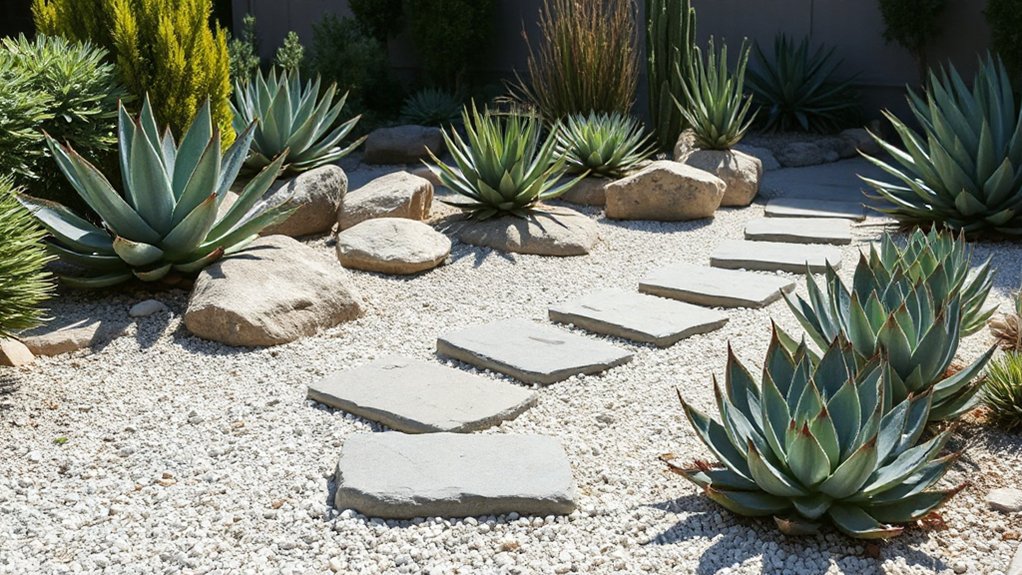
Start with a practical mix that thrives on your site’s conditions and requires minimal irrigation.
Low-Water Plant Choices
Low-water plants deliver the biggest payoff with minimal effort when you pick species proven to thrive in your climate. Focus on drought-adapted natives and hardy ornamentals that tolerate heat, poor soils, and irregular irrigation.
Prioritize low-maintenance textures: grasses, groundcovers, and compact perennials that form stable, long-lasting displays. When selecting, assess sun exposure, soil type, and climate norms to guarantee reliable performance year after year.
To maximize impact, group plants by water needs and arrange in layers for visual depth and microclimate benefits. Consider a Rain garden to capture seasonal runoff and reduce irrigation needs, while creating a habitat.
Opt for bird-friendly planting to attract pollinators and feathered visitors, enhancing garden liveliness with minimal upkeep.
Bold, Drought-Tolerant Selections
Focus on drought tolerant selections that thrive in hot sun and lean soil, then group them in drifts for visual punch and easy maintenance. Favor native or well-adapted species known for deep roots and resilience, such as agave, yucca, sage, and penstemon, while avoiding high-water-demand exotics.
Match leaf shapes—spiky, rounded, or variegated—to create rhythm, not clutter. Plan irrigation sparingly, using drip lines only where truly needed.
Mulch heavily to conserve moisture, suppress weeds, and stabilize roots. With deliberate plant choices, your garden stays striking year-round on a modest water budget.
Space, Layer, and Design for Year-Round Interest
To design for year-round appeal, start by outlining space, layers, and focal points that work in all seasons. You map distinct zones: a compact seating area, a sheltered planting bed, and a viewing axis that ties features together.
Layer your visuals with ground covers, low shrubs, and seasonal interest so color and texture persist. Choose durable garden furniture that fits scale and sightlines, and place it where it invites use in winter sun or summer shade.
Use decorative ornaments to punctuate focal points without clutter, keeping lines clean and repetition deliberate. Maintain a simple rhythm: one dominant focal, two supporting anchors, and a few subtle cues to guide the eye.
Prioritize low-maintenance perennials, evergreen structure, and mulched borders for year-round consistency.
Smart Soil Prep: Mulch, Compost, and Microbes
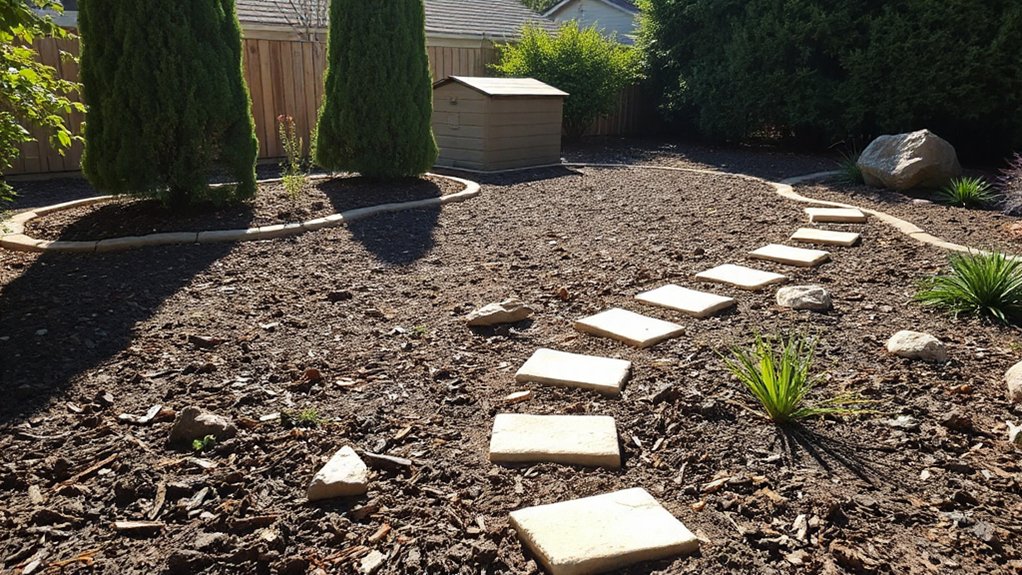
Mulching, compost, and microbes form the trio that powers fertile, low-maintenance soil. You’ll layer shredded mulch to suppress weeds, regulate moisture, and prevent temperature swings.
Then you’ll apply finished compost to feed soil biology and improve structure, avoiding fresh waste that can harbor pests.
Keep composting techniques simple: maintain a balanced mix, keep cores moist, and turn infrequently when you have time.
Focus on soil microbes as your active partners; they break down organic matter, release nutrients, and enhance drought resilience.
Test soil annually and adjust with compost or amendments only as needed.
Don’t over-till; minimal disturbance preserves life.
With consistent mulch, measured compost, and thriving microbes, you create a robust, low-maintenance foundation for healthy, ornamental growth.
Drought-Wise Watering: Drip Irrigation and Timers
Drip irrigation delivers water directly to roots, reducing waste and keeping foliage dry to minimize disease.
Set timers carefully to match your plant needs and local weather, so you’re not overwatering or under-watering.
We’ll cover drip system essentials, timer settings, and practical water-saving strategies to keep your garden thriving with minimal effort.
Drip System Essentials
A drip system delivers water directly to plant roots, saving every drop and reducing weed growth, so you’ll spend less time watering and more time enjoying your garden.
You’ll choose emitter spacing and flow rates based on plant needs, soil type, and sun exposure, keeping moisture consistent without oversaturation.
Use a sturdy filtration and pressure regulator to prevent clogs and guarantee even coverage.
Place emitters near root zones, protect lines from sun degradation, and label zones for easy maintenance.
Timers automate schedules, but keep a seasonal eye on rainfall and soil moisture; adjust as temperatures swing.
This approach supports urban wildlife without overwatering, and it helps pest control by avoiding excess plant stress.
Keep connections tight, test monthly, and replace any damaged components promptly.
Timer Settings Guide
Timer settings streamline drought-wise watering by turning your drip system into a responsive tool. You’ll set interval and duration based on plant needs, soil type, and sun exposure, avoiding waste while keeping roots hydrated.
Use daily run times for shallow-rooted annuals and longer cycles for perennials, with a weekly or biweekly check to adjust for rainfall. Opt for a low, steady mist for delicate foliage and a deeper soak for shrubs.
Then stagger zones to minimize pressure loss. Label each valve and record changes to track performance. Stay mindful of garden pests and pest control: efficient watering reduces disease pressure and damp areas that attract pests.
Keep irrigation clean, inspect emitters monthly, and replace clogged lines promptly to maintain reliable drought-wise watering.
Conserving Water Strategies
Conserving water starts with smart, tightly controlled irrigation that matches plant needs and environmental conditions. You’ll save water and boost resilience by adopting drip irrigation and precise timers that deliver only what your drought resistant plants require.
- Install drip lines close to root zones and use mulch to minimize evaporation.
- Program timers for early morning or late evening watering, and adjust by season.
- Group plants by water needs to avoid overwatering drought-tolerant species.
- Add soil moisture sensors to fine-tune schedules for efficient irrigation.
This approach minimizes runoff, reduces disease risk, and maintains lush appearance with minimal effort. You’ll rely on efficient irrigation practices to sustain a low-maintenance garden that still looks stunning, even in dry spells.
Native Plants and Easy Perennials for Maintenance-Free Beauty
Native plants and easy perennials form the backbone of a low-maintenance garden: they thrive with minimal intervention, resist local pests, and reduce water use. You’ll benefit from choosing species adapted to your climate, then rely on their natural rhythms rather than constant care.
Prioritize natives for reliable bloom cycles and soil structure, and mix in easy perennials that tolerate drought and shade. Group plants by sun exposure and water needs to simplify irrigation.
Use well-drained soil and avoid overfertilizing; modest nutrients keep roots healthy without encouraging excess growth. Mulch helps conserve moisture, suppress weeds, and stabilize temperatures.
Plan a small, diverse palette to prevent pest outbreaks and extend seasonality. With thoughtful selection, your garden remains vibrant with little ongoing work.
Native plants, Easy perennials.
Edging, Mulch, and Groundcovers to Minimize Work
A clean edge and a well-chosen ground cover reduce maintenance by defining beds, controlling paths, and suppressing weeds. You’ll keep work minimal by selecting durable mulch and easy-care groundcovers that tolerate foot traffic and shade. Garden furniture and decorative sculptures can pace the space without inviting extra upkeep, as long as layouts stay clear and surfaces stay tidy.
- Define borders with low, durable edging that’s metal or plastic, not stone you’ll chase monthly.
- Mulch to a 2–3 inch layer, refresh annually, and avoid piling against stems.
- Choose groundcovers that spread slowly, resist drought, and suppress weeds.
- Place seating and decor where it’s easy to reach for cleaning, never blocking mulch zones.
Seasonal Tweaks for Refresh Without Effort
Seasonal tweaks keep a low-maintenance garden from feeling dated. You refresh with minimal effort by swapping a few elements rather than overhauling beds.
Opt for seasonal blooms that suit your climate and require limited care, like drought-tolerant annuals or perennial performers that reemerge reliably. Pair this with smart planting—group colors and textures for quick impact and easy maintenance.
Keep your toolkit simple: a small pruning shear, a sturdy mulch layer, and a watering can for targeted tweaks.
To curb pests without upping maintenance, implement natural pest control methods, such as companion planting and beneficial insects, adjusting only what’s necessary.
Schedule light inspections after major weather shifts, then act promptly to preserve structure and color without disrupting your routine.
Common Pains and Quick Fixes for a Low-Maintenance Garden

Common maintenance hiccups show up quickly, but you can fix them fast with simple, targeted tweaks. You get practical fixes that cut effort while preserving impact, addressing Gardening myths and real care needs. Focus on prevention over reaction to keep your beds thriving with minimal work and no fuss.
1) Identify weed hotspots and mulch deeply to suppress growth and retain moisture, reducing hoeing time.
2) Install a simple drip system and timer to curb pests and water waste, aligning with Pest prevention goals.
3) Elevate heavy soils with compost and grit so roots breathe and plants resist disease.
4) Choose hardy, low-maintenance varieties and monitor them weekly for early signs of trouble, debunking Gardening myths about “difficult” plants.
Frequently Asked Questions
How Soon Will I See Results After Planting Low-Water Species?
You’ll see results within a few weeks as roots establish. With xeriscaping benefits in mind, choose drought tolerant plants, water smartly, and mulch. You’ll notice quicker coverage, reduced watering, and a durable, low-maintenance landscape.
What’s the Best Mulch Depth for Reducing Maintenance?
Mulch to a depth of 2–3 inches for most beds, you reduce maintenance by suppressing weeds 40% quicker; use mulch materials like shredded bark or composted leaves, and pair with durable garden accessories for lasting cover.
Can I Automate Pruning With Minimal Effort?
Yes, you can automate pruning with minimal effort using smart garden tools and simple pruning techniques. Set up timed tools, monitor growth, and adjust schedules; you’ll maintain shape while you focus on other tasks.
Which Native Perennials Require the Least Upkeep?
Native perennials with minimal upkeep include yarrow, purple coneflower, prickly pear, blanket flower, and daylilies. You’ll succeed with savvy garden design and careful plant selection, choosing drought-tolerant, salt-tolerant options that bloom reliably with little care.
How Do I Prevent Weed Growth Year-Round?
To prevent weed growth year-round, you mulch deeply and consistently, and you practice vigilant garden hygiene. Use composting techniques to enrich soil, and implement pest control strategies to keep weeds from spreading, then monitor and adjust seasonal gaps.
Conclusion
In short, your low-maintenance garden can be a quiet triumph, like a well-tuned instrument in a symphony of nature. You’ll plant with purpose, mulch and drip, and let native, drought-tolerant allies do the heavy lifting. Picture a rain-washed courtyard, edges crisp, layers unfolding, blooms that return with minimal fuss. As the seasons cycle, you’ll tend lightly, reap steady beauty, and recall dawns of old gardens—where simplicity and resilience quietly outshine flashy excess.