

You can modernize a cottage without losing its soul by focusing on thoughtful, period-faithful updates that feel subtle rather than flashy. Start with practical choices—insulation, limewash, quarry tiles, and sealed timber surfaces—that respect the structure while boosting comfort. Pair these with low-maintenance hardware and smart, hidden lighting to highlight beams and textures. The goal is space that breathes, where multi-functional furniture and vertical storage reduce clutter. Ready to balance charm with convenience? There’s more you’ll want to consider.
Assess Your Cottage: Character Audit in 5 Quick Steps
To start your character audit, walk through your cottage with purpose and note what stands out. Begin at the entry, spotting first impressions—the light, layout, and materials that echo the past. List architectural details that define charm: beams, fireplaces, wainscoting, staircases, and doorways.
Move room to room, capturing mood, scale, and flow. Identify what works: durable textures, original hardware, and craft that speaks of era. Flag features needing care or restoration, noting age, condition, and potential for restoration without losing character.
Map functional gaps: storage, lighting, and seating that feel true to the era. Record textures you’d like to preserve and those you’d modernize subtly. End by noting accommodating upgrades that honor the cottage’s spirit while laying groundwork for cohesive updates.
Prioritize Insulation for Comfort and Charm
Insulating your cottage is the quickest path to year-round comfort and preserved charm. Focus on a targeted approach: seal gaps, then add appropriate insulation in walls, attic, and floors.
Choose materials with high R-values that fit thin-wall spaces, like mineral wool or dense-pack cellulose, to minimize bulk. Prioritize air sealing before finishing, using low-VOC products to protect interior air quality.
A well-sealed shell reduces drafts, lowers heating and cooling needs, and preserves original textures by avoiding heavy retrofit clutter. Consider zip covers for ducts and crawl spaces to prevent convection losses.
If you’re replacing siding or adding vents, align decisions with the cottage’s character, not contrast it. Finally, track improvements with a simple comfort log to verify steady gains.
Lighting Cohesion: Fixtures That Complement Beams and Textures
Choose fixtures that echo the cottage’s timber beams and natural textures. Aim for lighting that strengthens the room’s rhythm rather than stealing focus. Pair warm, dimmable bulbs with metal, glass, or woven shades that mirror the beams and exposed stone or plaster textures.
Challenge yourself to keep a unified finish—antique brass, matte black, or brushed nickel—throughout chandeliers, wall sconces, and task lamps. Use scale that fits the space: delicate fixtures in intimate nooks, sturdy pendants above tables, and unobtrusive ceiling lights in hallways.
Highlight architectural features by placing lights where beams create shadows or texture. Balance brightness to preserve creaking charm while avoiding harsh glares. Finally, allow natural daylight to harmonize with artificial glow for a cohesive, timeless atmosphere.
Layout Wins for Small Spaces: Nooks Without Clutter
Small spaces demand thoughtful nooks that feel intentional rather than cluttered. You’ll gain rooms that read calm, not crowded, by designing with purpose.
Start with vertical extra storage: slim shelves, tall cabinets, and wall hung units keep floors clear while offering places for essentials.
Use multi‑function furniture—ottomans with hidden storage, folding desks, and bed frames with drawers—to reduce furniture footprint.
Choose compact seating arranged to create flow rather than barriers; angle chairs to open sightlines and add a soft boundary without crowding.
Keep surfaces clean and simple: limit decorative items to a few meaningful pieces per zone.
Integrate built‑ins that blend with architecture, so niches feel carved from the space, not added.
This approach preserves character while maximizing usable, uncluttered area.
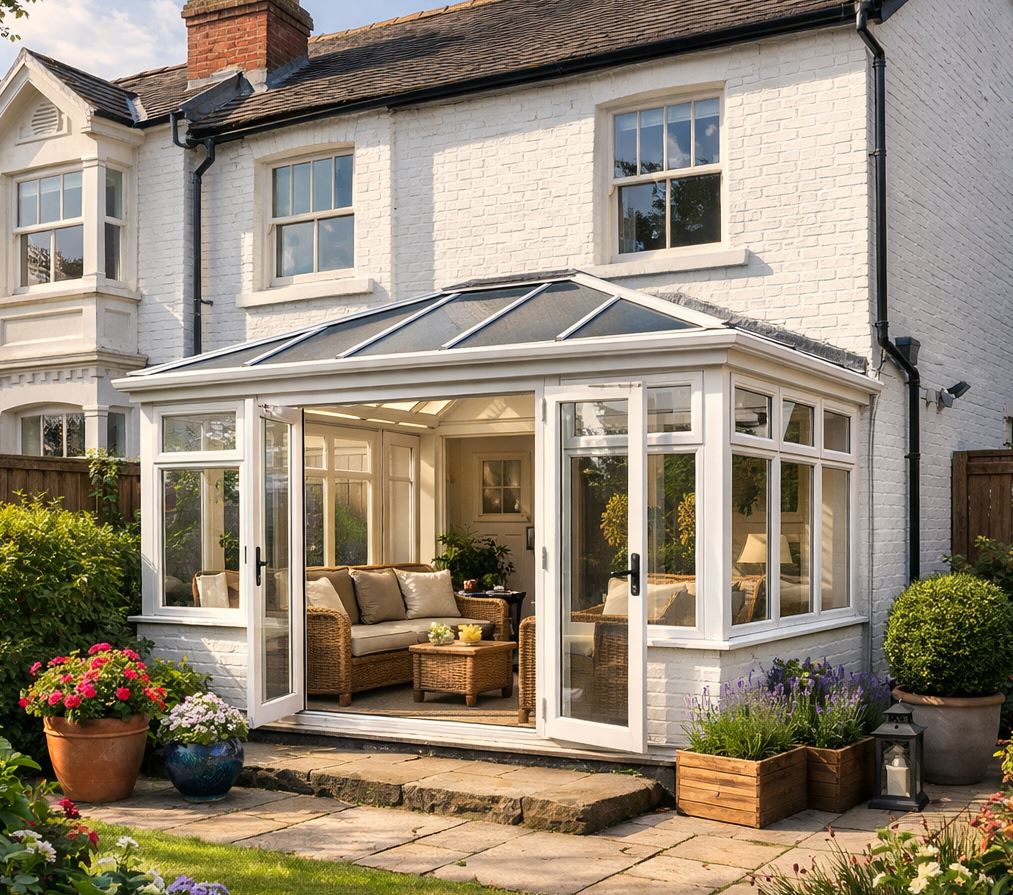
Materials and Fixtures: Period-Appropriate, Low-Maintenance Choices
When you’re modernising a cottage’s look, match period-appropriate materials with low-maintenance fixtures that still feel authentic. Choose durable surfaces that echo history, like quarry tile floors or limewashed plaster walls, paired with sealed timber or composite countertops for practicality.
Avoid fragile finishes; opt for matte paints in traditional hues that resist scuffing. For hardware, select brass or pewter with aged patina, not sterile chrome, to keep character while easing upkeep.
Light fixtures can be period-inspired replicas using modern LED technology, reducing replacement needs.
Windows should preserve sash aesthetics but use double glazing and weather seals to cut drafts.
Kitchen and bathroom fittings deserve simple, robust shapes with easy-clean surfaces.
Keep textures varied—stone, wood, fabric—yet cohesive, ensuring a genuine, low-maintenance timeless interior.
Conclusion
You’ve kept the cottage’s character while weaving in modern comfort. By auditing its essence, prioritizing insulation, and choosing lighting that flatters exposed beams, you’ve softened the space without erasing its charm. Thoughtful layouts create cozy nooks, while period-appropriate, low-maintenance materials keep upkeep simple. With multi-functional furniture and clever vertical storage, you gain space without clutter. The result is a timeless, comfortable home that respects tradition while embracing today’s convenience. Your cottage feels harmonious, inviting, and genuinely yours. Although it may seem dated in places, don’t confuse dated with character!