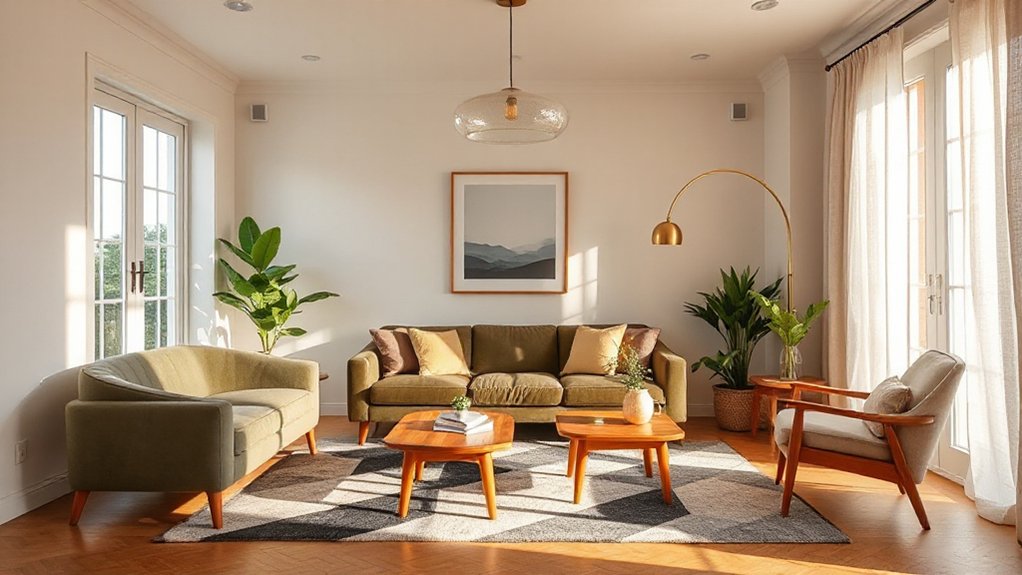

Turn your space into something you love with a practical makeover plan. Start by measuring rooms, noting doors, windows, and outlets, then define clear goals that fit your budget and timeline. Create a functional layout that prioritizes zones for seating, work, and storage, and layer lighting—from ambient to task—while balancing natural light. Use budget-friendly color and textures, mix fabrics, and add modular storage for flexibility. Seasonal refreshes keep it fresh, and ongoing maintenance protects your investment—details ahead will guide you.
Key Takeaways
- Start with a space assessment: map rooms, doors, windows, outlets, and traffic flow to inform layout and prioritization.
- Layer lighting to balance ambient, task, and accent illumination with dimmers and smart controls.
- Use a cohesive color strategy with neutrals for large areas and bold accents for focal points.
- Incorporate textures and budget-friendly finishes: mix fabrics, layered rugs, and matte surfaces.
- Embrace practical storage and DIY ideas: modular solutions, upcycling, and maintenance routines.
Assess Your Space and Define Clear Goals
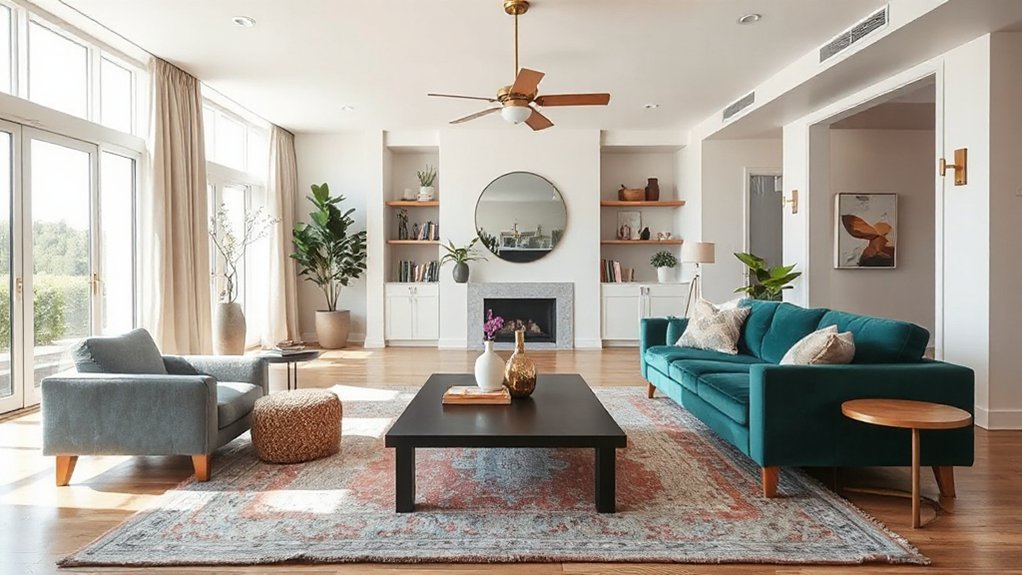
Start by measuring every room and noting doors, windows, and electrical outlets, so you know exactly what you can work with. You’ll begin with Space assessment as your truth map, listing dimensions, sightlines, and any architectural quirks. This step grounds every choice you’ll make, from furniture scale to lighting plans.
Next, move to Goal setting, clarifying what you want each space to feel and function like. Are you aiming for calm, multiuse, or bold statement? Define measurable aims: target seating capacity, storage efficiency, and charging zones. Keep goals realistic, aligned with your budget, and time-bound.
With a clear assessment and precise goals, you create a practical path that guides selections, avoids clutter, and keeps you motivated as you transform your space with confidence.
Create a Functional Layout for Any Room
To create a functional layout, start by identifying the room’s primary use and the activities that matter most. Then arrange furniture to support those tasks without blocking pathways or natural traffic flow.
- Prioritize key zones: seating, work, and storage for efficient flow
- Align furniture with traffic paths to minimize detours
- Consider focal points and sightlines for balanced space
- Use scale and proportion to avoid crowding and clutter
- Plan for flexibility with multipurpose pieces
This approach emphasizes space optimization and deliberate furniture placement, so every inch earns purpose. You’ll create a breathable, cohesive environment that supports daily routines while elevating the room’s polish.
Refine edges with hidden storage and modular options, ensuring updates stay functional as needs shift. Your layout should feel intentional, inviting, and easy to navigate.
Light It Right: Practical Lighting Changes
Start by layering ambient lighting to set a balanced floor for the room. Then add task lighting where you read, cook, or work.
Aim for precision with each fixture so you can mix bright, focused light with softer, secondary glow, and keep a few dimmable mood shifts for atmosphere.
With thoughtful placement and controls, you’ll transform every space into both practical and polished.
Layered Ambient Lighting
- Choose warm white bulbs for comfort and cohesion
- Use recessed ceiling lights for even illumination
- Add floor or table lamps to sculpt corners
- Integrate wall sconces for subtle glow and texture
- Highlight artwork or architectural features with accent lighting
Layered lighting, Ambient layers, practical yet aspirational, keeps spaces welcoming and versatile.
Task Lighting Precision
Ever wondered how precise task lighting can transform daily routines? You’ll notice sharper focus where you need it most, from slicing veggies to studio work.
Task lighting should strike a balance: bright enough for accuracy, soft enough to reduce eye strain. Position fixtures just above eye level and slightly ahead of your hands to avoid shadows, using directional, glare-free design.
Choose lamps with adjustable arms or swing arms for real-time refinements, so you can tailor intensity as tasks shift.
Prioritize consistency through color temperatures around 2700–3000K for a warm, efficient feel, and label zones so you know which space benefits from precision lighting.
With deliberate placement and controls, your spaces become purposefully illuminated, supporting efficiency, comfort, and a polished daily flow.
Dimmable Mood Shifts
When you dim the lights thoughtfully, you don’t just set mood—you shape how spaces feel and functions flow. Dimmable mood shifts let you tailor ambiance to activity, time of day, and desire, without moving furniture. You’ll notice ambient progressions that guide attention and elevate style with subtlety.
- Choose layered sources: overheads, task lamps, and accent LEDs for balanced light.
- Set scenes in advance: reading, entertaining, night relaxation, and focused work.
- Favor warm tones for coziness and cool tones for clarity in active spaces.
- Use dimmers with smooth, flicker-free performance for longevity.
- Pair with natural light swings to maintain harmony and mood lighting consistency.
Budget-Friendly Color: Do This, Not That
If you’re renovating on a budget, choosing color wisely can transform a space without breaking the bank. You’ll start with a bold accent wall or a single color story and build from there.
Favor color pairing that respects proportion: large areas in pale neutrals, with saturated tones used sparingly for impact.
Pick a cohesive palette selection and stick to it across walls, cabinetry, and accessories to avoid a disjointed look.
Test swatches in natural light and note how colors shift by time of day.
Prefer low-VOC paints for health and longevity.
Use matte or eggshell finishes to hide imperfections and feel refined.
Reserve dramatic hues for focal points, and let light, texture, and form do the rest.
Budget wins come from thoughtful restraint, not abundance.
Textures on a Dime: Fabrics, Rugs, Surfaces
Texture matters, and you don’t need to splurge to achieve a lush, layered look. You’ll sculpt depth with smart fabric choices, rugs, and surface finishes that read as premium without the price tag. Focus on textural contrast and thoughtful fabric layering to define zones and add warmth.
- Mix velvet, linen, and cotton for tactile variety.
- Layer a flat weave rug under a textured shag for dimension.
- Choose a leather or woven pouf as a contrasting anchor.
- Add ceramic, stone, or wood surfaces with matte finishes.
- Incorporate throws and pillows in complementary textures.
The result is practical elegance: cohesive, approachable, and polished, with a curated feel you can recreate.
Textural contrast and fabric layering become your signatures, elevating spaces one thoughtful touch at a time.
Quick Makeovers That Move the Needle
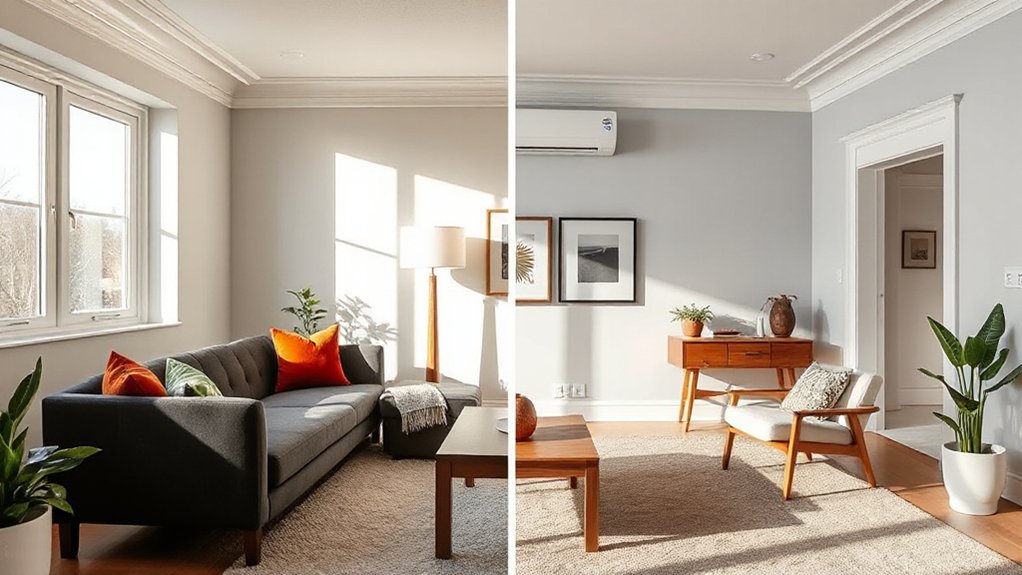
Quick makeovers can deliver big impact without a full remodel. You’ll see results fast by prioritizing two levers: color psychology and smart storage solutions.
Start with a focused palette: choose 2–3 colors that align with the mood you want—calm, energizing, welcoming—and apply them to walls, textiles, and accents for cohesion. Affirm your vision with a single statement piece in a contrasting hue to anchor the room.
Next, tackle clutter strategically: invest in storage solutions that hide, organize, and reveal purpose. Opt for modular shelves, baskets, and vertical organizers to maximize space without heaviness.
Update lighting and hardware to sharpen polish without overhauling structure. These small, intentional moves create the perception of space, elevate style, and move your makeover needle with measurable confidence.
Smart Storage That Looks Chic
Smart storage can be hidden in plain sight, so you get clean lines and practical space without sacrificing style. Think multifunctional cabinet solutions that hide everyday clutter while adding texture and interest to your rooms.
You’ll discover ways to blend clever concealed compartments with chic finishes that elevate, not overpower, your design.
Hidden Yet Chic Storage
Hidden storage can feel like magic when it’s both unobtrusive and purposeful. You’ll enjoy spaces that hide clutter without shouting for attention, using hidden compartments and concealed storage to keep rooms calm and refined.
- Slim drawers beneath seating for everyday odds and ends
- Front-facing panels that lift to reveal a stash of essentials
- Built-in benches with hollow cores for linens and games
- Mirror fronts that conceal a small wardrobe or media gear
- Cavities behind art or headboards for seasonal items
This approach blends practicality with polish, so your rooms stay open and organized.
You feel inspired by the clever use of verticals, underutilized niches, and seamless hardware. The result is a streamlined aesthetic that remains highly functional and effortlessly chic.
Multifunctional Cabinet Solutions
Multifunctional cabinets do more than store—they shape the room. You’ll enjoy clever, modular storage that adapts to daily life, keeping essentials at your fingertips without clutter.
Think stackable modules, fold-away desks, and drawers that reveal hidden compartments for cables, keys, and seasonal gear. The goal is a polished, effortless silhouette: clean lines, coordinated finishes, and hardware that reads as intentional design.
Use vertical space for lightweight shelves and expressive accents, so storage doesn’t feel boxed in. Choose configurations that fit your routines—media hubs with concealed charging, desk-and-deskside combos, or entryway units that corral coats and footwear.
With thoughtful planning, these cabinets become quiet protagonists, supporting function while elevating the room’s overall mood and perception of space.
Upcycling and DIY: Growth-Oriented Projects
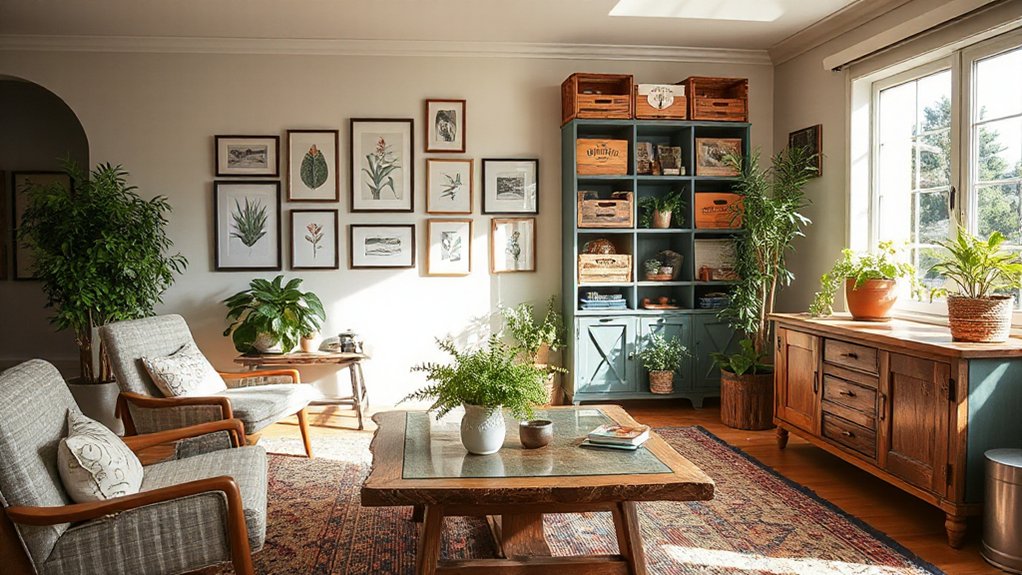
Upcycling and DIY projects aren’t just budget-friendly; they’re growth-oriented ways to elevate your space while sharpening your skills. You’ll transform simple ideas into lasting impact, proving that intention plus effort yields premium results.
Start with small, repeatable tasks that build momentum, then tackle bolder projects with confidence. Let vintage finds inspire color, texture, and character, while you curate a cohesive narrative across rooms.
Your upcycled art becomes personal branding for your home, reflecting taste and technique in equal measure.
- Source vintage finds for one-of-a-kind accents
- Convert scrap into functional decor with simple tools
- Experiment with paints, finishes, and textures
- Document steps for future projects and loans of confidence
- Display art and objects thoughtfully to tell a story
Refresh Existing Furniture Without Replacing It
Refresh your furniture by adding finish touches that elevate its look and feel. Then explore upcycling ideas that bring new functionality to old pieces.
You’ll refresh with thoughtful hardware, fresh paint or stain, and strategic detailing to transform without replacement. Consider how small updates can unlock renewed purpose and cohesive style across your space.
Refurbish With Finish Touches
If you’re looking to breathe new life into existing furniture, refine its look with finish touches that elevate style without the cost of a full replacement. You’ll focus on small updates that deliver big impact, mixing texture, color, and hardware for a cohesive feel.
Finish touches should feel intentional, not gimmicky, so choose details that echo your room’s mood and scale. Final details matter, from the sheen on wood to the weight of a pull that fits your grip.
- Refinish surfaces with a matte or satin topcoat
- Swap handles or knobs for a modern silhouette
- Add a slim decorative trim or stencil accents
- Layer textiles with cushions or a throw
- Polish hardware for subtle shine and cohesion
Upcycle For Fresh Functionality
You can breathe new life into your furniture by reimagining how it serves you, instead of replacing it. Upcycling focuses on function first: adjust layouts, add storage, or transform surfaces to fit your daily rhythm.
Start with a simple swap, like replacing knobs, repainting, or adding hinges that improve accessibility. Choose durable finishes and keep layers honest to avoid overcomplication.
Embrace repurposed furniture by redefining use—an old console becomes a media console, a dresser becomes a bathroom vanity, or a sturdy chair gains extra seating with a slim cushion.
Preserve vintage charm through careful patina, but don’t fear modern hardware or fresh color. The result is cohesive, practical, and stylish—proof that small changes deliver big impact without unnecessary replacements.
Wall Style That Elevates: Art and Gallery Walls
Curating a gallery wall isn’t about piling magnets and prints; it’s about designing a cohesive narrative that reflects your space and taste. You’ll pair bold pieces with quiet ones, balancing scale, color, and texture to guide the eye. Use layout as your backbone, then layer in lighting and framing to unify the collection.
Abstract art can anchor the display, while gallery lighting highlights detail and creates mood.
- Align frames and mats for a streamlined rhythm
- Vary sizes to add movement without chaos
- Use horizontal and vertical grids for structure
- Mix statement pieces with intimate inserts
- Consider spot lighting to sculpt shadows
This approach elevates walls, turning them into curated stories you can live with daily.
Window Treatments That Deliver Impact
Layered window treatments give you depth and flexibility, balancing texture and light with clean, tailored styling. Choose fabrics thoughtfully—color, weight, and sheerness matter just as much as pattern, since they shape mood and privacy.
Pair practical light-control techniques with bold accents to create a high-impact, polished look that still feels you.
Layered Window Treatments
Ever wondered how to create drama and function in one window with layered window treatments? You’ll pair texture, light control, and scale to design that’s both practical and polished. Begin with a solid roman or roller shade as your base, then add a flowing curtain panel for softness and dimension.
Optimize curtain layering with a sheer for daytime light and a blackout panel for sleep or movie nights. Think vertical balance: wider tracking, longer panels, and a rail-free hang to keep lines clean. Use contrast stitching, hardware finishes, and subtle patterns to elevate without clutter.
- Select a durable base shade for consistency
- Pair sheer panels with blackout drapes
- Match hardware to room metals
- Vary textures for depth
- Keep curtain layering proportional to window size
Fabric Choices Matter
Fabric choices can make or break the impact of window treatments, so you should start with textures that feel tangible and forgiving: think woven linens for softly tailored drapes, matte silks for subtle sheen, and heavy duck or chenille for drama and durability.
You’ll notice how material choices shape perception—light, texture, and weight all signal your room’s mood. Prioritize fabric durability where kids or pets collide with daily use, and lean into textile versatility to mix patterns, scales, and finishes without clutter.
Pair dense options with lighter undercurtains to balance glow and privacy. Choose stabilizing linings to extend life and keep color true.
With thoughtful sourcing and careful construction, your windows deliver polished atmosphere, lasting impact, and confident style.
Light Control Techniques
A well-designed window treatment uses more than looks—it shapes scene, mood, and energy by controlling light precisely. You’ll blend texture, color, and opacity to sculpt natural illumination and create dynamic light layering throughout the day.
- Choose fabric weights that shift from sheer to blackout for adaptable, layered sun control.
- Opt for motorized tracks or smart blinds for precise timing with daily routines.
- Pair neutral tones with bold accents to reflect or absorb light intentionally.
- Install ceiling mounts to maximize window exposure and airiness.
- Layer shades with drapery to tune glare, heat, and privacy at will.
Small Kitchen and Bath Updates That Matter
Even small updates can transform a cramped kitchen or dated bath, making daily routines feel effortless and more enjoyable. You’ll gain big impact with targeted choices that balance function and mood.
Start with bright, efficient lighting and adjustable storage to reduce clutter without a full remodel. Choose durable materials in timeless finishes, so updates endure daily wear.
In the kitchen, swap hardware for crisp, ergonomic pulls and add a magnetic strip for knives to free counter space.
In the bath, install a tall vanity with hidden storage and a slim, water-conscious faucet.
Introduce character with vintage accents kept simple, and consider a subtle artistic mural as a focal point.
These updates feel polished, affordable, and distinctly yours.
Green Design on a Budget: Plants and Materials
Want to transform your space without breaking the bank? Green design on a budget proves you don’t need luxury to feel luxurious. You’ll blend indoor botanicals with smart materials, maximizing impact per dollar.
Choose durable, sustainable materials like bamboo, cork, and recycled metal, which age gracefully and reduce waste. Prioritize plants that thrive indoors and require minimal care to keep costs low over time. Embrace simple, scalable ideas that grow with you.
- Use vertical plant walls to save floor space and add texture
- Mix inexpensive pots with removable liners for easy updates
- Select energy-efficient lighting to support plant health
- Pair plants with recycled décor for cohesive styling
- Source locally grown greens to cut transport costs
Design Psychology: Personalize With Purpose
You’ll start by Personalize With Intent, shaping spaces around the activities and memories that matter most to you.
Next, apply Purposeful Space Mapping to map flows, zones, and moments of ease, so every area supports how you live.
Finally, lean into Meaningful Color Psychology to evoke the right moods and signals, turning design into a toolkit for daily meaning.
Personalize With Intent
- Prioritize textures and finishes that reinforce comfort and durability
- Curate a small, meaningful collection of objects with stories
- Use color as a mood driver, not just a fad
- Align lighting with tasks and ambiance across rooms
- Refresh shelf vignettes with intention, not clutter
End result: a polished space that mirrors you and supports your life, deliberately.
Purposeful Space Mapping
Assess doorways, natural light, and traffic paths to minimize disruption; this is space utilization with intent. Shift your viewpoint from decoration to function, so furniture placement serves purpose before aesthetic.
Place seating to encourage conversation or solitary retreat, and arrange desks where you work at your best. Leave generous clearances for movement, storage, and accessibility.
Record your findings in a simple map, then test changes for a few days before committing. The result is a calmer, more efficient home that still feels polished and personal.
Meaningful Color Psychology
Color isn’t just decoration—it’s a tool you can wield to shape mood, focus, and energy. Meaningful color psychology helps you tailor spaces to personal rhythm, so your rooms feel intentional rather than generic.
By prioritizing color harmony, you create a connected environment where accents support the whole. Consider how emotional impact shifts with temperature, saturation, and contrast, then tune those elements to your daily needs.
A practical approach keeps things cohesive yet expressive, so transformations feel deliberate and doable.
- Match dominant hues to room purpose to maintain calm or energy
- Use small, intentional accents to reinforce your mood
- Balance warm and cool tones for depth and harmony
- Test lighting with color samples to reveal true mood shifts
- Reserve bold statements for focal moments that resonate emotionally
Real Makeovers: Case Study Playbook
From real projects to practical takeaways, this playbook distills how design choices translate into tangible results. You’ll study concise case narratives that pinpoint the decisions behind a successful makeover. Each entry highlights scope, budget, timeline, and trade-offs, so you can mirror proven paths without reinventing wheels.
Expect clear before-and-after contrasts, with metrics that matter—function, flow, and perception. You’ll see how vintage accents integrate with modern systems to create timeless charm, and how artistic focal points anchor rooms while guiding furniture placement and lighting design.
The playbook emphasizes disciplined pacing, phased wins, and client collaboration, ensuring outcomes stay practical yet aspirational. Use these distilled insights to shape future projects with confidence, precision, and a refined, polished finish.
Room-Specific Lighting Plans
When planning room-specific lighting, start with how you want the space to feel and function, then layer in fixtures that support those outcomes without competing with the design. You’ll cultivate natural illumination during the day and save the drama for targeted accent lighting that highlights architecture and art.
Plan zones where task lighting helps, and ambient glow ties the room together.
- Map each area’s primary task and choose a fixture that won’t glare
- Use dimmers to modulate mood without changing color temperature
- Combine ceiling, wall, and floor lamps for balanced spread
- Highlight focal points with subtle accent lighting
- Consider color temperature to harmonize natural illumination with artificial light
Depth With Fabric and Texture Pairings
As you shape depth in a room, fabric and texture become your most flexible tools. You layer textiles thoughtfully to anchor color stories, using varying weights that read as a single, cohesive mood.
Begin with a neutral base and introduce pattern through a restrained textile layering approach, letting subtle differences in weave, sheen, and thickness do the talking. Fabric pairing works best when you mix sizes and textures—think a plush velvet, a crisp linen, and a soft wool—so you create tactile rhythm without visual noise.
Consider scale, proportion, and function to avoid overload. Lean into contrast and cohesion: a textural foundation with accent pieces that punctuate, not compete. The result is depth that feels deliberate, inviting, and timeless.
Seasonal Refreshes for Quick Style Changes
Seasonal refreshes are all about quick, purposeful upgrades that elevate your space without a full redo. You’ll feel inspired by small, thoughtful shifts that sharpen cohesion and mood. Start with a core color idea, then layer accents to refresh without overhauling.
- Seasonal color palettes: swap pillows, throws, and art to reflect the new vibe
- Focused furniture arrangement tips: reconfigure seating to create intimate convo zones
- Update textiles: lightweight curtains or a statement rug to shift atmosphere
- Fresh accessories: candles, vases, and greenery for instant polish
- Lighting tweaks: adjust lamps or add warm bulbs to transform ambience
These moves keep your space cohesive, livable, and stylish year-round.
Durable, Easy-Care Aesthetic: Maintenance Tips
A durable, easy‑care aesthetic helps you enjoy a polished look without constant upkeep. Start with Eco friendly materials that resist wear and wipe clean effortlessly, so maintenance stays simple. Choose low maintenance surfaces for counters, floors, and cabinetry to cut fuss without compromising style.
Prioritize sealed woods, quartz, or high-pressure laminates that tolerate spills and sunlight without fading. Implement discreet storage and multiuse furniture to reduce clutter, which eases cleaning.
Establish a routine: a quick daily wipe, a weekly sweep, and a monthly deep clean of high‑touch zones. Use protective pads under furniture and door mats to minimize scratches.
Embrace color, but stick to durable finishes. Finally, schedule seasonal checks to reseal or refresh, keeping your space looking fresh with minimal effort.
Frequently Asked Questions
How Do I Measure My Space Accurately for Layout Planning?
To measure your space accurately, you start with a floor plan and height checks, then mark walls and door swings. Use a tape measure and laser device for precise furniture placement and effortless measurement tools for efficiency.
Which Color Undertones Read Differently in Rooms?
Undertone variations can read differently in rooms, you’ll notice. Color psychology guides choices, so you’ll pick warm yellows in sunlit spaces and cool blues away from windows, maximizing mood and harmony with practical, aspirational polish.
What’s the Fastest Way to Declutter Before Remodeling?
Start decluttering fast by doing a quick purge, then set a daily 15-minute timer and tackle one zone. Use minimal bins for clutter removal, label boxes, and focus on quick organization to empower an efficient remodel.
How Can I Mix Patterns Without Overwhelming a Room?
You can mix patterns by alternating scales and anchoring with a unifying color. Aim for visual balance: pair bold prints with quieter ones, and use a shared tone to keep it cohesive. Pattern pairing becomes effortless with thoughtful contrast.
What Budget-Friendly Hardware Updates Boost Perceived Value?
Upgrading hardware is budget-friendly and impactful: swap dated knobs for matte black or brushed brass, install soft-close drawers, and replace cabinet pulls. These hardware upgrades boost perceived value, elevate finishes, and keep your space practical, polished, and aspirational.
Conclusion
You’ve got a solid blueprint now: assess, plan, and refresh with intention. As you mix colors, textures, and lighting, your space will feel both practical and personal. Fun fact: homes that update lighting and textiles regularly see a 20–30% perceived improvement in comfort and usability. Keep goals clear, stay within budget, and layer depth with fabrics and accents. Small, deliberate choices add up to a space you’ll love coming home to, again and again.