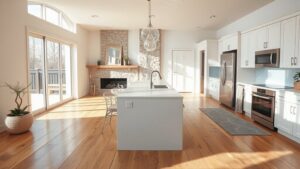


Does the common belief that bigger is better in UK homes hold up under practical use? You’ll find that crowding rooms with oversized furniture stifles flow and function, while smart lighting and balanced color bring spaces to life. Consider space scale, storage needs, and durable, timeless choices over fleeting trends. If you’re ready to challenge habits that drain rooms and budgets, there’s a clear path to a calmer, more adaptable home that still feels stylish. Let’s start with where your current setup falls short.
Key Takeaways
- Fail to plan spaces around function and circulation, leading to cramped layouts and blocked doorways.
- Overmix trends without considering scale, proportion, and room lighting, causing dated or chaotic interiors.
- Neglect layering of lighting (ambient, task, accent) and energy efficiency, resulting in flat or costly setups.
- Skimp on storage and clutter control, compromising practicality and calm in high-traffic UK homes.
- Ignore budget hierarchy, prioritizing aesthetics over durable basics like finishes and adaptable storage.
Why UK Homes Need Practical Design Rules
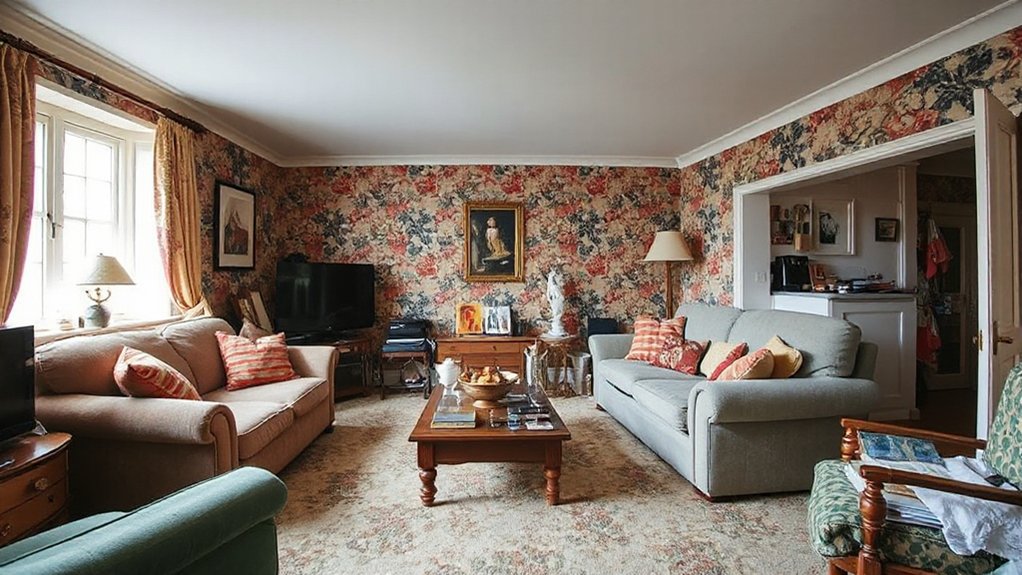
UK homes are subject to practical constraints like space, budget, and daily wear, so solid design rules aren’t optional—they’re essential. You’ll protect yourself from costly errors by grounding decisions in clear parameters: room function, traffic flow, and durability.
Practical rules keep clutter under control and assure you don’t overextend budgets with trend-chasing, impulsive buys. Prioritize timeless fundamentals—layout, lighting, storage, and finishes—so spaces serve daily life rather than chasing novelty.
As you plan, anticipate seasonal updates to refresh without full overhauls, using versatile, well-made components. Introduce luxury accents sparingly to elevate rooms without sacrificing practicality.
Standards also guide maintenance, guaranteeing longevity and resale value. With disciplined rules, you transform limited space into functional, comfortable living that adapts to changing needs.
Assessing Space: Scale and Proportion for Real Living
When planning a space, you must accurately read its scale and proportions to guarantee it supports daily life without feeling crowded. Evaluating space starts with a clear measure of the room’s footprint, ceilings, doorways, and traffic paths.
Size influences function, so prioritise essential activities and confirm furniture fits without blocking movement. Plan furniture placement that maintains clear circulation, anchors focal points, and respects proportions between pieces and room dimensions.
Use proportion cues—legible gaps between seating, appropriate rug scale, and balanced massing of cabinets and sofas. Colour harmony matters; choose a restrained palette to enhance perceived space and cohesion.
Avoid oversized furniture or overly small accents that disrupt rhythm. Precision in layout reduces clutter, elevates usability, and ensures real living aligns with intended design outcomes.
Lighting for Mood and Practical Use in UK Homes
Lighting can transform mood and function in UK homes, delivering warmth for evenings and clear task light where you need it. To avoid harsh glare, layer sources: ambient illumination for overall balance, task lighting where you perform detailed work, and accent lighting to add depth.
Position ceiling lights to reduce shadows and use dimmers to adapt brightness through the day. Choose color temperatures that suit zones—warm tones for living spaces, cooler for kitchens and bathrooms.
Make certain luminaires are scale-appropriate for rooms and ceilings; avoid clutter by concealing cables and opting dual-purpose fittings. Prioritise energy efficiency with LED options and smart controls that automate routines.
Smart Storage Solutions to Fight Clutter
Smart storage isn’t a luxury—it’s a design essential that keeps everyday clutter from taking over. You’ll reclaim floorspace by choosing modular furniture that adapts to your needs, not the other way around. Use hidden compartments to conceal odds and ends, preserving a clean, purposeful look.
Implement these steps:
1) Assess how you store today, pinpoint gaps, and plan solutions around daily routines.
2) Select modular pieces with built-in storage and adjustable shelves for flexibility.
3) Integrate hidden compartments in coffee tables, ottomans, and beds to vanish clutter.
4) Label boxes or bins, keeping a quick inventory for easy retrieval and maintenance.
This approach delivers efficiency, keeps surfaces clear, and guarantees you maintain a calm, functional home.
Budget-Driven Decorating: Priorities and Fixes
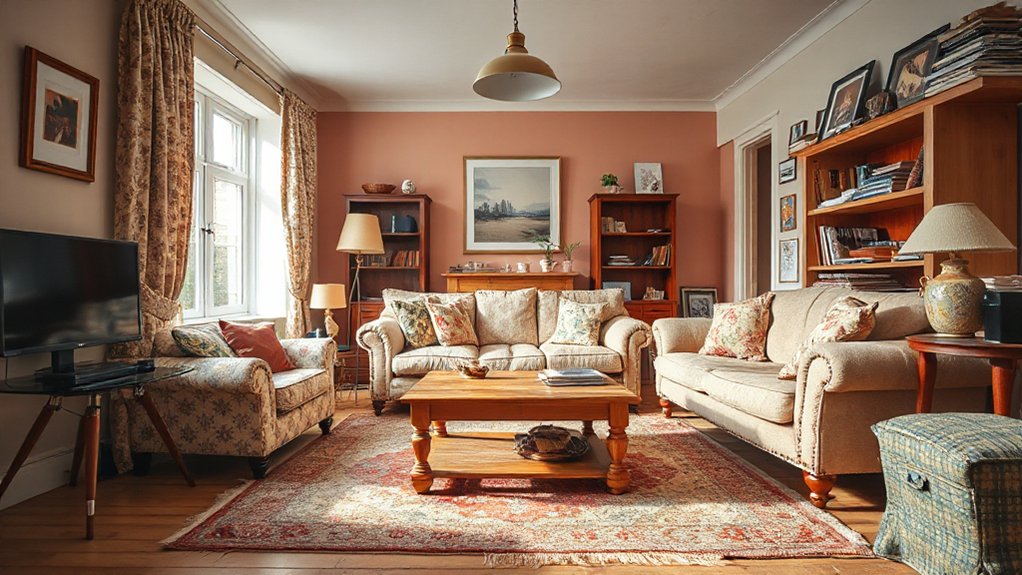
Budget constraints don’t have to mean dull decor. You’ll succeed by prioritizing function first, then aesthetics, so every pound earns its keep.
Begin with budget planning that segments essentials, upgrades, and contingencies, linking decisions to room use and resale value.
Focus on scalable changes: repaint walls, upgrade lighting, and swap textiles rather than complete suite replacements.
When choosing colour schemes, select a cohesive base and two supporting shades to maintain flow while allowing accents later.
Invest in durable, easy-care finishes for high-traffic areas to reduce long-term costs.
Avoid trend-driven purchases that tempt frequent rewrites; instead, pursue timeless textures, like matte paints and natural materials, that age gracefully.
Document costs, track outcomes, and adjust priorities as rooms evolve.
Frequently Asked Questions
How Do I Choose Color Palettes That Won’T Date Quickly?
Choose timeless neutrals as your base, then layer with adaptable accents. Rely on color psychology to pick soothing, versatile shades, and use trend forecasting to avoid fleeting hues. You’ll create lasting harmony that adapts with evolving tastes.
What’s the Best Way to Pair Patterns Without Clashing?
Pattern pairings work best when you balance bold and subtle. Mix textures mindfully, match scale, and maintain rhythm. You’ll master pattern balance by pairing complementary motifs, avoiding clash, and ensuring cohesive coexistence while you mix textures confidently.
Which Materials Perform Best in Damp UK Climates?
You should choose moisture resistant materials like ceramic tiles and treated timber, and install robust ventilation solutions to reduce damp. Prioritize breathable underlays, proper insulation, and regular maintenance to prevent moisture buildup and protect finishes over time.
How Can I Test Lighting Before Committing to Fixtures?
Test lighting before you commit by simulating real conditions: measure with a lamp, observe at different times, and adjust placement; test fixture styles and lighting placement concurrently to guarantee consistency, practicality, and confidence in your final design choice.
What Affordable Upgrades Deliver the Biggest Impact Quickly?
You should invest in affordable upgrades like budget flooring and statement accessories, delivering the biggest impact quickly. Prioritize durable, easy-clean options, place bold accents at eye level, and unify color palettes to instantly elevate rooms without overhauling layouts.
Conclusion
In short, prioritise practical design over flashy trends. Think of your home as a living toolkit: each choice should serve daily life, not just look good. When I measured a cramped lounge, adding a 60–70 cm sofa and layered lighting doubled usable space and mood without clutter. That’s the rhythm you want: scale, light, storage, and durability working in harmony. Start with function, then refine with timeless style for lasting British comfort.