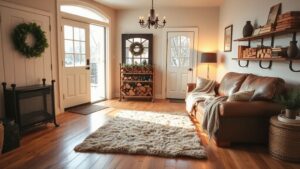
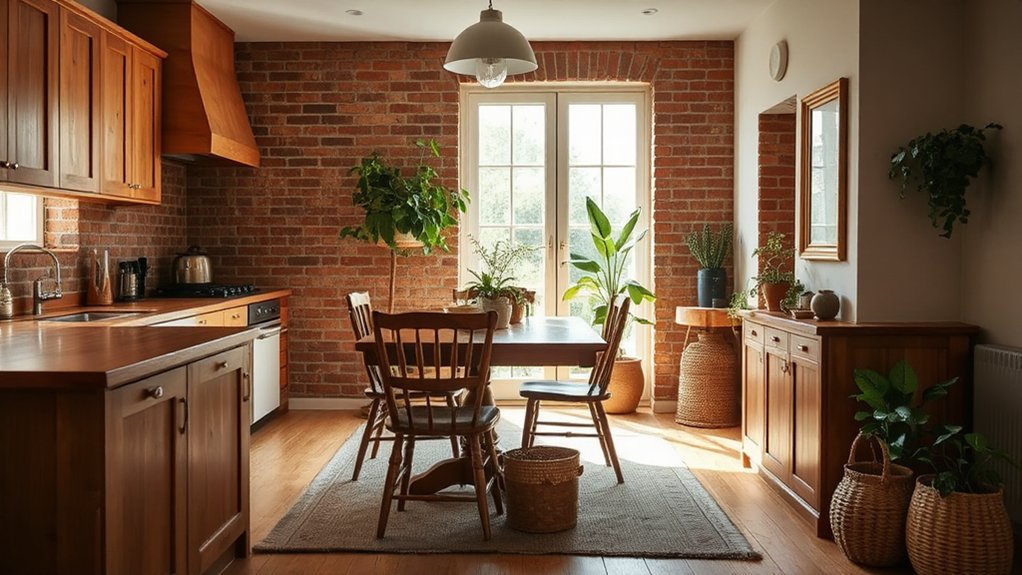

New-build spaces Can feel sterile, but you can add soul without overspending by layering texture, thoughtful lighting, and durable, timeless materials. Start with warm whites and clay tones, then inject character with art, meaningful keepsakes, and curated display vignettes. Use versatile furniture, subtle wall textures, and soft textiles to create warmth. Choose layered lighting and warm 2700–3000K hues to invite coziness. If you keep refining details this way, you’ll uncover practical tweaks that quietly transform your home—stick with it.
Key Takeaways
- Start with warm textures and layered lighting to counter industrial new-build sterility, using tactile finishes, plants, and characterful furniture.
- Personalize with distinctive details, affordable art, and selective displays that reflect emotion and story.
- Use cohesive color palettes (warm whites, taupe, clay) and timeless textures like plaster or wood panels for depth.
- Plan a deliberate budget prioritizing essentials, durable materials, and strategic upgrades to add soul without overspending.
- Design flexible, multi-purpose spaces with modular furniture and hidden storage to maintain openness and functional warmth.
Why New-Build Homes Feel Sterile: And How to Fix It on a Budget
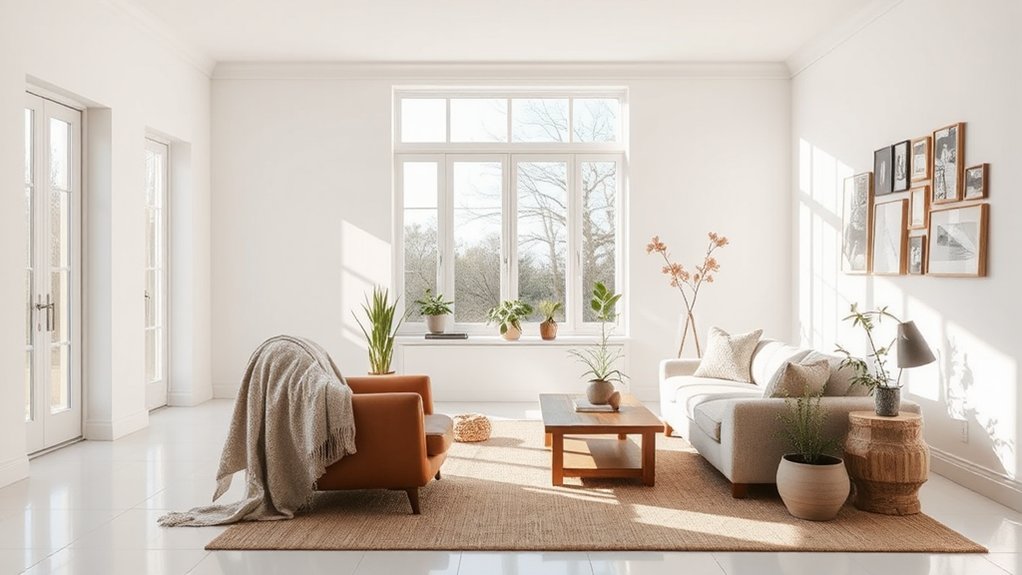
New-build homes often feel sterile because they start with a blank slate rather than a lived-in history, and that can leave rooms feeling blank and uninviting. You’ll notice stark lines, neutral palettes, and empty walls that read as clinical.
To counter this on a budget, lean into urban aesthetics: mix textures, add layered lighting, and introduce warm metals or matte blacks for contrast. Favor furniture with character—a vintage chair reupholstered, a salvaged wood coffee table—over pristine new pieces.
Embrace Modern minimalism selectively: keep surfaces clear, but let a few statement items stand out. Plants, textiles, and personal photos break the silence, signaling lived-in intent.
Prioritize cohesive color accents and tactile finishes to create depth without overwhelming airiness. Your space becomes inviting, practical, and distinctly yours.
Set a Soulful Budget: Practical Allocation Basics
Set a soulful budget by naming your essentials first, then allocate for those with intention rather than impulse. You’ll prioritize needs, trim extras, and keep a clear line between what’s necessary and what helps your home feel truly yours.
Track spending regularly to stay aligned with your goals and to adjust as your priorities shift.
Set a Soulful Budget
Budgeting your build isn’t just about numbers; it’s about aligning costs with your priorities so you can stay on track without sacrificing what matters most. Set a soulful budget by mapping essentials, desires, and contingencies in clear tiers, not vague hopes.
Begin with a practical baseline for core systems, then earmark flexible funds for features that define your style. Use restraint to prioritize durable materials, timeless finishes, and efficient layouts that age well.
Infuse modern minimalism and vintage charm where you truly value them, but refuse vanity purchases that don’t serve daily life. Build in a 10–15% contingency and periodically reallocate as plans evolve.
Document decisions, track variances weekly, and celebrate small savings that preserve soul without overspending. This disciplined approach keeps your vision vibrant and budget sane.
Allocate Thoughtful Essentials
You’ve mapped out what matters most, so start by carving your essentials from the budget and assigning them a fixed share. Allocate thoughtfully, so every dollar reinforces your core values without creeping beyond reach.
Prioritize essentials that enable personal growth and community engagement—quiet corners for study, a shared workspace, durable materials, and inviting gathering spaces.
Use a simple rule: fixed percentages, revisited quarterly, to shield against impulse. Separate needs from wants with a clear threshold for discretionary spending, and favor quality that stands the test of time.
Build in small buffers for contingencies, not excesses. Track outcomes, not just costs, so you can see how spaces influence connection and learning.
When your plan reflects purpose, your home becomes a catalyst for growth and shared purpose.
Track Spending Regularly
Regular tracking keeps your soulful budget honest: check in monthly, label every expense, and compare against your fixed shares to spot drift before it grows. You’ll learn how spending habits evolve and where you can tighten without sacrificing comfort. Treat budget tracking as a daily discipline with a monthly check-in that guides smarter decisions.
- Set clear categories and tag items as essential, discretionary, or savings, then review variances whoosh-free.
- Reconcile receipts with statements, noting any unexplained gaps or windfalls to keep accuracy sharp.
- Adjust allocations quarter by quarter, aligning wants with needs while preserving your core fixed shares.
This approach stays practical, precise, and personal, helping you sustain momentum toward a soulful, affordable build.
Warm, Affordable Lighting Ideas for Every Room
If you’re revitalizing your home, warm lighting can transform every room without stretching the budget. Start with affordable three-way bulbs or dimmable LEDs to create an ambient glow that adapts to tasks and moods.
Choose color temperature around 2700–3000K for common living spaces to keep colors true and inviting. Then add cooler accents (3500–4000K) for kitchens or work zones only when needed.
Layer light sources: a central ceiling light, task lighting at counters, and decorative sconces or table lamps to soften corners.
Use plug-in options to avoid wiring, and swap shades to influence brightness and tone.
Use daylight-friendly timers to align with natural cycles, ensuring you get warmth without waste.
Reclaim corners with strategic, affordable fixtures that feel intentional, not temporary.
Texture and Color: Five Quick Surface Upgrades Under $200

Start with a quick palette shift and tactile upgrades that instantly refresh any room without a full remodel: swap in textured wall panels or resilient peel-and-stick options, then layer in color with affordable textiles and accents. Texture tips help you ground a space, while color psychology nudges mood and flow without breaking the budget.
- Install peel-and-stick panels in a focal wall to add depth and warmth.
- Mix in woven textiles—throws, cushions, and a rug—to introduce tactile contrast and color harmony.
- Add metallic accents and solid artwork to curate balance, contrast, and a polished finish.
This approach keeps the look cohesive, practical, and scalable, so you can tweak textures and hues as you refine your build.
Personal Mementos Without Clutter: Display Strategies
Display memories without turning a room into a shrine by choosing a few well-placed mementos and letting them breathe. You’ll gain impact by curating rather than accumulating, focusing on quality over quantity.
Start with a single vignette—one photo, one heirloom, one note—that anchors the space and tells a story. Rotate pieces seasonally to keep it fresh, which also supports clutter management.
Choose display surfaces that suit scale and light: a slim console, a shallow shelf, or a framed grid on the wall. Use uniform frames or a cohesive material to create visual harmony and reduce distraction.
Pair mementos with negative space to avoid overpowering the room. Label lighthearted items discreetly to preserve sentiment while staying organized and intentional.
Soft Furnishings for Warmth: Affordable Picks That Transform a Room
Soft furnishings can make a room feel instantly cozier without breaking the bank. You don’t need luxury to create warmth—think texture, scale, and scent.
Textile layering adds depth: pair a chunky throw with a lightweight drape to balance weight and movement. Scent layering completes the mood without overpowering the space. Start small, then build.
- Invest in a versatile throw, a linen curtain, and a solid rug to establish texture and color harmony.
- Choose cushions in two–three complementary patterns; mix weaves and pile heights for visual interest.
- Rotate a signature scent via candle, diffuser, and room spray to create a cohesive ambient aroma.
Tip: keep fibers breathable and easy to clean; rotate textures seasonally for lasting warmth.
Layout Tweaks for Natural Flow: Doorways, Sightlines, Furniture Grouping
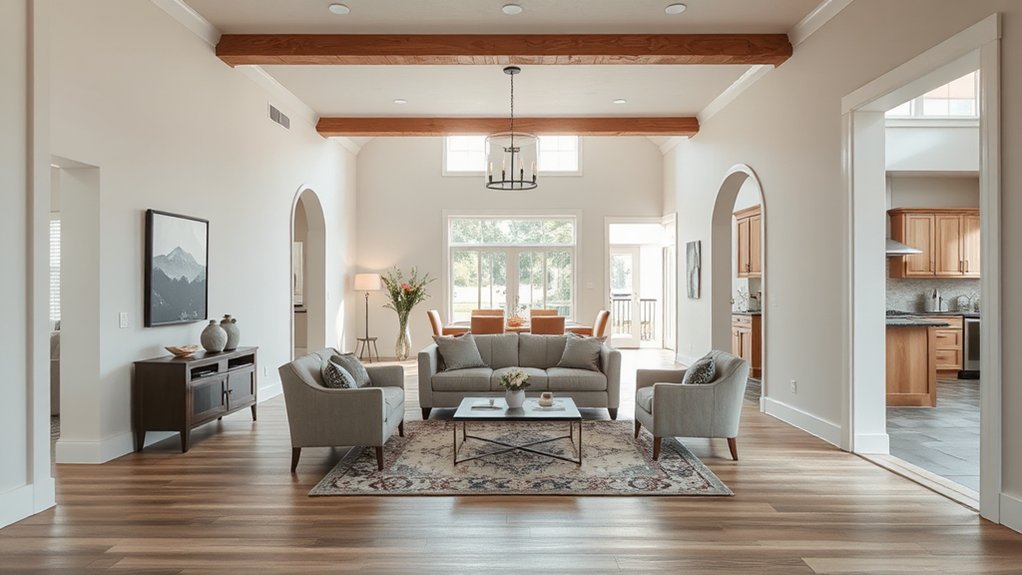
If you’ve layered textures for warmth, you can apply that same mindset to how spaces guide movement. Start with doorway flow: align entrances so traffic follows intuitive paths, not around corners or furniture. Position doorways to frame views of key areas, guiding you softly from living to dining without abrupt stops.
Consider sightline balance: balance sight lines so you can see meaningful vignettes—art, a rug, a fireplace—from multiple spots, yet avoid harsh focal points that pull attention too early. Group furniture to reinforce natural routes, creating conversational zones without blocking circulation.
Use low-profile pieces along primary sightlines to keep rooms feeling open. Finally, test layouts by walking routes and adjusting furniture drift, thresholds, and rug sizes until movement feels effortless and spaces read as cohesive.
Flexible Spaces: Multipurpose Layouts You Can Use Now
Flexible spaces aren’t just a trend—they’re a daily practicality you can implement now. When you design, aim for flexible layouts that adapt as your needs shift, from work zones to family time. Multipurpose spaces thrive with furniture that serves more than one job and smart traffic flow that invites easy reconfiguration.
- Prioritize zones that fluidly convert—a desk area that doubles as a dining nook with movable chairs.
- Use modular furniture and hidden storage to keep clutter low while your space morphs.
- Plan sightlines that preserve openness, so you can repurpose without feeling boxed in.
These choices keep your home efficient, stylish, and comfortable, proving multipurpose spaces aren’t cosmetic — they’re practical pillars of daily living.
Finishes That Age Gracefully: Durable, Budget-Friendly Options
You’ll want finishes that stand up to daily life without breaking the bank, so consider durable materials that age gracefully. Think scratch- and stain-resistant options, in budgets-friendly forms like laminate, ceramic, and quality paint with good warranty.
Durable Finishes That Last
Durable finishes aren’t an afterthought in a budget build—they’re a smart investment. You’ll get more mileage from materials that resist wear and still feel refined, avoiding frequent replacements. Focus on practicality without sacrificing character, and your home ages with grace.
- Choose finishes with proven longevity, like high-traffic coatings and mid-tone woods that disguise wear while offering timeless textures.
- Prioritize durable surfaces with scratch, stain, and moisture resistance so long lasting aesthetics stay intact in real daily life.
- Opt for low-maintenance palettes and textures that blend resilience with elegance, reducing upkeep while preserving sophistication.
These choices keep the look cohesive across rooms, ensuring your spaces feel fresh without costly overhauls.
Budget-Friendly Material Choices
Choosing finishes that age gracefully doesn’t have to break the bank; smart materials can blend durability with warmth and texture. You’ll seek options that resist wear while staying affordable, so focus on timeless performance over flash.
Start with engineered or solid-core doors and laminate countertops that mimic stone but endure daily use. Choose eco-friendly finishes that reduce emissions and simplify maintenance, keeping your project aligned with long-term costs.
For walls, consider washable paints and durable plasters that tolerate scrapes and fingerprints. Add artistic wall accents in cost-conscious ways—removable panels, reclaimed wood, or textured wallpapers—without overwhelming the room.
Prioritize finishes that age gracefully, then balance color and texture to create a cohesive, inviting home that grows with you.
Where to Shop for Budget Statement Pieces
Where should you start when hunting for budget statement pieces that still feel like a design win? Begin with a clear sense of personal style and cultural influences, then seek shops that reflect those sensibilities without flagging price.
You’ll pinpoint value by mixing new with vintage and testing scale against your rooms.
- Thrifted treasures and flea markets — you’ll find character, patina, and price leverage.
- Local vintage stores and online marketplaces — compare condition, provenance, and fabric/finish quality.
- Designer sample sales and outlet showrooms — snag near-new statements at fraction of the cost.
Keep a running mood board, note budget limits, and favor pieces that echo your room’s colors and story, not trends. This keeps your spaces authentic and cohesive.
Weekend DIY Decor Projects That Actually Work

Weekend DIY decor projects actually work when you pick simple, proven techniques and pace yourself. You’ll see results faster than you expect if you focus on one room at a time, using inexpensive, durable fixes.
Start with a plan: measure, list materials, and set a realistic timeline.
Small upgrades—like swapping hardware, adding wall art, or layering lighting—make a big impact without breaking the bank.
Favor Eco conscious choices, choosing sustainable paints, recycled textiles, and low-VOC finishes to keep air quality high.
Build a cohesive look with Creative color schemes: pair warm neutrals with bold accents, and repeat hues across accessories for harmony.
Stay flexible: adapt layouts, rehang art, and repurpose items you already own to maximize impact with minimal waste.
Green, Low-Waste Choices That Save Money
You can kick off your build with reusable materials that cut long-term costs and waste, from framing lumber to interior finishes.
Pair smart waste management with low-cost, efficient systems that reduce utility bills without sacrificing comfort.
Reusable Materials Choices
Choosing reusable materials for a new-build isn’t just environmentally smart—it saves money and speeds up construction, too. You’ll see tighter budgets and cleaner schedules when you plan around surplus and modular components.
Focus on durable, adaptable choices that can be repurposed later, reducing waste and ongoing maintenance.
- Reclaimed wood: source from decommissioned structures for beams, flooring, and trim; it adds character with minimal processing.
- Vintage fixtures: select plumbing, lighting, and hardware that’s refurbished, avoiding new-production costs while delivering distinct style.
- Modular panels and SAV systems: use versatile, prebuilt elements that fit varied layouts, cutting on-site waste and installation time.
Efficient Waste Management
Reuse becomes routine when you map materials to on-site workflows and stockpile only what you truly need. Opt for dual-purpose packaging and clearly labeled containers to keep streams clean and sortable.
Implement recycling initiatives by partnering with trusted processors, setting up dedicated bays, and documenting provenance for salvaged items. Composting strategies can divert organics from landfills; collect kitchen and site scraps, then authorize a simple compost loop for landscape use.
The result is tangible savings, cleaner sites, and a smarter, more resilient project.
Low-Cost Sustainable Systems
Are you looking to cut costs while shrinking your project’s environmental footprint? You can achieve both by choosing low-cost sustainable systems that deliver real value. Focus on practical, reusable, and efficient options that quietly save money over time.
- Eco friendly insulation that balances cost and performance, improving comfort while reducing energy demand.
- Solar powered lighting for common areas and exterior use, lowering utility bills and maintenance.
- Water-conscious fixtures and simple rain capture strategies to minimize waste and long-term expenses.
Implementing these choices early helps you avoid retrofit costs later.
Prioritize components with solid warranties and local availability, then optimize layout for maximum efficiency. You’ll reduce energy use, simplify maintenance, and keep your build lean without sacrificing comfort or quality.
Wall Treatments and Art That Feel Warm, Not Trendy-For-Two-Seasons
Textures and color choices that feel warm and inviting—without leaning into fleeting trends—start with thoughtful wall treatments and art that endure.
You’ll pick wall textures that add depth without shouting. Consider subtle plaster, sanded drywall, or a soft venetian finish in neutral tones to anchor rooms. Pair these with plaster or wood-based wall panels for tactile interest that ages well.
When selecting art, lean toward curated pieces that align with your space’s energy, not the latest fad—this is art curation, not wallpaper-by-committee. Opt for a few meaningful works rather than a wall crowded with noise. Frame both photography and painting to a consistent width for cohesion.
Use warm whites, taupes, and clay shades to create a timeless backdrop you’ll love returning to season after season.
Window Treatments: Light, Privacy, Style on a Budget
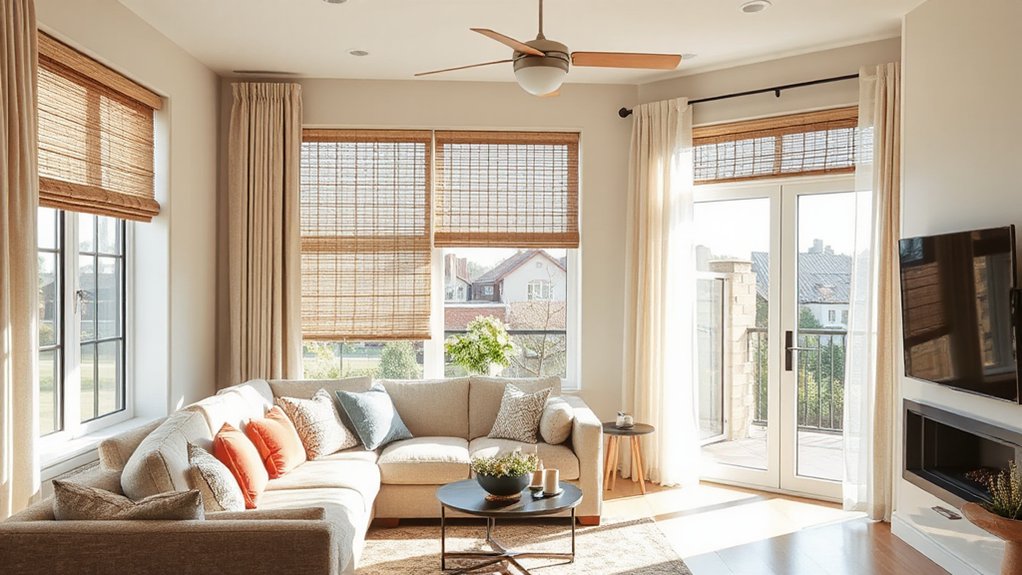
Window treatments can balance light, privacy, and style without breaking the bank by focusing on versatile basics and smart layering. You’ll control glare and heat while keeping spaces cohesive, using simple tactics that feel premium.
- Curtain styles: choose neutral panels with a subtle texture for depth and easy coordination across rooms.
- Blind options: combine light-filtering blinds with darkening shades for daytime versatility and nighttime privacy.
- Layering: pair minimally dressed windows with a decorative rod and a slim valance or drape to add polish without clutter.
Skip frills that don’t pay off; invest in quality hardware and easy-clean fabrics. Your rooms gain cohesion, privacy, and warmth without overspending. Curtain styles, Blind options.
Small Wins in Kitchens and Baths That Feel Premium
Small upgrades can make a kitchen or bath feel premium without a full remodel. You’ll notice power in small, deliberate changes that elevate everyday use. Focus on surface touches: upgraded hardware, a single statement faucet, and clean, cohesive hardware finishes.
Choose lighting that flatters angles and textures, pairing task illumination with ambient glow for a premium feel. Curate small accents that reflect artistic expression—handcrafted pulls, a unique soap dish, or a thoughtfully chosen tile trim.
Cultural influences show in color palettes and patterns that nod to heritage or modern craft without overwhelming the space. Keep lines uncluttered and storage smart, so form follows function.
Finally, set a budget and swap pieces over time to preserve value and build a genuine, timeless sense of polish.
Flooring Finishes That Look Luxe, Cost-Conscious
You can achieve luxe visuals without the hefty price tag by choosing smart flooring finish picks that mimic high-end looks. Consider budget-friendly options that still read as premium—think durable vinyl planks, ceramic tiles with subtle graining, or engineered wood with a refined finish.
Luxe-Looking, Budget-Friendly Floors
Choosing flooring that looks luxe without breaking the bank is easier than you think; with the right finishes, you can achieve a high-end vibe in every room. Here’s how to maximize impact without overspending:
- Pick durable, water-resistant planks that mimic wide-plank visuals for a premium look.
- Use tonal progressions and consistent baseboards to create seamless flow.
- Layer textures with area rugs and underlayment for warmth and depth.
Think practical details: match flooring with Budget landscaping and energy efficient appliances to reinforce a cohesive home story.
A restrained palette with subtle graining reads luxe, while cost-conscious installation keeps you on budget.
With thoughtful choices, you gain sophistication, resilience, and a timeless feel that elevates your whole home.
Smart Flooring Finish Picks
Smart flooring finishes can elevate a budget-friendly space without shouting “cheap.” Start with finishes that resist wear and moisture, like matte or low-sheen options in neutral tones, so rooms read calm and cohesive.
For smart flooring, prioritize durability and ease of maintenance, then weigh texture and subtle sheen to mimic higher-end looks. Finish picks such as vinyl planks, porcelain-look tiles, and sealed hardwood alternatives offer longevity without breaking the bank.
Consider water resistance in kitchens and baths, and choose forgiving grays, beiges, or taupes to keep flow consistent. Dimensional boards or wider planks can add warmth without fuss.
Finally, seal choices with a compatible topcoat to preserve tone, glare, and resilience, ensuring your spaces feel refined, not rushed.
Smart Storage to Reduce Visual Clutter
Why add clutter when smart storage can hide it? You’ll reclaim surface calm by choosing hidden storage that blends with your rooms, not fights against them. From built-in cabinets to under-bench drawers, smart solutions keep clutter concealment deliberate and accessible, so you only see what you want.
Design note: keep depth modest and doors and drawers soft-closing for everyday ease.
- Use vertical niches with doors to conceal everyday essentials.
- Integrate multi-use ottomans and coffee tables with hidden compartments.
- Install pull-out organizers inside closets and pantry shelves for rapid access.
This approach reduces visual clutter without sacrificing function, letting your spaces feel open and intentional. Hidden storage becomes a quiet ally in your design, not a reminder of what’s out of place.
Scent, Sound, and Ambience That Welcome Guests
A welcoming entry sets the tone the moment guests arrive, so scent, sound, and ambience should align with your home’s preface: calm, inviting, and effortless.
You guide perception by scent layering: a light citrus note at the door, a warm base of vanilla in the living room, and a subtle green element from fresh foliage.
Pair this with ambient sound—soft music or nature whispers—kept low enough to converse over.
Keep clutter out of sight to let the atmosphere breathe.
Use natural textures and decor that reflect quiet confidence: wood tones, tactile textiles, and a clean silhouette.
Lighting matters too: dimmers that ease progressions from street glow to interior glow.
Together they create a cohesive, welcoming aura without shouting.
DIY vs. Pro: When to Hire Help Without Blowing the Budget
Deciding when to DIY or hire a pro comes down to scope, budget, and risk: tackle simple, cosmetic tasks yourself to save money, but bring in a professional for structural, electrical, or complex plumbing work that could backfire if done incorrectly.
- DIY pitfalls to watch for early on: misjudging scope, hidden costs, and safety gaps.
- Hiring tips to maximize value: vet credentials, request written estimates, and confirm warranty coverage.
If you’re unsure, test the task with a small, reversible project first, and consult a pro for high-stake decisions.
Maintenance Mindset: Keeping Soul Without a Big Price Tag
Maintenance mindset means treating upkeep as a budgeting tool, not an afterthought. You’ll protect your home’s soul by planning small maintenance wins that reinforce emotional connection without exploding costs.
Schedule seasonal checks, like paint touchups, weather stripping, and HVAC filters, and treat them as purposeful investments rather than chores. When you spot wear early, you preserve the character you love and avoid pricey fixes later.
Use a simple log to track repairs and upgrades, tying each entry to personal expression—colors, materials, and textures that reflect you.
Prioritize durable, repairable products and easy DIY fixes that still feel premium. By framing maintenance as ongoing care, you sustain value, comfort, and a lived-in warmth that resonates with every guest.
Your home stays soulful, affordable, and distinctly yours.
Frequently Asked Questions
How Can I Add Character Without Expensive Renovations?
You can add character by layering Vintage accents and Artistic touches with affordable finds, smart contrasts, and curated textures; you’ll create depth without costly renos, leaning on thoughtful furniture, lighting, and personal flair that feels intentional and unique.
What Small Changes Create a Lived-In Feel Fast?
“Familiarity breeds comfort.” You add a lived-in feel fast with vintage accents, small artful touches, potted greenery, layered textures, and personal photos; you mix warm lighting, and a few heirloom pieces to create atmosphere, without overspending.
Which Budget Picks Make Spaces Look Warmer?
Affordable lighting and vintage accessories instantly warm your space, so you can elevate atmosphere without overspending. You’ll mix soft lamps, warm bulbs, and retro finds, creating depth, texture, and charm that feel both practical and thoughtfully curated.
How to Mix Textures Cheaply for Depth?
Layered textiles create depth fast, so mix rugs, throws, and cushions in varied weights. Combine rustic accents with metallics for contrast, and vary textures deliberately to avoid flatness while staying budget-friendly and practically stylish.
Where to Prioritize Updates for Impact?
“Hit the ground running.” You prioritize impact by upgrading high-traffic rooms first, then weave in smart technology and eco friendly materials for lasting efficiency and appeal, saving costs through smart layering rather than whole-room overhauls.
Conclusion
You can give a new build real character without draining your wallet. Start with feel and flow: light, texture, and meaningful pieces trump big-name fixes. Set a sensible budget, shop smart, and tweak over time instead of all at once. Keep things breathable, organized, and personal—every nook should tell a story. When in doubt, you’ll know you’re on the right track because the space feels like you, not a showroom. Home is where heart meets hands, a true fit.