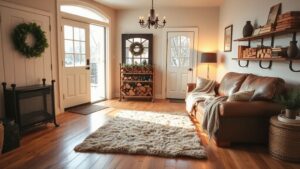


To boost resale value, start with a strategic ROI framework: set realistic budgets with contingencies, timelines, and risk checks, then tackle quick wins that elevate curb appeal and interior polish. Prioritize layout flow, scalable kitchen and bath upgrades, and durable finishes. Declutter, neutralize styling, and stage spaces to highlight function. Use energy-efficient features and smart systems to lower operating costs. For deeper guidance on pricing, timing, and financing options, you’ll find practical steps ahead.
Key Takeaways
- Prioritize quick-win upgrades with high visual impact to boost first impressions and resale value.
- Invest in exterior curb appeal and durable siding to enhance street appeal and longevity.
- Modernize interiors with neutral finishes, refreshed surfaces, and improved lighting for broader appeal.
- Upgrade energy efficiency (insulation, windows, HVAC, LED lighting) to lower operating costs and attract buyers.
- Implement smart home features and reliable safety systems to reduce perceived risk and add value.
Why Resale Value Should Drive Your Upgrades

When you plan upgrades, let resale value guide your choices. You’ll focus on improvements with broad appeal, not niche whims. Start by weighing Market trends to spot what buyers currently prize, then anticipate how those preferences may shift.
Prioritize durable, low-maintenance updates that endure market cycles, such as refreshed kitchens, updated baths, and solid flooring. Consider how zoning regulations affect feasible alterations, avoiding projects that could run afoul of codes or future rule changes.
Keep scope realistic, aligning costs with anticipated return. Document your decisions with data on comparable homes in your area, and target features that modern buyers expect.
Stay disciplined: upgrades should boost value, not innovation’s sake. Finally, track results to refine future choices.
Build Your ROI Framework: Budget, Timeline, and Risk
A solid ROI framework starts with clear budgeting, realistic timelines, and explicit risk assessment.
You’ll allocate costs, set milestones, and identify potential hurdles that could derail your plans.
This approach keeps decisions grounded, so you can maximize resale value without surprises.
Budgeting For ROI
So, how should you set up a ROI-centered budget, timeline, and risk plan that actually holds up in a real project? Start with a tight budget anchored in market analysis to gauge what buyers expect and what upgrades pay back.
Define a clear line item for each major cost, with a 10-20% contingency for surprises. Prioritize high-ROI improvements and align them to your target buyer profile.
When selecting partners, emphasize contractor selection criteria that balance cost, quality, and reliability, and document expectations in writing.
Build a timeline that reflects logical sequencing and buffers for permitting or procurement delays. Track milestones weekly, compare actuals to the plan, and adjust only when data supports a meaningful impact on resale value.
Timeline And Risk
A solid ROI framework relies on a realistic timeline paired with a proactive risk plan. You’ll anchor your project by mapping milestones, estimating task durations, and building in buffer for delays. Stay alert to market changes that affect costs and demand, and adjust schedules before overruns bite.
Proactively address regulatory risk by reviewing zoning regulations early and securing permits promptly. Communicate timelines to stakeholders and stay disciplined about scope to protect value.
- Define key milestones and target dates, then track progress weekly
- Build contingency buffers for weather, supply delays, and permit processing
- Monitor market fluctuations and price both materials and labor accordingly
- Regularly review zoning regulations to avoid compliance gaps
- Establish a transparent escalation path for schedule or cost surprises
Layout and Space: Maximize Flow for Resale
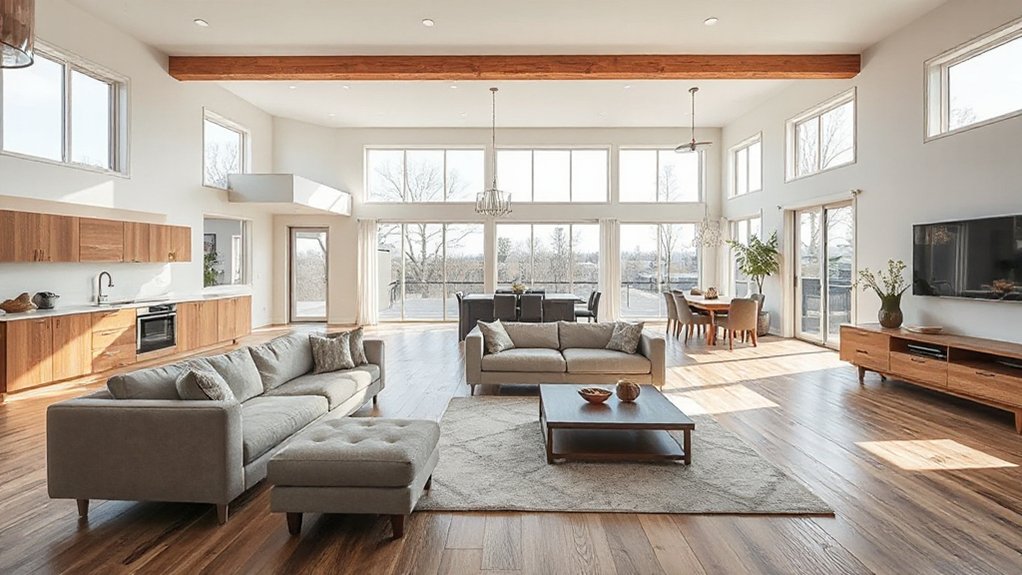
Optimizing layout and space starts with clear sightlines and intuitive circulation, so potential buyers can move through a home without obstacles. You’ll maximize flow by opening key sightlines between entry, living, and dining zones, avoiding visual clutter and unnecessary partitions.
Think furniture arrangement that prioritizes functional paths; place larger pieces against walls to widen walkways and create distinct zones without breaking cohesion. Use transitional spaces—hallways and doorways—as deliberate connectors rather than barriers.
Natural lighting plays a pivotal role: maximize window exposure, minimize heavy drapery, and align seating to capture daylight. Consider scale and proportion, ensuring routes feel effortless from room to room.
Declutter surfaces, streamline storage, and maintain consistency in finishes to reinforce a cohesive flow that appeals to buyers seeking effortless livability.
Kitchen Refresh Ideas That Pay Off
Updating your kitchen can yield noticeable resale value without a full remodel. Fresh cabinet handles, under-cabinet lighting, and a quartz countertop upgrade are practical, high-impact moves you can tackle now.
Each choice adds style, efficiency, and a durable edge that buyers notice.
Fresh Cabinet Handles
- Match finishes to existing fixtures for a seamless feel
- Opt for ergonomically friendly designs to boost usability
- Choose contrasting or complementary metals for visual interest
- Prioritize durability and clean lines over novelty
- Consider a cohesive set for all cabinets to maximize impact
Cabinet hardware choices shape perception, so pick thoughtfully; small upgrades can yield big returns.
Under-Cabinet Lighting
Choose a color temperature in the neutral to cool range to preserve true dish and ingredient colors, improving overall perception of the space. Consider LED strip lights or puck fixtures wired for dimming, so you can tailor brightness for entertaining or focused tasks.
A cohesive lighting plan supports lighting design goals, balancing ambient and accent needs while keeping energy use efficient. Subtle under-cabinet illumination also contributes to mood enhancement, creating a welcoming ambiance without overpowering the room.
This upgrade pairs well with existing elements, boosting resale appeal with practical sophistication.
Quartz Countertops Upgrade
Quartz countertops are a smart, durable upgrade that immediately elevates a kitchen’s look and resale value. You’ll notice how color coordination ties the cabinets, backsplash, and hardware together, creating a cohesive aesthetic. Material durability means fewer upkeep headaches and lasting appeal for buyers.
- Choose a tone that complements existing tones and accents
- Prioritize non-porous surfaces for low maintenance
- Consider edge profiles that balance style and practicality
- Match veining to cabinet hardware for a unified feel
- Plan installation timing to minimize renovation disruption
This upgrade delivers meaningful ROI by delivering a polished, durable surface that supports daily use and resale interest. You’ll appreciate the clean, modern impression and the confidence it adds when presenting the kitchen to potential buyers.
Bathroom Upgrades With High ROI
Upgrading your bathroom pays off, especially when you focus on high-ROI changes that buyers notice. To maximize value, prioritize durable, water-efficient fixtures and timeless finishes over faddish trends. Replace dated vanities with clean, contemporary lines and ample storage, minimizing tile waste and labor.
Upgrade to modern toilets and efficient showers with good water flow and low maintenance. Select neutral colors and quality materials that resist wear, as buyers favor low-maintenance spaces. Incorporate luxury fixtures and spa features to convey luxury without overbuilding the room.
Improve lighting with layered sources—overhead, task, and ambient—to enhance depth and mood. Guarantee precise caulking, solid hardware, and professional installation. With thoughtful planning, these upgrades deliver appeal and measurable resale value.
Flooring Choices That Boost Value
When choosing flooring that adds value, you want durable materials that perform well in real rooms, not just showy options. Your goal is resilience, ease of maintenance, and timeless appeal that buyers notice at a glance.
Color psychology informs you that warmer tones can make spaces feel inviting, while light hues brighten rooms and widen perceived space.
Prioritize flooring durability by selecting materials with strong wear ratings and moisture resistance where needed. Consider installed continuity across main levels to enhance flow and perceived value.
Finally, balance practicality with style, ensuring seams, progressions, and underlayment support longevity.
- Hardwood with a solid wear layer for longevity and refinement
- Walnut, oak, or ash tones aligned to color psychology goals
- Luxury vinyl planks offering durability and water resistance
- Engineered wood as a cost-effective, stable option
- Porcelain tile for high-traffic areas and durability
Paint and Finishes That Elevate Perceived Value
Paint and finishes can quickly elevate perceived value when you choose thoughtfully and apply them with care.
In this subtopic, you’ll align color psychology with practical choices to shape rooms that feel larger, calmer, or more inviting. Select neutral bases—creams, warm grays, and soft whites—as foundations, then introduce strategic accents that cue lifestyle without overwhelming the eye.
Use high-quality finishes on trim, cabinetry, and doors to create cohesive touchpoints that read as premium. Focus on even coverage and clean lines to avoid busy textures that read as unfinished.
Document each finishing technique you plan, from spray-applied sealants to edge detailing, ensuring durability and low maintenance. When done right, these finishing techniques communicate care, value, and lasting appeal to buyers.
Energy-Efficient Upgrades Buyers Notice
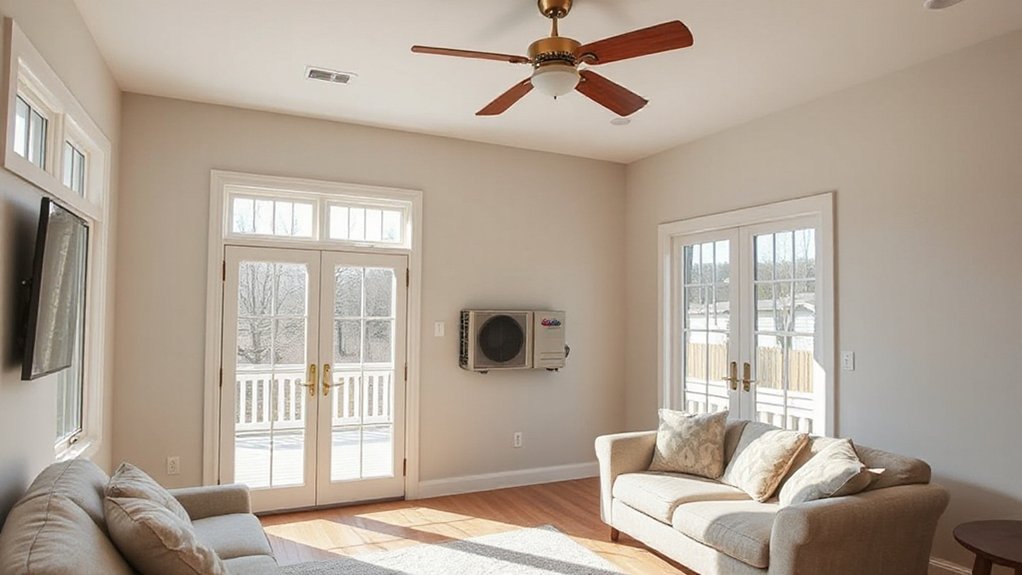
Smart buyers zero in on energy efficiency because it lowers operating costs and signals long-term value. You’ll notice that practical upgrades catch attention first, especially those with clear payback and simple operation.
When you present a home, highlight options that deliver measurable savings and comfort.
- Solar panels that offset electricity use and boost appeal
- Smart thermostats that optimize heating and cooling
- Efficient windows or doors reducing drafts and bills
- LED lighting and daylighting strategies with smart controls
- High-efficiency HVAC systems with modern filtration
Focus on real-world impact: monthly savings, reduced maintenance, and predictable performance. Avoid vague claims; quantify benefits when possible.
In conversations, show how these upgrades integrate with your home’s layout and lifestyle, reinforcing value without overwhelming buyers.
Smart Home Features That Add Selling Power
Smart home features can power up selling strength by showcasing convenience, efficiency, and control that buyers value. You’ll highlight systems that streamline daily routines and enhance safety without complicating life.
Focus on Smart security, which reassures buyers through real‑time alerts, remote access, and tamper detection, yet remains user-friendly. Pair it with Automated lighting to demonstrate energy savings and ambiance control—lights that adapt to occupancy and schedules can cut costs and elevate mood for showings.
Emphasize interoperability, so devices work together via a single app or hub rather than creating tech clutter. Outline clear benefits: lower operating costs, easier maintenance, and predictable performance.
A thoughtfully configured package helps buyers picture seamless living, reducing perceived renovation risks and boosting resale appeal.
Exterior Updates That Raise Curb Appeal Fast
Exterior updates can instantly boost first impressions and set the tone for a successful sale. You’ll raise curb appeal quickly by prioritizing cohesive design choices that reflect several architectural styles while staying true to your home’s character.
Begin with exterior materials that endure and look fresh, such as durable siding or stone veneer, then pair with a complementary palette. Focus on clean lines, functional details, and lighting that guides the eye to your best features.
- Align siding, trim, and roofing with a consistent architectural styles vocabulary
- Refresh entry doors and hardware for a welcoming focal point
- Upgrade windows where needed to improve symmetry and light
- Repaint or stain the façade to modernize the exterior materials
- Install smart, energy-efficient lighting to highlight architectural strengths
Curb Appeal Details: Landscaping and Curb Presence
A strong curb presence starts at ground level, where thoughtful planting, clean edges, and deliberate sightlines guide buyers toward your entry. You shape first impressions with low-maintenance shrubs, seasonal color, and a clear path that invites approach.
Keep beds tidy, mulch fresh, and avoid overcrowding to preserve balance with your home’s architecture. Outdoor lighting matters: place fixtures to illuminate steps, favored foliage, and the front door, creating safety and ambiance without glare.
Crisp edging defines boundaries from lawn to garden, reinforcing a polished look that travels beyond the porch. Driveway appeal benefits from repaved or sealed surfaces and a defined border that slows the eye toward the entry, not toward distractions.
Subtle improvements here can elevate perceived value while preserving practical, long-term curb appeal.
Minor Updates With Major Resale Impact
Small, thoughtful updates can yield outsized resale impact without a full renovation. You don’t need upheaval to raise value; you just need intention, tact, and a few strategic tweaks that honor the home’s character.
Focus on details that resonate with buyers: preserved lines, practical updates, and authentic finishes. When you reference vintage charm, you’re signaling timeless appeal without pretending modern equals. Maintain architectural preservation where possible while elevating functionality.
- Refresh hardware with period-appropriate finishes
- Refinish trim and doors to restore original contours
- Update lighting thoughtfully to highlight character
- Restore visible moldings and measure authentic proportions
- Upgrade window treatments to respect scale and view
These moves deliver perceptible value while preserving the home’s story and style.
Durable Materials Worth the Investment
Durable materials pay off in predictable value, offering long-term performance with less upkeep. When you choose surfaces and components built to endure, you reduce replacement cycles and maintenance costs, which strongly appeals to buyers.
Opt for high-quality flooring, cabinetry, and fixtures that resist wear while maintaining aesthetics. Luxury finishes can elevate perceived value without requiring frequent updates, provided they’re properly installed and protected.
Favor sustainable materials that stand up to daily use and have lower environmental impact, such as responsibly sourced wood, durable composites, and low-emission coatings.
Prioritize proper installation, warranty coverage, and easy-to-clean textures so upkeep stays manageable. In the long run, these choices create a durable, timeless baseline that supports resale value while minimizing future disruption.
Timeline Sequencing: Quick Wins Vs. Long-Term Upgrades
You’ll weigh Quick Wins against a Long-Term Upgrade Strategy to map out the most impactful path for resale value.
Start with practical Sequencing For Value: which projects deliver fast, visible gains, and which build lasting appeal over time.
This framework helps you prioritize what to tackle now versus later, keeping your budget focused and your goals clear.
Quick Wins Timeline
When planning a quick wins timeline, start by prioritizing upgrades that deliver visible impact with minimal disruption and cost. You’ll cover what customers immediately notice, then layer in longer-term value. Focus on tasks that refresh perception without overhauling structure. This keeps momentum and budget in check while you build confidence for bigger projects.
Use a practical sequence to maximize return and minimize risk. Landscaping aesthetics and interior lighting should appear early, creating curb appeal and brighter spaces that feel larger. Track progress, adjust for weather and access, and document outcomes to justify the next steps.
A disciplined, phased approach keeps you on tempo and ensures quick wins lead to durable resale value.
- Prioritize high-visibility, low-cost modifications
- Refresh surfaces and trim for instant polish
- Improve lighting to elevate mood and space
- Elevate curb appeal with simple landscaping tweaks
- Schedule reviews to align with budget and goals
Long-Term Upgrade Strategy
A long-term upgrade strategy balances quick wins with more substantial, value-driven projects, sequencing them to build momentum while protecting budget and timeline. You plan methodically, prioritizing improvements that yield durable appeal and measurable returns.
Start with cost-effective enhancements that refresh curb appeal and interior comfort, then schedule larger, high-impact investments. Landscaping plans should align with climate, maintenance, and neighborhood standards, offering visual payoff without overextending resources.
Integrate security enhancements early enough to deter incidents while preserving privacy and usability. Track dependencies, permitting, and supplier lead times to avoid bottlenecks.
Establish a phased calendar that teams projects by seasonality, ensuring you don’t stall progress for weather or approvals. Regularly review ROI, recalibrating priorities as market signals shift and budgets evolve.
Sequencing For Value
To maximize value, start with quick wins that refresh appeal and build momentum, then layer in longer-term upgrades that deliver durable returns. Sequencing matters because early wins draw buyers in, while thoughtful long-term moves protect equity. You’ll gain more impact by pairing high-visibility fixes with structured, lasting improvements.
Focus on timing, budget, and return on investment as you prioritize tasks. Garden landscaping creates curb appeal now; interior lighting elevates mood and energy efficiency over time.
Align projects to market expectations and your home’s condition. Use a staged plan to avoid scope creep and budget overruns.
When done well, quick wins sustain momentum and long-term upgrades compound value.
- Garden landscaping
- Interior lighting
- Quick wins
- Long-term upgrades
- Return on investment
Prioritizing Projects by ROI: A Practical Framework
Prioritizing renovation projects by return on investment isn’t guesswork; it’s a disciplined process you can apply to any home-improvement plan. You start by listing all potential improvements, then score them against cost, timeline, and net impact on resale value.
Use a simple rubric: estimated cost, expected increase in property value, and how quickly you’d recoup your investment. Consider how each project affects rental potential and property taxes, since these factors influence long-term profitability.
Next, build a phased plan that targets high-ROI upgrades first, then allocates remaining funds to complementary improvements. Don’t chase trends that don’t boost value; prioritize durable, widely appealing enhancements.
Reassess annually, adjusting for market shifts and new tax incentives, ensuring your strategy stays aligned with your financial goals.
Common Mistakes That Sap Resale Value
- Overbuilding for the neighborhood
- Neglecting essential maintenance
- Ignoring cost versus value
- Skipping professional landscaping assessment
- Mismanaging outdoor ambiance (garden landscaping, exterior lighting)
Staging Renovations to Maximize Selling Potential
When you stage renovations, you start with a decluttered first impression that lets buyers see space, not stuff.
A neutral palette keeps rooms calm and cohesive, making resale a smoother conversation with prospective buyers.
Then you map strategic space planning to showcase flow and potential, ensuring every area serves a clear purpose.
Decluttered First Impressions
Decluttering creates an immediate sense of calm and space, setting a welcoming tone for buyers from their first step through the door. You’ll reinforce selling momentum by prioritizing minimal clutter and clean surfaces that let rooms feel larger and brighter.
When you narrow focal points, you guide buyers to notice layout, light, and potential rather than possessions.
- Remove excess furniture to open traffic flow
- Clear countertops in kitchens and baths
- Tailor decor to neutral, cohesive tones
- Store personal items out of sight
- Highlight key architecture with purposeful staging
This approach sharpens first impressions, signaling a cared-for home. You’ll create an effortless, confident narrative that helps buyers envision living there, while maintaining a practical, polished presentation throughout the property.
Neutral Palette Selections
A neutral color palette anchors rooms, making spaces feel larger, brighter, and universally appealing to buyers. You’ll choose soft beiges, warm greys, and off-whites that harmonize with diverse furnishings, lighting, and architectural styles. This approach reduces personal taste clashes and speeds acceptance during showings.
Consider color psychology: calmer hues can reduce buyer hesitation and help rooms read more spaciously, while accent pieces in muted tones add depth without overwhelming.
Prioritize paint durability by selecting low-VOC formulas with scrubability for high-traffic walls and common areas. Matte or eggshell sheens minimize surface imperfections while maintaining cleanable surfaces.
Test samples in natural and artificial light at different times of day to confirm the palette’s behavior. Consistency across adjoining spaces strengthens flow and resale potential.
Strategic Space Planning
- Define clear zones for living, dining, and work
- Prioritize traffic patterns and sightlines
- Highlight storage with built-ins and smart organizers
- Integrate outdoor appeal through creative landscaping
- Align lighting with the space’s function
Financing Options That Don’t Derail ROI
Considering financing options that keep your ROI intact is essential when planning property-improvement projects. You’ll want solutions that minimize interest costs and preserve equity, so you can fund upgrades without overleveraging.
Creative financing can expand usable capital without heavy upfront outlays, such as line-of-credit terms tied to project milestones or staged funding aligned to completion progress. Shop for options that offer flexible repayment, lower interest, and favorable terms, then compare total cost of financing against projected value gains.
Prioritize projects with clear aesthetic appeal that attract buyers, yet don’t rely on flashy fixtures alone. Leverage grants, homestead improvements, or vendor incentives when available, and include contingency buffers to avoid sudden budget gaps.
A disciplined financing plan protects profitability while delivering enhanced, market-ready appeal.
Pre-Sale Checklist to Maximize Resale Value
Start with a quick spruce-up checklist to set a strong first impression for buyers. You’ll focus on essential touchpoints—repairs, cleanliness, and staging—that deliver maximum impact without breaking the bank.
This approach keeps the prep practical, measurable, and sales-ready from day one.
Prepping Quick Spruces
- Refresh entry lighting and trim around the door
- Power wash siding and sidewalks for a clean canvas
- Mow, edge, and mulch to tighten landscaping
- Add seasonal greenery to frame the entrance
- Improve home security with visible, reliable measures
Done right, these steps reinforce garden landscaping while signaling a well-kept property. You’ll notice sharper photos, quicker showings, and more buyer confidence.
Keep safety in mind and avoid overhauls that delay or distract. The goal is a crisp, inviting exterior that supports value without complicating the sale.
Checklists For Sale Prep
Create a room-by-room punch list: declutter, depersonalize, and neutralize; fix squeaks, peeling paint, and leaky faucets; test lights, smoke detectors, and HVAC filters. Schedule inspections and obtain receipts to show buyers you maintained the property.
Prioritize quick, high-impact updates—tighten hardware, refresh grout, and tidy landscaping. Include gardening tips for seasonal curb appeal that lasts beyond the open house.
Don’t forget security; install or verify home security measures and ensure exterior lighting is functional. Use the checklist to track tasks, estimate costs, and time actions to maximize perceived value and buyer confidence.
Frequently Asked Questions
How Soon Should I Start Upgrades Before Listing?
Start upgrades 4–8 weeks before listing. Focus on staging techniques and curb appeal, prioritizing quick, impactful fixes. You’ll maximize impact with fresh paint, decluttering, tidy landscaping, and a welcoming entry to attract early buyers.
Do High-End Finishes Always Boost Resale Value?
High-end finishes don’t always boost resale value; you should balance luxury fixtures with practicality. Opt for quality, durable premium materials in key rooms, avoid over-improvement, and target buyer preferences to maximize return without overspending.
Which Projects Have the Fastest ROI?
You’ll see the fastest ROI with curb appeal and luxury renovations that pay off, especially upfront. Improve entryways, landscaping, and exterior lighting, then refresh kitchens and baths; you’ll boost value while preserving a polished, practical, authoritative finish.
Are Tenant-Occupied Homes Suitable for Upgrades?
Yes, you can upgrade, but expect tenant regulations and lease implications to shape timing and scope. If objections arise, you’ll preserve rights and compliance by coordinating with landlords, securing approvals, and documenting improvements for resale value and dispute avoidance.
How to Prioritize Upgrades With a Limited Budget?
Prioritize essential upgrades first, then allocate for high-ROI improvements. Budget planning should guide you, focusing on costs, expected value, and timing. Start with fixes that deter buyers, and schedule upgrade timing to minimize market downtime.
Conclusion
You’ll boost resale value by planning, prioritizing, and pacing your upgrades. You’ll align budget with timeline, weigh risks, and protect the ROI you’ve mapped. You’ll optimize layout for flow, refresh kitchens, elevate baths, and avoid costly detours. You’ll stage with purpose, finance wisely, and cross every T before you list. You’ll harvest clarity, confidence, and curb appeal, then reap faster offers and higher returns, all while keeping your future selling story crisp, compelling, and controllable.