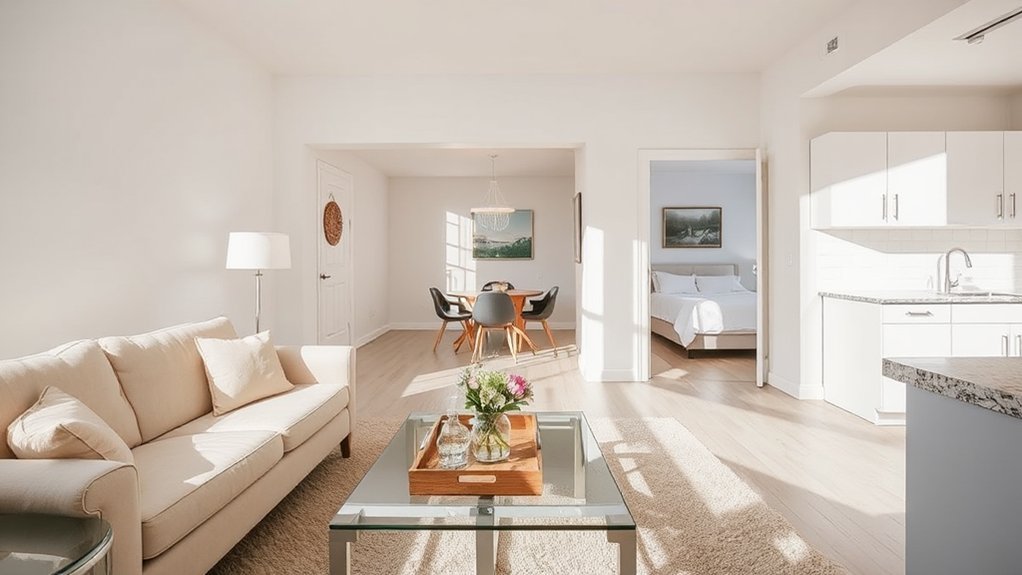

This ultimate checklist helps you sell faster by combining price discipline, curb appeal, staging, and high-impact visuals into one cohesive plan. Start with a weekend refresh to boost first impressions, then stage with a cohesive interior palette that highlights flow and natural light. Capture compelling photos and virtual tours, and design showings that feel effortless and on-brand. Streamline offers with clear deadlines and objective comparisons, then align inspections and contingencies for a swift close. Ready to accelerate your sale? More details await.
Key Takeaways
- Prioritize a fast sale by boosting curb appeal, staging, and quick interior updates to improve photo quality and buyer engagement.
- Create a seamless showing experience with scheduled tours, clear access, cohesive lighting, and virtual tour options to prequalify buyers.
- Market smarter by targeting qualified buyers, aligning incentives with market timing, and maintaining consistent listings and visuals.
- Preempt objections with polished flow, strong curb appeal, energy efficiency highlights, and honest, curated space presentation.
- Use a structured closing playbook: set deadlines, compare bids, rely on recent comps, and document terms to ensure a smooth closing.
Why a Fast Sale Improves Your Bottom Line
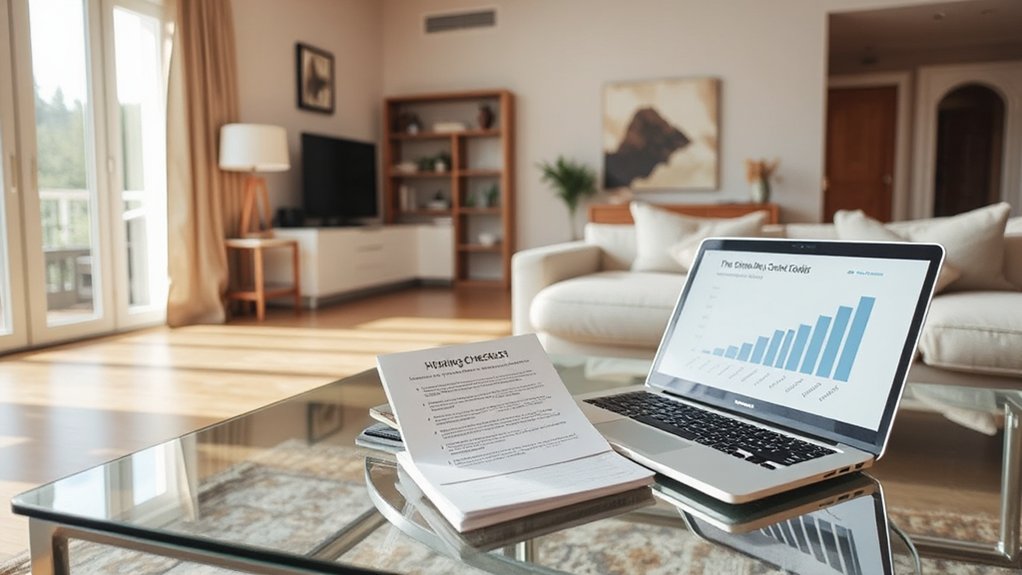
A fast sale directly strengthens your bottom line by reducing carrying costs and narrowing exposure to market risk. You optimize cash flow by shortening time on market, which lowers financing, maintenance, and utilities expenses.
Efficiently staging shows, predicts, and supports buyer confidence, helping you close sooner at a favorable price. Strategic home staging ties design intent to buyer perception, driving stronger offers and fewer price concessions.
Market research underpins every decision, revealing pricing sweet spots and comparable performance to set accurate expectations.
When you move quickly, you preserve deal integrity, minimize risk of price drift, and reduce exposure to changing interest rates. This disciplined approach also enhances your negotiating posture, enabling cleaner, closer contingencies and a smoother, more profitable close.
Price Strategically for a Quick, Profitable Sale
You price for momentum by starting with the market you’re in and syncing your list price to what buyers actually pay.
Use a rigorous comparative analysis to spot where you can set a compelling entry point without leaving money on the table.
Then adjust strategically—timing, increments, and messaging—so each price move reinforces value and speeds interest.
Price Based On Market
When pricing your home, leverage current market data to set a value that attracts buyers while preserving your bottom line. You’ll anchor price to observed market trends, not assumptions, ensuring your listing reflects real-time demand and supply dynamics.
Start with a competitive anchor that’s just below your maximum acceptable price, then calibrate with nearby comps, days-on-market, and absorption rate. Avoid overpricing traps by modeling multiple scenarios: best, likely, and conservative.
Tie your pricing strategy to design-focused presentation—curated photos, standout curb appeal, and precise disclosures—to justify value. Emphasize incremental price realism if showing traffic stalls, not random reductions.
Communicate transparently with agents and buyers about the value proposition, emphasizing durability, quality, and unique selling points. This disciplined approach promotes faster, profitable outcomes without sacrificing credibility.
Leverage Comparative Analysis
- Use recent comps to justify your target price and justify value with concrete features.
- Emphasize design-forward details that outperform similar listings in the same segment.
- Monitor shifts in Market trends to adjust strategy quickly.
Adjust Price Strategically
Strategically adjusting price is about balancing speed with profitability, not chasing the top end of the market. You’ll start with precise data, then translate it into actionable price moves.
Begin with a clear baseline from your recent market analysis, noting how nearby comparable homes performed in the last 30–60 days. Evaluate demand signals, days-on-market, and price progressions, then test a measured adjustment rather than a radical jump.
Consider tiered pricing: a competitive anchor, plus small concessions for buyer leverage. Track weekly indicators and be prepared to pivot if showings drop or inquiries spike.
Align pricing strategies with your listing’s visuals, staging, and overall presentation to sustain momentum. Stay disciplined, objective, and transparent with your agent to maximize speed and profitability.
Refresh Curb Appeal in a Weekend
A weekend refresh of your curb appeal pays off fast by creating an instant first impression that invites buyers inside. You’ll shape a cohesive, high-impact touchpoint from the street, focusing on tight, purposeful changes that execute quickly and look intentional. Prioritize forms, colors, and lighting that read as polished, not rushed.
Garden landscaping and exterior lighting guide the decisions, ensuring the façade feels cared for and welcoming. Elevate contrast with crisp borders, seasonal greenery, and low-maintenance plantings that endure.
- Polish focal points with clean lines, mulch, and edging to read as well-considered design.
- Install exterior lighting accents that highlight architecture and improve safety without glare.
- Refresh entry hardware, paint swatches, and house numbers for a cohesive, upscale look.
Stage Your Home for Quick Buyer Wins
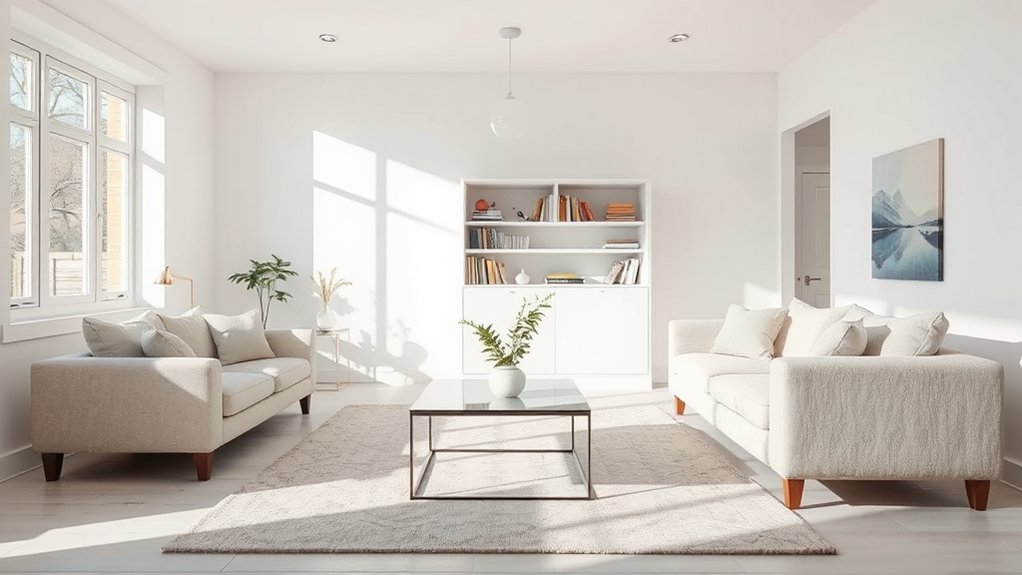
You’ve set the stage outdoors; now you tighten the interior story to make buyers envision living there the moment they walk in. Stage your home with a cohesive palette, clean sightlines, and purposeful furnishings that highlight flow and function.
Prioritize a calm, breathable foyer, then guide eyes toward open sightlines into living spaces, using balanced contrasts and textures to convey warmth. Each room should serve a clear purpose, with minimal decor that reinforces scale and proportion.
Emphasize natural light, decluttered surfaces, and strategic mirrors to amplify space. Consider subtle scent and acoustic harmony to influence buyer psychology without distraction.
Use furniture placement to imply usage patterns, not mere display. This precision—home staging done with intention—drives confident offers and faster closings.
Capture Great Photos and Virtual Tours Fast
Capturing compelling photos and virtual tours starts with prep that speeds the process and sells the space. You’ll frame rooms to highlight flow, balance, and light, then shoot in sequences that tell a confident narrative. Use Photography tips to optimize exposure, white balance, and sharpness, ensuring consistent angles across shots.
For virtual tours, plan hotspots, entrance cues, and smooth progressions with steady pacing and minimal distortion. Your setup should feel cinematic yet true to life, inviting buyers to step inside.
- Create a cohesive, inviting first impression with precise lighting and framing
- Map the tour path to maximize room-by-room impact and emotional resonance
- Leverage reliable Virtual tour tools to deliver fluid, shareable experiences
Focus, precision, and clarity drive faster offers.
Easy Upgrades That Pay Off in a Cold-Start Market
In a cold-start market, you’ll want quick kitchen updates and a fresh curb appeal boost that give you immediate visual impact.
Focus on clean lines, durable finishes, and light-filled spaces that photograph well and read as move-in ready.
These targeted upgrades yield high return by drawing in buyers who value modern design without demanding a full remodel.
Quick Kitchen Updates
Even small kitchen upgrades can yield big returns, especially in a cold-start market where first impressions matter. You’ll shape buyer perception with focused, high-impact changes that feel cohesive and intentional. Prioritize lighting and select appliance upgrades that read as modern without overreaching the budget.
This approach emphasizes design clarity, durability, and value in a compact footprint.
1) Upgrade core kitchen lighting: install layered layers (ambient, task, accent) with warm color temps to elevate space without a full remodel.
2) Refresh hardware and surfaces: swap cabinet pulls, add a durable countertop edge, and ensure clean, scratch-free backsplashes for a polished look.
3) Install energy-efficient appliances: choose sleek profiles and quiet operation to convey modern functionality and long-term savings.
These moves deliver immediate visual impact and credible everyday usability.
Fresh Curb Appeal Boosts
Fresh curb appeal sets the tone before anyone steps inside, so start with deliberate, design-driven upgrades that read as intentional investment. You’ll maximize impact with simple, high-contrast choices that resist quick obsolescence.
Begin with garden landscaping that reinforces structure: crisp lawn edges, specimen shrubs, and seasonal color bursts that echo your home’s architecture. Elevate balance by shrinking clutter and choosing one unifying material palette for planters, borders, and pathways.
Upgrade outdoor lighting to extend evenings without costing a fortune: warm, even illumination along walkways, doorways, and key focal points creates perceived value and safety.
Consider a refreshed front door color or finish to anchor the facade.
Finally, guarantee drainage and irrigation systems work quietly, so curb appeal remains pristine after rain or irrigation cycles.
Create a Seamless Showing Experience for Buyers
A seamless showing experience starts before the door opens: schedule clean, well-lit tours, pre-stage rooms to highlight flow, and provide clear access instructions so buyers don’t waste time. You’ll control impressions by aligning lighting, scent, and signage with a cohesive design narrative. Emphasize Property staging during tours, and offer concise explanations of how spaces function.
Integrate Virtual tours to prequalify interest and reduce on-site clutter. Your goal is effortless handoffs from curb to living areas, showcasing harmony and intent behind each layout.
1) Streamline access with synchronized timing, parking clarity, and door codes to minimize friction.
2) Present rooms with purposeful focal points, balanced textures, and universal design cues that resonate emotionally.
3) Follow up immediately with precise, sale-oriented reminders and optional virtual showing options.
Market Smarter: Target Qualified Buyers Fast
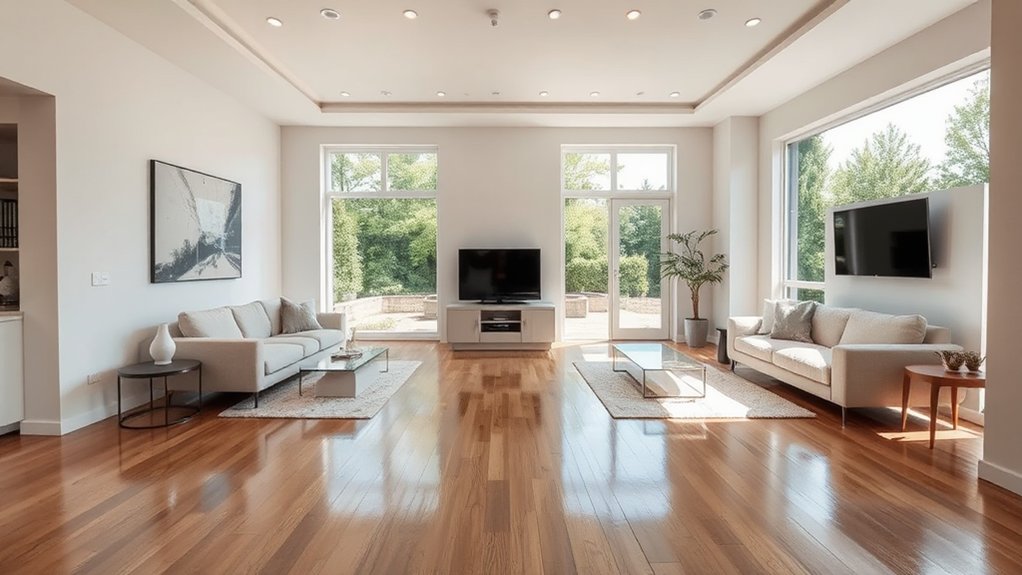
You’ll focus your marketing on qualified buyers, not browsers, so every outreach counts. We’ll deploy precise targeting and compelling listing details to accelerate engagement with the right prospects.
The result is a fast, efficient path from inquiry to showing, designed to convert interest into tangible buyer action.
Target Qualified Buyers
To sell faster, you must identify and reach qualified buyers who are most likely to close. Targeting the right audience streamlines negotiations, reduces wasted showings, and elevates perceived value. You’ll map buyer incentives and align them with precise market timing, creating a compelling path to a quick, secure sale.
Focus your outreach on profiles with demonstrated intent, financing readiness, and prior demand signals. Craft materials that speak directly to their priorities, from commute considerations to lifestyle upgrades, while preserving your home’s design integrity.
Consistency across listings, virtual tours, and open houses reinforces credibility and accelerates decisions.
- Pinpoint high-intent buyers with aligned timelines and financing readiness.
- Highlight buyer incentives that resonate now, matching market timing.
- Synchronize messaging across channels to maintain momentum and trust.
Accelerate Buyer Engagement
Accelerating buyer engagement starts with smart sequencing: target the most qualified prospects first, then move quickly with precise, value-driven messaging. You’ll design outreach around verified interest signals, aligning every touchpoint with the buyer’s needs.
Prioritize neighborhoods and property traits buyers chase, not generic features, so your message feels tailor-made. Leverage neighborhood trends to demonstrate relevance, showing how market momentum supports a timely decision.
Your communication should reflect a seller mindset: confidence, transparency, and value. Use data-backed prompts, visual cues, and concise calls to action that push engaged prospects toward viewing windows and offers.
Offset friction by pre-qualifying buyers and pre-arranging tours, trimming wasted time. With disciplined sequencing and targeted content, you convert interest into momentum, accelerating demand while preserving perceived value and a competitive edge.
Preempt Buyer Objections With Smart Prep
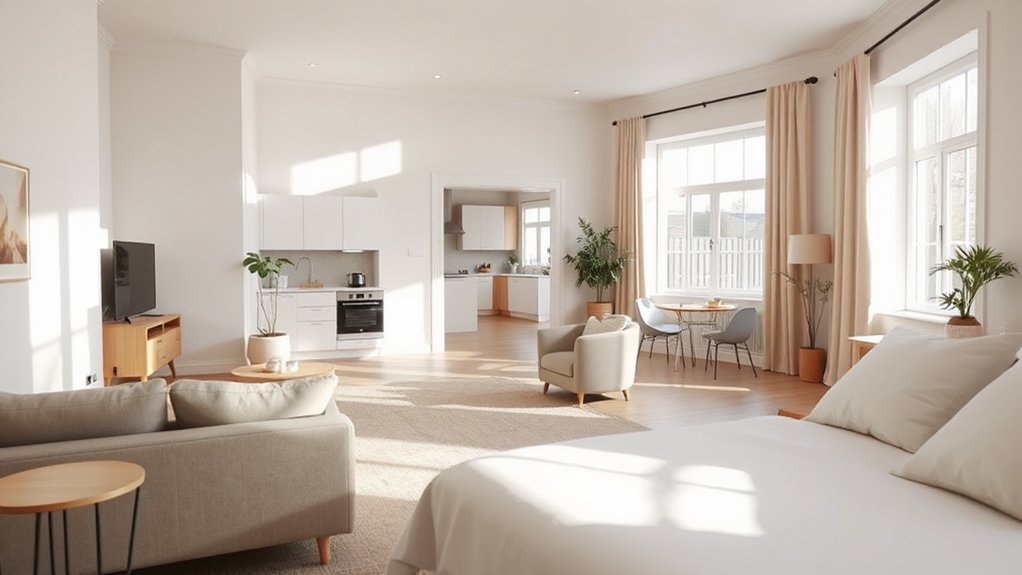
Preempting buyer objections starts well before a single showing, by shaping the home’s presentation and the buyer experience to eliminate common sticking points. You’ll leverage buyer psychology to anticipate concerns and deploy emotional appeals that align with real needs, not imagined flaws.
Focused prep translates into trust, faster screenings, and fewer renegotiations. Your space should read as effortless, meticulously designed, and honest about its strengths.
- Highlight flow and purpose: show how rooms support daily life, not just decor.
- Address concerns preemptively: curb appeal, lighting, and clean lines reduce doubt.
- Demonstrate value with context: neighborhood benefits, energy efficiency, and recent upgrades.
This approach sets expectations, reduces objections, and accelerates subsequent negotiations.
Streamline Offers: Negotiate and Accept With Confidence
Streamlining offers starts with a clear strategy: set expectations, present options, and move quickly to decision points that protect value.
You’ll structure bids by prioritizing price, contingencies, and closing timelines, then grade each offer against your non negotiables. In practice, present a concise, option-based comparison so buyers feel informed, not cornered.
When negotiating, you’ll lean on data: recent comps, market velocity, and your target net. Keep responses timely and consistent to avoid ambiguity, which erodes confidence.
Focus on transparency to reinforce Confidence building without compromising your bottom line. Use a defined playbook: acknowledge strong offers, request clarifications, and set firm deadlines.
Once aligned, accept thoughtfully, documenting all terms in writing to prevent post‑signing disputes and to preserve momentum toward a smooth closing.
Plan Inspections and Disclosures Ahead of Time
After you’ve set clear offer expectations and timelines, plan now to address inspections and disclosures proactively. You’ll reduce surprises, keep buyers confident, and protect your design-forward presentation.
With inspection scheduling and disclosure preparation, you control the narrative, reveal only what matters, and avoid last-minute scrambles. Anticipate possible findings and pre-empt them with crisp documentation and tidy records. Present a transparent, professional package that reinforces value and builds trust from the first look.
1) Create a precise inspection calendar, align it with your agent, and lock slots to minimize delays.
2) Compile clean disclosures and repair history, annotated with dates, costs, and outcomes to save renegotiation time.
3) Stage the space with clean lines, lighting, and accessibility notes that reinforce quality, not just features.
Align Closing Timelines and Contingencies for Speed
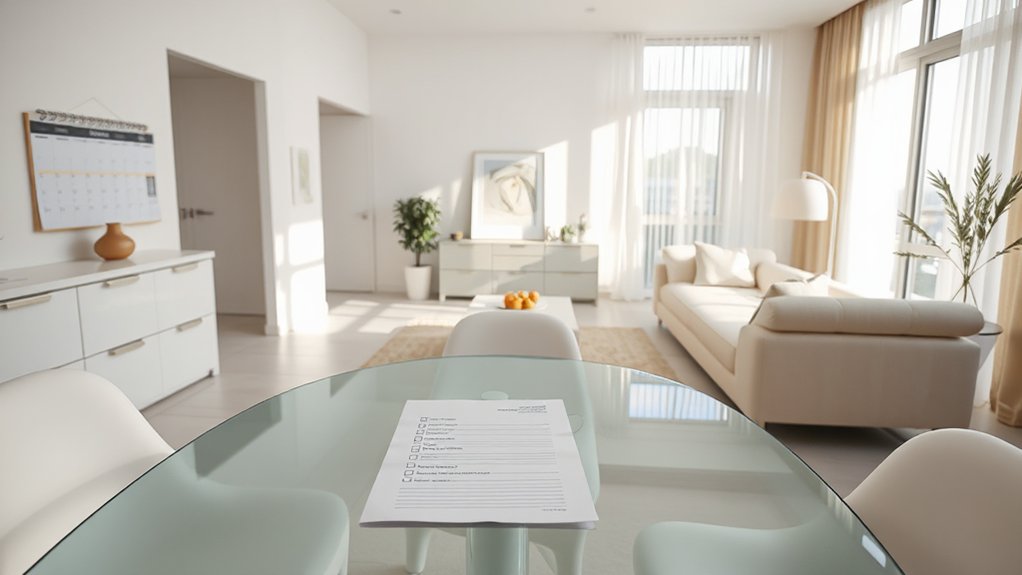
Align closing timelines and contingencies early to keep the deal moving smoothly. You’ll establish a realistic schedule up front, align lender appraisals, title work, and inspections, and prevent last-minute bottlenecks.
Close coordination between all parties is essential: your agent, buyer, lender, and escrow officer should share a single, up-to-date timeline with milestones and responsible contacts.
Integrate contingency planning into every clause, defining cure periods, appraisal gaps, and financing blockers so you can pivot quickly if conditions shift.
Proactively flag tied-up items, like repair credits or HOA documents, and confirm access for final walk-throughs.
Document decisions in writing, minimize ambiguity, and reserve capacity for expedited approvals.
This disciplined approach preserves momentum, reduces hold times, and supports a faster, smoother closing.
Post-Sale Debrief: Learn What Accelerated Your Sale
Now that you’ve aligned closing timelines and contingencies to keep the deal moving, shift focus to learning from what worked once you’re under contract and after you’ve closed. Post-sale reflections guide future pricing, staging, and responsiveness, turning sales insights into repeatable wins. Your debrief should be concrete, not ornamental, and anchored in measurable results.
1) Identify the actions that shortened days on market and quantify their impact, then institutionalize them in checklists.
2) Catalog feedback from buyers and agents to refine presentation, photography, and disclosures for the next listing.
3) Translate lessons into a streamlined post-sale process—timelines, communication cadences, and decision points—for faster future closings.
Frequently Asked Questions
How Long Does a Fast Sale Typically Take From Listing to Closing?
Typically, you’re looking at 30–45 days from listing to closing if you stage effectively and align with market timing, ensuring smooth showings, competitive pricing, inspections, negotiations, and reliable lender timelines throughout the process.
What Hidden Costs Can Delay a Quick Home Sale?
Hidden costs delaying a quick sale include staging missteps and pricing misreads. You should refine staging strategies and apply pricing tactics, ensuring design emphasis, precise disclosures, and timely inspections to prevent renegotiations and adds-ons that drag closing dates.
Can I Sell Without a Real Estate Agent for Speed?
Yes, you can sell without a real estate agent for speed. Embrace DIY selling, leverage sharp negotiation tactics, stage confidently, price strategically, handle disclosures, and coordinate showings promptly to keep momentum and minimize delays.
How Do I Handle Multiple Offers Efficiently?
You smoothly navigate offer negotiation, promptly filtering strong terms while avoiding missteps. You streamline the documentation process, documenting deadlines, disclosures, and contingencies, ensuring clarity, speed, and compliance to maximize efficiency amid multiple offers.
What Are the Top Mistakes Delaying Quick Closings?
You’re delaying quick closings by price missteps and sloppy prep. Use pricing strategies that reflect market value and implement staging techniques to showcase flow, lighting, and space, speeding decisions—don’t overprice, underprepare, or neglect curb appeal.
Conclusion
As you hand your keys to the new owner, imagine a dawn-breaking over your house’s quiet silhouette. The sale is a well-calibrated instrument, each note a demand met and a promise kept. Your curb appeal is the first spark; the photos are your compass; the negotiations, your steady drumbeat. When timelines align, you’re not rushing a finish line—you’re setting a design-forward standard. The home’s echo becomes your verifyable victory, and your next chapter begins with clarity.