
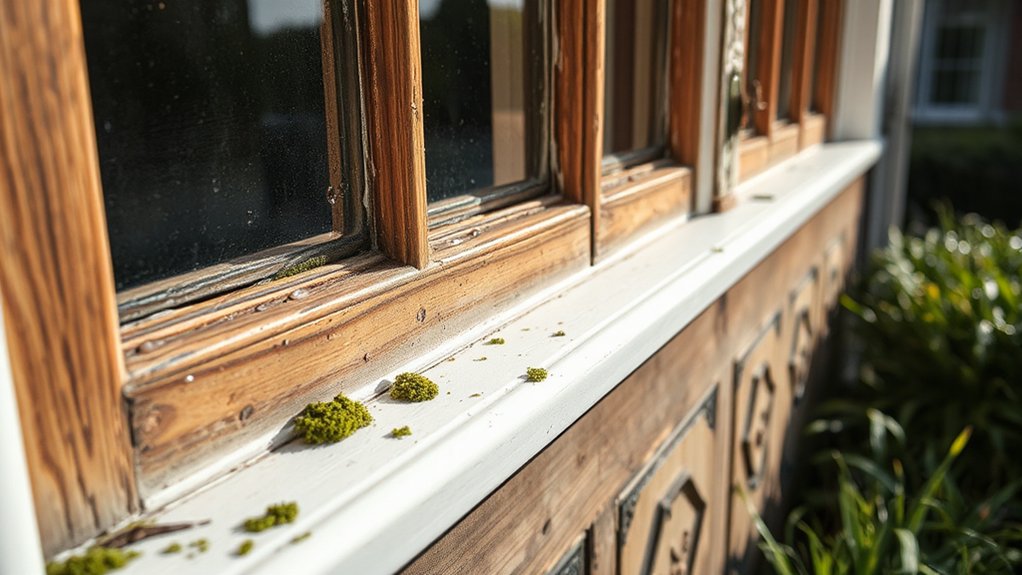

You can maintain wooden windows and doors in the UK climate by pairing regular seasonal inspections with targeted weatherproofing and careful surface prep. Look for warping, rot, gaps, and moisture symptoms, and document changes with photos. Clean and sand surfaces, repair damaged wood, and apply breathable primers before recoats. Seal all joints with flexible sealants, use backer rods for larger gaps, and consider secondary glazing for energy efficiency. With consistent care, you’ll extend life and performance, and you’ll see what comes next.
Key Takeaways
- Schedule regular inspections for warping, rot, gaps, and moisture indicators, recording findings with photos and measurements for trend tracking.
- Prepare surfaces by cleaning, sanding, and repairing damaged wood, using breathable primers and prompt re-coats to prevent moisture ingress.
- Seal sash, frame, and joint gaps with flexible weatherproof sealants and backer rods where needed to improve weathertightness.
- Choose durable exterior finishes (varnish or penetrating oil) suited to UK conditions, reapplying before damp seasons and after extreme weather.
- Maintain detailed maintenance logs for cleaning, sealing, pest control, and repairs to guide future care and compliance.
UK Wooden Window Maintenance Plan: What to Include
A UK wooden window maintenance plan should clearly define routine checks, seasonal tasks, and responsible parties to keep timber in prime condition. You’ll specify inspection frequency, coatings schedule, and repair pathways, ensuring accountability.
Include sections on Historical restoration principles to preserve heritage elements without compromising performance, and on Modern design considerations to accommodate contemporary glazing and hardware while retaining timber integrity.
Clarify materials standards, treatment types, and compatible sealants, with explicit durability expectations and replacement criteria.
Assign roles for owners, facilities teams, and contractors, plus a clear escalation path for defects.
Detail documentation requirements, including logbooks, photos, and warranty records.
Outline safety, access, and environmental controls, plus a revision process to keep the plan current with building codes and best practices.
This framework guides proactive upkeep and respect for both tradition and modern needs.
Seasonal Inspection Checklist: How to Spot Warping, Rot, and Gaps
Seasonal checks help you spot signs of warping and gaps before they worsen, so you can act quickly. Look for uneven door or window gaps and doors that don’t latch smoothly as indicators of warping.
Also, note any cracks or soft spots that signal rot. Use simple gap-detection techniques, such as a ruler or credit card test, to determine where adjustments or repairs are needed.
Seasonal Warping Signs
Have you checked your wooden doors and windows for seasonal warping signs yet? Seasonal warping clues appear as misaligned edges, sticking sashes, or frames that feel uneven when you operate them. Look for doors or casements that rub at the top or bottom, or gaps that change with humidity swings.
Warping often traces to moisture variation across seasons, so note any progressions from spring to autumn. Inspect the wood grain for unusual twists or bowing that isn’t consistent with seasonal swelling. Paint peeling, while not definitive alone, can indicate moisture behind the finish and potential warping underneath.
Record borderline changes and monitor over a few weeks. If warping persists, consult a professional to assess structural integrity and advise corrective actions.
Gap Detection Techniques
Gap detection is essential for catching alignment issues, rot progression, and hidden gaps before they compromise performance. In this technique, you inspect all edges, joints, and frame corners for daylight leaks, misalignment, or loosened joints.
Check both stationary and operative parts, testing closure and latch alignment with deliberate, measured openings and closings. Use a flat feeler or thin card to detect gaps around sashes, doors, and frames; note any area where light or drafts appear, and measure with a ruler for record consistency.
Observe decorative finishes and grain impressions that hint at moisture intrusion or movement. Plan targeted hardware upgrades where hinges or sash cords exhibit wear, and seal gaps with appropriate weatherstripping or fillers to preserve efficiency and aesthetics.
Seasonal Product Picks for UK Window Care
Spring and autumn bring the best window-care needs for UK homes, so choosing seasonal products matters. In these windows of time, select products aligned with current conditions and wood type, ensuring you read labels for ventilation, curing time, and UV resistance.
For seasonal protection, use a high-quality exterior varnish or penetrating oil, paired with a compatible primer when required. Maintain a consistent routine: clean, inspect seals, and recoat before damp months begin.
If you’re balancing restoration with design, consider Historical restoration options that preserve authentic patina while offering modern protection, and choose finishes compatible with Modern design aesthetics for a cohesive look.
Store extras in a dry, shaded place to extend shelf life and preserve efficacy.
Prep Surfaces to Prevent Peeling and Rot (and How to Do It Right)
To prevent peeling and rot, start with a thorough surface prep that removes loose material, cleans grime, and reveals sound wood. You’ll inspect for cracked grain, loose varnish, and water-backed areas, then sand to a smooth, even base.
Clean with a degreasing solution and rinse, ensuring no residue remains. Any soft, rotten, or heavily damaged sections must be cut out and repaired before proceeding.
For paint preparation, abrade glossy surfaces to a dull key to improve adhesion, and wipe away dust.
Apply surface priming to seal porosity and inhibit tannin bleed, using a primer compatible with your finish. Allow primed areas to dry fully, then re-inspect for uniform porosity and edge sealing.
You’re now ready for a durable, long-lasting finish.
Weatherproofing for UK Windows: Draughts, Damp, and Energy Loss
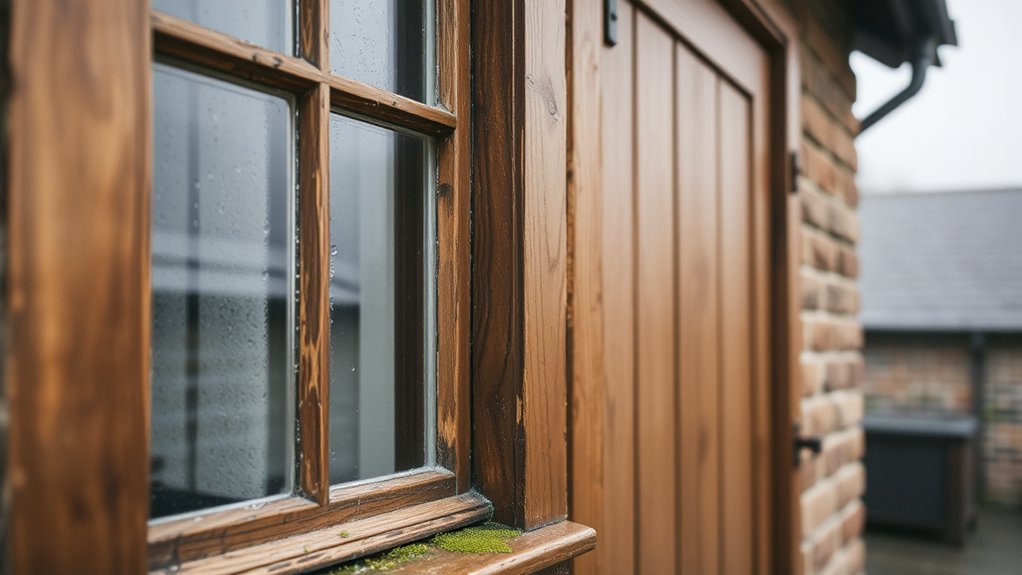
After preparing the surface and sealing porous areas, you’ll want to tackle how weather affects UK windows—draughts, damp, and energy loss. Informed insulation protects both structure and comfort, combining Historical craftsmanship with Modern materials for reliability.
Identify gaps at sashes, frames, and joints, then seal with appropriate draught excluders and sealants that tolerate UK humidity. Address damp by improving weathertightness and ventilation, preventing mold while preserving wood.
Use thermal efficiency measures that reduce heat loss, such as compliant glazing films or secondary glazing when needed, without compromising period aesthetics. Maintain ventilation to avoid condensation buildup, and monitor for warping or swelling after cold snaps.
- Gaps and joints
- Damp indicators
- Thermal efficiency upgrades
Choose Paints, Stains, and Finishes That Last in British Weather
Choosing paints, stains, and finishes that withstand British weather starts with selecting products rated for exterior use and durable UV, moisture, and temperature conditions. You’ll want full-coverage, breathable coatings that resist peeling and blistering over years of sun, rain, and frost.
Look for finishes with water-repellent properties and proven hardness against thermal cycling, and apply primer where required to optimize adhesion.
For color choices, balance aesthetic goals with UV stability; consider color trends without sacrificing film integrity.
When selecting historical finishes, guarantee compatibility with timber species and existing substrates to avoid infiltration or coating failure.
Always follow manufacturer recoat intervals and surface preparation steps.
Color trends guide updates, while historical finishes preserve character and longevity.
Gentle Cleaning Routines That Protect Timber Without Harsh Chemicals
Gentle cleaning routines protect timber by removing dirt and residues without weakening the coating or timber fibers. You can preserve integrity by using plain water, soft cloths, and non-abrasive tools, avoiding harsh chemicals.
Target surface grime with gentle scrubbing to lift dust without abrading finishes. Choose eco friendly cleans designed for timber, and test on a hidden area first to confirm compatibility.
Limit soaking time to prevent moisture intrusion, then dry thoroughly with a lint-free cloth. Schedule routine cleaning after rain or dew to minimize streaks and staining.
Revisit protective coatings after cleaning to maintain barrier effectiveness and resistance to UK climate swings.
- Eco friendly cleans paired with careful, gentle scrubbing
- Soft scrubbing tools and minimal moisture
- Spot-clean tests before full application
How to Manage Swelling, Gaps, and Misalignments Like a Pro
You’ll start by spotting what triggers swelling, like moisture swings or seasonal changes, so you can address them early.
Then you’ll learn to seal gaps properly with appropriate materials and techniques, ensuring a tight, durable fit.
Finally, you’ll align doors safely by following step-by-step adjustments and avoiding over-torquing hardware.
Detect Swelling Triggers
Swelling in wood doors and windows happens when moisture fluctuates, so the first step is to identify what triggers it. You’re aiming to pinpoint why doors and frames tighten or loosen between seasons, so observe seasonal humidity shifts, wood species, and exposure to damp interiors.
Common triggers include high indoor humidity, direct sunlight, and poor ventilation, which drive moisture absorption or loss. Pinpointing triggers lets you target remedies before misalignment progresses, and it supports paint adhesion by reducing interior moisture that causes substrates to warp.
- Monitor seasonal humidity fluctuations and note periods of rapid change
- Check interior ventilation and proximity to moisture sources
- Assess finish integrity and paint adhesion under varying humidity
Seal Gaps Properly
To keep gaps from enlarging as humidity shifts, seal them properly with a moisture‑friendly approach. You’ll first inspect the frame for cracks, then choose flexible sealants that accommodate movement without cracking.
Use paintable, weatherproof coatings around edges to form a continuous barrier against damp, drafts, and seasonal swelling. Apply in thin, even beads and tool smooth to avoid air traps.
For larger gaps, backer rods provide a stable base before caulking, ensuring the seal remains elastic over time. Prioritize products labeled for exterior timber and UK conditions.
Regularly refresh seals as part of maintenance, especially after painting or weather extremes. This practice also aids Pest prevention by limiting entry points and moisture-loving nesting sites.
Maintain consistent care to protect structure and finish.
Align Doors Safely
If doors stick or misalign after weather shifts, you can restore proper operation by diagnosing the hinge, frame, and sill before taking targeted adjustments.
You’ll approach door alignment with a systematic plan: verify the hinge fit, check for warping, and test the latch alignment. Use precise hinge adjustment to even gaps without forcing the door.
Address sagging by shimming beneath hinges or re-boring screw holes, ensuring the vertical plane is true. Avoid over-tightening; small increments yield steady results.
Once the frame sits plumb, recheck weather sealing and hardware function. Document changes to guide future tweaks.
- Key indicators for door alignment
- Steps for hinge adjustment
- Quick checks after realignment
Spot Rot Early in Timber and Start Simple Restoration
Spot rot often starts quietly, beneath the surface where moisture settles and wood fibers begin to break down. You’ll spot early signs by inspecting grain texture and unseen core damage, not just surface changes.
When you find soft, discolored spots, don’t delay: plan a simple restoration approach. Gently remove loose paint and dust, then dry the area so moisture can’t linger.
Scrape to reveal solid timber, then treat with a wood preservative to halt fungus and treat decay-prone zones. Focus on the timber grain to assess depth, and avoid over-scraping healthy areas.
If paint peeling is widespread, consider sealing with a breathable primer before repainting. Maintain ventilation, fix leaks, and recoat promptly to protect against future moisture intrusion.
When to Repair Versus Replace Windows (and When to Call a Pro)
Deciding whether to repair or replace windows depends on damage extent, cost, and long-term goals. You weigh structural integrity, energy performance, and historical preservation against renovation practicality and future maintenance.
If framing is sound, panes repairable, and finishes salvageable, you save money and retain character, aligning with historical preservation.
When cored sills or rot threaten safety, replacement becomes sensible, especially if glazing units are inefficient or irreparable.
If you’re aiming for modern design efficiency, you may prefer selective upgrades rather than full swap-outs.
For complex cases, call a pro to assess lead concerns, warrantied outcomes, and code compliance. A professional can balance authenticity with performance, ensuring durable results without unnecessary overhauls.
- Historical preservation considerations can guide cost-effective, respectful decisions
- Modern design goals may drive targeted replacement over full renovation
- Call a pro when uncertainty risks safety or code violations
Budget-Friendly Maintenance Tricks for UK Wooden Windows
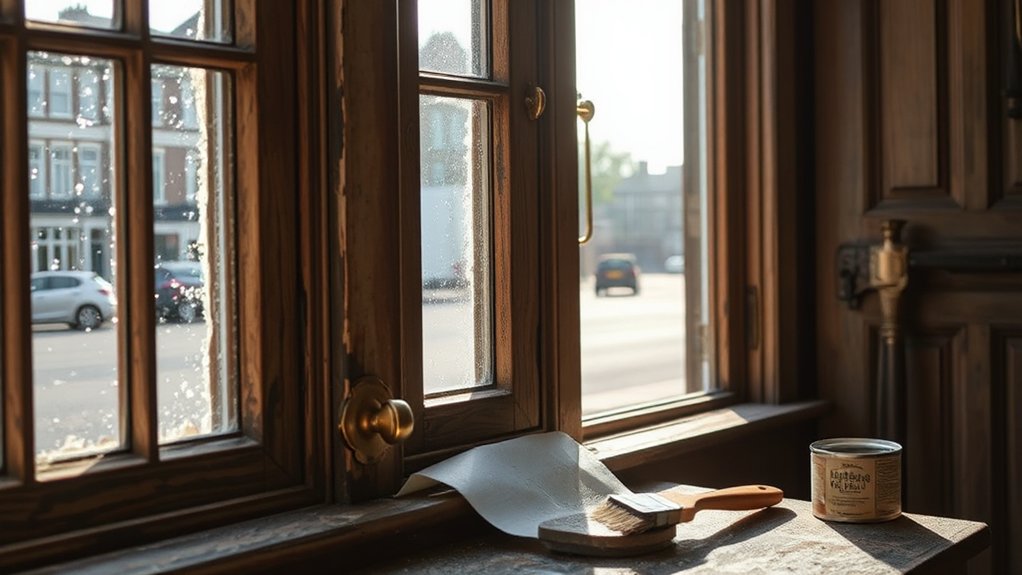
You can protect your wooden windows on a budget by prioritising simple, proactive care that suits UK conditions. Regular inspections for cracks, gaps, and peeling varnish help you address issues before they escalate.
Seasonal cleaning keeps wood breathing and finishes intact. Use cost-effective, exterior-grade products and maintain a consistent maintenance schedule to extend life without overspending.
Budget-Friendly Wood Care
You’ll protect joints and surfaces by regular dusting, mild cleaning, and quick touch-ups before deterioration sets in. Use a quality, water-based finish when gaps arise, and choose breathable products to support longevity and easy maintenance.
Integrate wooden decor considerations by matching finishes to room style, not just price, and embed sustainability practices through refillable cans and minimal solvent use. This approach keeps aesthetics intact while reducing waste and environmental impact.
- Clean with a soft cloth and mild soap, then recoat when sheen fades
- Patch small cracks promptly with compatible filler
- Reapply finishes using low-VOC, water-based products
UK Climate Maintenance
In the UK, wooden windows endure varying moisture, temperature swings, and seasonal rainfall, so budget-friendly upkeep focuses on proactive sealing and timely protection. You’ll prioritize high-quality sealants and weatherproofing strategies that withstand dampness without frequent reapplication.
Begin with a thorough inspection for gaps, cracks, and peeling paint, then seal and fill as needed to stop moisture ingress. Choose breathable primers and finishes to allow wood to dry naturally, reducing warping risks.
Apply UV-resistant coatings to guard against sun damage; recoat every few years based on wear. Consider historical restoration techniques for authenticity in listed or period homes, but integrate modern design elements to improve longevity.
Routine cleaning prevents buildup that masks issues and informs timely maintenance decisions. Consistent care preserves aesthetics, value, and performance.
Monthly, Quarterly, and Annual Care Calendar for Timber in the UK
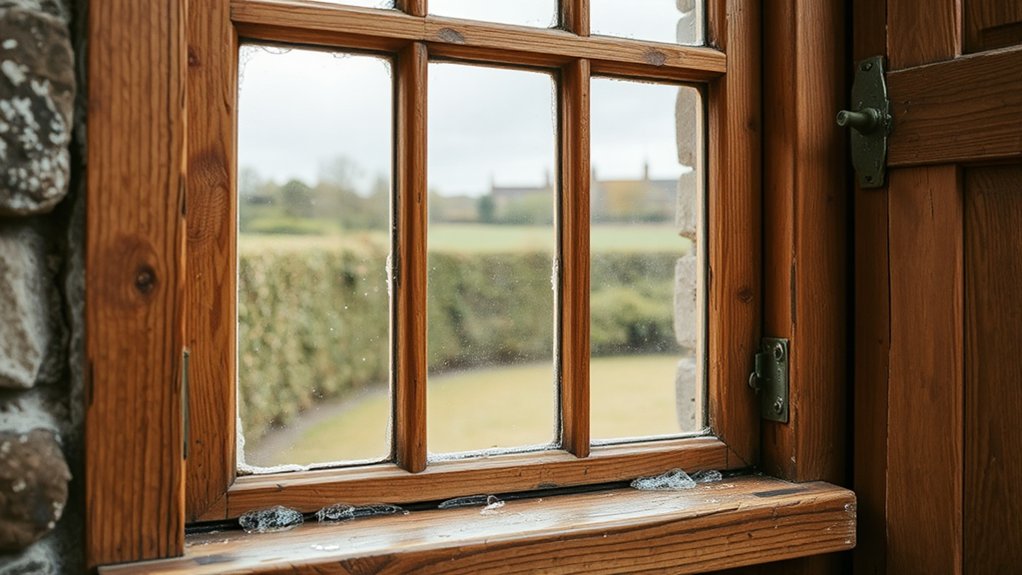
A practical care calendar for timber in the UK organizes tasks by month, quarter, and year to protect wood from moisture, decay, and weathering. You’ll focus on preventive steps, timely maintenance, and records that track coatings, inspections, and treatments.
Each month targets moisture control, cleaning, and minor repairs. Quarters add re-sealing, pest control planning, and hinge or hardware checks. Annual tasks cover full surface inspection, reapplication of finish, and structural assessment.
Use a durable wooden finish, matching climate needs, and log results for consistent upkeep. Adapting to seasons helps you avoid costly damage and ensures lasting performance.
- Schedule seasonal inspections and re-coats for doors and windows
- Track finishes, caulking, and pest control interventions
- Maintain a clear maintenance log for reference
Frequently Asked Questions
How Often Should I Reseal Timber Windows in the UK Climate?
You should reseal timber windows every 3–5 years in the UK climate. Prioritize inspecting for paint peeling, then recoat with durable wood preservation products to prevent moisture ingress and preserve longevity, avoiding gaps or missed seams in your seals.
Can I Repair Minor Rot Without Replacing the Whole Frame?
Yes, you can repair minor rot without replacing the whole frame. Use wood treatment to stabilize remaining wood, remove soft rot, and seal. Consider frame reinforcement with a through-bix or steel plate for added support and durability.
What Signs Indicate Wood Has Soaked up Too Much Moisture?
Dry wood shows cracks and seams widening, soft spots, and warped panels—your cue that moisture absorption has occurred. Watch for wood expansion, swelling, and a musty odor, indicating excess moisture absorption and potential rot risk. control promptly.
Are There Eco-Friendly Finishes That Last Longer Outdoors?
Eco friendly varnishes exist that last outdoors, pairing durability with low environmental impact. You’ll want trusted, sustainable finishes that resist UV and moisture. Choose products labeled eco friendly varnishes and sustainable finishes for longer-lasting wood protection.
How Do I Test for Hidden Wood Damage Behind Paint?
Check for hidden damage by tapping, probing, and peeling—and listen for hollow spots, even behind paint. Then assess paint adhesion and surface preparation, ensuring clean, sound substrate before repair, restoration, and repainting.
Conclusion
Maintaining timber windows in the UK isn’t a one-off task—it’s ongoing care that saves money and preserves character. Do seasonal checks, seal gaps, and treat surfaces before peeling or rot appears. Address issues early, and when in doubt, call a pro. Think of your maintenance plan as a sturdy ship’s hull: regular inspections keep leaks out, weatherproofing keeps energy in, and proper restorations keep your views crystal clear for years to come. Stay proactive, stay protected.