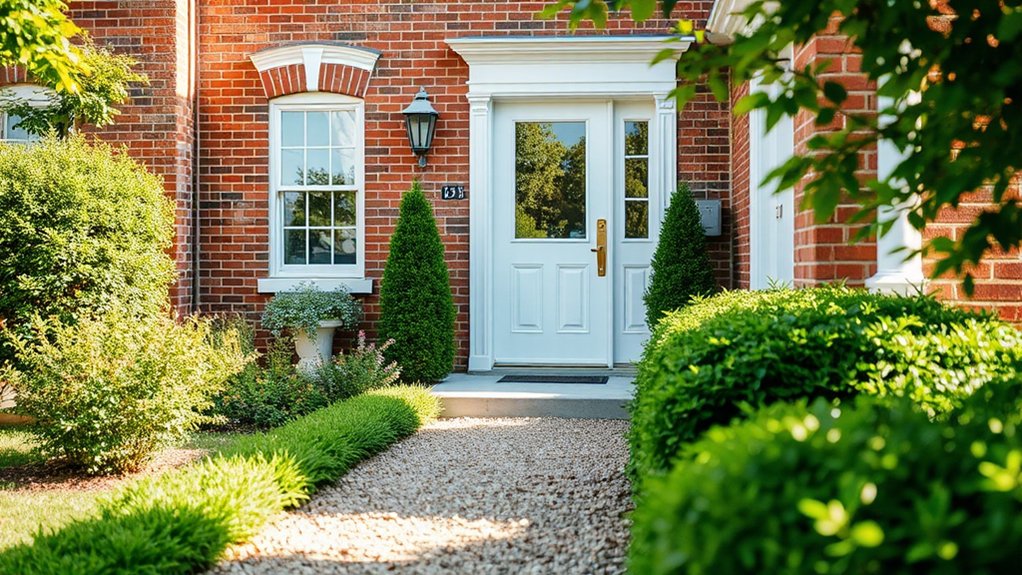

Boost curb appeal by prioritizing a welcoming entry, cohesive landscaping, and durable finishes. Start with a clear path to the door, inviting lighting, and a refreshed front door color and hardware. Layer landscaping with seasonal color, mulch, edging, and thoughtful focal points, then guarantee your exterior textures read as a cohesive story. Maintain windows, trim, and surfaces to keep grime at bay, and incorporate quick, budget-friendly upgrades for immediate impact. Stay tuned for practical steps you can apply today.
Key Takeaways
- Refresh entryways: declutter the approach, add welcoming lighting, weather-resistant seating, and seasonal accents for immediate curb appeal.
- Upgrade exterior finishes: repaint trims uniformly, seal gaps, maintain windows, and harmonize textures and palette across walls, roof, and pathways.
- Enhance landscaping: use layered plantings, mulch, edging, and pathway lighting to create color, depth, and focal points.
- Improve lighting and materials: install layered, weatherproof lighting and durable driveway/patio materials with clean edges.
- Maintain and refresh regularly: keep debris away, clean surfaces, prune seasonally, and perform minor upgrades to sustain value and perception.
What Curb Appeal Really Means for Your Home: Value, Mood, and Maintenance
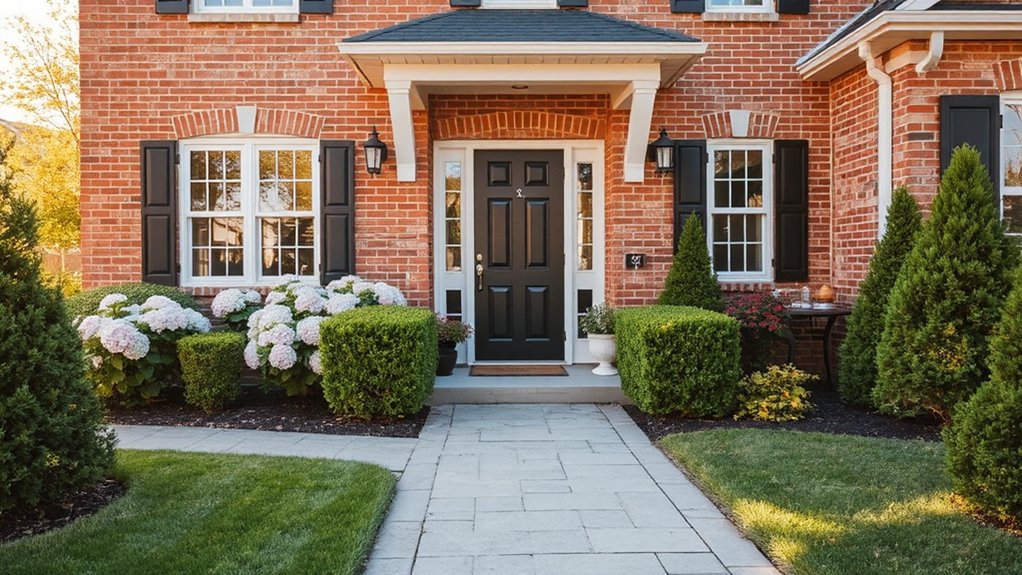
Curb appeal isn’t just about looks; it shapes your home’s value, sets the mood for daily life, and signals how well you maintain the property. When you focus on exterior aesthetics, you reinforce a perception of care that can boost appraisal potential and resale confidence.
Your landscaping, siding, roof, and walkway collectively create first impressions that echo long-term maintenance habits. Neighborhood influence matters: a cohesive streetscape strengthens perceived value and can even affect insurance considerations.
By prioritizing durable materials, tidy edges, and consistent color schemes, you project reliability and taste. Small, deliberate upgrades—clean gutters, refreshed trim, and crisp fencing—demonstrate ongoing stewardship.
In short, thoughtful curb appeal aligns your home’s character with its market and the daily experience of living there.
Entryway Upgrades You Can Do in Hours
You can transform your entryway in just a few hours with a handful of focused upgrades. Begin by decluttering the approach and guaranteeing a clear, welcoming path.
Add lighting that highlights key features—wall sconces or a small stake light, positioned to avoid glare.
Introduce a compact bench or sculpted seating area with weather-resistant cushions for function and curb appeal.
Integrate garden furniture thoughtfully to create a vignette without crowding the doorway.
Place outdoor art at eye level to draw the eye inward and set a polished tone.
Use a durable doormat and ensure trim is fresh and painted.
Finally, keep seasonal accents simple and swap them as needed to maintain a curated, timeless look.
Refresh Your Front Door: Color, Hardware, and Style
Your front door sets the tone for your home’s first impression, so start with a color that complements your siding and landscaping.
Next, refresh hardware and style with durable finishes that withstand weather while keeping maintenance minimal.
Then test a few options—paint swatches, mock hardware, and proportion—so you land on a look that feels both welcoming and timeless.
Front Door Color Choice
Choosing the right front door color is a quick, high-impact way to set the tone for your home. To choose confidently, assess your exterior palette and your personal style, then test color swatches in natural light.
Consider how the hue complements the main siding, trim, and roof without clashing. Remember that color communicates mood: bold tones can energize a facade, while muted shades emphasize architectural details.
When selecting, think about durability and maintenance—paint finishes matter: matte hides flaws, satin offers durability and easy cleaning, and gloss accents trim and hardware.
Explore front door styles nearby for inspiration, then narrow to two or three contenders. Finalize with a sample on a small painted panel to confirm harmony across profiles and shadows.
Hardware And Style Update
After settling on a front door color that complements your home, it’s time to refresh the hardware and style to complete the look. Begin with a cohesive hardware package: door handle, knocker, and address numerals should share a common finish—oil, satin nickel, or aged bronze. Avoid mismatched tones; simplicity strengthens curb appeal.
Consider updating the door hardware size to suit door scale, guaranteeing smooth operation and security. Next, evaluate lighting and outdoor fixtures; choose fixtures that enhance the door without overpowering it. A sleek wall lantern can frame the entry with warmth and practicality.
Finally, integrate subtle decorative elements like garden sculptures near the approach and confirm materials weather uniformly. Small refinements—well-chosen outdoor fixtures and tasteful garden sculptures—create a polished, lasting impression.
Landscaping Tweaks That Make a Lasting First Impression
Seasonal plantings set the tone year-round, while year-round color keeps your curb vibrant even in off-peak months.
Smooth pathway lighting upgrades guide visitors to your door, and thoughtful mulch and edging techniques define beds with neat, lasting contrast.
Start with a simple plan that layers color, texture, and lighting around the elements you already have to create an inviting, durable first impression.
Seasonal Plantings, Year-Round Color
Seasonal plantings and year-round color aren’t just about looks—they’re a smart way to keep your garden vibrant and welcoming through every season. You’ll benefit from a thoughtful mix of seasonal blooms and hardy perennial plants that shift smoothly as weather changes.
- Plan a core framework of perennials for structure, then layer in seasonal accents to extend interest.
- Use mulch and proper spacing to reduce maintenance while preserving color.
- Choose a palette that shifts: cool-toned spring, warm summer, and rich autumn tones.
- Invest in containers for portable color that complements ground plantings.
With this approach, you deliver consistent curb appeal, conserve water, and simplify upkeep while enjoying perennial plants that endure year after year.
Pathway Lighting Upgrades
Use a mix of low-voltage, energy-efficient fixtures to minimize glare while delivering even illumination along steps and paths. Position lights to cast gentle shadows on garden sculptures, creating visual interest without overpowering the scene.
Consider incorporating wall-mounted sconces at doorways and bollard lights at intervals for rhythm and guidance. Integrate optional accent lighting for outdoor furniture and seating areas, drawing attention to focal landscaping features.
Make certain you choose weatherproof finishes and simple maintenance routines to preserve brightness and color. Finally, test the system after dusk to confirm consistent coverage and impact.
Mulch and Edging Techniques
Mulch and edging are quick, high-impact tweaks that define layers and clean lines in your landscape. When you choose mulch, pick a color that complements your home and garden beds, then refresh annually to keep moisture retention and weed suppression ideal.
Edging should be crisp and durable, using metal or plastic profiles that resist warping and maintain a tidy boundary around lawns and beds.
Add garden sculptures as focal points, placing them at eye level for the best visual impact.
For seating areas, install a simple outdoor seating nook near the mulch edge to extend inviting space without clutter.
- Match mulch color to your home’s tones
- Use rigid edging for clean lines
- Space sculptures thoughtfully
- Position seating to frame views
Lighting That Highlights Architecture and Guides the Eye
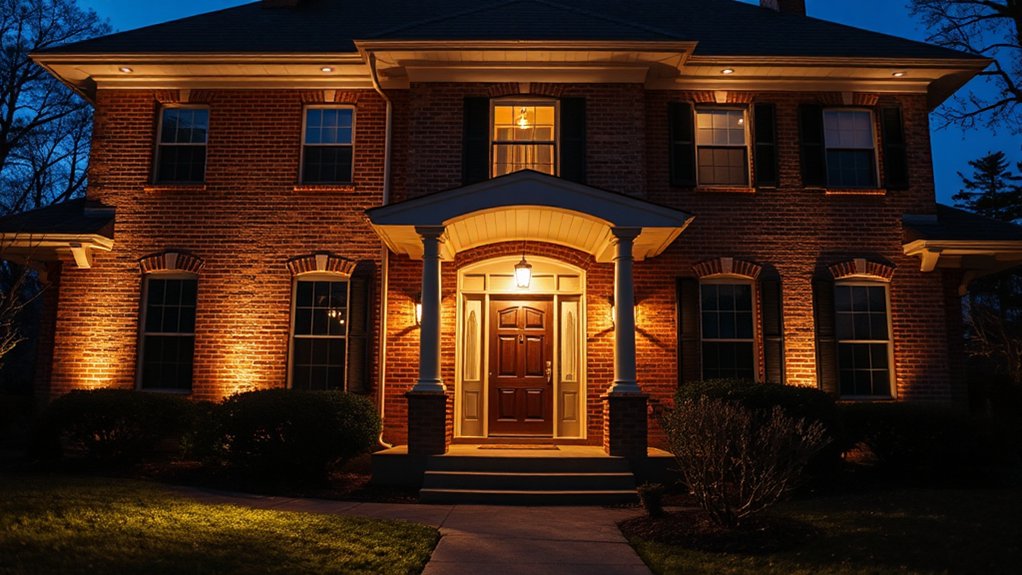
Create layers with a mix of wall, ground, and planter lighting so shadows sculpt depth rather than wash everything evenly. Use wider beams for facades to reveal massing, and narrower optics at entry sequences to direct attention toward the door.
Consider integration with landscape cues—garden symmetry can echo balanced lighting, while driveway materials deserve thoughtful illumination to prevent harsh contrasts. Keep wiring concealed and choose durable, weather-rated fixtures for longevity and curb appeal.
Add Character With Exterior Finishes and Accents
Exterior finishes and accents are where you translate architectural intent into character, so choose materials and textures that tell a cohesive story with your home’s massing. You’ll reinforce what you’ve built by selecting finishes that meet durability needs while adding tactility and nuance. Focus on how wall textures, trim details, and color work together to create a unified expression.
- Mix materials thoughtfully to create contrast without chaos.
- Use garden pathways as a guide to how foreground textures read from the curb.
- Apply contrasting wall textures on accent facades to highlight massing changes.
- Keep a disciplined palette to ensure coherence across materials.
Together, these steps deliver character that ages gracefully and invites closer inspection.
Budget-Friendly Driveway and Path Upgrades for Curb Appeal
Consider budget-friendly upgrades that make a visible impact: choose paving materials that balance cost and durability, such as concrete pavers or compacted gravel, to refresh the surface without a full replacement.
Add definition with clean edging to separate drive and pathway zones, using affordable options like rope or metal edging for crisp lines.
Elevate nighttime visibility by installing low-cost, temperature-friendly lighting along the path, ensuring safety and curb appeal without overhauling the landscape.
Paving Material Choices
When choosing paving materials on a budget, start with practicality and long-term value in mind. You’ll balance cost, maintenance, and aesthetic impact to maximize curb appeal without overreaching.
Consider durable options that wear well and resist staining, while still offering texture and contrast. To help you decide, here are practical picks:
- Pavers in concrete or brick for classic, timeless appeal
- Gravellike aggregates with a stabilizing base for permeability
- Interlocking concrete tiles for easy repair and modular layouts
- Porous asphalt or clay textures that blend with garden scenes
Edging For Definition
Edging defines the line between driveway or path and surrounding yard, sharpening curb appeal without a big budget. You’ll create clean, deliberate boundaries using affordable materials that stand up to weather and foot traffic.
Consider a shallow, exposed-aggregate concrete edge for durability, or compacted gravel with a border to prevent spillover and keep maintenance minimal. Long, continuous lines visually widen driveways and guide pedestrians toward entry points.
For a refined look, use uniform edging profiles—straight, rounded, or beveled—matching your paving style. Integrate garden sculptures at focal points along the edge to add character without crowding space.
If you’re aiming for serenity, place subtle water features where sound travels toward seating or entry, enhancing appeal while remaining low-cost and low-maintenance.
Lighted Pathways Upgrade
Lighting a path doesn’t have to break the bank. You can upgrade with practical, low-cost strategies that boost curb appeal and safety. Use solar lighting to minimize wiring and maintenance while maximizing efficiency. Pair these with durable pathway materials to withstand weather and foot traffic, preserving a crisp look.
- Choose solar stake lights along the edges for even illumination without trenching.
- Opt for modular pavers or crushed gravel to create a defined, navigateable route.
- Install low-profile in-ground LEDs to wash the path without glare.
- Use warm white bulbs to complement entry lighting and landscaping.
Keep spacing consistent, aim for 6–8 feet between fixtures, and test dusk-to-dawn performance. This approach delivers polished, cost-conscious results you can enjoy nightly.
Windows and Trims: Clean, Consistent, and Refreshed
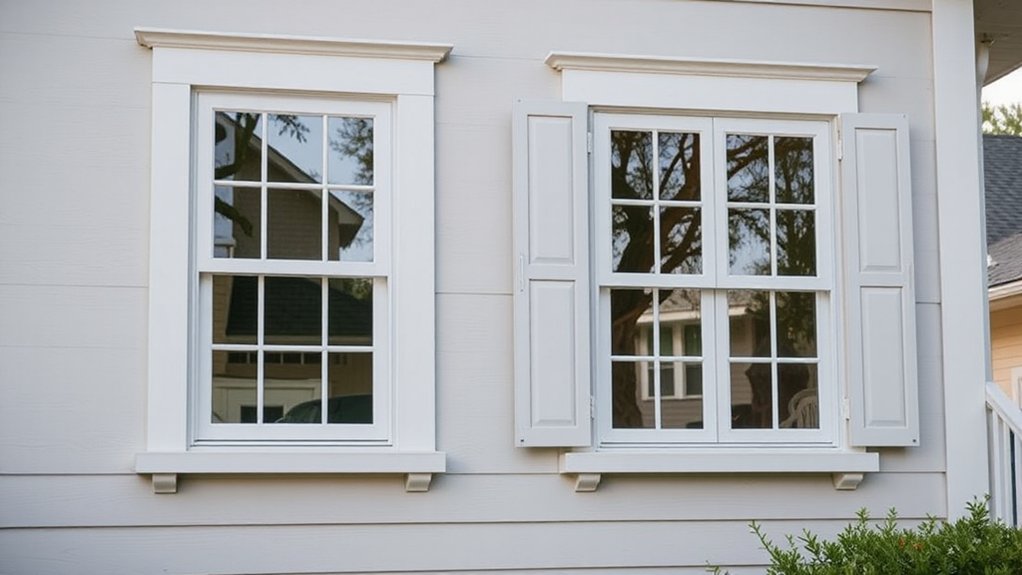
Clean windows and coordinated trims instantly lift a home’s curb appeal. With a focused approach, you guarantee consistency from frame to facade, avoiding mismatched hues or warping that draw the eye.
Begin by evaluating every window—glass, sashes, and trim—for dirt, peeling paint, or condensation. Plan a two-step process: Window cleaning to restore clarity, then trim repainting to unify color and finish.
Use exterior-safe cleaners, non-scratch tools, and a mild test patch on wood or PVC surfaces. Choose a single, durable shade for all trims to reinforce cohesion.
Address caulk gaps and sealants to prevent moisture intrusion. Regular maintenance, done now, prevents larger renovations later and keeps your home looking polished and inviting all year long.
Seasonal Curb Appeal: Year-Round Tweaks That Work
Seasonal color shifts keep your home looking fresh, no matter the month, while year‑round plant care supports a healthy, low‑effort landscape.
You’ll tweak plant selections and accents for each season, and maintain consistent irrigation, pruning, and mulching to prevent wasteful stress.
With smart planning, these small adjustments become a reliable, polished curb appeal that lasts all year.
Seasonal Color Shifts
- Plan seasonal color shifts around planting schedules to guarantee continuous interest.
- Use 2–3 core colors and introduce accents for contrast across seasons.
- Update container compositions quarterly, not yearly.
- Maintain clean edges and mulch to sharpen color reads and longevity.
This approach keeps your property polished, practical, and inviting, with expert, concise guidance that respects budget and effort.
Year-Round Plant Care
In winter, prioritize winter pruning to shape silhouettes, remove deadwood, and reduce disease risk, keeping plants tidy without crowding beds. Use mulch to insulate roots and conserve moisture, then inspect irrigation lines for leaks.
As spring arrives, refresh beds with a light weed pull and a slow, deep watering schedule to encourage strong establishment.
Summer demands drought resistance strategies: mulch heavily, choose native or drought-tolerant varieties, and group thirsty plants with companion species to reduce water waste.
In fall, cut back selectively, protect new growth, and prepare containers for winter.
Consistency builds enduring kerb appeal without constant rewrites.
Smart Exterior Upgrades You Can Install Yourself
- Plan lighting: install dusk-to-dawn LEDs to highlight features and deter intruders.
- Refresh hardware: update door handles, house numbers, and mailbox for cohesive detailing.
- Add planters: use weather-resistant containers to frame entry points and soften edges.
- Install simple panels: create visual interest with low-maintenance cladding or trellises.
These upgrades align with expert guidance, delivering crisp, lasting curb appeal.
Budget Decor Ideas to Boost Curb Appeal Today
Budget decor ideas can dramatically lift your home’s curb appeal without breaking the bank; with a few targeted tweaks, you can create polished, inviting exterior spaces today.
You’ll start with a restrained palette and strategic focal points, avoiding clutter. Place Garden sculptures at eye level along pathways to create immediate interest without overwhelming the facade.
Choose Outdoor artwork with weather-resistant finishes to withstand seasonal exposure, and mount it at height that’s visible from the street.
Fresh, bold yet complementary planters add color and texture, while simple lighting highlights features after dark.
Upgrade with inexpensive, durable hardware on gates and mailbox, plus a clean, defined border between lawn and bed areas.
These cost-conscious moves deliver high impact while preserving elegance and balance.
Maintenance Routines That Protect Curb Appeal Year-Round
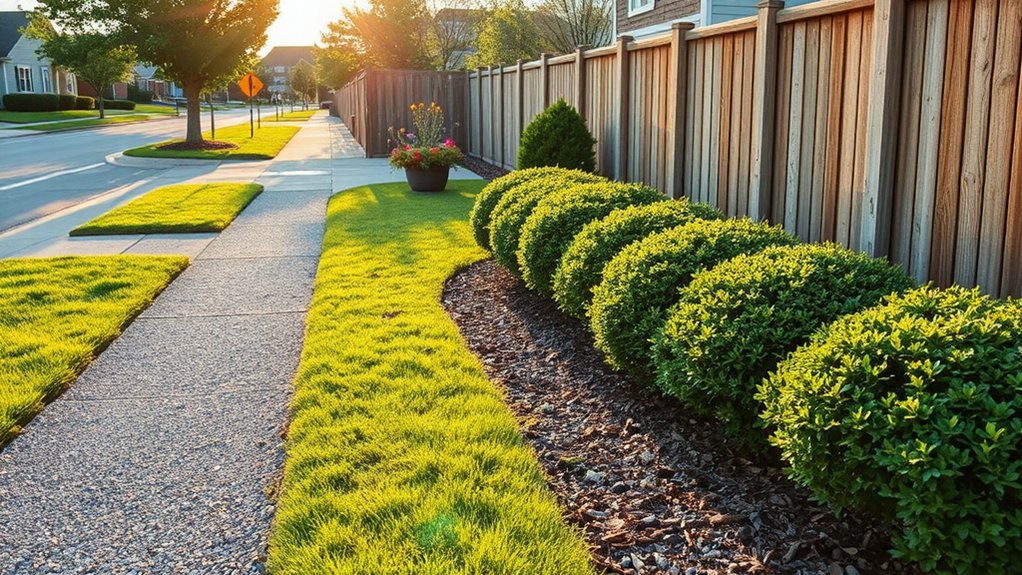
Maintaining curb appeal isn’t a set-it-and-forget-it task; it’s a series of simple, seasonal checks that keep your exterior looking polished. To protect year-round appeal, establish durable routines for Rainproof roofing and gutter maintenance, then stick to them.
- Inspect and clean gutters monthly, removing leaves and debris to prevent staining and water damage.
- Check roof fasteners, flashing, and seals each season to avert leaks and preserve lines.
- Trim overhanging branches to reduce debris buildup and moisture on walls.
- Inspect exterior paint and sealant for chips; touch up promptly to deter moisture penetration and aging.
A targeted maintenance schedule minimizes costly repairs and preserves curb appeal, rain or shine.
Color Psychology: Choosing Hues That Boost Curb Appeal
Color is a powerful shortcut to curb appeal, and choosing hues with psychology in mind helps you create an inviting, cohesive facade. You’ll pair exterior color with architectural lines to influence perceived scale and warmth, using energizing tones for inviting doorways and calmer neutrals for balance.
Consider how color affects mood; a front door in a bold accent communicates personality, while lighter trim expands narrow facades. Align schemes with adjacent landscapes to reinforce harmony and curb presence.
In interior design terms, choose paint and materials that reflect light and maintain contrast for architectural features. Factor energy efficiency by selecting reflective, low-emissivity finishes that reduce heat absorption.
Keep debris and damage minimal to preserve color integrity and curb appeal year round.
Inspiring Quick Before-And-After Projects
Even small changes can deliver dramatic impact, and these quick before-and-after projects prove it. You’ll regain curb appeal with practical, budget-friendly wins that feel tailored to your property, not gimmicks.
1) Refresh a weathered garden border with bold garden sculptures as focal points, coordinating colors with your home’s palette.
2) Tidy and redefine pathways, replacing tired edging and adding crisp gravel or pavers for immediate polish.
3) Tackle driveway repairs in visible spots, smoothing cracks and sealing surfaces to prevent further deterioration.
4) Swap outdated hardware and lighting for modern fixtures that cast inviting, functional light after dark.
These fast moves create immediate contrast, boost perceived value, and set the tone for ongoing upgrades.
How Curb Appeal Affects Resale Value (And How to Measure It)
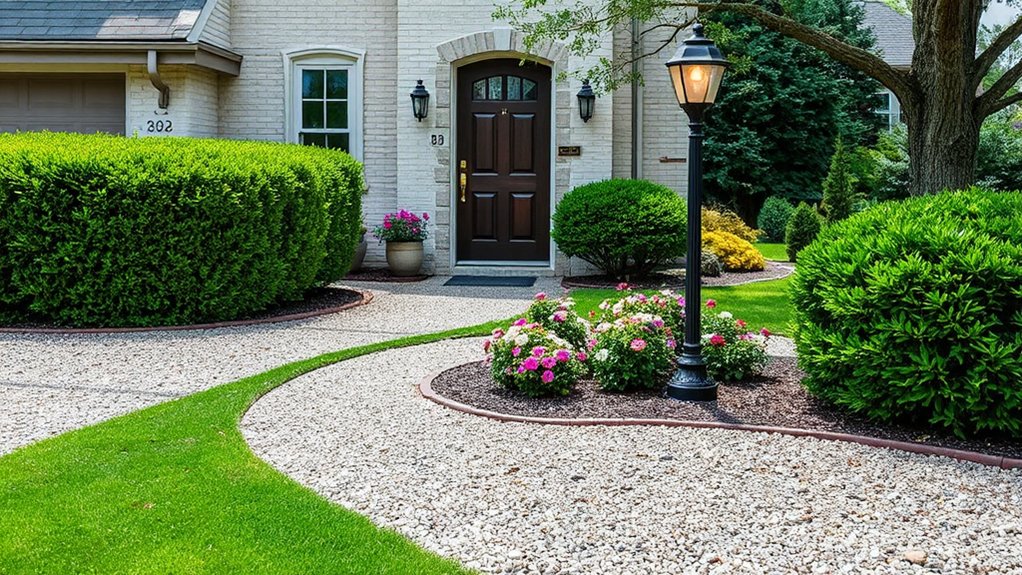
Improving curb appeal isn’t just about looks; it directly influences how buyers perceive value and ease of maintenance. When you assess resale impact, quantify first impressions: tidy landscaping, cohesive garden design, and a clean facade set expectations for upkeep and longevity.
Measure value by comparing similar homes with and without well-executed exterior improvements, and track time on market post-enhancement. Practical methods include recording curb-view photos, noting maintenance costs, and surveying buyers or real estate agents for perceived value shifts.
Prioritize exterior cleaning to remove grime, mold, and weathering that dulls appeal, then align plantings with architectural style to enhance perceived quality. Use these signals to justify pricing adjustments, budget forecasts, and renovation prioritize—garden design and exterior cleaning are foundational investments.
Frequently Asked Questions
What Immediate Curb Appeal Changes Require Zero Tools?
You can instantly boost curb appeal with zero tools by adding garden lighting using solar path lights, and placing outdoor art along the entry path. You’ll create focus, atmosphere, and polish without any hardware or drilling.
Which Colors Visually Enlarge a Small Porch?
Bold yellows and soft creams visually expand a small porch; you’ll feel brighter entrances. Color psychology guides your choice, using light-reflecting hues for Visual expansion, while you maintain balance with muted accents and a cohesive, welcoming look.
How Do You Time Seasonal Curb Appeal Tweaks?
You time seasonal curb appeal tweaks by plotting a simple calendar, cueing garden lighting and outdoor art to key dates, and adjusting color accents after weather shifts, so you keep visuals fresh and inviting all year.
What Low-Cost Accents Dramatically Boost First Impressions?
Coincidentally, you’ll notice low-cost accents that transform curb appeal: garden lighting and decorative planters. You implement them now, guiding guests with warmth, showcasing polish, and elevating impression because strategic lighting and thoughtful planters boost visual impact instantly.
Do Exterior Improvements Prioritize Longevity or Style Impact?
You should balance longevity and style impact, prioritizing durable materials while integrating garden landscaping and outdoor lighting to sustain curb appeal over time and still wow visitors with thoughtful, practical enhancements.
Conclusion
Curb appeal isn’t just vanity—it’s your home’s first, loud spokesperson. You’ll stand out in a sea of sameness, breathe life into your facade, and slash the unknowns from every transaction. With quick-entry upgrades, color-smart doors, and strategic landscaping, you’ll feel the door swing to greet you like a standing ovation. Maintain it like clockwork, and watch value, mood, and reliability compound. Your property isn’t just seen—it’s trusted, admired, and endlessly inviting.