
If you’re planning a garden room or home office, you’ll want a clear idea of costs before you start. Prices swing with size, finish, and build type, from compact prefab units to custom builds with premium insulation and windows. Start with a solid budget, factor in site prep and foundation work, and gather several quotes. The big question remains: how do you balance quality with what you’re willing to spend as you explore options?
What Drives a Garden Room Cost (and Where to Start)
Material costs, labor, and site specifics are the big drivers of a garden room’s price, and you’ll want to map them out before you start. You’ll determine upfront how you’ll use the space, which influences insulation, windows, doors, and electrical needs.
Build type matters: a standalone prefab unit tends to be faster and thinner on materials, while a bespoke build climbs with customization.
Location affects delivery, foundations, and weather-related delays, so assess soil, drainage, and access.
You’ll also weigh interior finishings, fittings, and furniture against long-term use.
Permits, inspections, and budget buffers can catch you off guard if neglected, so set aside contingency.
Finally, contractor expertise and project management drive efficiency, safety, and adherence to timelines.
Start with a clear scope, then price out each element.
Price Ranges by Size and Build Type for Garden Rooms
Pricing garden rooms scales quickly with size and build type. In general, smaller, standard builds cost less per square meter than larger, bespoke options, so your budget tightens as you grow.
A simple 10×12-foot prefab shell might land around a few thousand pounds in delivery and base fit, while a 20×15-foot build with premium glazing and insulated walls climbs substantially higher.
Build type matters too: modular, quick-assembly versions save on labor, but solid timber or steel-framed designs add upfront and ongoing value.
Expect price bands rather than precise figures; ranges reflect finishes, foundations, and interior shells.
Compare pen-and-paper estimates with quotes from installers to map where you sit within the spectrum for your space.
Materials That Affect Price and Longevity in Garden Rooms
Choosing the right materials is essential for both price and durability in a garden room, because every choice affects upfront costs and long-term maintenance. You’ll balance cost, insulation, and weather resistance when selecting framing, walls, and roofing.
Steel and timber frames vary in price and longevity, so pick a structure that suits your climate and maintenance tolerance.
For walls, consider insulated panels, wood cladding, brick, or rendering; each has different install times, thermal performance, and upkeep.
Roofing choices—metal, tiles, or shingles—drive weatherproofing and replacement cycles.
Insulation type and thickness impact heating bills and comfort year-round.
Windows and doors affect security and glare, so opt for double or triple glazing with low-e coatings.
Finally, coatings and sealants protect against moisture, fading, and rot, extending the life of your investment.
Hidden Costs to Budget for in a Garden Room Project
Hidden costs can surprise you even when you’ve nailed the basics on materials and install times. Beyond the sticker price, you’ll face permitting fees, site surveys, and potential planning conditions that add days and dollars.
Expect foundation tweaks, drainage fixes, or ground-conditions assessments to shift budgets last minute. Utilities can be trickier than you think: extending power, data cabling, and lighting plans may require professional work and safety inspections.
Weather delays happen, especially when you’re working around seasons; keep a contingency for unexpected postponements. Delivery windows, crane or access fees, and stair or access adaptations can push costs upward.
Finally, consider finishing touches—paint, flooring upgrades, and window treatments—that quietly accumulate. Plan with a flexible cushion to cover these hidden lines in your project.
Financing Options and Budgeting Tips for Garden Rooms
Financing a garden room doesn’t have to be daunting, and smart budgeting starts before you buy. Start with a clear cap on total costs, including delivery, foundations, insulation, and internal finishes. Compare quotes from at least three suppliers, and ask about hidden fees, warranties, and maintenance.
Choose payment paths that fit your cash flow: savings, short-term loans, or a project loan with staged draws. Consider a personal loan with fixed interest for predictable payments, or a lender that offers a progress-financing option tied to milestones.
Create a simple budget spreadsheet, track changes, and set a contingency—typically 10–15%. If you can, phase the project to spread costs.
Finally, prioritize essential features, then upgrade later when funds permit.
Popular Garden-Room Configurations by Use Case and Price
Garden-room configurations vary by how you’ll use the space and what you’re willing to invest.
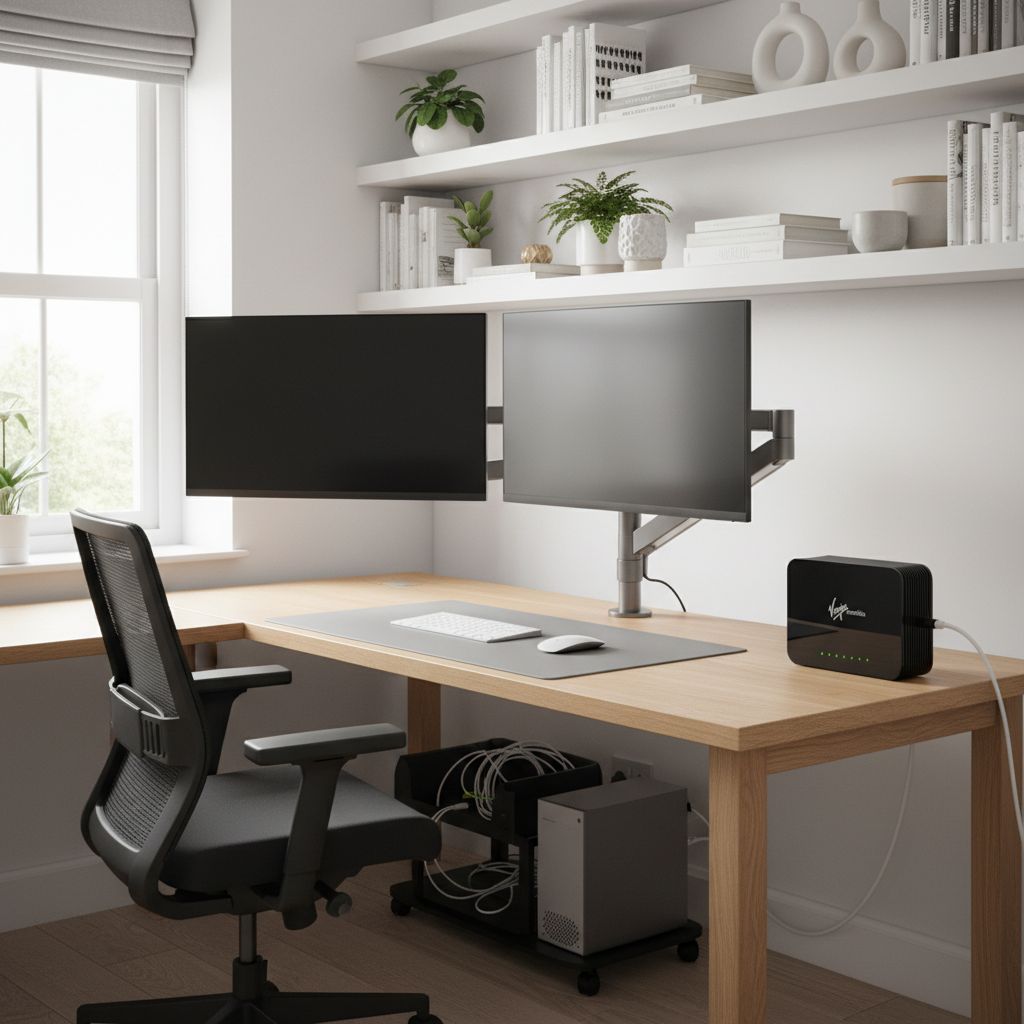
For a focused home office, expect compact 6×8 or 8×10 footprints with insulation, a small desk nook, and good lighting. Prices cluster around mid-range builds, offering solid walls, double doors, and standard electricals.
If your needs are multi-use—work, guest space, or craft—you’ll lean toward larger, 12×12 or 14×10 plans with flexible layouts, built-in storage, and a separate Zoning-rated HVAC option.
For hobby or studio use, consider higher-spec glass walls, fine finishes, and specialized lighting; these push prices up but boost ambience.
Outdoor garden rooms with basic controls stay affordable, while premium kits add air source heat pumps and extended eaves.
Your choice hinges on daily routines and long-term value.
Quick Tips to Trim Costs Without Sacrificing Quality
If you want quality without overspending, start with a solid plan and smart choices that affect long-term value. Begin by prioritizing needs over trends, then compare builders on materials, warranties, and energy efficiency.
Choose standard sizes and modular designs to reduce fabrication waste and installation time. Opt for durable, low-maintenance finishes—like composite decking, low-VOC paints, and moisture-resistant cladding—to cut upkeep costs.
Ask for energy-saving details: proper insulation, sealed windows, and efficient HVAC or heating alternatives.
Bundle services—permits, electrical, and plumbing—through one contractor to save on mobilization. Request phased upgrades rather than premium options upfront; upgrade later as budget allows.
Consider recycled or reclaimed components for character and savings. Finally, insist on a clear, written scope and a detailed warranty to protect your investment.
Conclusion
You’ve got a solid framework to plan from, so start with a clear budget and a few quotes from trusted builders. Nail down site prep, foundation, and electrical needs early, then compare materials for longevity versus price. Don’t overlook hidden costs like permits, insulation, and finishes. Consider financing options that fit your timeline. With smart planning and a few cost-saving tweaks, you can get a garden room that meets your needs without blowing your budget.