


A biophilic home boosts your well-being by weaving natural light, fresh air, greenery, and tactile materials into daily life. You’ll experience calmer nerves, reduced stress, and steadier mood, thanks to daylighting, balanced ventilation, and soothing textures. Greenery supports attention and resilience, while varied light and natural textures aid focus and recovery. Personalize spaces to fit routine with low-maintenance plants and thoughtful layouts. As you align lighting, air, and nature, you’ll feel calmer and more productive—and there’s more to explore ahead.
Key Takeaways
- Biophilic homes connect occupants with nature, improving mood, reducing stress, and enhancing overall well-being through daylight, textures, and greenery.
- Indoor plants and natural materials calm the nervous system, lower cortisol, and support sustained attention and emotional resilience.
- Daylight, ventilation, and acoustic comfort boost cognitive performance, energy, and physical health while reducing fatigue and indoor pollutants.
- Seamless indoor–outdoor design with views and sustainable finishes fosters ecological balance and long-term mental and physical well-being.
- Personalization, low-maintenance greenery, and routine-based layouts align spaces with daily rhythms, improving focus, sleep quality, and stress management.
The Core Idea: What Makes a Home Biophilic
Biophilic design centers on connecting people with nature through purposeful, tangible elements in the built environment. You’ll recognize a biophilic home by its clear, intentional ties to the natural world, rather than random greenery or decor.
The core idea rests on embedding direct connections to nature into how spaces are shaped, lit, and finished. You prioritize views of outdoor habitats, natural textures, and rhythms that mirror outdoor environments, creating a sense of place and continuity.
Home aesthetics align with material sustainability, choosing durable, low-impact materials that age gracefully and reduce waste. You’ll design for daylight, airflow, and acoustic comfort to support well-being.
Practical decisions—material sourcing, finish selections, and layout—serve this goal without sacrificing function.
Why Biophilic Design Boosts Mood and Lowers Stress
Exposure to nature-adjacent design reduces stress and boosts mood by aligning daily life with natural rhythms. When you design spaces with natural textures, varied light, and plant life, you activate multisensory cues that calm the nervous system and sharpen focus.
Biophilic elements regulate cortisol and heart-rate variability by offering restorative breaks without leaving your routine. You’ll notice improved mood and clearer decision-making during demanding tasks, especially when progression mimics natural cycles rather than artificial schedules.
Prioritize diverse greenery, water features, and tactile materials to support sustained attention. Consider the broader context: urban wildlife integration signals ecological balance and sustains local biodiversity, while reducing your ecological footprint through lower energy use and improved air quality.
Implement measurable, incremental changes for consistent well-being gains.
Daylight First: Maximizing Natural Light for Well-Being
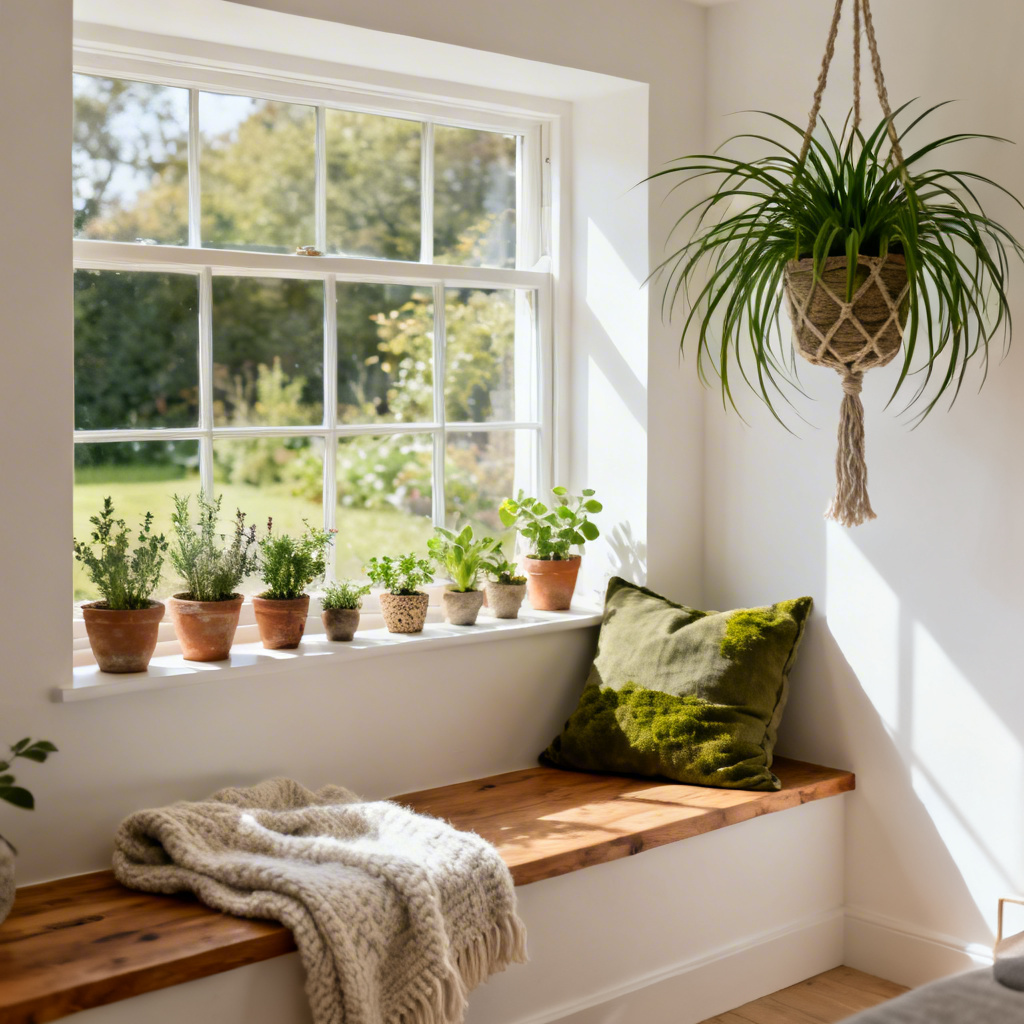
Daylight should come first in your design plan, because natural light sets your daily rhythm and shapes mood, energy, and focus. You optimize window placement, glazing types, and shading to sustain consistent illumination throughout the day.
Prioritize room orientation and glazing performance to minimize glare while maximizing view quality, which reinforces attention and reduces fatigue. Use skylights and light wells strategically to deepen daylight reach without overheating interiors.
Align furniture and architectural features to promote flow and visual comfort, reinforcing architectural harmony. Pair daylighting with energy-efficient systems to support sustainability practices, lowering demand on artificial lighting and reducing cooling load.
Track daylight metrics, adjust with seasonal shifts, and maintain aesthetic clarity to support well-being and functional space.
Fresh Air and Ventilation for Mental Clarity
Fresh air circulation supports mental clarity by supplying steady oxygen and removing indoor pollutants.
You’ll notice sharper focus and reduced fatigue when ventilation quality stays high and pathways for air exchange remain unobstructed.
Prioritize reliable ventilation, regular air changes, and monitoring to sustain these benefits.
Fresh Air Circulation
Efficient fresh air circulation is essential for mental clarity at home: it reduces indoor pollutants, regulates CO2 levels, and supports alertness throughout the day. You optimize air quality by prioritizing continuous exchange rather than relying on sporadic ventilation.
Use controlled strategies: balanced ventilation with heat recovery, operable windows, and selective exhausts to expel stale air without losing comfort. Regularly inspect filters and seals to maintain efficiency, and schedule annual professional checks for ventilation systems to prevent blockages and microbial growth.
Position intake points away from pollutant sources, and coordinate with humidity control to prevent condensation. Track indicators like head-clearing breath, reduced fatigue, and stable concentration.
Implement simple routines: open gatherings of windows during daylight, keep doors between zones partially ajar, and monitor CO2 spikes.
Mental Clarity Benefits
Improved air quality and well-managed ventilation directly sharpen your thinking. When you breathe cleaner air, your brain operates more efficiently, reducing fog and fatigue that slow decision-making. You’ll notice steadier concentration during tasks, quicker reaction times, and fewer mental lapses throughout the day.
Consistent fresh air supports balanced mood and sustained attention, essential for complex problem solving. Integrate simple mindfulness practices—short breathing cycles, deliberate inhalation and exhalation—to synchronize physiological signals with cognitive effort, enhancing focus without strain.
Practical ventilation adjustments, like timed airflow and away-from-pollution zones, keep oxygen levels stable and minimize irritants. This approach yields cognitive enhancement through routine, intentional exposure to clean air, supporting sharper judgment, clearer memory retrieval, and resilient mental performance.
Ventilation Quality Essentials
Even when doors are closed, you should prioritize steady, clean air to maintain mental sharpness; targeted ventilation reduces headaches, fog, and fatigue that slow thinking. You’ll want consistent air exchange to support cognition, mood, and focus.
Prioritize air quality by choosing ventilation systems that minimize pollutants, control humidity, and limit recirculation. Use a balanced approach with fresh air intake and filtered exhaust to avoid drafts while ensuring comfort.
Schedule regular maintenance—filters, seals, and fans—so performance stays reliable. Measure results with simple indicators: reduced stuffiness, clearer thinking, and steadier energy.
Pair mechanical ventilation with natural ventilation when possible for cross-ventilation benefits. Remember, deliberate airflow design underpins mental clarity, supports sleep quality, and sustains long-term well-being.
Greenery That Supports Mental Health
Greenery reduces stress by creating a calmer, more focused environment you can rely on during busy days. Plants boost mood through visible life and color, supporting a steadier emotional baseline.
Natural light complements greenery, enhancing overall mental well-being and reinforcing practical, daily habits.
Greenery Reduces Stress
Exposure to greenery lowers stress by providing visual cues that calm the nervous system, reduce cortisol, and slow heart rate. You’ll experience steadier moods when you integrate greenery into daily life, because natural cues modulate vigilance and tension.
In practical terms, choose a few focal plants and assure steady care so they thrive, not wilt. Urban wildlife opportunities—such as birds or pollinators drawn to safe plantings—create micro-interactions that anchor attention and promote a sense of return.
Botanical therapy isn’t about overwhelming surfaces; it’s about deliberate, manageable greenery that supports restorative breaks and short reset periods. Use close, accessible greenery near work and rest zones to reinforce calm, reduce perceived threat, and sustain daily resilience.
Plants Boost Mood
You’ll harness plant therapy to steady mood swings, improve focus, and reduce irritability through routine care and tactile engagement. A compact green space in your space becomes a private retreat that buffers daily stress. Use deliberate placements, seasonal foliage, and varied textures to sustain interest and offer visual rest.
Maintain simple care routines to prevent neglect and disappointment, which can undermine confidence.
- Choose low-maintenance species for reliability
- Group textures and tones for visual harmony
- Schedule brief, regular tending to build ritual
- Rotate plants to refresh the Green space and mood
Natural Light Benefits
Natural light is a quiet powerhouse for mental health, shaping mood, circadian rhythms, and daytime energy. You’ll benefit from deliberate illumination strategies that maximize daylight without glare or heat gain.
Prioritize rooms used for focus and recovery, placing workspaces and seating where sunlight reaches most of the day. Use natural lighting techniques such as skylights, light tubes, and reflective surfaces to diffuse brightness evenly.
Pair windows with sheer treatments to maintain visibility while reducing harsh contrasts. Monitor indoor air quality as you optimize daylight, since fresh air complements radiant light for cognitive clarity and stress reduction.
Avoid overreliance on artificial lighting; when needed, choose full-spectrum options that mimic daylight. Implement consistent lighting schedules to support consistent mood and wakefulness throughout the day.
Natural Materials and Textures That Comfort the Senses
Natural materials and textures create an immediate sense of warmth and connection to place, because their tactile and visual cues signal durability and care. You’ll notice how simple choices deliver lasting comfort, reducing sensory overload and reinforcing well-being.
Prioritize natural, low-emission finishes that celebrate texture and depth without glare.
- Embrace locally sourced woods with visible grain for sensory textures and warmth
- Choose untreated or naturally finished textiles like linen, wool, and cotton
- Use stone or ceramic surfaces that age gracefully and feel cool yet inviting
- Incorporate cork, bamboo, or rattan elements for resilient, tactile accents
Soundscapes: Natural Acoustics for Calm
Acoustic comfort emerges from the same care you’ve shown with materials and textures: thoughtful soundscapes that calm the mind and reduce stress. You’ll harness natural acoustics by shaping the space with soft surfaces, plant life, and controlled noise sources.
Implement sound therapy concepts, using gentle, evolving stimuli to prevent abrupt changes in tone. Define zones where conversation remains intelligible while minimizing intrusive noises, and favor materials that absorb rather than reflect, such as woven fibers and cork.
Track changes with simple observations and adjust ratios of hard to soft surfaces to sustain calm. This approach reflects acoustic ecology: a mindful balance between organisms, environment, and sound.
| Quiet Zones | Active Zones |
|---|---|
| Garden Corners | Home Office Nooks |
| Reading Alcoves | Kitchen Passages |
| Entry Ference | Living Room Seating |
Colors Inspired by Nature and Their Effects
Colors drawn from nature shape mood and performance in the home. By selecting nature-inspired hues, you influence perception, focus, and rest. You’ll apply color psychology to create zones that support daily activities and recovery, using palette logic rather than trend chasing.
Emphasize color harmony to guarantee coherence across rooms, furniture, and textiles, avoiding jarring shifts.
- Use muted greens and blues to reduce stress and improve concentration.
- Pair earthy neutrals with botanical accents for warmth and grounding.
- Balance cool and warm tones to enhance perceived space.
- Reserve high-saturation accents for focal points and energy cues.
This approach keeps decisions practical, consistent, and evidence-based, guiding you toward environments that feel intentional and restorative.
Linking Indoors and Outdoors: Seamless Spatial Flow
You create a seamless indoor–outdoor flow by prioritizing an uninterrupted corridor that visually connects spaces and blurs boundaries. Maintain visual continuity and accessible passages so you can move naturally from interior rooms to exterior views and patios.
Focus on practical details like aligned sightlines, consistent flooring, and doorways that invite outdoor access without friction.
Indoor-Outdoor Corridor Flow
- Align flooring across indoor and outdoor thresholds to smooth movement
- Use low-maintenance, weather-resistant materials for longevity
- Maximize glazing with minimal frames to extend views
- Incorporate shading and ventilation to control climate naturally
This approach keeps circulation intuitive, reduces energy use, and reinforces a biophilic rhythm that supports well-being through constant, practiced connection to nature.
Visual Continuity And Access
Visual continuity from inside to outside hinges on sightlines and access routes that feel uninterrupted. You design spaces that visually connect key outdoor features to living areas, avoiding abrupt breaks in architecture or texture. Keep sightlines clear: minimize obstructions, use consistent materials, and align windows with exterior activity zones.
Create seamless access by locating doors and passages on direct paths between rooms and outdoor patios, gardens, or balconies. Integrate functional outdoor areas as extensions of the interior, supporting activities like urban agriculture without compromising views.
Foster connectivity to wildlife corridors by sustaining low, open edges and native planting near shifts. This approach strengthens daily routines, promotes exploration, and enhances calm.
When planned thoughtfully, indoor life and outdoor nature become a single, supportive environment.
Biophilic Design in the Kitchen
- Use low-maintenance potted herbs near prep surfaces.
- Choose warm woods or stone with visible grain for countertops and backsplashes.
- Position skylights or clerestory windows to wash the area with diffused light.
- Integrate near-natural color palettes and matte finishes to minimize glare.
This approach enhances mood, retention, and workflow, pairing form with function for everyday cooking.
Biophilic Design in the Living Room
In your living room, prioritize natural materials—think wood finishes, stone accents, and linen textures—to create warmth and tactility.
Pair these with an indoor-outdoor visual connection, using glass doors or large windows that blur the line between inside and out.
This combination supports a calm, functional space where materials age gracefully and views invite daily renewal.
Natural Materials in Living Room
Natural materials transform a living room by bringing texture, warmth, and a sense of the outdoors inside. You can optimize comfort and sustainability by choosing authentic elements and mindful placements that support well-being.
Use textures to add visual interest without clutter, and prioritize low-VOC options to support indoor air quality. Eco-friendly paints and natural fiber rugs should anchor your palette and feel, while wooden accents offer warmth and durability.
Control moisture and humidity with appropriate materials to reduce upkeep and maintain longevity. The following choices reinforce a calm, restorative space:
- Opt for low-VOC Eco-friendly paints and finishes
- Select natural fiber rugs for softness and resilience
- Favor solid wood furniture with minimal finishes
- Pair textiles with breathable, plant-based fibers
Indoor-Outdoor Visual Connection
Bringing the outdoors into your living room starts with clear sightlines and deliberate connections to exterior greenspace, even when windows are the primary view. You optimize the indoor-outdoor visual connection by aligning seating, lighting, and focal points toward designated exterior vistas.
Choose low-profile frames, minimized mullions, and glass that reduces glare while preserving color integrity. Use indoor plants and natural textures to extend the landscape inward without obstructing sightlines.
Integrate outdoor elements like a balcony planter, trellis, or adjacent greenery to create depth and continuity. This approach supports urban wildlife by framing seasonal cycles and promoting ecological sustainability through habitat-friendly plant choices and materials.
Maintain consistent color palettes, textures, and scale to avoid visual clutter and preserve a calm, cohesive environment.
Biophilic Design in the Bedroom
Could your bedroom become a more restorative space by embracing biophilic design? Yes. In this room, you leverage natural cues to calm the nervous system, improve sleep, and support wellness.
Focus on materials, textures, and light that feel grounded and real, while keeping Eco friendly materials front and center. Prioritize clean indoor air, because Indoor air quality directly affects rest and recovery.
Implement strategies without clutter and with purpose.
- Use solid wood furniture and low-VOC finishes
- Incorporate plants with protective pet considerations
- Maximize natural light with sheer drapes and strategic mirrors
- Choose breathable textiles and natural fibers

Personalizing Nature to Fit Your Routine
Your biophilic bedroom can be tailored to your daily rhythm, pairing nature’s cues with how you actually live. In this subtopic, you’ll align plants, textures, and light with habits, routines, and energy peaks, creating a practical, personalized space. Emphasize function: zones for work, rest, and renewal, guided by seasonal cues and personal preferences. Use personalized plant arrangements to reinforce time-of-day cues, and select nature inspired decor that supports focus, calm, and recovery. Monitor impact with simple metrics—sleep quality, stress levels, and productivity—then adjust weekly.
| Morning focus | Evening calm |
|---|---|
| Bright light, gentle greens | Low light, warm tones |
Low-Maintenance Greenery and Indoor Gardens
Low-maintenance greenery lets you enjoy biophilic benefits without demanding constant care. You’ll create soothing indoor life with minimal effort by selecting resilient options and smart placement.
Synthetic plants and cleverly chosen indoor gardens offer consistent visuals, year-round texture, and no watering drama, while preserving real-life vitality where it matters.
Pair these with efficient artificial lighting to maintain color and growth cues without overhauling your space.
- Choose low-maintenance species or synthetic plants that suit your light
- Use compact, modular indoor gardens for flexible layouts
- Align artificial lighting with plant needs for steady appearance
- Implement simple care routines to sustain clean, healthy displays
This approach prioritizes reliability, aesthetics, and ease, helping you sustain a calm, nature-forward environment.
Wellness-Focused Lighting Beyond Brightness
Wellbeing isn’t just about the amount of light; it’s about how that light is delivered. In wellness-focused lighting, you prioritize spectrum, timing, and control, not glare. Choose fixtures that emulate natural dawn through tunable white and circadian-friendly cycles, so your body’s rhythms stay aligned.
Use layered lighting: ambient, task, and accent, each calibrated for intensity and color to support focus, mood, and recovery. Integrate dimming, occupancy sensors, and smart controls to adapt scenes to activity and time of day.
Favor materials and finishes that reflect artificial textures without harsh hotspots, ensuring even distribution across spaces. Pair lighting with urban aesthetics for a grounded feel, and avoid over-illumination that erodes calm.
Practical design reduces stress, supports energy, and reinforces biophilic wellbeing.
Measuring Benefits: Is Your Home Truly Biophilic?
Measuring benefits starts with clear criteria and objective data. To judge whether your home is truly biophilic, quantify experiences, not just aesthetics. Track how often you notice natural elements, and couple that with environmental indicators to verify impact.
Compare pre- and post-renovation metrics, like daylight hours, air quality, and acoustics, then relate them to well-being outcomes. Focus on practical signals—habitat diversity, maintenance effort, and resource use—to determine authenticity.
Use these benchmarks to guide improvements, ensuring design choices boost urban biodiversity and minimize ecological footprint.
- Daylight duration and glare control measured over typical days
- Indoor air quality and acoustic comfort with seasonal variation
- Plant diversity, water features, and natural textures
- Resource use alignment with ecological footprint goals
Frequently Asked Questions
How Does Biophilic Design Affect Long-Term Sleep Quality?
Biophilic design improves long-term sleep quality by boosting natural light exposure and maintaining air quality, which stabilizes circadian rhythms and reduces nighttime awakenings. You’ll sleep deeper and feel more rested, with consistent, restorative cycles throughout your nights.
Can Biophilic Homes Reduce Allergy Symptoms Naturally?
Yes, biophilic design can help reduce allergy symptoms naturally by improving air quality and boosting natural light. You’ll notice air quality improvement and natural light enhancement, supporting healthier, less irritated breathing and easier daily activities.
What Affordable Updates Create a Biophilic Space Quickly?
Boost your space with instant wow: add affordable updates like live plants, natural lighting, and eco friendly materials. You’ll quickly feel calmer, cleaner, and energized as sunlight floods in and sustainable choices heighten daily wellbeing.
Do Plants Indoors Improve Cognitive Performance at Work?
Indoor air quality improves with houseplants, and you’ll notice sharper focus as natural lighting benefits boost alertness; you’ll perform better at work when you maintain healthy indoor air and maximize daylight.
How to Measure Return on Investment for Biophilic Upgrades?
“ROI is measurable.” You perform a cost analysis, track occupancy, and quantify productivity shifts; compare against environmental impact, maintenance, and energy savings to justify upgrades. You’ll present data-driven metrics, ensuring decision-makers see tangible financial and ecological value.
Conclusion
Biophilic design isn’t a luxury—it’s a practical path to steadier mood and lower stress. Prioritize daylight, ventilation, and greenery you actually maintain. Studies show spaces with natural light can boost productivity by up to 15%, while plants reduce perceived stress and improve air quality. Start by letting in morning light, add low-effort greenery, and tune lighting to warm, daylight-like tones. When you tailor nature to your routine, you’ll feel calmer, clearer, and more resilient at home.