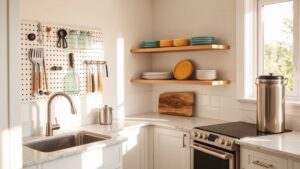
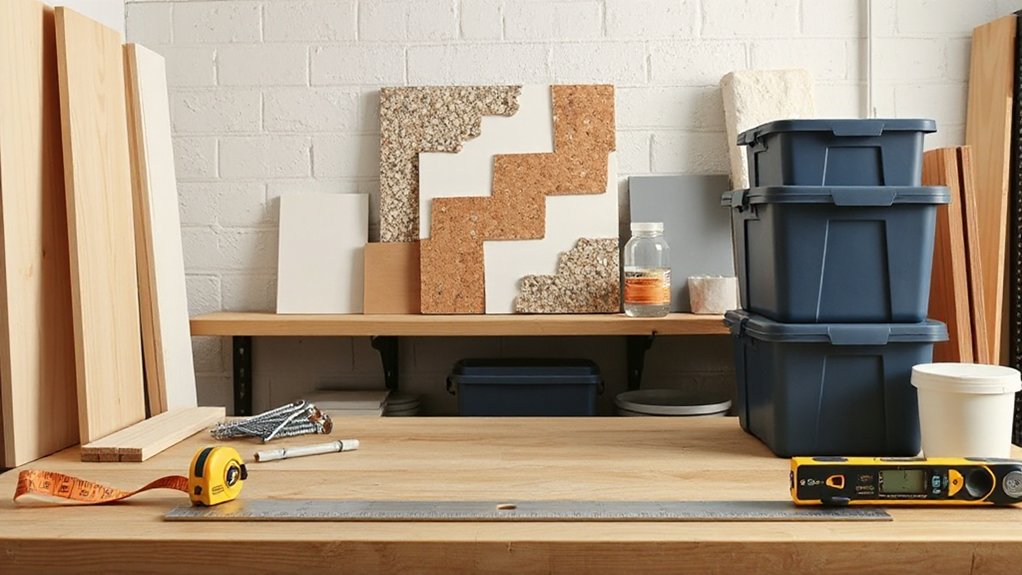

You might not realize you can dramatically refresh a space with recycled-content countertops and peel-and-stick wallpaper for a fraction of the price. Start with solid, durable basics—flooring, paint, and weatherproofing—that defend against wear while staying affordable. From there, simple hardware updates and smart sourcing can transform rooms without overextending your budget. Curious how far a focused plan can take you and what hidden savings to target first?
Key Takeaways
- Prioritize locally sourced, proven materials with durable performance and transparent sourcing to maximize value and minimize risk.
- Choose cost-effective, low-maintenance flooring and countertops like laminate, luxury vinyl, engineered wood, quartz composites, or recycled laminates.
- Use easy-care backsplashes and wall finishes such as glazed ceramic, high-pressure laminates, or textured/peel-and-stick solutions for style on a budget.
- Implement quick-install insulation, weatherproofing, and hardware upgrades (door sweeps, self-adhesive tapes, brushed-nickel hardware) for fast, durable improvements.
- Compare total costs with multiple quotes, include delivery and waste, and favor suppliers with warranties, clear policies, and local availability.
How to Choose Budget-Friendly Materials That Save You Money

Budget-friendly materials aren’t about cutting corners; they’re about smart choices that balance cost with durability and function. You’ll focus on value, not cheapest price, by evaluating performance, lifecycle costs, and installation effort.
Begin with budget negotiation: set a clear ceiling and compare quotes from reputable suppliers, noting warranty terms and return policies. Prioritize materials with proven track records in local conditions, avoiding flashy but unreliable options.
Consider your project’s essential functions—load, moisture, heat resistance—and choose accordingly.
Material sustainability should guide your picks: look for recycled or upcycled content, low VOC emissions, and manufacturers with transparent sourcing.
Document trade-offs, and test samples if possible.
Durable, Affordable Flooring Options
Choosing flooring that lasts without breaking the bank means balancing durability with cost, installation ease, and upkeep. You’ll find options that endure daily use while staying affordable, so your project stays on track.
Start with laminate or luxury vinyl planks for quick installs, lower maintenance, and resilient wear surfaces.
If you crave natural appeal, consider engineered wood with a solid veneer for stability and easier installation.
For eco-friendly options, look at cork or bamboo, which resist dents and feel warm underfoot.
Don’t overlook durable ceramic or porcelain tile in high-traffic zones.
For unique character at a good price, explore vintage reclaimed materials, which pair style with affordability when sourced responsibly.
Prioritize warranties, moisture tolerance, and subfloor prep to maximize long-term performance.
Cost-Conscious Countertops That Perform Well
If you’re aiming for cost-conscious countertops that still perform, start with solid-surface options like laminate or quartz composites that balance price with durability. Laminate provides a wide range of finishes and patterns at a fraction of stone costs.
While laminate offers many design options, quartz composites provide consistent color and stain resistance without needing routine sealing. For higher resilience, choose reinforced composites or thermofoil for low maintenance and easy repairs.
Consider Eco friendly options, such as recycled-content laminates or responsibly sourced quartz, to reduce environmental impact without sacrificing performance.
If you prefer a nostalgic look, explore vintage styles in laminate patterns or terrazzo-inspired composites for character at a sensible price.
Avoid pricey stones when budget is tight; prioritize tight seams, a solid edge, and proper sealing for lasting results.
Stain-Resistant, Budget-Friendly Kitchen Backsplashes
Stain resistance is key when you’re choosing kitchen backsplashes on a budget, so focus on surfaces that shrug off spills and wipes clean without fuss. You’ll get durable, affordable options that resist staining and heat without sacrificing style. Prioritize low-maintenance materials that stay crisp with minimal effort.
1) Choose ceramic or porcelain with a glazed finish for easy cleanup.
2) Opt for glass or high-pressure laminates that wipe clean and avoid grout traps.
3) Look for eco friendly options that don’t compromise performance or cost.
4) Seek vintage inspired designs to add character without inflating the price.
In practice, pick surfaces that combine durability, simple care, and distinctive looks. Eco friendly options and Vintage inspired designs help you achieve a stylish, budget-smart backsplash.
Paints and Primers That Stick and Last
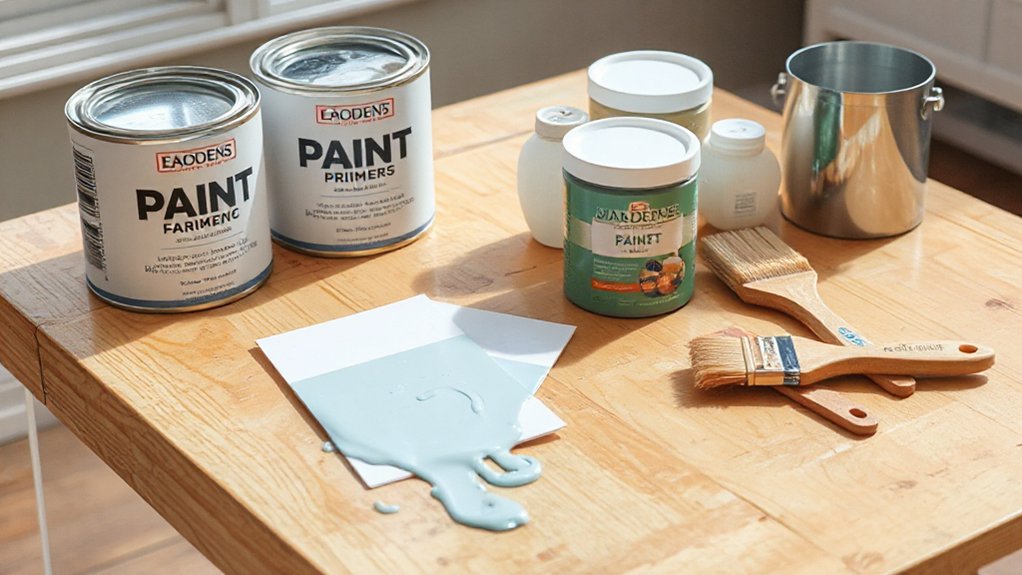
Your best coatings start with the right paints and primers, chosen for adhesion, durability, and easy maintenance. To keep costs low, pick Eco friendly paints that perform well on multiple surfaces and hold color over years.
For primers, choose Low VOC primers that shield stains and improve adhesion without harsh fumes. Surface prep matters: clean, dry, and prime rough areas before painting.
Use a high-adhesion primer on chalky or glossy substrates, then pair with a durable topcoat designed for the room’s use. For longevity, select a mid- to high-sheen finish on high-traffic zones and a washable, scrubbable option in kitchens and baths.
Apply thin, even coats and cure fully before rehanging or reencasing.
Affordable Wall Coverings and Textures That Look Premium
Affordable wall coverings can elevate a room without breaking the budget, thanks to practical textures and smart material choices. You’ll get a premium look without premium prices by choosing textured wall finishes and faux wallpaper that mimics luxury surfaces.
- Textured wall finishes: subtle depth from plaster, grasscloth, or linen-inspired coatings.
- Faux wallpaper: vinyl or printed designs that emulate stone, brick, or fabric with easy maintenance.
- Peel-and-stick options: reliable installation, minimal prep, quick updates.
- Textile-inspired panels: soft, tactile surfaces that dampen sound and add warmth.
Use these approaches to create visual interest, disguise flaws, and preserve wall integrity. Pair with neutral trim and strategic lighting to maximize the premium effect while staying budget-conscious.
Budget-Friendly Tiles for Bathrooms and Foyers
Prioritize a cohesive look that blends durability with affordable style, so you can upgrade now without the splurge.
Durable Yet Affordable
Durable, budget-friendly tiles can transform bathrooms and foyers without breaking the bank. You get long-lasting surfaces that resist moisture, wear, and staining without a premium price. Choose options that balance durability, ease of maintenance, and eco-friendly options to reduce your footprint.
DIY installation is feasible with click-lock or standard tile layouts, saving professional fees.
- Check PEI ratings and water absorption to guarantee longevity
- Favor porcelain or ceramic with stain resistance and low maintenance
- Opt for textured finishes for slip resistance in wet areas
- Consider recycled-content or sustainably sourced options for eco-friendliness
Before you start, verify substrate flatness and proper waterproofing. With careful planning, you’ll enjoy resilient tiles, lower costs, and a cleaner installation process.
Style Without Splurge
You don’t have to overspend to give bathrooms and foyers a fresh, polished look. Budget-friendly tiles can deliver durable, stylish results without a premium price. Start with neutral bases—soft grays, warm beiges—that pair with bold accents and evoke timeless appeal.
Look for large-format options to minimize grout lines and create a seamless flow. Reclaimed or vintage-inspired mosaics add character without a hefty tag, especially when used as a focal border or corner niche. Consider matte finishes for slip resistance and a contemporary edge.
Eco-friendly options, like recycled-content tiles or low-emission manufacturing, reduce environmental impact while maintaining quality. Pair with underfoot warmth from radiant heat mats for comfort without energy waste.
Finish with vintage accents to reinforce a curated, affordable look.
Veneers and Laminates That Mimic the Real Deal
Veneers and laminates offer a practical edge for home improvements, providing the look of real wood or stone with far less cost and maintenance.
You’ll choose veneer finishes or laminate surfaces based on budget and wear. Here’s how to maximize impact:
1) Assess high-traffic areas for durability needs.
2) Match grain or pattern to existing fixtures for cohesion.
3) Prefer thicker veneer or higher-quality laminate for longevity.
4) Seal edges and joints to prevent moisture ingress.
Quick-Install Insulation and Weatherproofing to Cut Costs
Could you lower costs fast with quick-install insulation and weatherproofing? You can shore up drafts and heat loss in hours, not days. Choose streamlined options like pre-cut batt insulation and door sweeps, then seal gaps with weatherproofing techniques that fit tight spots.
Focus on attic, basement, and around windows for maximum impact. When planning insulation installation, prioritize materials with simple installation and ready-made covers to reduce labor time. Use self-adhesive air sealing tapes and low-expansion foam for quick fixes that hold up over seasons.
Pair insulation projects with smart weatherproofing steps: seal penetrations, draft-proof mail slots, and seal seams around exterior penetrations. These moves cut energy waste, lower bills, and improve comfort without extended downtime.
Hardware and Fixtures That Upgrade a Space Affordably
Upgrading a space on a budget goes beyond insulation—upgrading hardware and fixtures delivers noticeable impact with minimal disruption. You’ll feel the difference in daily use, and the look sharpens without a full remodel. Focus on understated upgrades that pay off over time.
- Replace cabinet hardware with brushed nickel or matte black pulls for instant cohesion.
- Update faucets and.itliers with water-efficient models to save energy and water.
- Swap light fixtures and switches for coordinated finishes that brighten rooms.
- Choose versatile pieces like affordable nursery decor accents and durable outdoor furniture to extend style indoors and out.
Practical picks save money and improve function. Prioritize finish consistency, install quality in key spots, and test for clearance and ease of use.
Smart Places to Buy Budget-Friendly Materials
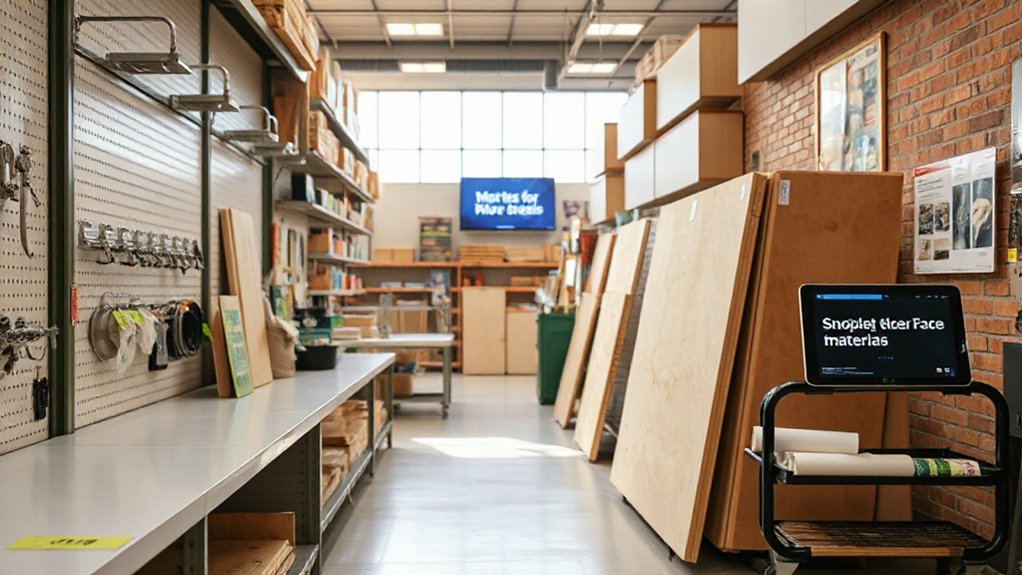
Smart budgeting starts with knowing where to shop. You’ll maximize value by targeting sources that offer quality without overpaying. Begin with Sustainable sourcing standards—seek materials from suppliers that verify environmentally responsible practices and durable products, so you don’t replace sooner than needed.
Next, prioritize Local vendors when possible; they reduce transport costs, support nearby economies, and provide faster turnaround for time-sensitive projects. Check reputable reclamation centers and surplus outlets for discounted finishes, hardware, and fixtures that still meet your performance needs.
Don’t overlook big-box outlets for common screws, fasteners, and tools, but compare warranties and return policies. Finally, tap online marketplace sellers with solid ratings and transparent listings.
How to Compare Options and Avoid Common Budget Mistakes
To compare options effectively, start by listing total material costs, including delivery and wastage, so you can see the true bottom line.
Prioritize clear, itemized quotes and beware hidden fees that inflate the price over time.
Stay disciplined about budget pits like overestimating needs or chasing the lowest upfront price without considering quality and longevity.
Compare Material Costs
How you choose between materials matters as much as what you choose. When comparing costs, focus on total value, not just sticker price. You’ll save more by considering long-term performance and durability.
- Gather quotes from at least three sources to benchmark prices.
- Compare product specs for material quality and expected lifespan.
- Factor installation costs, waste, and warranties into the total.
- Assess supplier reputation and after-sales support before committing.
Be wary of hidden fees, shipping timelines, and return policies. Ask for bulk discounts or off-season pricing, and request itemized invoices.
Prioritize consistent quality over the lowest upfront cost. Material quality and supplier reputation should guide decisions, ensuring you don’t pay twice for the same job.
Document comparisons, then choose options that balance cost with durability and service.
Avoid Common Budget Pitfalls
Are you overlooking hidden budget traps that can derail a project? You can avoid them by tightening your approach to budget planning from the start.
Compare options not just on price, but on total cost of ownership, including installation, maintenance, and disposal. When you evaluate material sourcing, favor repeatable, predictable suppliers with clear lead times and return policies. Verify warranties and whether bulk discounts apply without forcing you into overbuying.
Beware hidden costs like delivery charges, minimum orders, and compatibility issues with existing systems. Document decisions, keep receipts, and track changes against a baseline. Set milestones for re-evaluation as prices shift.
This disciplined method helps you stay within budget while preserving quality and reliability for the project.
Frequently Asked Questions
How Long Do Budget Materials Typically Last Compared to Premium Options?
Budget materials typically last shorter than premium options, but cycles vary; with proper care, expect several years to a decade for many projects. Consider cost comparison and durability factors to decide whether savings outweigh longer-term maintenance.
Do Budget-Friendly Materials Affect Home Resale Value?
Budget-friendly materials can affect resale value, but thoughtfully chosen options preserve aesthetic appeal; they won’t match luxury upgrades in perception, yet strong execution and timeless style maintain buyer interest without overspending on upscale finishes.
Are There Hidden Costs When Choosing Budget Materials?
Yes, there can be hidden expenses when you choose budget materials. You’ll weigh quality trade offs, understand installation quirks, future repairs, and potential replacements. Plan for contingencies, and compare warranties to minimize overall hidden expenses and risk.
Which Brands Offer the Best Warranties on Affordable Products?
Warranty comparisons show you that Brand reputation matters most; top affordable brands offer solid coverage. You’ll get clear terms, prompt service, and predictable replacements, easing concerns about hidden costs while you compare warranties across trusted options.
Can DIY Installation Save More With Budget Materials?
Yes, you can; DIY installation with budget materials often saves money, but you must do a cost comparison first and weigh maintenance requirements to avoid pricey upkeep later. Stay practical, precise, and plan for long-term durability.
Conclusion
You’ve got the toolkit to upgrade without breaking the bank. Choose durable, affordable options, compare quotes, and buy smart from local sources. Prioritize long-term value over flash, and don’t skip proper prep or installation. Think of your budget as a roadmap, not a trap—each wisely chosen material pulls the whole project together. By sticking to function, price, and a little savvy sourcing, you’ll turn affordable upgrades into lasting, stylish results. It’s money well spent.