
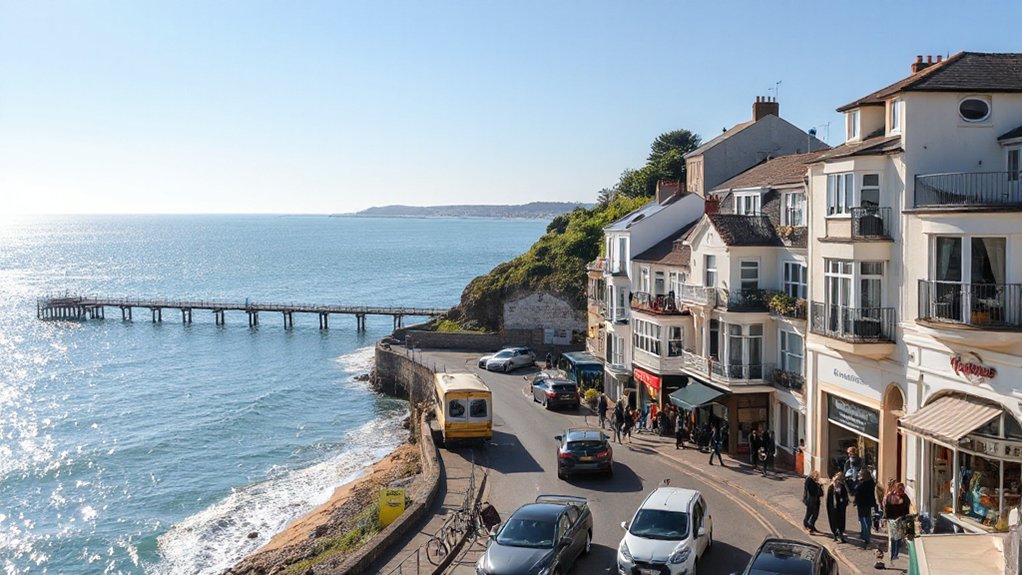

Bournemouth’s coastal demand hinges on steady sea-view access, beaches, and convenient transit, tempered by development limits, rising insurance costs, and resilience planning. You’ll see stronger interest from buyers craving walkable shorelines, rental yields, and second homes, with peak activity around waterfront hotspots and seasonal spikes. Values rise where balconies, viewsheds, and private access prove durable. Trade-offs include parking, congestion, and higher near-shore costs; ongoing planning and climate considerations shape supply and price trajectories—and there’s more to uncover as you proceed.
Key Takeaways
- Coastal demand accelerates with sea-view premiums, beach proximity, and direct access features, supporting higher valuations in Bournemouth’s core shore zones.
- Walkability, green space, and transport links boost buy-side velocity among professionals aged 35–54 seeking lifestyle and stability.
- Density limits, flood/insurance costs, and conservation rules constrain supply, reinforcing scarcity and premium pricing near the coast.
- Seasonal spikes (summer weekends) drive short-term demand but stabilize as markets mature, with rental yields influenced by seaside amenities.
- Long-term value hinges on shoreline management, resilience funding, and preserved views, sustaining confidence in coastal investment and resale appeal.
Is Bournemouth Coastal Living Right for You?

Bournemouth’s coastal lifestyle offers clear trade-offs: you gain miles of sandy beaches, easy access to outdoor activities, and a growing property market, but you also face seasonal crowds and higher competition for parking and space.
If you’re evaluating suitability, analyze Beachfront amenities data, access to trails, and proximity to green spaces to estimate daily satisfaction.
Coastal conservation efforts influence long-term quality of life, housing upkeep, and regulatory stability, so include shoreline management plans and water quality trends in your risk assessment.
Price-to-beach access elasticity matters: demand spikes during summer weekends, compressing parking and intensifying noise.
For a data-driven verdict, weigh flexibility of your work schedule, tolerance for crowds, and budget against objective metrics like vacancy rates, commute times, and resale velocity.
Coastal Bournemouth Demand Drivers
What drives demand along Bournemouth’s coast? You’ll see a data-led picture: buyers value consistent coastal access, proximity to employment clusters, and rising transport convenience.
Household growth nudges competition for property closer to the shore, while rental yields attract investors seeking stable, seaside income.
Demographic shifts show affordability bands moving up-market as first-time buyers trade space for location, with retirees prioritizing walkable access to the beach and parks.
Tourism spillovers sustain seasonal price resilience, especially near popular promenades and blue-flag beaches.
Mariners’ heritage and ongoing regeneration influence perceptions of long-term value, not just current rentability.
Seaside amenities—from coastal trails to dining and entertainment ecosystems—bolster demand density, translating stronger price momentum in coastal submarkets compared with inland locations.
Who Is Buying Coastal Bournemouth Homes?
Coastal buyer demographics show a mix of investment-oriented buyers, second home seekers, and local entrants looking for lifestyle gains.
You’ll see these groups influenced by rental yields, capital retention, and proximity to amenities, with data indicating steady demand from both overseas and domestic sources.
This sets the stage to explore how investment horizons and second-home incentives shape ongoing price resilience along Bournemouth’s coast.
Coastal Buyer Demographics
Who’s buying coastal Bournemouth homes, and what does that tell us about the market? You can see a demand pattern centered on relocation, second-home aspirations, and investment intent tied to lifestyle value.
Data shows higher purchase velocity among professionals aged 35–54, with stable incomes and multi-year plans for property as a coastline anchor.
Retirees seeking quieter coastal routines appear steady but smaller in share, while families prioritize proximity to schools and outdoor access.
Seasonal buyers contribute measurable spikes, then stabilize.
Price sensitivity remains moderate, as buyers tolerate premium for sea views and proximity to beaches.
Market signals reflect a balance between short-term demand and long-term hold potential, underscored by considerations of marine biodiversity and coastal conservation shaping amenity expectations and regulatory friendliness.
Investment Oriented Buyers
Investors are drawn to Bournemouth’s coastal pockets by steady income prospects and potential for capital appreciation, driven by rental demand and limited supply along the shoreline.
You can expect a demand mix from buy-to-let portfolios, short-term lets, and institutional investors, all prioritizing occupancy rates and yield stability.
Data shows higher gross yields in coastal zones with premium pricing for properties offering luxury amenities and proximate transport links, while maintaining tight debt service coverage.
- Portfolio risk management hinges on seasonal occupancy and regulatory changes.
- Property features with high appeal, like luxury amenities, correlate with stronger rent premia.
- Environmental impact assessments influence lender appetite and resale velocity.
Second Home Seekers
Second home buyers are drawn to Bournemouth by lifestyle appeal and predictable holiday demand, with a meaningful share coming from regional purchasers and ultra-urban offshore buyers seeking weekend retreats. You’ll find this cohort driven by stable seasonal occupancy and rising amenity scores, translating into solid capex recovery signals.
In practice, demand clusters around big-ticket coastal properties that showcase Seaside architecture and low-to-mid turnover, reinforcing price resilience across districts. You gain a clearer read on buyer intent from cross-market data: higher engagement near waterfront zones, shorter listing-to-offer windows, and weekend visit patterns that peak in late spring.
Coastal amenities—parks, dining, transport access, and cultural venues—act as multipliers, sustaining demand even in slower months. Overall, second home buyers favor reliable liquidity, scenic value, and tangible lifestyle premiums.
Bournemouth Coastal Hotspots and Valuation
You’ll see Coastal Demand Drivers shaping where buyers cluster along Bournemouth’s shore, with pricing reacting to proximity to beaches, transport, and amenities.
Hotspot Valuation Trends emerge from recent price momentum, turnover, and margin compression in high-demand pockets, signaling where value is accumulating.
Bournemouth Shoreline Appeal anchors these dynamics, as views, access, and risk perception influence buyer willingness to pay and hold times.
Coastal Demand Drivers
Coastal demand in Bournemouth hinges on a handful of high-demand hotspots where proximity to the shore, access to amenities, and transport links translate into premium valuations. You’ll see demand clusters align with seasonal swings, yet long-term drivers remain consistent: waterfront access, quality seaside architecture, and preservation of maritime ecology underpin resale stability.
Data indicates price resilience in prime fronts, with annualized returns outpacing inland areas, driven by pedestrian access and lifestyle premiums.
- Proximity to beaches and harborfront infrastructure correlates with higher per-square-foot values.
- Development patterns favor mixed-use schemes that balance housing density with public realm improvements, boosting long-term desirability.
- Environmental stewardship, including coastal protections and maritime ecology considerations, moderates risk and sustains valuation growth.
Hotspot Valuation Trends
Which Bournemouth hotspots command the strongest price momentum, and why? You’ll see this in the data: price per square meter, recent yield shifts, and turnover velocity cluster around coastal zones with robust access and amenities.
In the hotspot set, early 2024 to mid-2025 shows sustained uplift in value for developments near popular promenades, with premium brackets widening faster than national peers. The trend persists despite seasonal volatility, supported by steady demand from local occupiers and hesitant buyers seeking short commutes to central employment hubs.
Supply constraints amplify momentum, particularly where planned transport upgrades align with favorable zoning. Note how Marine biodiversity and coastal erosion disclosures influence risk pricing, nudging valuations downward in exposed pockets yet leaving protected bays comparatively resilient.
Bournemouth Shoreline Appeal
What makes Bournemouth’s shoreline especially valuable for property investors? You assess demand by proximity to the sea, stable rental yields, and ongoing redevelopment plans.
Data show higher capitalization rates near core coastal zones, supported by steady occupancy and seasonal turnover. Seaside architecture, with modern adaptations, sustains appeal while preserving character, boosting resale confidence.
Coastal conservation measures limit overdevelopment, sustaining long‑term value and risk mitigation. You’ll notice transport links and walkability driving unit mix toward compact, high‑demand dwellings, reinforcing price resilience even in slower cycles.
1) Density of redevelopments near the shore drives premium pricing
2) Seasonal occupancy patterns underpin robust cash flow
3) Conservation policies shape supply ceilings and future valuations
Price Signals Near the Coast
Data indicates stronger capital appreciation in properties offering direct sea-facing balconies, private beach access, and preserved viewsheds. Seaside architecture patterns attract buyers seeking low-maintenance exteriors and durable claddings, reinforcing value stability in oceanfront blocks.
Market friction remains: planning constraints, insurance costs, and flood risk awareness temper rapid growth in certain pockets. Coastal ecosystems considerations are reflected in zoning and green space requirements, limiting overdevelopment and supporting long‑term appeal.
Commute and Lifestyle Trade-offs Along the Shore
For shorefront living, commute patterns and lifestyle choices hinge on proximity to transport links, work routines, and leisure access; data show trade-offs between shorter, traffic-free commutes and higher living costs near the coast. You weigh time saved against premium prices, with rail and bus accessibility shaping daily routes and home-value stability.
Seaside leisure remains a key draw, yet coastal traffic and peak-demand periods stress road capacity and parking near popular spots. Marine conservation pressures influence development density, encouraging smarter planning around protected zones and green corridors.
- Proximity to transit reduces commute duration but can elevate rents and purchase prices.
- Shorefront leisure access boosts day-use value, yet seasonal demand strains facilities.
- Conservation guidelines may constrain housing density, shaping long‑term price trajectories.
Year-by-Year Coastal Activity Since the Pandemic
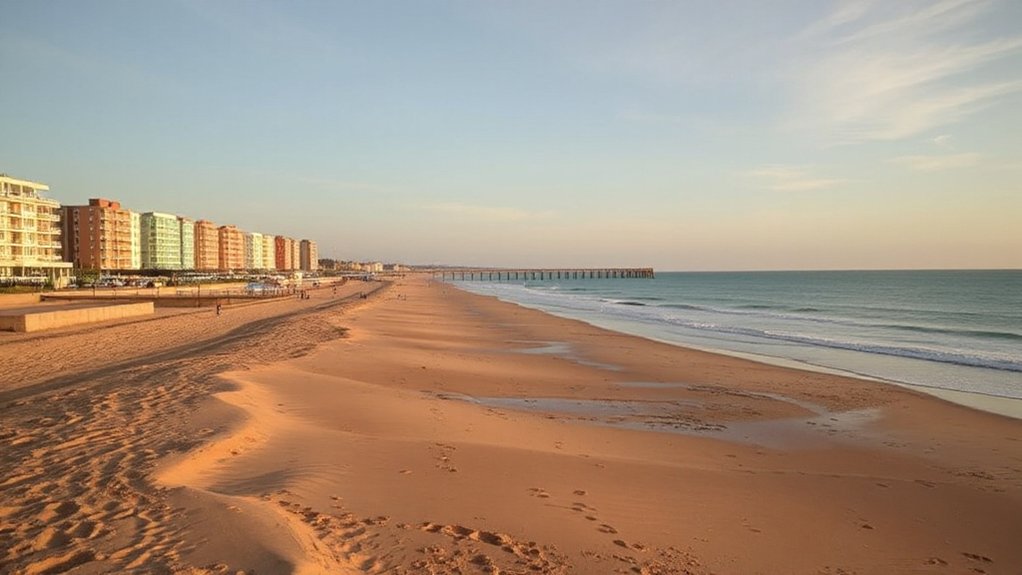
You’ll notice a stepped recovery pattern starting in 2021, with renewed emphasis on coastal architecture and larger units near beaches. Activity peaked mid-2022, then stabilized into 2023 as seasonal volatility moderated and discretionary spending rebounded.
Year over year, buyer inquiries shifted from rental-heavy interest to purchase-driven intent, while listing days-on-market shortened in peak seasons and lengthened off-season. Price momentum tracked inventory changes, supported by attributed improvements to seaside amenities and public space access.
In 2024, demand shows gradual diversification across property types, with sustained appetite for well-located coastal assets.
Financing and Ownership for Bournemouth Coastal Homes
Financing coastal homes in Bournemouth hinges on a mix of local lending practices, mortgage options, and potential tax considerations that together shape affordability and ownership timelines. You’ll see tighter eligibility standards and platformed mortgage products focused on both fixed and variable rate plans, with processing times tied to local appraisals and occupancy status.
Borrowing behavior aligns with property values near the coast, where demand supports favorable terms for well-qualified buyers. Environmental sustainability considerations increasingly influence loan structures, while luxury amenities can correlate with higher leverage requirements and insurance costs.
You’ll want to compare fees, overall cost of ownership, and projected resale value to guarantee durable affordability over time.
1) Compare mortgage types and total costs
2) Assess tax implications and incentives
3) Evaluate long-term maintenance and insurance
Risks and What’s Next for Coastal Demand in Bournemouth
Coastal demand in Bournemouth faces shared risks from rising sea levels, supply constraints, and shifting traveler preferences, which together could temper price momentum if climate impacts intensify or infrastructure costs rise. You’ll see Environmental impact assessments increasingly informing valuations as flood zones expand and insurance premiums adjust.
Regulatory changes loom, potentially altering development timelines, coastal mitigation requirements, and zoning allowances, which can constrain supply and heighten carrying costs. Data suggests slower new-build pipelines in protected areas, amplifying scarcity signals even as demand remains resilient among local buyers and second-home purchasers.
If public funding prioritizes resilience, improvements may stabilize risk, but delayed approvals and tightened coastal protections could dampen near-term growth. For next steps, monitor policy announcements, adaptation budgets, and insurer guidance alongside sea-level projections.
Frequently Asked Questions
How Does Seasonal Tourism Affect Long-Term Property Value in Bournemouth?
Seasonal fluctuations boost short-term rents, but long-term value rises when tourist influx stabilizes; demand spikes heighten prices temporarily, yet sustained growth depends on infrastructure, supply, and diversified appeal rather than seasonal peaks alone.
Are There Hidden Costs to Owning Near the Coast Beyond Stamps and Fees?
Sure: Hidden costs can surprise you, especially Coastal maintenance, insurance, and periodic flood defenses. You’ll want to budget proactively, because data shows higher upkeep and wear near coastlines. You’ll see incremental costs impact long-term profitability and risk.
What Impact Do School Catchments Have on Coastal Property Pricing?
School catchments and zoning regulations materially influence coastal property pricing: you’ll see premium gains where catchment areas align with top-rated schools, while tighter zoning can cap supply, dampening price growth. You benefit from data-driven adjustments to your offer strategy.
Do Rental Yields Justify Coastal Investment for First-Time Buyers?
Rental yields may not fully justify coastal investment for first-time buyers, given market volatility and rental affordability gaps; you’ll face higher purchase costs and fluctuating returns, so careful modeling is essential before committing.
How Is Climate Risk Factored Into Property Insurance Near the Shore?
Climate change makes insurers scrutinize flood zones meticulously; you’ll see higher premiums and stricter terms near shore, with tailored coverage and risk-reduction requirements. You jump through more compliance steps to protect property in changing flood zones.
Conclusion
You can see the trend: coastal demand in Bournemouth is resilient, driven by lifestyle appeal and robust price signals, with steady commuter flexibility and return-to-city dynamics. You’ll notice buyer profiles skew younger professionals and investors seeking yield near the shore, while hotspots maintain value due to transport links. It’s not magical—it’s data patterns, year-over-year shifts, and financing access all shaping risk and timing. In short, the coast counts as a measurable, enduring asset. It’s a lighthouse guiding decision-making.