


Did you know that a well-planned UK garden can reduce your heating and cooling costs by acting as a natural climate buffer? You’ll want a clear budget and goals up front, plus a realistic assessment of sun, shade, and drainage. With affordable natives, DIY hardscapes, and seasonally aligned plant choices, you’ll build a low-maintenance space that supports wildlife and fits your wallet. Start here, and you’ll see how small changes compound into meaningful gains.
Key Takeaways
- Plan a clear budget with category caps (hardscape, plants, irrigation) and track expenses quarterly to prevent overspending.
- Prioritize low-maintenance, native or well-adapted plants suited to UK conditions for less upkeep and water use.
- Use inexpensive DIY hardscapes, permeable paths, mulching, and soil improvements to boost resilience and value.
- Create edible or functional outdoor zones (raised beds, rainwater collection) to maximize usability on a budget.
- Enhance aesthetics with energy-efficient lighting, upcycled features, and simple decor to extend outdoor usability year-round.
What a Budget UK Garden Makeover Looks Like
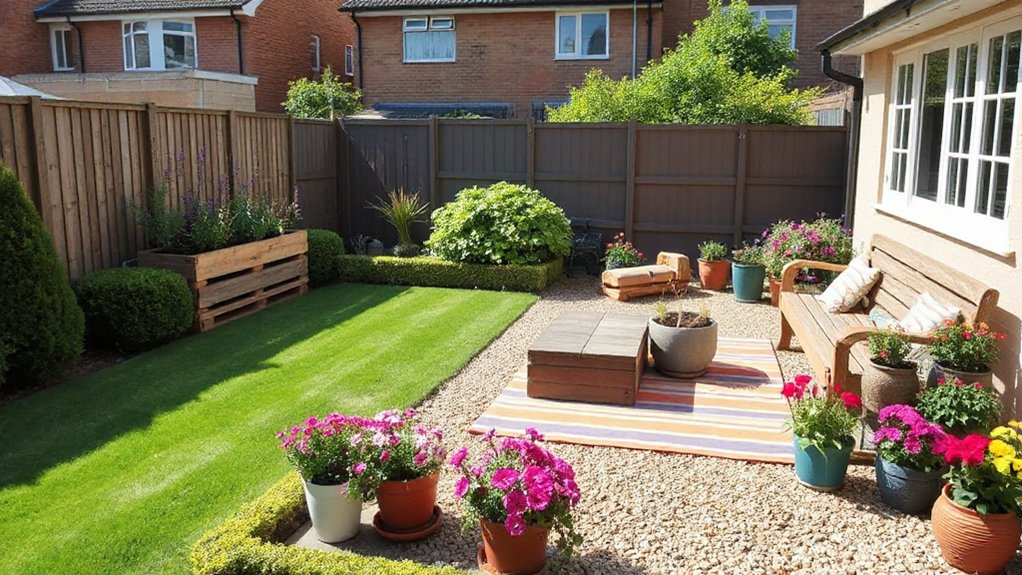
So, what does a budget UK garden makeover look like? You focus on practical changes that deliver big impact without overspending. Start with core structure: planters, edging, and seating that fit your space and climate.
Choose Garden accessories that add function and style without breaking the bank—think durable pots, compact trellises, and modular seating. Prioritize low-cost, high-return elements like mulching, lawn repair, and smart lighting that extends usability into evenings.
Keep to a simple color palette and repeat materials for cohesion. Pest control matters too, so implement proactive, budget-friendly strategies: dense planting to deter pests, beneficial insects, and manual inspection routes.
Maintainability matters; select easy-to-care-for plants and tools you’ll actually use. Your makeover stays efficient, cohesive, and affordable.
Set Your UK Budget and Garden Goals
Define what you want to achieve—flower beds, low-maintenance borders, or a veggie patch—and tie each goal to a rough cost.
Prioritize must-haves first, so you lock in essentials before considering nice-to-haves.
Set Clear Budget Limits
To set clear budget limits, start by naming your overall UK budget and the garden goals you want to achieve. You’ll pair this with a realistic timeline and a prioritized list of must-haves.
Map out spends by zone—hardscape, plants, irrigation, and maintenance—and attach caps to each category. Track every purchase and total regularly to prevent overrun.
When considering garden pests or seasonal needs, constrain options to a few reliable, cost-effective choices rather than quick fixes.
Balance upfront costs with long-term value, favor durable materials and low-maintenance selections.
Plan for lawn maintenance within the budget, choosing seeds or turf, mowing zones, and seasonal care that minimize extra work.
Reassess quarterly and adjust to stay aligned with your garden goals and budget limits.
Define Garden Goals
Define your UK budget and garden goals clearly from the start. You’ll shape decisions around space, sunlight, and soil, so map realistic outcomes within your means. Begin by listing must-haves, then identify where you can trade effort for cost.
Decide whether you want a low-maintenance wave of greenery or seasonal color that evolves year to year. Consider how you’ll measure success: fewer waterings, added curb appeal, or a space you actually use.
Integrate Garden art strategically to anchor focal points without inflating costs. Plan for wildlife habitats by reserving native plantings, dense borders, and sheltered corners.
Set a timeline that aligns with seasonal buying. Revisit goals after each major planting to stay aligned with your budget and aspirations.
Prioritize Must-Haves First
Start by listing your must-haves and pinning a realistic UK budget around them. You’ll set clear priorities before you spend a pound. Identify items that deliver the most value and align with your goals, then allocate funds accordingly.
Garden furniture should be chosen for durability, weather resistance, and comfort, not just style.
Pest control must be planned within the budget to prevent costly issues later, balancing prevention with practical treatment.
Map out a phased approach: essential improvements first, enhancements second.
Stay strict on cost per item, avoid impulse buys, and allow a small contingency for surprises.
Revisit goals quarterly to prevent scope creep, and adjust spending as needed.
This disciplined setup keeps your project focused, affordable, and deliverable.
Assess Your Space: Sun, Shade, and Drainage
Before you start planting, map your space by noting where sun and shade fall throughout the day and identifying any low spots or soil drainage issues; this upfront assessment will guide your plant choices and placement for lasting結果.
- Sun tracking: mark sunny exposures, shady corners, and partial shade areas to pair with appropriate species.
- Drainage check: note puddling, slope, and soil compaction; plan beds or containers where water drains freely.
- Microclimates: identify wind lanes and heat pockets to position garden art and wildlife habitats strategically.
With this info, choose perennials and evergreen structure first, then fill with adaptable annuals. This approach supports low-maintenance gardening while encouraging wildlife habitats.
Seasonal Plant Palettes for UK Gardens
Key seasonal palette picks help you shape year-round color without overspending, so you can plan borders, containers, and paths that look vibrant in every season.
We’ll cover year-round color schemes and practical UK-friendly planting tips that align with your budget and site conditions.
Start by identifying your climate quirks, then map color ideas to seasonality and local plants you can source affordably.
Seasonal Palette Picks
1) Build a core trio: a dominant color, an accent, and a neutral. This keeps cohesion as seasons shift.
2) Use repeat plantings and durable对 leaves: evergreen cushions with seasonal blooms for constant interest.
3) Integrate Garden decor strategically: containers, trellises, and edging to frame color blocks and guide the eye.
Practical tips: plan for pest control with resilient varieties, and select low-maintenance textures. Stay focused on simple, repeatable color schemes to maximize impact and minimize work.
Year-Round Color Schemes
A year-round color scheme in a UK garden hinges on balancing evergreens with seasonal blooms so you always have focal points and structure. You’ll design palettes that evolve smoothly, using neutral backdrop foliage and accents that shift with the seasons.
Choose a core group of reliable evergreens for foundation color and structure, then add hardy shrubs and perennial borders for continuous interest.
For spring, target fresh foliage and early blossoms; in summer, lean on bright, heat-tolerant combinations; autumn should feature warm tones and seed heads; winter interest comes from textured evergreens, berries, and stems.
Maintain balance by rotating where you place color spots and using height variations.
Practice practical maintenance: manage garden pests promptly and refine with composting techniques to sustain soil health.
UK Climate Planting Tips
If you’re planting for a UK climate, start with a clear seasonal palette that suits your site and exposes you to our typical temperature swings and rainfall patterns. You’ll want reliable structure, low maintenance, and seasonal interest that stretches across borders of seasons.
Build your approach with these practical steps:
- Choose adaptable plant groups: wildflower meadows, hardy grasses, and evergreen backbone plants for year-round form.
- Plan succession: early bloomers, mid-season color, and late-season textures to bridge gaps between rainfall shifts.
- Incorporate vertical gardens: space-saving greens, herbs, and flowering climbers to maximize small plots.
Prioritize soil health, mulching, and drainage. Use native or well-adapted varieties to reduce maintenance and water use.
Where to Find Budget Plants for UK Climatic Conditions
You can stretch your budget by sourcing plants from multiple practical places: local garden centers during seasonal sales, plant fairs, and community swaps, plus online nurseries that offer bulk quantities or smaller, affordable options suitable for UK climates.
Look for hardy specimens labeled for UK conditions and avoid exotic varieties that need extra care. Compare prices per plant and per pot, and consider plugs or small container specimens to fill gaps quickly.
Plant containers and garden accessories can be repurposed to cut costs—think reusable pots, repainted barrels, and clever drainage.
Check local councils’ plant giveaways or school fundraising days for discounts.
Choose reputable suppliers with clear provenance and return policies, and plan a mix of shrubs, perennials, and seasonal color to maximize resilience and impact.
Easy DIY Hardscapes You Can Do This Weekend
Weekend projects like weekend outdoor pavings and simple stone paths let you transform areas fast without breaking the bank. You’ll plan quick, durable setups that fit your space, budget, and skill level.
Let’s break down practical steps, tools, and material options you can grab this weekend.
Weekend Outdoor Pavings
A weekend paving project can transform your outdoors fast with minimal fuss. You’ll plan, level, and lay with practical steps, avoiding overcomplication. Here’s a concise approach to quick, durable gains:
- Choose permeable slabs and a compacted bed to reduce drainage issues and weed growth, then set patterns that suit your space.
- Use a rubber mallet and spirit level to keep joints uniform, and finish with a broomed edge for a neat, low-maintenance border.
- Complete the setup by integrating garden furniture nearby and scheduling pest control measures for adjacent plantings, ensuring usability and comfort without extra visits.
This weekend, keep tools simple, measure twice, and enjoy the refreshed area.
Simple Stone Paths
Stone paths are a quick, cost-effective upgrade that adds function and charm to tired yards. You can lay simple stone steps or slabs over a clean, level base, then compact sand or gravel for stability.
Measure and mark a clear route to avoid winding, uneven edges that trap moisture. Choose flat, locally sourced stones for ease of placement and a natural look.
Set joints with sand and brush into place to deter weed growth. Maintain accessibility by keeping paths wide enough for walk-along access and garden furniture to pass safely.
Add subtle edging to keep pavers from shifting. Integrate water features or a small water basin nearby to reflect light and soften hardscapes, enhancing visual appeal without heavy maintenance.
Mulch, Groundcover, and Soil Health Wins
Mulch, groundcover, and healthy soil start with a simple rule: mulch acts as a blanket, groundcovers reduce weeds, and soil health underpins every plant’s success. You’ll gain resilience, fewer weeds, and steadier moisture with the right choices.
1) Mulch benefits: choose organic mulch to feed soil as it decomposes, keep roots cool, and cut evaporation.
2) Groundcover strategy: plant low-growing, fast-spreading options to suppress weeds and stabilize soil.
3) Soil amendment: topdress with compost or well-rotted manure annually to improve structure, nutrients, and microbial life.
Keep edges tidy, mulch evenly, and monitor moisture. Your beds will look cohesive, stay healthier, and require less maintenance. This approach delivers long-term cost efficiency and garden vigor.
Edible Edges: Low-Cost Kitchen Garden Ideas
Edible edges let you turn the garden’s border into productive space without breaking the bank. You can blend usefulness with simplicity by planting compact herbs, salad greens, or dwarf fruit trees along paths and fences.
Use raised beds or tiered planters for easy access and soil control, then edge with simple timber or bricks to define zones.
Choose crops that thrive in UK climates and require minimal care, such as chard, lettuce, kale, rhubarb, and strawberry runners.
Mulch lightly to conserve moisture and suppress weeds, keeping maintenance low.
Integrate quick, low-cost irrigation drips or soaker hoses for efficiency.
Add garden accessories like trellises, cold frames, or dynamic containers to host edibles and attract beneficial wildlife.
Wildlife habitats promote pollinators and pest control, boosting yields without extra spend.
Create Outdoor Rooms With Affordable Pathways

Transform a plain backyard into a series of inviting outdoor rooms by crafting affordable pathways that define zones and guide movement. You’ll create rhythm and function without breaking the bank, using simple materials and thoughtful placement. Choose durable, walkway-friendly surfaces and tuck garden furniture within each zone to encourage seating, dining, and shade.
For pest control, keep edges tidy and plant spacing quiet—less clutter equals fewer hiding spots for pests.
- Define zones with contrasting materials to signal function.
- Use compact paving or stepping stones for cost efficiency.
- Integrate seating, lighting, and planters to extend usability.
With smart pathways, you’ll enjoy organized spaces, easier maintenance, and year-round appeal.
Low-Maintenance Plant Picks for UK Weather
High-maintenance isn’t the goal here. You want plants that thrive with minimal fuss in UK weather, yet still support steady curb appeal. Choose varieties proven to endure cold snaps, wet springs, and dry summers without daily attention.
Think coastal grasses for movement, evergreen shrubs for structure, and compact perennials that self-seed responsibly. Native options boost resilience and support urban wildlife, while reducing water and feeding needs.
Group plants by light: sun lovers in the south, shade-tolerant picks under trees. Mulch to conserve moisture and deter weeds, and use drip irrigation or soaker hoses to save water.
Integrate these choices with a simple layout that hints at garden feng shui—clear sightlines, balanced shapes, and calm color ramps for daily serenity.
Upcycling Ideas That Transform Your Garden on a Budget
If you want standout garden changes on a budget, upcycling old or unused items is a smart move that saves money and cuts waste. You’ll repurpose practical pieces while keeping your space fresh and functional. Focus on durability, weatherproofing, and simple finishes to maximize impact.
1) Transform thrifted pallets into vertical planters or bench seating, adding sturdy hardware and a sealant for longevity.
2) Reuse brick, terracotta, or broken pottery to create rustic borders, paths, or edging that defines zones without big costs.
3) Convert reclaimed doors or shutters into garden screens or tabletops, pairing with cushions for inviting Garden furniture.
These ideas support Pest control by using dense plantings and natural barriers. Stay practical, precise, and intentional.
Water-Wise Upgrades That Save on Bills
Water-wise upgrades save you money without sacrificing garden looks. To cut bills, start with efficient irrigation: fit a drip or soaker hose system and use a timer so watering happens at dawn or dusk.
Collect rainwater with a barrel to supplement usage for non-potable tasks.
Mulch generously to retain moisture and reduce evaporation.
Choose drought resistant plants—perennials that thrive with minimal watering—reducing ongoing maintenance and failures.
Group plants by water needs to prevent over-watering any species.
Improve soil structure with compost, which boosts water retention and plant health.
Use native or well-adapted species to tolerate UK climates, lowering irrigation demands further.
Regularly check for leaks, fix faults promptly, and reset timers after rainfall to optimize water conservation and spend less on bills.
Lighting That Extends Outdoor Use Year-Round

Even after sunset, you can keep your garden usable and inviting by selecting lighting that’s efficient, durable, and weather-ready. With thoughtful outdoor illumination, you extend usability and safety without breaking the budget. Focus on practical choices that deliver reliable performance year-round.
- Choose low-energy options like LEDs with warm color temperatures for welcoming ambience.
- Use weatherproof fixtures rated for UK conditions, and place them to highlight paths, seating, and key features.
- Plan a simple controls setup—timers or smart plugs—to automate dusk-to-dawn lighting and cut waste.
Garden lighting isn’t just aesthetics; it enhances security and usability after dark. Invest in quality fittings, plan fixes upfront, and maintain clean lenses for consistent brightness.
Seasonal Maintenance You Can Do on a Budget
Seasonal maintenance on a budget starts with smart, simple checks you can do now. You’ll swap in low-cost fixes that blend dirt-to-dust care with budget-boosting upkeep, keeping plants thriving through shifts in weather.
Let’s discuss practical steps that save money while preserving soil health, moisture, and curb appeal.
Seasonal Dirt to Dust
Seasonal maintenance can keep your garden thriving without breaking the bank, and it starts with a simple shift from dirt to dust—clean, small tasks that prevent big problems. You’ll notice quick wins when you tackle routines now, not later. Focus on protecting garden furniture and tightening pest control, so minor issues don’t escalate.
- Wipe down and cover outdoor furniture after use to extend life.
- Sweep paths and borders, then fine-tune drainage to avoid damp spots.
- Inspect pots, prune away dead growth, and refresh soil where needed.
These steps save money and time, keeping growing spaces healthier.
Consistency beats big fixes, so schedule a brief weekly sweep. You’ll maintain curb appeal and performance without overspending. Seasonal care today prevents costly repairs tomorrow.
Budget-Boosting Upkeep
Begin with Garden furniture care—wash, dry, and apply a protective sealant to extend life and avoid costly replacements. In summer, shield seating from sun and rain with covers; in winter, store or wrap to prevent weathering.
For pest control, act early: seal gaps, trim vegetation away from the house, and use targeted traps or natural deterrents rather than broad sprays.
Regularly empty planters, refresh soil, and prune lightly to maintain vigor without overspending. These disciplined habits compound, delivering lasting value for your garden.
Quick Transformations: Wall Rendering and Fences on a Budget

Ever wondered how to refresh walls and fences without blowing your budget? You can achieve fast, durable results with a focused approach. Start with a slimline render or weatherproof paint in a neutral tone to brighten spaces and deter moisture damage.
For fences, consider lightweight panels or rejuvenated boards with a fresh coat to extend life without full replacement.
- Prep properly: clean, repair cracks, seal gaps.
- Choose affordable finishes: breathable paints or cementitious coats.
- Apply in ideal weather: dry, mild days prevent adhesion issues.
These quick steps support practical garden updates, helping you keep garden furniture looking good and pest control simple. With careful planning, you upgrade appearances, not costs, while maintaining structural integrity and outdoor usability.
When to Hire Help: DIY vs. Professional Investment
Deciding whether to DIY or hire a pro hinges on cost, risk, and time. You assess your budget upfront, then weigh the potential savings against mistakes, delays, and the hassle factor.
For simple tasks like painting a fence or installing garden furniture, DIY can pay off, especially when you value learning and control over the project timeline.
When safety, structural integrity, or garden drainage are involved, a professional investment reduces risk and may save money in the long run.
Consider pest control and irrigation, where improper handling can backfire; a pro often delivers quicker, longer-lasting results.
If you’re juggling multiple tasks, hire help for the high-skill or hazardous elements, while you tackle finishing touches and maintenance yourself.
Before-After Checklist and Next Steps for UK Homeowners
Before you plunge in, here’s a practical checklist to lock in what you’ve done and map out the next steps for UK homeowners. You’ll finish strong by validating results, spotting gaps, and planning the next season with intention. Keep garden pests and wildlife habitats in mind as you assess.
- Review the completed changes, noting what worked and what didn’t.
- Capture before/after photos, measurements, and budget versus actuals for future planning.
- Schedule seasonal maintenance, pest prevention, and habitat tweaks to balance beauty with biodiversity.
Next steps: set recurring milestones, document lessons learned, and adjust plans for the coming year. This keeps your makeover efficient, affordable, and resilient against pests while supporting wildlife habitats.
Frequently Asked Questions
How to Prioritize a Budget Garden Makeover for Time?
Prioritize time by mapping a garden layout first, then narrow plant selection to perennials and low-maintenance options. Start with hardscape fixes, schedule irrigation last, and batch tasks; you’ll complete a cohesive makeover efficiently, avoiding repeated visits.
Can Small Spaces Still Yield Big Curb Appeal?
Small spaces can absolutely yield big curb appeal. Like a compact canvas, urban gardening proves powerful with smart balcony designs. You’ll maximize impact, choose verticals, containers, and lighting, and you’ll transform your balcony into a striking, practical outdoor room.
What Are the Cheapest Water-Saving Options?
Rainwater harvesting can cut your water bill, and drip irrigation minimizes waste; implement both now. You’ll collect rain, store it, and deliver it precisely to roots, saving water, time, and money—practically and affordably.
How to Choose Hardy, Low-Cost Perennials?
Choose hardy, low-cost perennials by prioritizing drought-tolerant, regional natives. Perennial selection should favor strong root systems and low maintenance. Cost effective planting means buying slight larger plugs, mulching, and grouping plants for water efficiency and visual impact.
Is Professional Help Necessary for Major Changes?
Absolutely not. You can handle minor updates yourself, but for major changes, professional help guarantees safe, cohesive garden design and proper landscaping tips, especially drainage and structure. You’ll gain a solid plan, saving time and avoiding costly mistakes.
Conclusion
You’ve mapped a budget-friendly vision, but the garden’s story isn’t finished yet. Each season offers another chance to refine what you started: smarter plant choices, upcycled accents, and tighter maintenance routines that stretch every pound. Stay curious, stay practical, and resist overreach. The next payoff isn’t just greener borders or fresh paint—it’s the quiet certainty that, with each careful step, you’re building a space that keeps giving. Will you take the next, smarter move tonight?