

Think of curb appeal as smart plumbing for your home—small fixes, big impact. You’ll steer power cleaning, paint touch-ups, and hardy plantings that cost little but look sharp. Use durable, low-maintenance materials and simple landscaping tweaks to reduce ongoing upkeep. Keep a practical budget, plan quick wins, and track improvements to avoid backsliding. Curious how to stack gains without breaking the bank, you’ll find practical steps that pay off fast.
Key Takeaways
- Prioritize a clear budget with must-haves versus upgrades, focusing on high-impact, cost-effective improvements.
- Power wash exterior surfaces at low pressure to refresh curb appeal without damage.
- Use durable, low-maintenance materials and simple DIY checklists to plan tasks and track progress.
- Create cohesive styling with neutral base colors, coordinated accents, and matched landscaping elements.
- Refresh seasonal planting and mulch, combine with seasonal accents to extend appeal year-round.
What Kerb Appeal Costs and How to Plan Your Budget
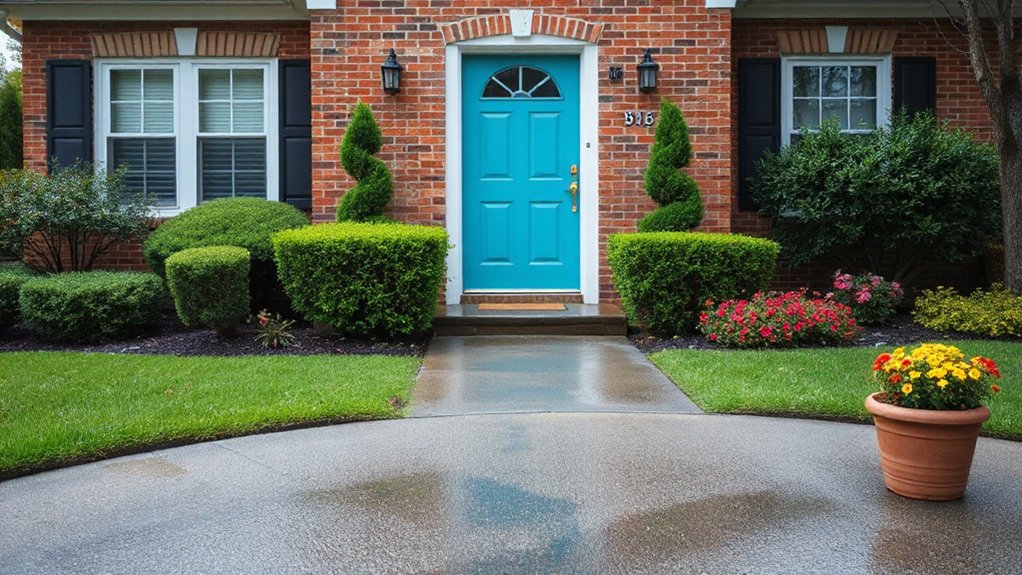
Costs for kerb appeal vary based on scope, but you can plan effectively by separating essentials from upgrades. You’ll map a clear budget allocation, labeling must-haves versus nice-to-haves, so you don’t overspend.
Begin with exterior basics—maintenance, paint touch-ups, door and mailbox updates, and lighting—then evaluate enhancements that boost curb value without over-investing.
Prioritize products and services that deliver high impact per cost, focusing on aesthetic balance across color, texture, and proportion. Set a cap for each category and track deviations weekly.
Consider seasonal timing and supplier discounts to stretch funds. Remember, consistency wins: cohesive materials and colors prevent wasted investment.
With disciplined budgeting, you’ll achieve noticeable improvements while keeping costs predictable and achievable.
Quick Wins: Budget-Friendly Exterior Cleaning Ideas
Power wash exterior surfaces to remove built-up grime and instantly boost curb appeal without a big budget.
Freshen fascia ends to prevent peeling and keep your home looking tidy from the street.
These quick, practical moves set a solid baseline before you tackle deeper improvements.
Power Wash Exterior
A quick, effective way to boost curb appeal is to power wash the exterior. You’ll remove dirt, soot, and mildew without costly renovations, revealing cleaner siding, brick, and EAVE lines.
Start with a low-pressure setting to protect surfaces, then raise pressure only where needed. Work in smooth, overlapping strokes, from top to bottom, and rinse away loosened grime with a steady pass.
Before you begin, protect plants, garden pathways, and outdoor furniture with plastic sheeting or tarps. Use a retractable nozzle tip for delicate areas and a wider fan for broad surfaces.
Reassess after washing: rinse all crevices, check for residual stains, and repeat only where necessary.
A clean exterior enhances your home’s first impression and complements garden pathways and outdoor furniture.
Freshen Fascia Ends
Even small gaps in fascia ends can sabotage curb appeal, so freshening them is a smart, budget-friendly move. You’ll start with a quick inspection, noting chipped paint, cracks, or loose end caps.
For fascia maintenance, use a scraper to remove loose material, then sand rough edges so new coatings adhere smoothly. Clean the surface with a mild detergent solution, rinse, and let it dry completely.
Apply a high-quality exterior primer to bare wood, then two coats of durable paint or stain designed for fascias.
If you spot loose end caps, secure them first and reseal joints with caulk rated for exterior use. Consider a simple end cap repair kit for rapid fixes.
Minimal materials, clear results, and a sharper exterior.
Freshen the Facade: Budget Paint and Small Siding Updates

You can refresh your home’s first impression with a fresh coat of paint and a few small siding tweaks.
Stick to a cohesive palette and targeted updates to maximize impact without breaking the bank.
Start with sample patches on a small area to confirm color and texture before full application.
Fresh Paint, Fresh Look
Fresh paint can dramatically refresh your home’s exterior without breaking the bank, and small siding updates add long-lasting impact. You’ll choose quality, not quantity, to maximize curb appeal.
Start with a neutral base that compliments your roof and landscaping, then use accent colors to highlight architectural features. Consider color psychology: cool tones convey calm and modernity, while warm hues invite warmth and approachability.
Guarantee paint durability by selecting 100% acrylic or elastomeric formulas for exterior exposure and proper UV resistance. Prep matters: clean surfaces, repair cracks, and prime where needed to extend longevity.
Invest in practical primers for edges and trims to prevent peeling. Apply in mild temperatures with steady coats, and seal edges for a durable finish that resists fading, mildew, and weathering.
Budget Siding Updates
Updating your exterior doesn’t have to break the bank. Budget siding updates let you refresh curb appeal with practical steps and solid results. Choose a siding material that balances cost, durability, and appearance, such as vinyl or engineered wood, to maximize impact without overspending.
Focus on clean installation techniques and precise detailing to avoid future repairs. Keep the project tight and efficient with these priorities:
- Select affordable siding material and color that complements architectural style.
- Prep surfaces properly, including flashing checks, before any installation techniques, to prevent leaks.
- Install with minimal disruption—stagger joints, seal gaps, and trim cleanly for a polished look.
Even small updates can yield big results when you plan, execute, and finish with care.
Landscaping on a Shoestring: Inexpensive Plantings and Mulch Tricks
Affordable curb appeal starts with smart plant choices and simple mulch tricks that stretch your budget. You’ll maximize impact by selecting perennials that thrive in your climate and require minimal care, then mass them for visual effect rather than chasing costly specimens.
Use shredded hardwood mulch to suppress weeds, dampen soil-temperature swings, and define beds with clean edges. Group plantings in odd numbers and vary heights for depth, avoiding overcrowding.
Recycle containers and swap in inexpensive, durable options to refresh looks without buying new stock. Integrate a garden sculpture or a small water feature as focal points to draw attention without oversized expenditures.
Mulch shades, drip irrigation where needed, and seasonal color through inexpensive annuals keep curb appeal high year-round without breaking the bank.
Kerb-Appeal Lighting on a Budget: DIY Upgrades That Wow
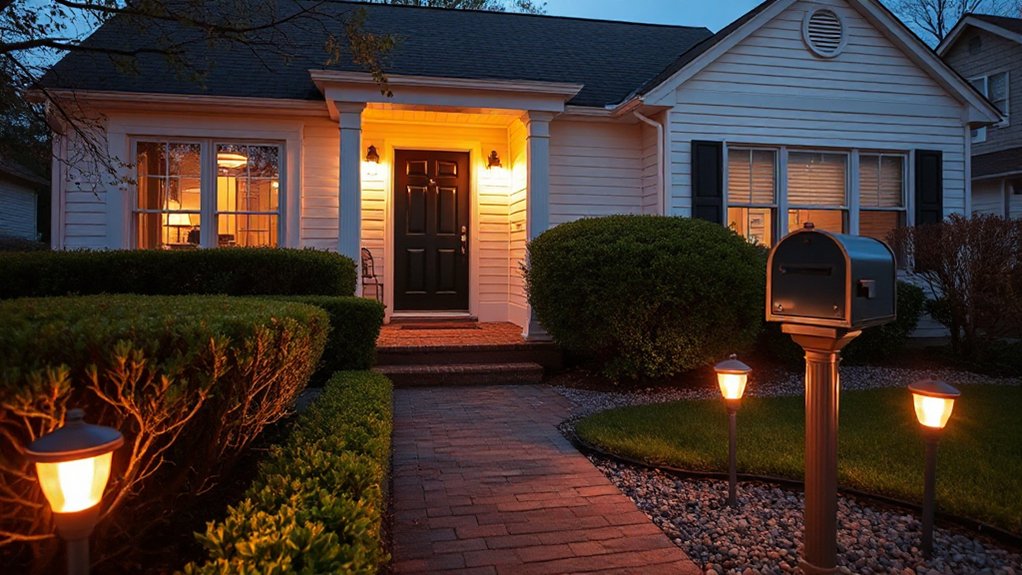
Lighting can transform curb appeal without breaking the bank, and you can start with a few smart, DIY upgrades. You’ll gain impact without contractor costs by choosing efficient, low-profile lighting that highlights key features. Keep fixtures simple, aim for even illumination, and consider warm tones to invite guests.
- Install stake lights along the path to emphasize decorative pathway accents.
- Add uplights at garden sculptures to create depth and cast sculptural shadows.
- Use solar-powered step lights to brighten stairs without wiring hassles.
Pair lighting with motion sensors for security and energy savings. Maintain contrast by avoiding glare; aim for gradual shifts between lit and shadowed areas.
Align fixtures with your garden sculptures and any decorative pathway accents to unify the scene. This budget approach yields strong kerb appeal without clutter or complexity.
Front Door Appeal: Color, Hardware, and Welcome Mat Tweaks
Your front door is the focal point that greets guests, so small tweaks to color, hardware, and the welcome mat can create a strong first impression without overhaul. You’ll maximize curb appeal with targeted changes.
Start with door color that contrasts with your siding and trim, staying within a cohesive palette. A refreshed hue doesn’t require a full repaint; even a single-coat refresh or a bold accent can transform the facade.
Next, hardware upgrades matter: replace worn knobs or hinges with solid, weatherproof finishes that echo exterior accents. Choose hardware that resists corrosion and feels substantial in hand.
Finally, select a welcoming mat that complements the door color and adds personality without clutter. A simple, stylish mat ties the entry together while signaling hospitality.
Driveway and Path Upgrades on a Budget
Before you plunge into major renovations, maximize curb appeal with budget-friendly driveway and path upgrades that look intentional and durable. You’ll transform first impressions with practical changes that don’t break the bank, focusing on materials, layout, and finishing touches. Use steady, clear lines and selective contrasts to guide the eye toward the home’s best features.
Garden ornamentation can punctuate pathways without clutter, while staying cohesive with your chosen driveway materials.
- Choose cost-effective driveway materials like permeable pavers or compacted gravel with edging for tidy, durable surfaces.
- Install a simple, matching border to unify the driveway and path, creating a deliberate flow.
- Add seasonal accents along edges—pots, low garden sculptures, or lighting—to elevate appeal without overstatement.
Mailbox, Trim, and Greenery: Cohesive Curb-Scene Cohesion
A cohesive curb scene starts with careful mailbox, trim, and greenery choices that echo your home’s style and drive-by rhythm. You align mailbox makeover details with your exterior palette, keeping scale and materials consistent with the house.
Trim lines should mirror architectural features—clean edges, even gaps, and a tidy edge along the driveway.
Choose greenery that frames entry points without overpowering them; choose low-maintenance varieties and repeat color accents to reinforce rhythm from curb to door.
Plantings should be compact at the base and taller as you move outward, creating layered interest without crowding the view. Maintain clear sightlines for security and accessibility.
Keep mulch fine and neat, and prune regularly to preserve shape, ensuring a cohesive, inviting street presence through steady, deliberate choices.
Seasonal Curb Cues: Tailoring Tweaks for Year-Round Appeal
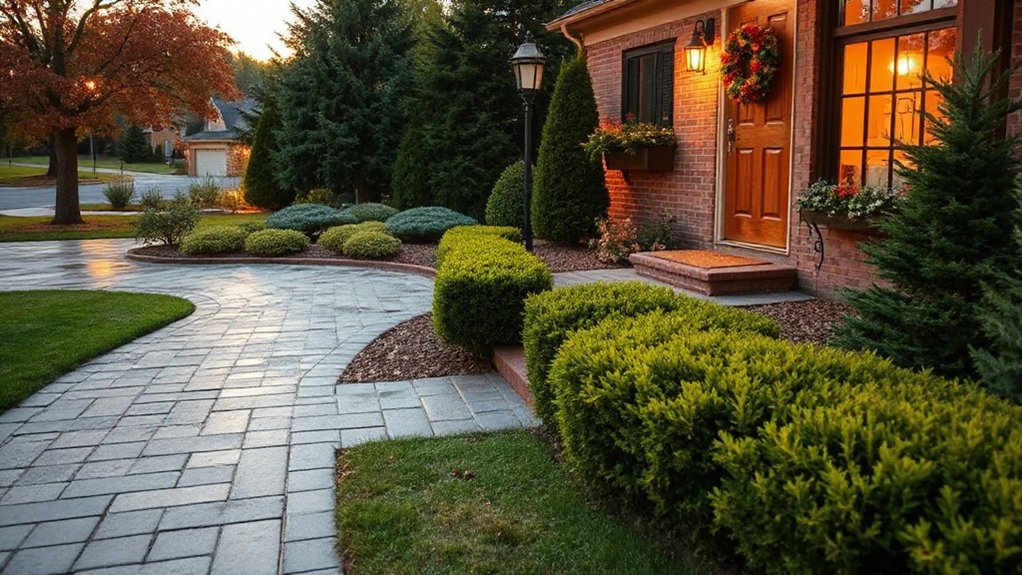
Seasonal curb cues keep your home looking sharp year-round by aligning tweaks with each season’s light, color, and weather. You adapt quickly, applying seasonal plantings and weatherproofing strategies that fit current conditions and curb aesthetics.
- Seasonal plantings: switch annuals for color bursts in spring and fall, and use evergreens for winter structure.
- Weatherproofing strategies: seal gaps, trim overgrowth, and protect Front Door finishes to endure rain, heat, and cold.
- Color cadence: adjust foliage and accents to echo seasonal hues, keeping contrast high for visibility.
Keep a simple calendar and rotate accents every few months. Maintain clean lines and tested lighting to extend curb appeal after dark without overspending. This approach delivers year-long impact with minimal effort.
Maintenance Mindset: Simple Habits to Keep Kerb Appeal High
Adopt a daily quick-maintenance routine to nip small issues in the bud and keep your curb appeal steady. Tackle curbside tasks like clearing debris, checking plant health, and lighting.
Then schedule a simple seasonal upkeep plan to cover larger tasks. By treating upkeep as a habit, you’ll sustain the look you want without breaking your budget.
Daily Quick Maintenance
- Inspect garden furniture and decorative ornaments for loose parts, rust, or fading finishes. Tighten fittings, clean surfaces, and apply a fresh seal if needed.
- Sweep sidewalks and entryways. Remove dirt, leaves, and debris daily to maintain a welcoming first impression.
- Check lighting and plantings. Replace bulbs, trim overgrowth, and refresh mulch or soil to keep scene balanced and inviting.
Seasonal Upkeep Practices
Seasonal upkeep keeps kerb appeal high without wasting effort. You’ll build a simple cadence that carries you through each season.
Start with minor, repeatable tasks: prune overgrowth, tidy edges, and mulch beds to preserve color and reduce weed growth.
Schedule a quick exterior inspection monthly to catch loose hardware, chipped paint, or damaged edging before it becomes costly.
Optimize garden lighting to highlight focal points and deter trouble at dusk, checking bulbs and wiring during routine cleanups.
Protect outdoor furniture from weather by storing cushions or covering pieces when not in use, extending their life and maintaining a polished look.
Keep paths clear, fastidiously sweep debris, and refresh seasonal color with modest, durable plantings for consistent curb appeal.
Affordable, Durable Materials for Curb Upgrades

For curb upgrades, choosing economical, long-lasting materials is the smart starting point. You’ll get long-lasting curb appeal without breaking the bank, so you can invest more in maintenance and landscape upgrades.
When selecting materials, focus on proven performance and low upkeep to guarantee durable options that stand up to weather and foot traffic.
- Pavers or concrete with reinforced cores for crack resistance
- Steel or aluminum edging with powder-coated finishes for rust prevention
- Composite or treated wood alternatives that resist rot and fading
- Prioritize materials labeled suitable for exterior use and climate you live in.
- Check warranties and installation guidance to maximize lifespan.
- Plan for proper drainage and joint spacing to prevent water damage.
economical materials, durable options.
DIY Project Checklists for Each Improvement
To turn the curb-upgrade ideas into real results, use a concise DIY project checklist for each improvement. Start by defining scope, goals, and deadline, then list required tools and budget.
Break tasks into small steps: prep, install, finish, and review.
For garden ornaments and outdoor art, verify placement, secure mounting, and weatherproofing before elevating curb appeal.
Create safety checks: ladders, gloves, eye protection, and neighbor notification if needed.
Allocate time blocks and track progress to stay on schedule.
Gather samples or photos to compare finishes, colors, and textures.
Document measurements and supplier options, noting lead times.
Use a simple checklist format: materials, steps, responsible person, and completion status.
Conclude with a quick quality check to guarantee stability, aesthetics, and durability.
Quick Evaluation: Measure Impact and Plan Next Edits
Once you’ve implemented the curb improvements, measure impact quickly to know what worked and what didn’t. You’ll use simple, repeatable checks to stay objective and avoid guessing. Focus on immediate signals from curbside decor and landscape lighting, then plan tight edits based on results.
- Record near-term outcomes: note changes in curb visibility, time of night performance, and lighting consistency.
- Compare against goals: confirm if the improvements boosted curb presence, readability, and safety without overspending.
- Plan your next edits: prioritize tweaks with the strongest payoff, set a small budget, and schedule follow-up checks.
Keep measurements concrete, objective, and repeatable. This disciplined approach minimizes wasted effort and accelerates momentum toward a polished, cost-effective curb appeal.
Frequently Asked Questions
How Long Does Each Curb Upgrade Take to Complete?
A curb upgrade typically takes a few days to a week, depending on scope. You’ll plan around weather and permits. Use durable paving materials, then decorative edging to finish, ensuring clear access and lasting curb appeal.
What Are the Hidden Costs of DIY Projects?
Hit the nail on the head: DIY saves, yet hidden costs bite. You’ll face landscaping costs and material savings juggling. You’ll budget, compare, and plan—avoiding surprises while you maximize impact and minimize waste in every project.
Which Projects Yield the Best ROI on Curb Appeal?
You’ll get the best ROI by upgrading exterior lighting and aligning with landscaping trends, focusing on curb-appeal essentials. Prioritize tasteful lighting zoning, hardy plants, and clean front paths for high impact without overspending.
How to Prioritize Tasks With a Tight Budget?
You should start withBudget planning, then focus on Task prioritization. Assess impact and cost, list low-cost upgrades first, set a strict timeline, track spending daily, and adjust priorities as conditions change to maximize curb appeal within budget.
Are There Maintenance Schedules After Upgrades?
Yes, you should set a regular landscaping maintenance schedule and track lighting upgrades. You’ll keep curves clean, edges neat, and plants healthy, while documenting inspections, seasonal tasks, and warranty notes to maximize curb appeal investment.
Conclusion
You don’t need a big budget to boost curb appeal—plan, act, refine. You assess costs, prioritize tasks, and lock in quick wins. You clean, refresh, and seal; you paint, replace, and mulch; you plant hardy greens, craft cohesive accents, and install smart lighting. You maintain consistency, monitor impact, and adjust promptly. You invest time, not overtime, effort, not excess, discipline, not drama. You elevate first impressions through practical, purposeful, persistent improvements.