
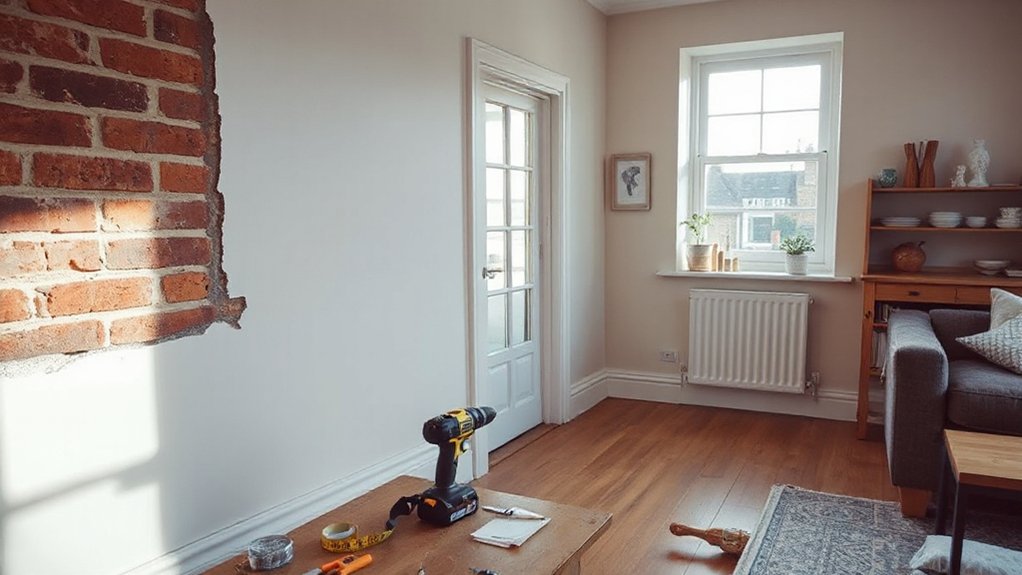

Renovating a UK home on a tight budget starts with a clear plan your future self will thank you for. Set a realistic cap, include a contingency, and list essential fixes first. You’ll gain more control by prioritising repairs, sourcing in bulk, and comparing quotes. With smart materials, upcycling, and phased upgrades, you can stretch every pound. Stay practical and focused, because the biggest savings come from disciplined steps that keep you on track—until you reach that point where the next small win matters more than the last.
Key Takeaways
- Start with a realistic budget: list must-haves, cap total costs, add 10–15% contingency, and track every expense against milestones.
- Use repair-over-replace logic: repair small flaws if cheap, replace only when longevity or value justifies it.
- Source smartly: obtain upfront quotes, compare bidders, and negotiate delivery, warranties, and returns to protect cash flow.
- Focus cost-effective design: upcycle, use low-cost finishes, and implement efficient layouts and eco-friendly materials.
- Plan phased improvements: quick wins first, mid-term upgrades, then long-term insulation and ventilation, with regular progress reviews.
Set Your UK Renovation Budget: A Realistic, Step-by-Step Plan
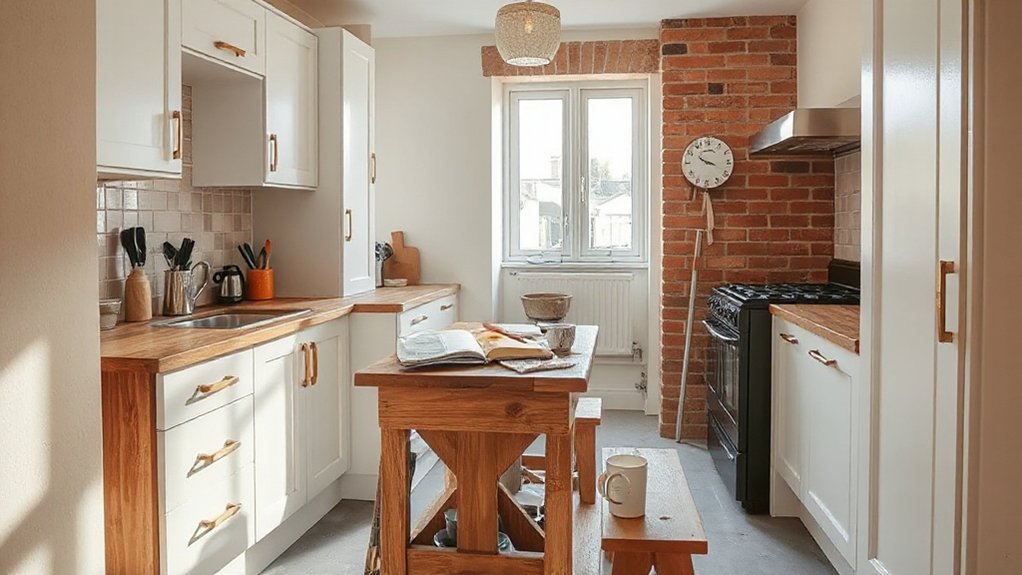
Setting a realistic budget for a UK home renovation begins with honesty about what you can afford today and what you might need to borrow tomorrow. You’ll start by listing must-haves, then rank nice-to-haves to protect cash flow.
Establish a total cap, add a contingency of 10–15%, and separate it from your payment schedule. Track every pound against a planned milestone, not wishful thinking.
Prioritize practical decisions: cash flow over flashy finishes, durability over trend. For luxury upgrades, quantify long-term value and maintenance costs before committing.
Consider exterior improvements that boost curb appeal yet reduce ongoing bills, like better insulation or draft-proofing.
Obtain multiple quotes, factor VAT, and secure any required permissions early.
Reassess monthly, adjust as prices shift, and document changes promptly.
Decide What to Repair vs Replace: A Practical Rule of Thumb
When deciding whether to repair or replace, start with the cost of each option and the expected lifespan. You’ll often save by repairing minor flaws, but if a component fails again soon, replacing it with efficient, durable parts can cut long‑term costs.
Assess the structure first: structural repairs, if needed, usually justify replacement of deteriorated elements rather than piecemeal fixes. If repairs restore safety and function with similar longevity, they’re worth it; otherwise, plan for a replacement that minimizes future maintenance.
Consider luxury finishes and whether the upgrade delivers meaningful value or a longer useful life. Document potential disruption, noise, and dust, then compare total outlays over 10–15 years.
Prioritize options that preserve core function, enhance energy efficiency, and reduce recurring repair bills.
Smart Sourcing for UK Budgets: Finding Deals on Materials and Trades
Smart sourcing starts with a clear budget baseline and a plan to shave costs without sacrificing quality. You’ll benefit from upfront estimates, then compare quotes for the same materials and scope.
Prioritise Material discounts by checking bulk pricing, supplier promos, and end-of-line stock, and don’t overlook local builders’ merchants who often run loyalty deals.
For trades, approach Trade negotiations with a transparent brief, set milestones, and request itemised bids. Ask for lead times, warranty terms, and post-install support, so savings don’t become future headaches.
Build a short list of preferred suppliers, then test them with small orders first to verify quality. Negotiate terms like delivery windows and return policies to keep cash flow steady while staying within your quality bar.
Design on a Budget: Upcycling, Layout Tweaks, and Cost-Saving Finishes
You can stretch a tight budget further by focusing on design choices you can implement now. Upcycling transforms old items into fresh focal points without buying new. Look for sturdy secondhand furniture you can sand, repaint, or reupholster to suit your palette and space.
Layout tweaks matter: open sightlines, furniture placement that frees walkways, and multiuse zones reduce extra purchases. Choose cost-saving finishes like matte paints, ceramic tile that looks premium, and vinyl flooring with longer life.
Incorporate eco-friendly materials where possible, such as low-VOC paints and reclaimed timber, to preserve ambience without added expense. Consider home automation elements only where they replace multiple gadgets or improve efficiency, then scale gradually.
Prioritize durable basics; small, well-chosen updates yield lasting impact.
A Practical Renovation Plan for Renters and Buyers: Phases You Can Follow

A practical renovation plan for renters and buyers builds momentum through clear phases you can follow, from quick wins to long-term improvements. You’ll structure work to minimize disruption, stay within budget, and track progress, while keeping DIY projects safe and compliant with legal considerations.
1) Prioritize quick wins that change perception fast, like fresh paint and hardware updates.
2) Schedule mid-term improvements that boost comfort and function, such as lighting and storage solutions.
3) Plan long-term upgrades that add value, including insulation, ventilation, and boiler checks.
4) Review progress periodically, adjust scope, and ensure compliance with tenancy or property regulations.
This phased approach keeps you focused, budget-conscious, and legally aligned as you transform a space you’ll rent or own.
Frequently Asked Questions
How Do I Prioritize Safety Updates on a Strict Budget?
Prioritize safety updates by starting with a thorough risk assessment and adhering to safety regulations. Identify critical fixes, allocate budget to those first, and schedule inspections early. Document findings, involve professionals when needed, and reallocate funds if risks rise.
Can I DIY Electrical Work Without Risking Warranties?
You shouldn’t DIY electrical work if you want warranties intact; hire a qualified electrician and document everything. For DIY plumbing and budget flooring, keep tasks within your skill, follow codes, and consult manufacturers to protect coverage. Stay safe, insured, compliant.
What Are Hidden Costs Not Shown in Quotes?
Honestly, hidden costs will pop up—so you’ll budget more. Budget friendly materials help, but watch for delivery, disposal, permit, and labor tweaks. You’ll ignore nothing: track every expense, use Hidden expense tips, stay practical, stay vigilant. Irony included.
How Can I Time Renovations to Minimize Disruption?
Plan timing strategies carefully to minimize disruption. Schedule trades during off-peak weeks, batch noisy tasks, and set clear milestones. Communicate changes promptly, prepare alternatives, and pace work to reduce daily upheaval, achieving disruption minimization without sacrificing progress.
Which Low-Cost Finishes Still Look High-End Long-Term?
Invest in premium textures and luxury fixtures; they endure and look refined longer, so you’ll get lasting impact. Choose durable finishes, neutral tones, and quality fittings, and you’ll keep upkeep low while preserving high-end appeal.
Conclusion
You’ve got a clear path: budget smart, prioritise repairs, and phase upgrades to stretch every pound. Think of it like repainting a room in patches—visible gains come quickly, but the real value blooms from deliberate, repeated steps. For example, a £500 contingency saved you months of holds and rewiring headaches last year, keeping a project on track. Stay disciplined, compare quotes, and batch purchases; small, steady wins compound into a transformed home without overspending.