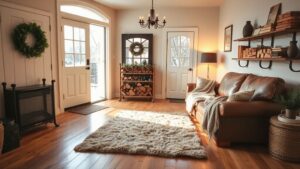

Start with a home energy audit to flag the biggest efficiency gaps, then tackle gaps around doors and windows while boosting insulation. Choose high‑performance windows and doors, upgrade HVAC and ventilation thoughtfully, and replace old lighting and appliances with efficient options. Add smart controls and zoning to optimize use, and plan with your contractor for budgeting and long‑term savings. The right sequence can reveal surprising value, and the next steps will change how your renovations pay off.
Do a Home Energy Audit to Set Renovation Priorities
A home energy audit helps you identify where your renovations will save the most energy and money. You’ll start with a clear view of how you use energy day to day, then spot high-cost hotspots worth prioritizing.
As you inspect, track heating and cooling loads, appliance efficiency, lighting, and standby power. The audit guides you to compare equipment upgrades, insulation tweaks, and window choices by payback and comfort impact.
You’ll categorize improvements into quick wins and longer-term projects, aligning them with your budget and timeline. Document findings, costs, and expected savings to create a practical renovation roadmap.
Use this plan to communicate with contractors, avoid scope creep, and stay focused on maximizing energy reductions while preserving comfort.
Seal Gaps and Insulate for Maximum Comfort
Sealing gaps and adding insulation is one of the fastest, most cost-effective ways to boost comfort and cut energy bills during a renovation. You’ll start by identifying obvious air leaks around doors, windows, electrical outlets, and plumbing penetrations. Use weatherstripping, door sweeps, and foam or caulk to seal gaps.
Then, mass-produce a tighter envelope with insulation that matches your climate. Focus on thermal bridges near corners, attic access, and exterior walls. Choose appropriate insulation types—dense‑pack spray foam, blown cellulose, or batt insulation—and install to recommended thickness for your area.
After sealing and insulating, recheck for drafts with a simple candle test or a smoke pencil. Finally, verify comfort improvements by noting steadier indoor temps and reduced heating or cooling runs.
Pick High‑Performance Windows and Doors to Stop Drafts
Upgrading to high-performance windows and doors is one of the most effective ways to stop drafts and sharpen your home’s energy efficiency. Choose double- or triple-glazed units with low-emissivity coatings to minimize heat transfer and glare.
Look for good weatherstripping, airtight frames, and tensioned sashes that hold seals firmly without gaps. Frame materials matter: vinyl, composite, or wood with proper insulation reduce thermal bridging.
Consider gas-filled spaces between panes for higher resistance to heat flow. Ensure proper installation or you’ll lose performance at the joints; sealing around openings matters as much as the units themselves.
Prioritize airtight, properly aligned operable windows and secure doors with multi-point locking. Plan for regular maintenance—clean, lubricate, and inspect weatherstrips to sustain performance over time.
Upgrade Heating, Cooling, and Ventilation Wisely
To maximize comfort and energy savings, prioritize an efficient heating, cooling, and ventilation strategy from the start. Start with a professional load calculation to match equipment to your home’s size and layout.
Choose an all‑electric heat pump system or a high‑efficiency furnace with a compatible air conditioner for year‑round comfort.
Invest in smart thermostats and zoning to tailor temperatures by room or floor, reducing waste.
Improve ventilation with a heat‑recovery ventilator or energy‑recovering ERV/HRV to exchange stale air without spiking costs.
Seal ducts and insulate attic spaces to minimize losses before you size equipment.
Consider radiant floor heat in key areas for comfort with lower air temperatures.
Plan maintenance schedules to sustain performance and efficiency over time.
Prioritize Efficient Appliances and Lighting
When you prioritize efficient appliances and lighting, you’ll cut energy use without sacrificing performance or comfort. Choose ENERGY STAR-certified models for refrigerators, dishwashers, dryers, and laundry machines, and look for heat pump options where available.
Opt for LED lighting with dimmable controls and proper color temperature to match each room’s purpose. Size appliances to your actual needs; oversized units waste energy and space.
In kitchens, run fewer cycles by organizing tasks and using delay-start features. For lighting, install smart sockets or timers to avoid phantom loads and daytime reliance on artificial light.
Maintain seals, coils, and filters to keep efficiency high, and replace old bulbs and motors promptly. Your renovations will deliver lower bills and steady comfort.
Set Up Smart Controls and Zoning to Save Energy Daily
Smart controls and zoning let you tailor energy use to daily needs, so you don’t waste power when rooms aren’t in use. With smart thermostats, you set temperature schedules by room or zone, so HVAC runs only where you are.
Pair occupancy sensors with lighting controls to dim or switch off lights when spaces are empty. Use zoning to separate living areas from unused spaces, reducing heating, cooling, and ventilation in unneeded zones.
Integrate blinds or shades with temperature readings to curb heat gain or loss. Keep devices on standby in check by scheduling outlets and using smart power strips.
Regularly review usage analytics to fine-tune schedules, improving comfort without sacrificing efficiency.
Work With Contractors on Energy‑Aware Planning and Budgeting
Collaborate early with your contractors to embed energy-aware planning and budgeting from the start. Establish a shared energy goal and translate it into measurable specs, like insulation R-values, window SHGC, and HVAC efficiency.
Ask for a detailed energy impact tag on every change order, so you can compare costs and savings before committing. Clearly define who’s responsible for energy decisions, and set decision deadlines to avoid slowdowns.
Prioritize high-impact upgrades, such as sealing ducts and upgrading lighting, verifying they fit your budget with transparent pricing. Demand upfront performance estimates, and request contractors to model long‑term savings against upfront costs.
Build in contingencies for price swings and supply delays, ensuring your plan remains flexible without sacrificing essential energy targets. Review progress regularly and adjust as needed.
Quick Wins and Maintenance
You’ve set energy targets with your contractors, so let’s zero in on quick wins and maintenance that keep momentum without delaying the bigger plan. Identify low-effort fixes that yield immediate savings, like sealing gaps around doors and outlets, upgrading luminaires to LEDs, and programming thermostats for sensible setbacks.
Schedule regular system checks—HVAC filters, insulation, and air leaks—to prevent performance drops before they grow costly. Create a simple upkeep calendar and assign owners for each task, so nothing slips between planning and execution.
Track results with a basic log of energy use and comfort notes, adjusting as needed. Prioritize durable, cost-effective improvements that don’t require deep renovations, such as smart power strips and weatherstripping. This keeps savings steady while you progress toward larger, efficiency-driven goals.
Conclusion
You’ve got the roadmap to greener renovations: start with a thorough energy audit, seal and insulate, and choose high‑performance windows and doors. Upgrade HVAC and ventilation wisely, pick efficient appliances and LED lighting, and add smart controls with zoning to trim daily energy use. Work closely with contractors on energy‑aware planning and budgeting, and tackle quick wins now. With regular maintenance, you’ll keep savings steady, comfort high, and your home’s value rising.