


You should start by clarifying your goals and budgets, then validate value with market data and a solid valuation. Next, score projects by impact versus cost, prioritizing high-impact, low-to-moderate-cost upgrades. Implement quick wins like efficient lighting and curb appeal to tighten occupancy speed, while planning durable, scalable improvements for long-term ROI. Track progress daily, reallocate when budgets shift, and reserve contingencies. If you keep going, you’ll gain access to more practical steps and tools to sharpen your strategy.
Key Takeaways
- Align budget with clear property goals by valuing market data, defining nonnegotiables, and prioritizing long-term objectives over quick wins.
- Score projects by impact and cost (high/medium/low) to focus on high-impact, low-to-moderate-cost initiatives.
- Implement quick-win upgrades (lighting, energy controls, curb appeal) to reduce expenses and accelerate occupancy.
- Plan for durability and maintenance by using durable materials, forecasting routine costs, and forecasting ROI across lifecycle.
- Track progress daily, adjust priorities as budgets change, and maintain contingency planning with clear stakeholder communication.
Align Budget With Clear Property Goals
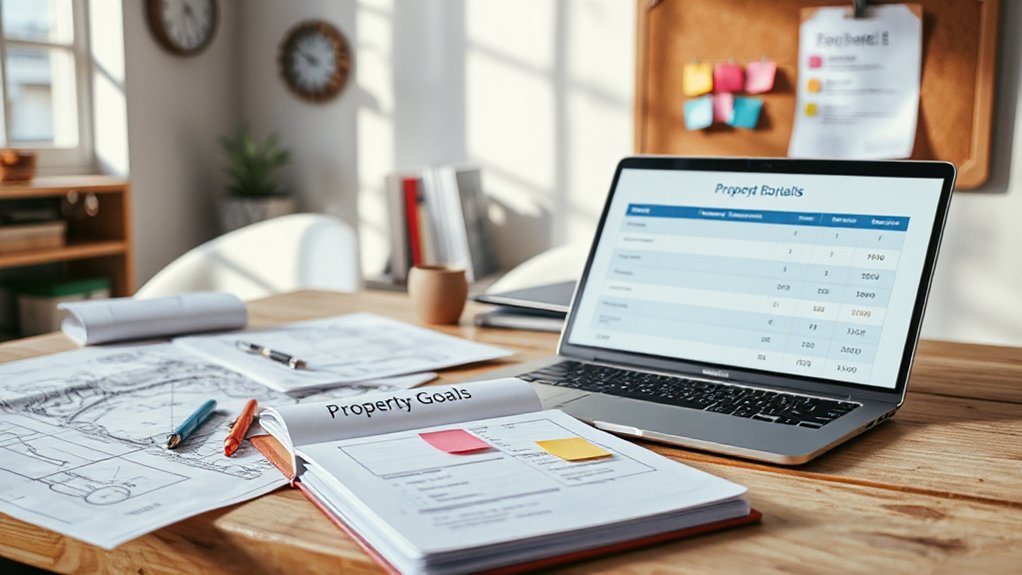
Aligning your budget with clear property goals starts with an honest inventory of what you want to achieve and what it will cost. You’ll perform a practical review of the current property state, expected improvements, and adjacent market realities.
Conduct a straightforward property valuation to quantify asset value and replacement costs, then pair those figures with a concise market analysis to spot price trends, timing, and demand.
Define nonnegotiables (budget caps, timelines, quality thresholds) and map them to projected outcomes. Prioritize projects by alignment with long-term objectives, not just immediate gains.
This clarity helps you avoid overcommitment and enables disciplined borrowing or cash use. With disciplined budgeting, you’ll pursue targeted improvements that maximize value while maintaining financial control.
Score Projects by Impact and Cost
To score projects, weigh impact against cost to reveal which upgrades deliver the most value for your budget. You’ll quantify benefits like improved function, energy savings, and appeal, then compare them to upfront and ongoing expenses.
Use a simple scoring framework: impact (high, medium, low) and cost (low, medium, high). Multiply or add those factors to rank projects, focusing first on high impact with low-to-moderate cost.
Be mindful of renovation myths that overstate returns from flashy changes; prioritize durable, scalable improvements.
Include property staging as part of impact, assessing whether cosmetic updates unlock higher value at a reasonable price.
Document assumptions, gather data, and revisit scores if market conditions shift.
Your goal is a lean, defensible roadmap that maximizes ROI within your budget.
Quick-Win Upgrades That Save Money Fast
Here are quick-win upgrades that save money fast: tackle high-impact, low-cost improvements you can implement within days to reduce operating expenses and boost appeal.
1) Upgrade lighting and energy controls. Swap to LEDs, install smart thermostats, and seal drafts to cut utilities while enhancing ambiance and efficiency.
2) Refresh curb appeal on a budget. Add fresh paint, update signage, clean facades, and tidy landscaping to attract buyers or renters without major capex.
3) Leverage Creative financing for small projects. Use staged, low-interest options or vendor credits to fund Luxury enhancements that elevate perceived value without draining cash reserves.
These fast fixes deliver immediate savings, faster occupancy, and a stronger negotiating position, keeping you decisive and lean.
Plan for Durability, Maintenance, and ROI
Durability, maintenance, and ROI aren’t afterthoughts—they’re the foundation of a sustainable plan. You build value by choosing materials and systems that endure, cost less over time, and support steady occupancy.
Prioritize durability in design decisions, then map routine maintenance to predictable cash flows, not surprise costs.
Assess ROI through lifecycle costs, not upfront price alone, weighing resale value, energy savings, and tenant demand.
Historical trends show that durable components reduce vacancy and rehab cycles, boosting long-term profitability.
Legal considerations matter too: confirm warranties, compliance, and permit requirements to avoid costly retrofits.
Develop a maintenance calendar aligned with tenant use, budget for replacements before failure, and track performance against targets.
This disciplined approach protects capital while preserving flexibility for future upgrades.
Track Progress and Adapt When Budgets Change

When budgets shift, you stay on track by tracking progress daily and adjusting tasks before they cascade into delays. You’ll spot cost overruns early and reallocate work without losing momentum. Use tight measurement to keep milestones honest, and apply contingency planning to cover gaps without abrupt cuts.
Prioritize resource allocation to high-impact activities, preserving essential quality while trimming nonessential steps. Communicate changes promptly to keep suppliers, contractors, and teammates aligned.
- Reassess priorities daily and reassign tasks with clear ownership
- Allocate budget buffers for critical milestones and monitor variances
- Implement contingency planning as a standing procedure, not a reaction
This approach keeps projects moving, protects ROI, and avoids surprising budget swings.
Frequently Asked Questions
How to Prioritize Projects When Funding Is Inconsistent?
When funding’s inconsistent, prioritize cash-flow impacts first, then safety risks. Use property valuation to identify high-return items, and maintenance scheduling to prevent costly breakdowns. Schedule critical repairs now; defer non-essentials until funds stabilize, monitor variance, adjust promptly.
What Qualifies as a “Low-Cost” Upgrade Across Properties?
Upgrade criteria: a low-cost upgrade is cost effective improvements that adds value without major disruption. You’ll prioritize simple fixes, energy efficiency tweaks, and durable, low-maintenance features; these are clearly cost effective improvements with measurable impact on property value.
How Often Should I Revisit the Budget During a Project?
You should revisit the budget at least monthly, or after any major cost change, to guarantee accuracy. Conduct cost analysis each check and keep stakeholder engagement ongoing to align expectations and adjust priorities as realities shift.
Which Metrics Best Indicate Long-Term ROI From Upgrades?
Like a compass guiding your ship, you should track long-term ROI with cost per year, payback period, and net present value. You, implement decorative improvements and sustainability initiatives, then monitor resale lift, occupancy, and operating cost reductions.
How Can Tenants Influence Prioritization Decisions?
Tenant feedback drives prioritization; you influence decisions through structured surveys and open forums. Embrace community engagement to identify urgent needs, align upgrades with resident impact, and guarantee transparent timelines, budgets, and plausible trade-offs for practical, accountable improvements.
Conclusion
You’ve aligned your budget with clear goals, scored projects by impact and cost, and lined up quick-win upgrades that pay you back fast. Plan for durability, low maintenance, and solid ROI so long-term value isn’t an afterthought. Track progress relentlessly and stay flexible when budgets shift. As you adapt, your property roadmap will feel like a well‑paced train—steady, purposeful, unstoppable—carving out value with every deliberate choice. Stay practical, stay sharp, and keep moving forward.