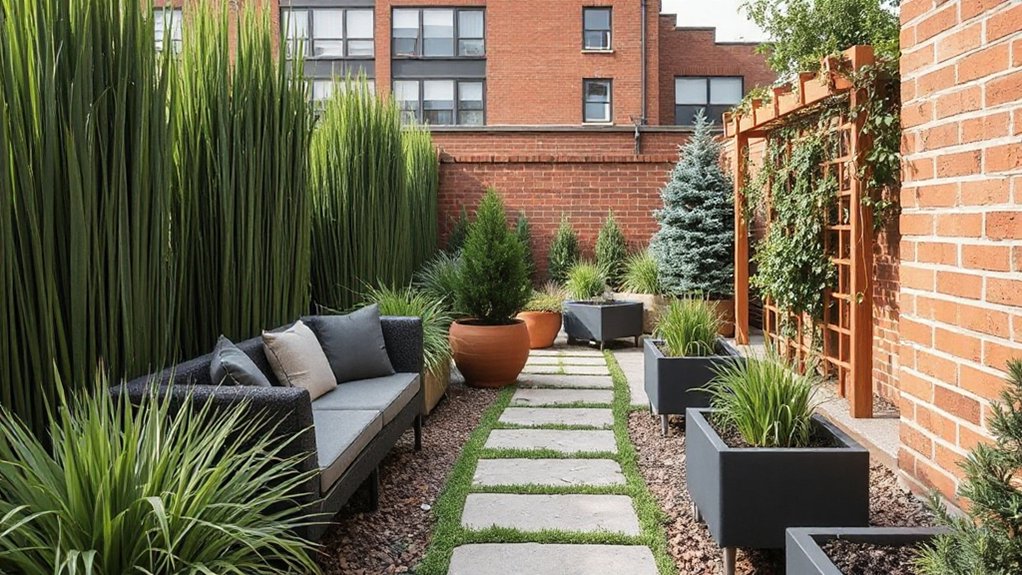

You can maximize a small urban garden by combining layered planting with vertical elements and smart hardscape. Assess light and microclimates early, then map zones and routes to avoid dead space. Choose compact, versatile plants and space-smart materials, while keeping budget in check with DIY fixes. A disciplined maintenance routine keeps it polished, and thoughtful touches—lighting, scent, wildlife-friendly features—tie beauty to practicality. The next step reveals concrete layouts and scalable ideas you can implement now.
Key Takeaways
- Plan with clear goals and constraints (space, budget, maintenance) to guide efficient, resilient layouts for small urban gardens.
- Use vertical space, modular containers, and scalable beds to maximize production and visual depth without crowding.
- Design for year-round appeal with layered planting, evergreen structure, and seasonal color to maintain interest in limited spaces.
- Implement smart lighting, accessible paths, and hidden storage to extend usability and safety after dark.
- Align soil health, irrigation, and plant pairings with microclimate analysis (sun, wind, moisture) for sustainable, low-maintenance growth.
Define Your Urban Garden Goal and Constraints
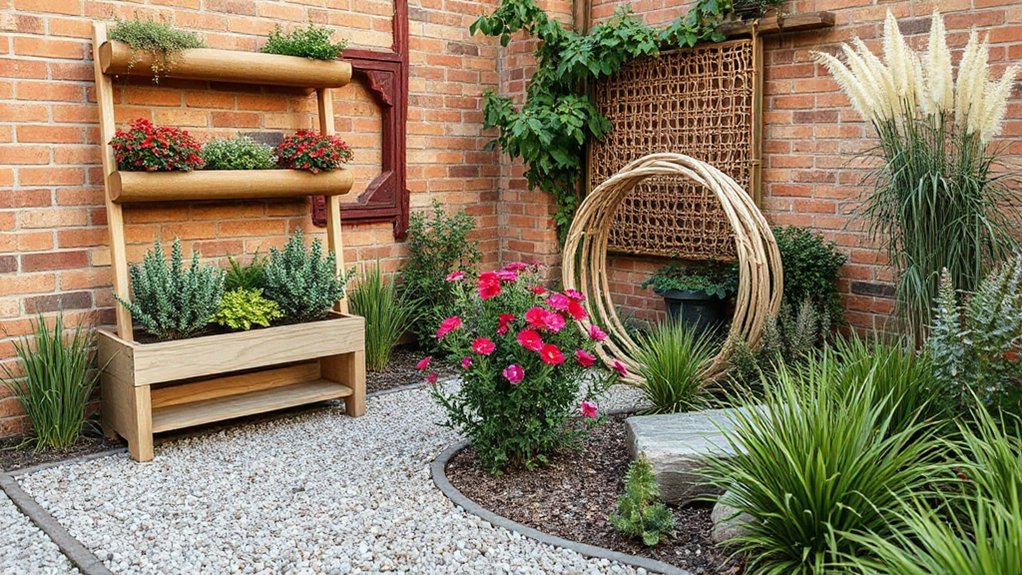
Setting a clear goal and identifying constraints keeps your small urban garden focused and feasible. You define what you want to achieve and what you’ll allow or must avoid, then translate that into design criteria.
Start with purpose: edible herbs, a relaxing retreat, or visual impact through year-round color. Then pin down constraints: space, budget, maintenance capacity, and local regulations. This clarity guides material choices, plant selection, and layout, ensuring every element earns its spot.
With a defined objective, you evaluate urban landscaping options for efficiency, scale, and resilience. Consider garden aesthetics early—color palettes, textures, and focal points—so the outcome feels intentional rather than incidental.
Your plan becomes a decision framework, reducing compromises and delivering a coherent, manageable space.
Assess Light, Wind, and Microclimates in Tiny Spaces
You’ll map where sun and shade shift over the day to identify Light Dawn windows.
Note how breezes funnel through tight spaces to spot Microclimate Savvy Zones. Use this awareness to align plant choices and placement for resilient, compact gardens.
Light Dawn Mapping
- Map sun exposure at different hours to optimize lighting for focal plants.
- Chart wind corridors and shelter needs to reduce bounce and stress.
- Identify microclimates, including heat sinks and shade niches, for smarter plant pairing.
- Note visual and sensory cues that guide seasonal shifts and wildlife activity.
Use findings to design layered borders, sun-loving color, and discreet watering zones—without clutter.
Microclimate Savvy Zones
You account for wind corridors caused by buildings, fences, and street activity, using sheltered zones for delicate species and exposed areas for hardy selections. You track soil warmth, moisture retention, and drainage, tailoring irrigation to microclimate realities.
You test seasonal shifts, leveraging climate adaptation strategies like thermal mass, windbreaks, and reflective surfaces to stabilize microclimates. You select plant assemblages that thrive together, reducing microclimate risk.
This disciplined approach yields reliable growth, minimizes maintenance, and supports long-term garden performance in compact urban spaces.
Prioritize Layered Planting and Vertical Strategy
Layered planting and vertical strategy maximize a small garden’s impact by stacking vertical space and combining heights, textures, and seasons. You’ll create depth quickly by layering groundcovers, mid-height shrubs, and tall specimen accents, then weave seasonal color through the vertical plane.
Implement these steps:
1) Map sun, shade, and irrigation to place layers precisely.
2) Pair evergreen backbone with deciduous seasonal interest for year-round texture.
3) Use trellises, lattices, and wall-mounted planters to extend vertical reach.
4) Choose compact, multi-season varieties that resist heat and drought.
This approach emphasizes Layered planting and Vertical strategies, delivering a dynamic, low-maintenance composition. Focus on rhythm, contrast, and cohesion across levels to ensure the space feels larger and more deliberate.
Choose Space-Smart Plants With Growth Intent
Choose space-smart plants that grow where you need them and in the amounts you can manage. You’ll select varieties with compact mature sizes and predictable growth, avoiding sprawling espalier or aggressive runners.
Prioritize growth intent: vertical hybrids, dwarf forms, and plants that tolerate container life or tight soil pockets. Consider root depth, bloom cycle, and maintenance needs to prevent overcrowding and constant trimming.
Plan for modular growth: a few core species that fill niches seasonally, plus complementary filler plants with similar water and light demands.
Embrace urban wildlife-friendly options that don’t compromise size goals, ensuring pollinator and bird support without overplanting.
Use plant containerization to regulate moisture, restrict spread, and simplify seasonal rotations. This keeps your garden scalable, resilient, and visually coherent.
Create a Compact Path Layout and Zone Map
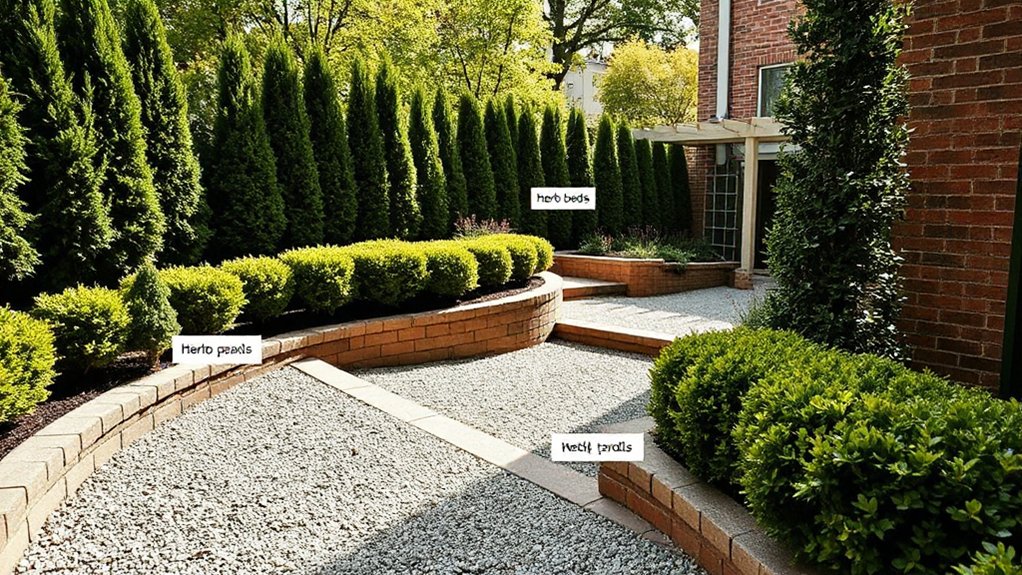
A compact path layout should weave through your space without clutter, creating clear routes that invite exploration while preserving planting zones. You’ll balance function and flow by pairing hardscape with edge steps that guide movement without overpowering greenery.
- Define a single main path that minimizes intersections, then add short runners to focal zones.
- Choose compact materials with non-slip textures and slim profiles to save footprint.
- Use color and texture changes to delineate zones without fencing.
- Create a simple zone map showing sun, shade, and access points for ongoing care.
Path layout informs Zone mapping, ensuring you know when to prune, water, or relocate plants. This clarity keeps maintenance efficient and your urban garden cohesive.
Build Soil Health for Small Plots
You’ve mapped a clear path for access and use; now, focus on the ground beneath it. To build soil health in small plots, start with a baseline test to gauge pH, nutrient levels, and organic matter.
Elevate soil structure by adding light, well‑sourced soil amendments that match your plants’ needs, avoiding overapplication. Combine composting techniques that recycle kitchen scraps and garden waste into a steady humus supply, then blend into the topsoil to boost microbial activity.
Mulch with organic matter to reduce erosion, conserve moisture, and temperature‑stabilize the root zone. Rotate crops or diversify planting beds to prevent nutrient depletion and pests.
Regular, selective top‑offs of compost and amendments keep soil fertile without waste. Monitor results and adjust gradually for sustained growth.
Drainage and Watering That Prevent Flooding
How can you prevent floods and keep your small urban garden dry and productive? You can design for drainage and regulate watering with precision, using bird friendly design and sustainable materials so every drop works for you. Prioritize prompt, purposeful action that minimizes runoff and soil erosion.
- Install permeable pavers or gravel pathways to slow water and encourage infiltration.
- Create micro-beds with raised edges and swales to channel excess toward a mulch-filled basin.
- Use rain barrels connected to harvest and reuse water, reducing drainage load.
- Apply native, drought-tolerant planting that stabilizes soil and supports wildlife.
This approach keeps you in control, conserves moisture, and promotes resilience in every urban corner.
Size Containers and Beds for Maximum Yield
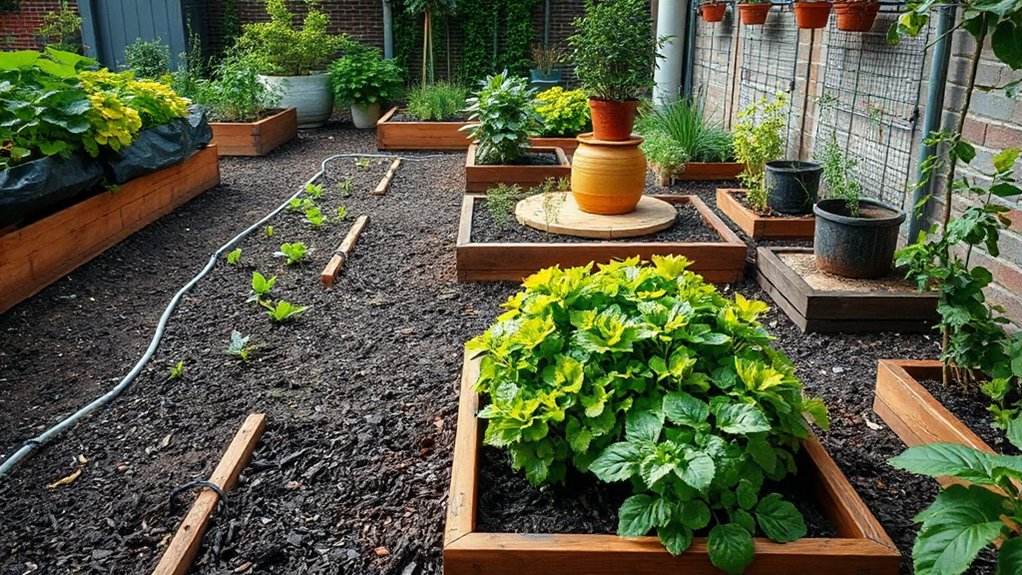
You’ll maximize yield by choosing container sizes that match plant needs and root growth, avoiding wasted space or stunted roots.
Use bed space efficiently by pairing compact beds with vertical or tiered layouts, so you can grow more in the same footprint.
Practice smart planting density by tailoring spacing to each species and season, balancing air circulation, growth, and harvest potential.
Container Size Matters
Container size determines not just what you can grow, but how efficiently you can grow it. When you choose containers, you decide root room, water needs, and harvest frequency, all shaping yield and effort. Consider these principles:
- Pick durable materials to guard against weather and chipping, preserving container durability.
- Match depth to crop; deeper for larger root systems, shallower for quick, compact varieties.
- Factor weight when full; choose lighter composites or wheels for mobility without sacrificing stability.
- Prioritize aesthetic appeal; cohesive colors and textures elevate space while supporting healthy plants.
Bed Space Optimization
Maximizing yield in small spaces requires smartly pairing bed dimensions with container sizing so every square foot counts. You’ll optimize by matching bed length to access paths, then place containers at productive heights to minimize bending.
Use shallow, wide beds for rapid turnover crops and deeper beds for root varieties, ensuring uniform irrigation and soil depth. Choose modular containers that fit your layout, letting you reallocate space as seasons shift.
Weave in trellises and vertical supports to gain shelf-like growth, especially for vining crops. Consider microclimates: sun exposure, wind, and heat absorbency guide placement to protect urban wildlife and maintain soil structure.
In rooftop gardens, prioritize weight distribution and drainage, selecting lightweight substrates and efficient irrigation. This disciplined approach keeps yields high without crowding.
Planting Density Tips
Effective planting density hinges on sizing your containers and beds to match crop needs and available space, so you maximize yield without crowding. You’ll optimize growth by pairing plant size with pot or bed dimensions, preventing competition and root binding. Consider how urban wildlife might impact spacing and accessibility, adjusting layouts accordingly. Use proactive plant propagation ideas to keep mature stands compact while renewing stock.
- Assess mature footprint of each crop and choose containers or beds that allow 20–30% extra space for roots and airflow.
- Group high-demand crops by light and water needs to minimize overpacking.
- Alternate vertical elements with low-height species to maximize surface area.
- Schedule periodic thinning and propagation cuts to sustain density without crowding.
Drip Irrigation and Timed Watering on a Shoestring
Drip irrigation offers an affordable, precise way to water small urban gardens without waste. You set up a simple mains or reservoir system with emitters delivering water close to roots, reducing runoff and evaporation.
Timed watering lets you target early mornings or evenings, when plants are most receptive and urban wildlife activity is lower.
Choose adjustable emitters for varied bed crops and container plants, and run shorter, more frequent cycles to prevent soggy soils.
Use a filter to avoid clogs and a pressure regulator to maintain steady flow.
Pair with mulching to preserve moisture.
Regularly inspect lines for leaks, and rotate zones to balance uptake.
This approach supports pest control by minimizing damp, inviting conditions.
It’s cost-efficient, scalable, and easy to maintain.
Fences, Screens, and Trellises to Grow Green
Fences give you privacy without crowding the yard, so you can enjoy a calmer, more defined space.
Screens provide shade where you need it most, shaping comfort and microclimates for comfortable year-round use.
Trellises invite vines to cover vertical space, adding green impact without expanding your footprint.
Fences For Privacy
Are you looking to reclaim privacy without sacrificing light or style? Fences for privacy should blend function with design. Choose fencing materials that suit urban spaces and maintenance needs, prioritizing durability and appearance.
Privacy screens can augment heights without a solid wall, adding texture and airflow. For a compact lot, vertical options save ground space and keep sightlines open. Consider trellises that host climbers to soften boundaries and filter views.
- Select durable fencing materials that resist weather and wear
- Pair with lightweight privacy screens for added height and softness
- Let climbers cover trellises to maximize green cover
- Maintain sightlines by weaving gaps and patterns into the design
These choices deliver seclusion, light, and a polished, cohesive edge to your garden.
Screens For Shade
Opt for vertical solutions that maximize edge space and maintain sight lines, preserving a sense of openness. Choose eco-friendly materials—recycled metal, responsibly sourced wood, and low-toxicity finishes—to reduce environmental impact and support urban wildlife.
Install screens with adjustable slats or lattice panels to adapt to seasonal sun shifts, granting you flexible shade during peak heat.
Integrate plantings that cling or weave through, so greenery reinforces privacy while softening hard edges. Prioritize durability, ease of maintenance, and a cohesive aesthetic that elevates your garden year-round.
Trellises For Vines
Vine support should be planned for load, wind, and maintenance access, avoiding protrusions that snag clothing or damage pathways. Use thoughtful trellis design to direct growth, control fruiting height, and minimize shade on nearby beds.
- Regularly inspect anchors and joints.
- Select weather-resistant materials.
- Align trellis angle with sun exposure.
- Train plants using ties and guides.
With deliberate vine support, you enhance privacy, microclimates, and curb appeal.
Lighting Logic for Evening-Use Gardens
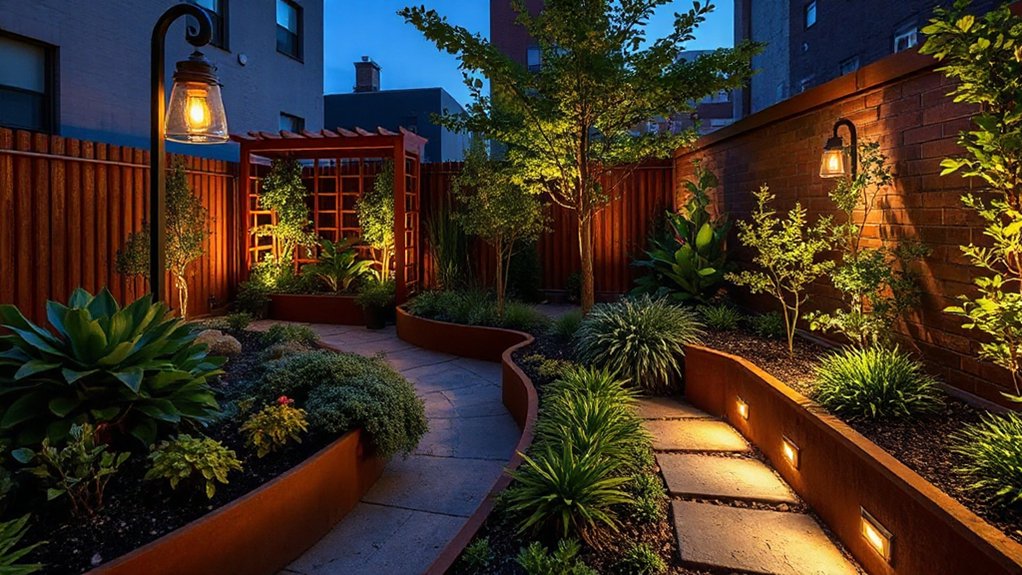
Lighting dictates how an evening garden feels and functions; with careful placement, you can extend usability while preserving ambiance. You assess task areas first: seating, paths, and focal plants.
Choose layered lighting—ambient for overall visibility, task lighting for pots and edges, and accents to highlight textures. Opt for warm color temperatures (2700–3000K) to foster moonlit ambiance without glare.
Use shielded fixtures to reduce light spill and protect neighbors. Position downlights along walkways, wall washers to sculpt verticals, and spotlights to draw attention to specimen plants.
Integrate dimmers and smart controls to adapt scenes for entertaining or quiet retreats. For evening entertainment, coordinate lighting with music or conversation zones, ensuring balance between safety and mood.
Maintain consistency in style, scale, and energy efficiency throughout the garden.
Mulch, Compost, and Nutrients Without Mess
Mulch keeps soil structure while minimizing mess, and I’ll show you simple techniques to manage it effectively.
Compost on-site with tight containment and minimal odor, using tried-and-true methods that fit your space.
You’ll learn nutrient-friendly waste solutions that recycle waste, reduce inputs, and keep your garden tidy.
Mulch Management Techniques
Mulch, compost, and nutrients can be managed cleanly and effectively in small urban gardens by layering a thin, breathable mulch that slows weeds and retains moisture, followed by a light top-dressing of compost to feed soil life without creating a mess.
- Apply a compact, organic mulch in even sheets to form clear mulch layers that suppress germination and reduce irrigation needs.
- Choose mulch with fines for steady, breathable coverage, avoiding bulky materials that trap heat or moisture.
- Add a thin compost top-dressing seasonally, keeping the layer light to prevent odor and rodent attraction.
- Refresh mulch layers annually, focusing on edge maintenance and clean bed lines for tidy, durable results.
Nutrient-Friendly Waste Solutions
Even in tight urban spaces, you can turn waste into a clean, nutrient-rich resource by combining compact mulch, minimal compost, and smart nutrient management.
Start with a thin mulch layer to conserve moisture and suppress weeds. Then feed soils with steady, low-rate composting to avoid nutrient spikes. Use composting techniques that suit your space—bin, tumbler, or in-situ pile—keeping materials carbon-rich and balanced to reduce odor and pests.
Track nutrients through a simple soil test, adjusting amendments to plant needs rather than guessing. Maintain cleanliness to prevent mess: shaded compost areas minimize odors, while covered bins deter pests.
Pair mulch and compost with targeted planting to maximize nutrient uptake. For ongoing health, couple these practices with integrated Pest control and routine soil refreshes.
Low-Maintenance Plant Pairings for Small Spaces
Pairing the right low-maintenance plants is key to thriving small-space gardens. You’ll optimize color, texture, and growth habit without overextending resources, while keeping upkeep minimal.
- Plant combinations that pair drought-tolerant perennials with strategic annuals for season-long interest remains efficient and clean.
- Choose compact varieties with similar light and water needs to reduce work and pest pressure.
- Use groundcovers and edging plants to suppress weeds, cut maintenance, and unify the design.
- Integrate flowering shrubs with low-growing fillers to balance height and ensure pest prevention through biodiversity.
Keep routines simple: mulch, monitor for pests, and water at ground level.
This approach delivers reliable aesthetics and steady performance in tight spaces.
Seasonal Planning: Year-Round Interest in Tight Rooms
Seasonal Color Cadence sets the beat for your year, guiding the pace of plant interest from first frost to last bloom. You’ll align Winter-Spring Shifts with structure planning to keep verticals, foliage, and texture dynamic even in tight rooms.
This conversation centers on balancing color, seasonality, and reliable form to sustain Year-Round Structure Planning.
Seasonal Color Cadence
How can you maintain year-round appeal in a small urban garden through a deliberate seasonal color cadence?
You guide color with intent, balancing hue, texture, and bloom timing to create cohesive scenes. Prioritize color harmony and seasonal blooms to achieve unified transitions, not abrupt shifts. Use containers and layered plantings to modulate intensity, keeping focal points intact as the year evolves. Emphasize contrast where needed, but return to a restrained palette for calm moments.
Plan in stages, not surges, marking each season with a distinct yet compatible signature.
- Map a 12-month color plan that aligns with bloom windows.
- Pair cool and warm tones to maintain vibrancy without chaos.
- Layer foliage colors to sustain interest when petals fall.
- Reserve a seasonal accent plant for quick pop and return.
Winter-Spring Transitions
Winter-to-spring shifts demand a deliberate change in color and texture, even in tight spaces. You’ll orchestrate a seamless progression by pairing evergreen structure with fresh foliage, then layering seasonal accents to maintain visual momentum.
Begin with a compact base of architectural grasses and variegated evergreens to anchor sightlines. Then introduce bright or frosted tones through flowering bulbs and container plantings.
In rooftop gardens, optimize sun exposure by rotating plant palettes every few weeks, highlighting contrasts between hardscape and greenery. Use compact, drought-tolerant species for reliability, and guarantee irrigation is efficient to support shifting demands.
Be mindful of urban wildlife; choose blooms that attract pollinators while avoiding conflict with resident birds. This approach sustains interest, reduces gaps, and elevates year-round performance.
Year-Round Structure Planning
- Define a year-round palette of evergreens, grasses, and seasonal bloomers.
- Use modular, stackable planters for adaptable spacing.
- Emphasize focal points and pathways for steady rhythm.
- Plan irrigation that adapts to sun, wind, and roof dryness.
Scent and Sound: Sensory Details in Small Gardens
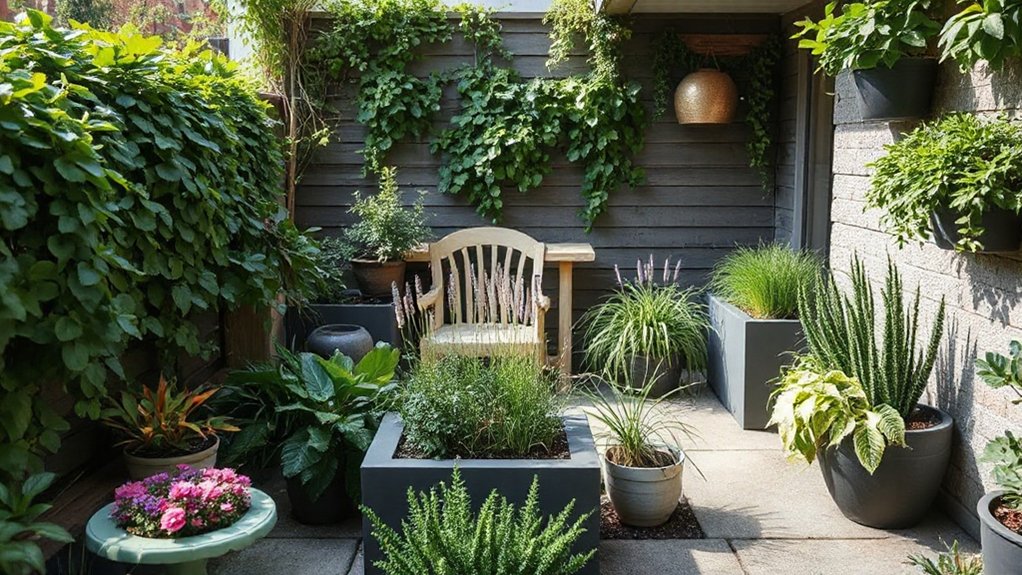
Scent and sound define small gardens as much as sight does, turning a tiny space into a multisensory retreat. You craft this effect by selecting plants with distinct aromas, choosing blooms and foliage that release fragrance at different times.
Pair those scents with a deliberate soundscape design: a calm mix of water features, wind chimes, or rustling leaves that fills gaps between hard edges. Use aromatherapy blends in planters or herb intervals to heighten perception without overpowering neighbors.
Garden rhythms emerge from seasonal fragrance patterns, so space your plantings to maintain a steady aroma sequence. Think in layers: fragrant groundcovers, mid-height flowering shrubs, and tall, scented trees placed to guide movement and acoustics.
Precision, restraint, and purposeful variety sustain a serene, intimate garden atmosphere.
Hardscape Tricks to Make Space Feel Bigger
Even a tiny urban plot can feel expansive with smart hardscape choices that reflect and extend space. You optimize sightlines, choose reflective surfaces, and install integrated lighting to blur edges and enlarge perception. Use materials in a light, uniform palette to avoid visual clutter, and prefer scale that mirrors your footprint.
- Choose continuous paving or staggered boards to extend the floor area visually.
- Use wall-mounted or compact garden furniture to keep floor space open.
- Install mirrors or glossy textures to bounce light and suggest depth.
- Feature restrained outdoor art as focal points without crowding corners.
These moves align with practical garden furniture and tasteful outdoor art, delivering bigger feel without crowding budgets.
Budget-Smart Upgrades and DIY Fixes
If you’re aiming to refresh a small urban garden without overspending, this subtopic outlines practical, budget-smart upgrades and DIY fixes that maximize impact with minimal cost. You’ll leverage simple, high-value changes that amplify space, mood, and health.
Prioritize durable materials you already own, swap impatient plant choices for container-friendly varieties, and stagger installations to spread costs. Reclaim beauty with inexpensive accents—painted pots, trellises, and lighting—avoiding heavy renovations.
Improve soil subtly through affordable soil amendments; mix compost with mulch to nurture roots and reduce water needs.
Encourage Urban wildlife by selecting native nectar plants and perchable elements that invite birds and pollinators without expensive features.
For soil amendment, layer compost and leaf mold to boost structure, drainage, and fertility, enhancing growth without breaking your budget.
Maintenance Routines to Keep It Polished
A tidy, thriving small garden relies on a steady maintenance routine that protects plants, soil, and structure from the season’s wear. You’ll safeguard your landscape with focused, efficient habits that curb decay and boost resilience, while accommodating urban wildlife and pest control needs.
1) Inspect weekly for damaged stems, loose mulch, and drainage issues, correcting problems before they escalate.
2) Prune selectively to maintain shape, airflow, and sun exposure, removing deadwood and balancing growth patterns.
3) Refresh mulch annually to conserve moisture, suppress weeds, and stabilize soil temperature.
4) Monitor for pests and diseases, applying targeted, low-impact controls and encouraging beneficial insects.
Consistency matters: set a predictable schedule, document tweaks, and adapt to changes in climate, wildlife activity, and plant responses.
Real-Life Small-Space Transformations to Inspire
Small urban spaces prove you don’t need square footage to make a statement; bold, efficient transformations can transform tight corners into lush, livable habitats.
You’ll see compact solutions that maximize vertical richness, terrace seating, and permeable groundcovers that reduce grime and moisture buildup.
Real-life examples show how color, texture, and scale create depth without crowding, while smart lighting extends usability after dusk.
Garden art punctuates focal points, guiding the eye through the space and adding personality without clutter.
A wildlife habitat mindset informs plant choices, from nectar-rich perennials to sheltering layers that invite birds and pollinators.
Practical tweaks—corner planters, foldaway furniture, and hidden storage—keep routes clear and maintenance low.
These transformations prove thoughtful design elevates every inch.
Frequently Asked Questions
How to Budget for a Complete Micro-Garden System?
You’ll budget by defining scope, sourcing costs, and prioritizing essentials. You’ll map garden design elements and irrigation techniques, add contingency, and time your purchases. You’ll compare kits vs. custom setups, then finalize a realistic, scalable plan.
Which Drought-Tolerant Plants Suit Tiny Urban Plots?
Yes, you should choose drought-tolerant natives that fit your micro-plot. Embrace xeriscape design principles and native plant selection to minimize water needs, maximize resilience, and maintain year-round structure in your tiny urban space.
Best Practices for Container Root Pruning and Renewals?
Yes, you prune roots, refresh soil, and renew containers to optimize growth. You’ll improve container maintenance and root health, addressing drought strains; imagine lush roots gripping pot edges as you trim, refresh, and replant with confident, precise movements.
How to Maximize Privacy With Minimal Footprint?
You can maximize privacy with a minimal footprint by installing tall, slim privacy screens and strategic fencing options. Choose modular panels, climbers, and permeable borders, aligning to sightlines while preserving light. Maintaintidy lines, secure foundations, and seasonal evergreen accents.
What Signs Indicate Soil Improvement Is Needed?
Soil tests reveal low nutrients, compaction, or pH drift; you must act. You’ll know improvement is needed when roots struggle and drainage worsens. Do soil testing, add Organic amendments, and adjust plan before planting for lasting fertility.
Conclusion
You’ll sculpt a striking, space-smart sanctuary when you pair precise planning with practical, playful planting. Prioritize perspectives, pulses of light, and layered textures to maximize microclimates, then prune, tweak, and tailor with tenacious thrift. Build beauty with bold, bodied blooms and vertical vigor, but budget with smart, DIY fixes and sturdy, small-scale hardscapes. Consistently maintain, monitor moisture, and minimize clutter. By blending balance, bravado, and budget, your urban yard becomes a polished, perpetual, prime paradise.