


Moving from halls to a student house means planning shared spaces, split costs, and clear rules so you can study, relax, and live together without drama. Check the kitchen and living areas for counter space, outlets, and sensible layouts; agree on chores, bills, and a fair rotation with sign-offs; set guest limits, quiet hours, and study time boundaries to protect focus. Budget for rent, deposits, and utilities, plus a contingency. Want more practical tips to master harmony? Keep going.
Key Takeaways
- Plan shared spaces practicalities: counter space, outlets, fridge layout, sinks, and dish routines for smooth cooking and cleaning.
- Establish clear responsibilities: chore rotation, bill tracking, payments, and a sign-off method to avoid disputes.
- Set guest, noise, and study rules: visiting hours, quiet periods, privacy boundaries, and a conflict resolution plan.
- Create a transparent budget for rent and utilities: upfront negotiations, deposits, contingency funds, and zero-based weekly tracking.
- Design harmonious decor and organization: prioritize shared zones, modular storage, labeled spaces, and routines for tidying.
Check Shared Kitchen and Living Spaces for a Student House
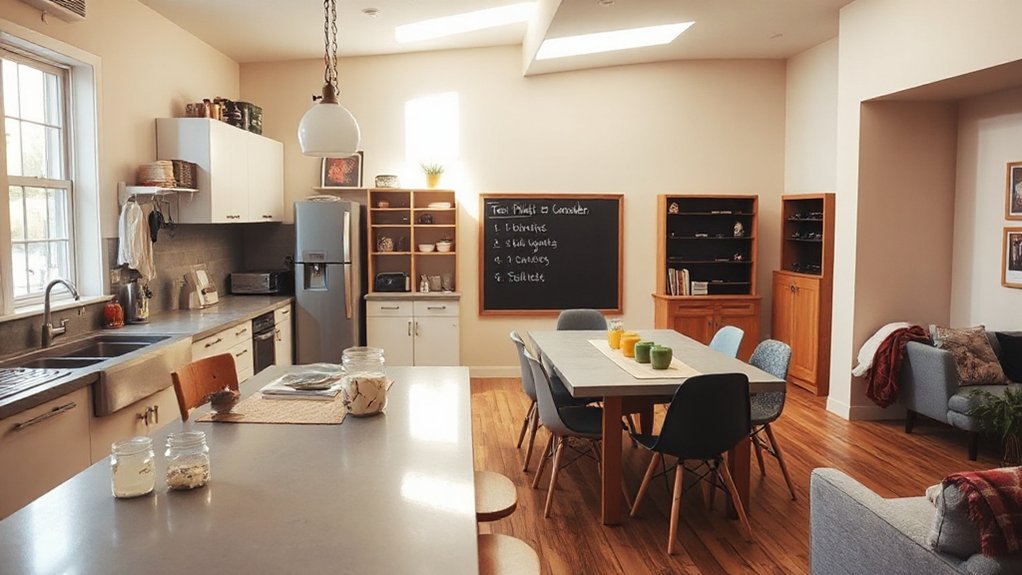
When you’re moving into a student house, start by evaluating the shared kitchen and living spaces. Look for obvious, practical affordances: counter space, high-use outlets, and a sane fridge layout. Check the sinks for drainage and the presence of a functioning dishwasher or clean dish rack.
Talk through meal planning early, mapping who cooks when and where groceries land. Note storage for dry goods, snacks, and utensils, plus a bin system that keeps smells contained.
In living areas, confirm seating arrangements, lighting, and charging spots for devices.
Establish simple laundry routines: a clear plan for sorting, detergent access, and a predictable laundry schedule.
Agree on quiet hours and basic cleaning expectations to prevent friction later.
Split Bills, Chores, and Responsibilities Fairly
Splitting bills, chores, and responsibilities fairly starts with a simple, practical plan: map out what needs doing, who does it, and how payments flow. You’ll create a transparent system by listing monthly costs, assigning roles, and agreeing on due dates. Use a shared spreadsheet or app so everyone can track contributions and shifts, updating as needs change.
Establish a fair rotation for chores, along with a quick sign-off method to avoid disputes. Clear expectations reduce friction: document payment methods, late fees, and how to handle unexpected expenses.
Consider Pet policies and Parking arrangements early, so your roommate mix isn’t surprised later. Revisit the plan after a month, adjusting workloads and costs to preserve balance and accountability.
Your calmer, clearer setup pays off in stress-free living.
Set Rules for Guests, Noise, and Study Time
Set clear rules for guests, noise, and study time from the start to prevent surprises later. You’ll reduce friction by outlining expectations early, and you’ll protect your privacy and study focus. Remember guest etiquette is mutual: agree on visiting hours, spaces, and cleanup.
Establish quiet periods to safeguard concentration, and set a simple check-in for late nights. Define privacy boundaries so everyone respects personal spaces and belongings. Be clear but kind, and document the basics so everyone references them.
1) Agree on guest limits, advance notice, and shared spaces.
2) Schedule quiet hours, study times, and acceptable noise levels.
3) Create a quick, respectful conflict resolution plan.
This approach keeps harmony, accountability, and focus intact.
Budget for a Student House: Rent, Deposits, and Utilities
How much can you actually afford, and how do you map those costs to your monthly budget? When you’re moving from halls to a student house, rent isn’t the only line item. Start with the rent, but also deposits, and a realistic buffer for utilities.
Discuss rent negotiation up front with your landlord or housemates to settle fair splits and avoid surprises. For deposits, confirm timing and conditions for refund to prevent cash crunches.
Plan utility management: account for heating, electricity, water, and internet, then add a contingency for outages. Build a zero-based budget week by week, tallying fixed and variable costs, and track changes as bills arrive.
This clarity keeps you from overcommitting and protects friendships under pressure.
Decorate and Organize: Space-Saving Hacks That Protect Friendships
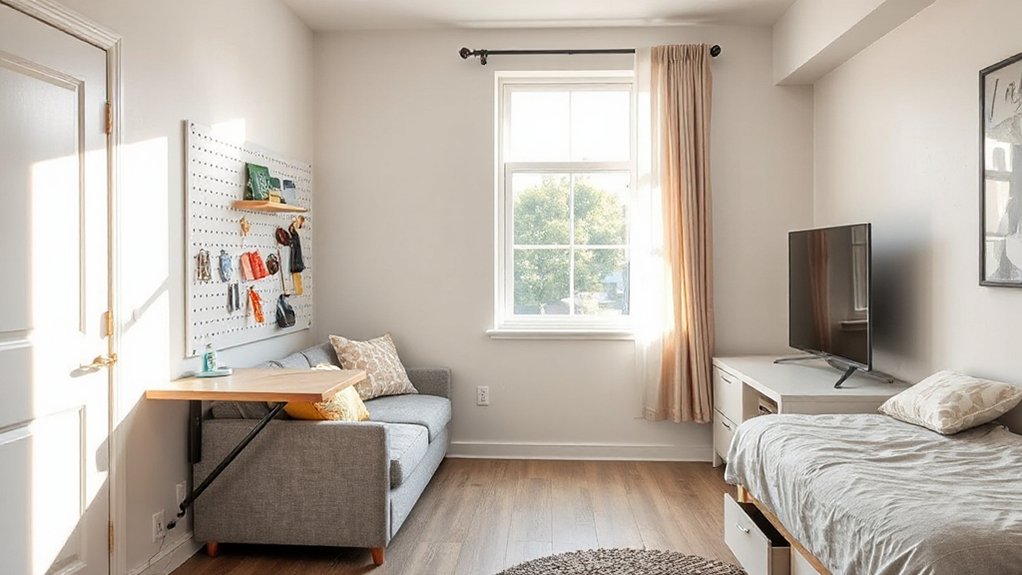
Decorating a student house isn’t just about making a space look nice; it’s about carving out room for different habits and schedules without stepping on anyone’s toes. You’ll balance function and friendship by embracing flexible layouts, multi-use furniture, and thoughtful storage.
Keep personal space in mind, and use decoration tips that reflect shared life without dominating common areas.
- Prioritize shared zones, but designate a small personal corner for downtime.
- Use modular storage and vertical solutions to free floor space and reduce clutter.
- Label zones kindly, rotate decor, and agree on cleaning and tidying routines together.
This approach keeps energy high, minimizes friction, and makes living with others feel like a collaborative art project, not a compromise.
Frequently Asked Questions
How Early Should We Sign a House Contract?
Sign as early as you can, ideally 2–3 months before moving in. This gives you time to line up a lease renewal if needed and confirm your security deposit details, avoiding last-minute hiccups.
What if a Housemate Breaks the Lease?
If a housemate breaks the lease, you’re bound by lease obligations? Not exactly—you should review the lease, document breaches, and discuss remedies with the landlord. Understand housebreaking consequences, keep records, and seek legal advice if needed.
How Do We Handle Guests Overnight?
You should set clear guest privacy expectations and enforce overnight policies with your housemates. Communicate rules upfront, respect boundaries, and document agreements. If issues arise, revisit the policy together and adjust to keep everyone comfortable and accountable.
Can We Customize the Common Areas Without Conflict?
Starting a new room arrangement is like steering a ship together; yes, you can customize common areas, but you’ll need clear guidelines. Use decor customization ideas and conflict resolution steps to keep harmony and practicality afloat.
Who Handles Emergency Repairs and Maintenance?
The landlord or property manager typically handles emergency repairs and maintenance responsibilities, but you should know who to call and when for emergencies. Learn emergency procedures, who to contact after hours, and how requests get prioritized and tracked.
Conclusion
Moving from halls to a student house changes more than address; it changes how you live together. You’ll discover that fair rules, shared chores, and transparent budgets aren’t restrictions but freedoms—reducing drama and boosting focus. If you test the theory that “ownership breeds respect,” you’ll find it true when everyone tapes their limits and pitches in. The deeper meaning: your home reflects your collaboration. Listen, adapt, and you’ll turn a house into a durable, affordable, friendship-steeped space.