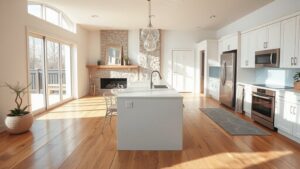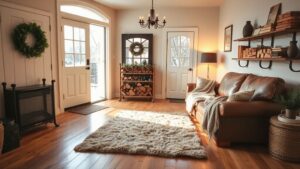

Underrated materials bring instant warmth and character to any space. Reclaimed wood carries patina, knots, and stories, while cork adds soft, inviting texture and quietly absorbs sound. Rammed earth Offers breathable texture and subtle color, and recycled metal introduces quiet patina and tactile interest. Salvaged glass and low-profile stones like slate or fieldstone add depth without heaviness. Sustainable composites and artisanal bricks deliver rustic charm with modern reliability. Curious how these choices transform spaces? There’s more to discover.
Key Takeaways
- Reclaimed wood and patinaed metals bring warmth, history, and subtle texture that elevate character without dominating modern spaces.
- Textured concrete, clay tessellations, and vintage bricks add tactile rhythm and earthy tones for timeless, understated charm.
- Grounded natural stones (slate, schist, fieldstone) offer rugged elegance with tactile depth and enduring patina.
- Cork and rammed earth provide warm acoustics, breathable interiors, and soft visuals that quietly enrich rooms.
- Recycled materials and eco-friendly composites maintain durability while telling a story through patina, texture, and responsible sourcing.
Why Underrated Materials Bring Warmth to a Space
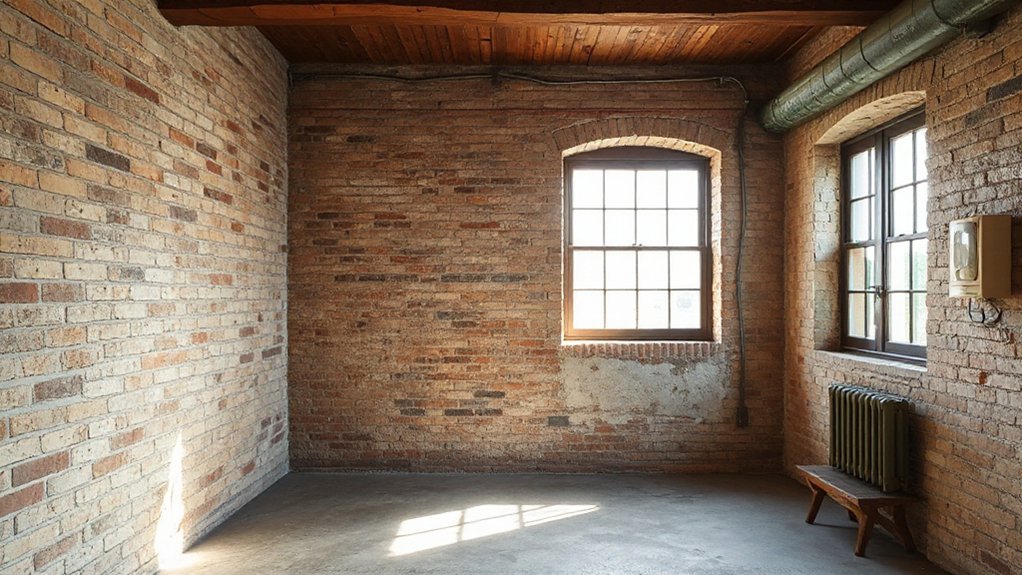
Underrated materials have a surprising warmth you can feel the moment you walk in. You notice how texture, not gloss, invites you to linger, touch, and listen to the room’s quiet cadence.
These materials don’t shout; they breathe, aging gracefully with life’s small rituals. You’ll find warmth in the uneven edges, the subtle patina, the way light curls around a surface.
Modern technology helps shape comfort without distraction, pairing efficiency with tactile depth.
Urban sustainability isn’t a trend here; it’s a philosophy that compels you to choose locally sourced, low-impact options that still feel luxurious.
Reclaimed Wood: Character, Patina, and Sourcing Tips
You sense patina as a timeline you can see, each ring and crack telling stories of rooms once lived in.
Sourcing wisely means looking past glossy finishes to sound, repurposed stock that respects provenance and avoids waste.
Texture and grain become your design language, giving character without shouting, as you weave old wood into new spaces.
Patina That Tells Time
Patina tells a quiet story—a weathered map of time etched into grain, beauty you feel as soon as you touch the surface. You don’t just see it; you sense a memory in every knot and scar, a tribute to craft and use.
Reclaimed wood’s patina delivers vintage charm and weathered elegance in quiet, tactile form, inviting you to linger. It pairs with modern lines without clashing, adding warmth that ages gracefully with your space.
- Vintage charm: a soft, nostalgic glow that elevates any scheme
- Weathered elegance: understated texture that coordinates with metal and stone
- Subdued character: unique marks without shouting for attention
- Dexterity in layout: broad boards that reveal grain flow and history
Let this material guide you toward timeless, personal design.
Sourcing Reclaimed Wood Wisely
Reclaimed wood carries character in every grain, but the story should start with how you source it. You seek boards with provenance, not pawns of fashion, so you ask for honesty about origins, treatment, and transport.
Inspect for clean, tight joints, minimal nails, and patina that speaks quietly, not loudly. Prioritize suppliers who audit waste streams, reuse construction remnants, and disclose where the timber slept before you found it.
Compare costs against impact, weighing shipping distances and fuel use—timeless appeal isn’t just style; it’s stewardship.
Trust artisanal mills or local crews who reclaim responsibly, certify reclaimed status, and offer restoration options. Your eco conscious choices sustain material heritage, reduce waste, and give your project a grounded, enduring finish.
Character Through Texture and Grain
Textured grain and weathered surfaces tell the true story of reclaimed wood, turning every plank into a fingerprint of its past. You’ll feel texture become texture—the tactile texture, the color shifts, the patina that guides your eye.
The living grain patterns reveal history, from knots to gentle curves, while the surface wears its own personality.
- Textural contrast between rough highs and smooth lows heightens character
- Grain patterns guide space rhythm, creating visual depth
- Reclaimed patina adds warmth without artificial gloss
- Sourcing tips guarantee consistent tone while preserving uniqueness
Cork: Texture and Acoustic Comfort in Daily Spaces
Cork invites you to feel its texture—warm, soft, and surprisingly tactile under your fingertips as you move through daily spaces.
Its natural structure absorbs sound, offering a calmer, more intimate acoustic backdrop without shouting for attention.
Start by exploring how this material’s granular surface and porous core shape both touch and tone in rooms you use every day.
Cork Texture Dynamics
Cork’s tactile surface invites you to linger, its tiny granules and variable grain creating a living texture that shifts with touch and light. You feel its warmth under fingertips, a soft chorus of microhangs and creases that invites closer inspection.
The visual depth mirrors a dusky forest floor, transforming as you move. Cork texture offers a dynamic, immersive backdrop, balancing bold presence with quiet calm. You get subtle, everyday charm without shouting.
- Ridge and pore play against clean lines
- Light reacts, revealing micro-contrast
- Quiet, comforting acoustic texture
- Natural, renewable warmth joins any palette
Acoustic Comfort Benefits
In daily spaces, texture isn’t just about look—it shapes sound. Cork brings acoustic comfort by quietly taking the edge off conversations and footsteps alike. You’ll notice less room bounce, more intimate dialogue, and a calmer backdrop when you enter a cork-clad room.
Its microstructure traps and dampens high-frequency chatter, delivering a softer, more balanced sonic envelope. This is sound absorption you can feel as you move, work, or unwind, without sacrificing warmth or tactility.
The result is noise reduction that doesn’t shout for attention; it serves as a subtle stage for focus, music, and conversation. Embrace cork for daily spaces where texture and function converge, creating rooms that invite lingering without clutter.
Rammed Earth: Texture, Color, and Breathable Benefits
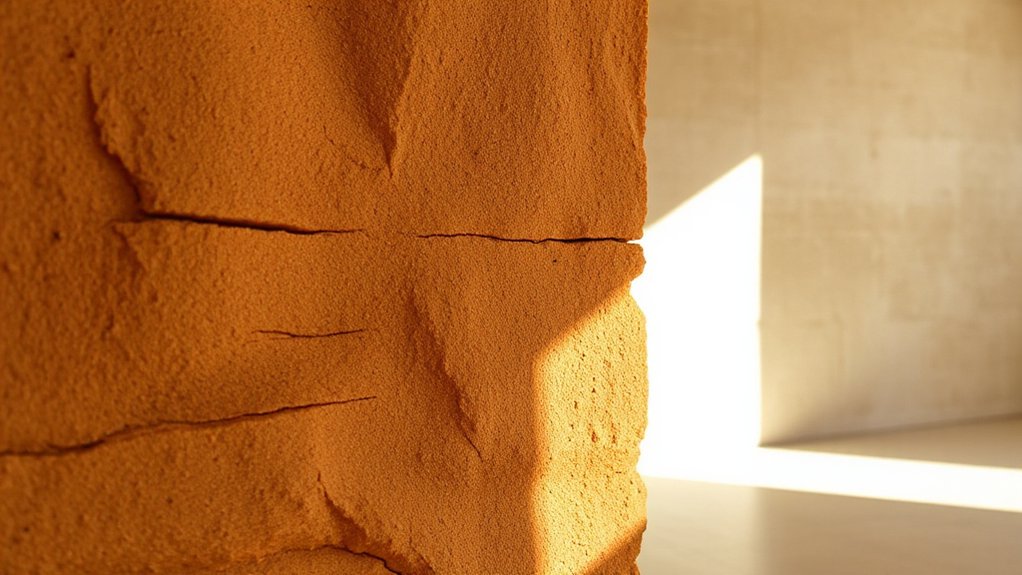
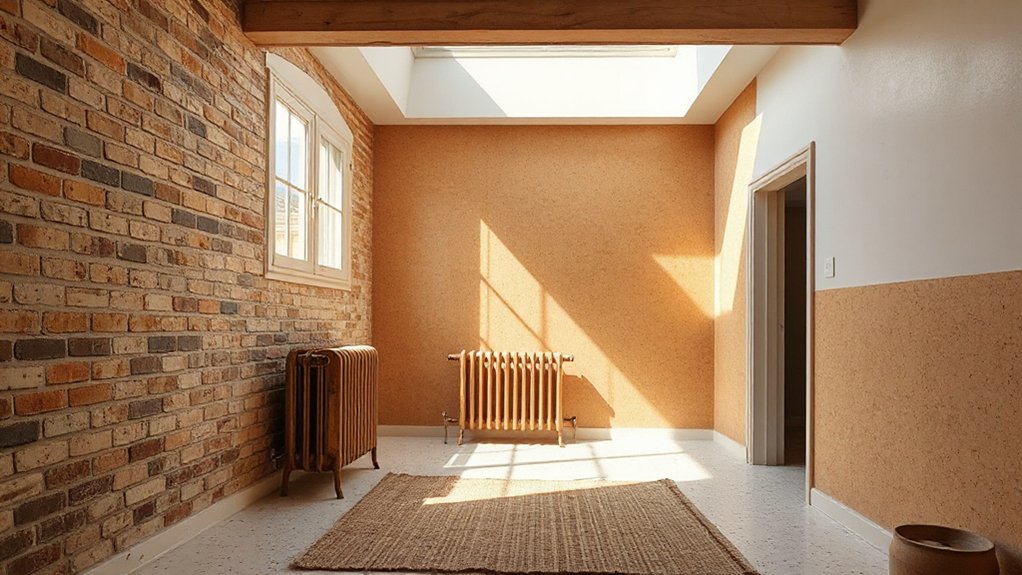
Rammed earth textures invite you to touch history: layered, sun-warmed tints ripple across the surface, each pass of a hand revealing a slightly different shade and grain. You’ll feel depth in every contour, a tactile timeline that stays cool in heat and warm in cool nights.
The material breathes, balancing humidity with ease, so interiors stay comfortable without modern pumps. Natural insulation reduces reliance on artificial climate control, while eco-friendly finishes preserve the raw charm without chemical overlays.
- Tactile warmth that shifts with light
- Subtle, natural color variance across panels
- Breathable walls that temper moisture
- Sustainable, low-impact finishes
Rammed earth delivers texture, color, and breathable benefits in a compact, purposeful package.
Recycled Metal Accents: From Industrial to Refined
Reclaimed steel brings a quiet drama to spaces, its industrial glow warming into refined silhouettes. You’ll notice the patina—textures that tell a story and pat the room with character.
From rugged accents to sleek architectural details, its versatility adapts your decor from bold to understated.
Reclaimed Steel Aesthetics
From industrial grit to refined elegance, reclaimed steel introduces a magnetic energy that anchors contemporary spaces. You’ll feel the material’s quiet confidence, its Industrial charm informing architecture without shouting. Its Structural integrity remains a practical backbone, resisting time as it ages with purpose.
You’re invited to mix clean lines and rugged edges, letting angles and seams tell a story of skilled craftsmanship. The result is a room that breathes with subtle magnetism, where form follows durable function.
- Weathered panels that reveal honest seams and character
- Clean, cut profiles softened by tactile patinas
- Bold railings and furniture frames that stay timeless
- Minimalist accents that honor function over spectacle
Patina and Texture
Each piece carries surface textures that invite touch, from brushed ridges to pitted chiaroscuro, creating dimension beyond color. In kitchens and living rooms, these elements act as quiet punctuation, balancing sleek lines with imperfect charm.
You can group metals for a layered, sculptural effect, letting oxidized edges catch light differently as you move. Avoid glossy perfection; embrace the patina’s storytelling and the tactile promise of time.
Recycled metal becomes a conversation starter, proving character isn’t flashed on, it’s earned through patina, texture, and restraint.
Versatility in Decor
- Bold, sculptural frames that pair matte and lacquered finishes
- Shelving hardware with sleek lines and warm patina
- Pendant lights that cast dramatic shadows and glow
- Accessories in mixed metals to balance cool and warm tones
Stained Concrete: Durability With a Quiet Tactile Story
Stained concrete doesn’t just look durable—it speaks with a quiet, tactile confidence. You’ll feel its weight underfoot, a smooth, cool surface that rewards careful movement. The stain deepens natural veining, revealing subtle color shifts that ride a line between matte restraint and polished edge.
In modern minimalism, its restrained palette lets form lead, while imperfections read as character, not flaws. You can modulate mood with color contrast: charcoal stages drama against pale walls; warm amber invites daylight to glow without glare.
Durability stays practical—scratches patina, not degrade, and maintenance remains simple with a damp wipe. It’s honest, resilient, and surprisingly versatile, adapting from spacious lofts to intimate nooks without shouting.
Stained concrete quietly anchors spaces with enduring, tactile personality.
Brick Alternatives: Clay Tessellations and Vintage Vibes
You’ll feel the texture of Clay Tessellations under fingertips, each tile shifting from smooth to subtly grooved.
Vintage Vibe Bricks evoke a rustic, tactile history, their irregularities telling a quiet, artisanal story.
Earthy Tone Palettes bind the look, turning spaces into grounded, timeless scenes.
Clay Tessellations Texture
Clay tessellations bring a warm, tactile rhythm to brick alternatives, turning flat surfaces into a mosaic of soft, rhythmic patterns. You feel texture echoing traditional techniques while inviting modern interpretations into daily spaces, blending heritage with contemporary edge.
- Embrace irregularity as character, not flaw
- Mix matte and glaze for subtle depth
- Tile sizes vary to create dynamic flow
- Pair with natural light to reveal warmth
In practice, you’ll notice the surface learns your touch, guiding light across its facets. The technique marries craft with experimentation, yielding surfaces that read as artful rather than generic.
With clay tessellations, you transform walls into low-relief tapestries, inviting hands and eyes to explore every notch and contour. The result is a restrained, refined statement that feels timeless, yet fresh, ensuring your space resonates with character rather than trend.
Vintage Vibe Bricks
These clay tessellations invite creative layouts—herringbone, arabesque, or random stacks—without demanding heavy framing. Their tactile surface catches light, creating depth in kitchens, living rooms, or entryways.
You’ll enjoy easy installation and lower upkeep compared to pure masonry, plus the flexibility to mimic brick while avoiding structural constraints. When you seek vintage charm, these bricks deliver it in a lighter, more adaptable package.
If you ever need brick repair, the uniformity helps you blend fixes seamlessly while maintaining the overall aged vibe. Use them to balance rustic warmth with contemporary polish.
Earthy Tone Palettes
Earthy tones warm up any space the moment you bring in clay tessellations or vintage vibes. You’ll notice how natural finishes anchor rooms, adding texture without shouting. This palette centers on earthy neutrals, letting warmth breathe through walls, floors, and accents.
The goal isn’t loud contrast but color harmony that feels timeless, not trendy. Clay tessellations introduce subtle geometry, while vintage vibes evoke memory—together they create cohesion you can build upon.
- Natural finishes emphasize texture and authenticity
- Subdued browns, ochres, and terracotta for depth
- Soft, complementary hues balance bold architectural forms
- Timeless color harmony that ages gracefully
Bamboo and Rattan: Lightweight Warmth for Floors and Walls
Bamboo and rattan bring a surprising warmth to floors and walls, their honeyed tones and natural textures inviting you to touch and linger. You’ll notice the way these materials soften spaces, lending a tactile calm that doesn’t rely on heavy finishes.
Lightweight, durable, and renewable, bamboo flooring and rattan panels create character without shouting for attention. Pair them with vintage lighting and you amplify a timeless glow that feels both nostalgic and fresh.
On walls, woven panels add depth, casting subtle shadows that shift with the day’s light. Keep edges clean and joints tight to preserve the material’s elegance.
For focal spots, consider artistic mosaics nearby to echo the organic grain while maintaining a modern, cohesive palette.
Ferrous and Weathered Steel: Aging Gracefully
Ferrous and weathered steel age gracefully, revealing character with every patina and scrape. You’ll notice industrial flair in its rugged honesty, a material that tells stories as it ages. Its surface bears history, from oil-smeared sheen to chalky rust, each mark a reminder of use and purpose.
You gain depth without pretension, a sturdy presence that pairs with modern and vintage alike. Keep a sense of restraint: let the patina breathe, don’t over-polish, and embrace the texture.
- Industrial flair meets subtle warmth in dented panels
- Vintage charm surfaces through uneven tones and texture
- Matte, tactile finishes complement concrete and wood
- Patina evolves, adding depth with every season
Lime and Earth Plasters: Plaster With Personality
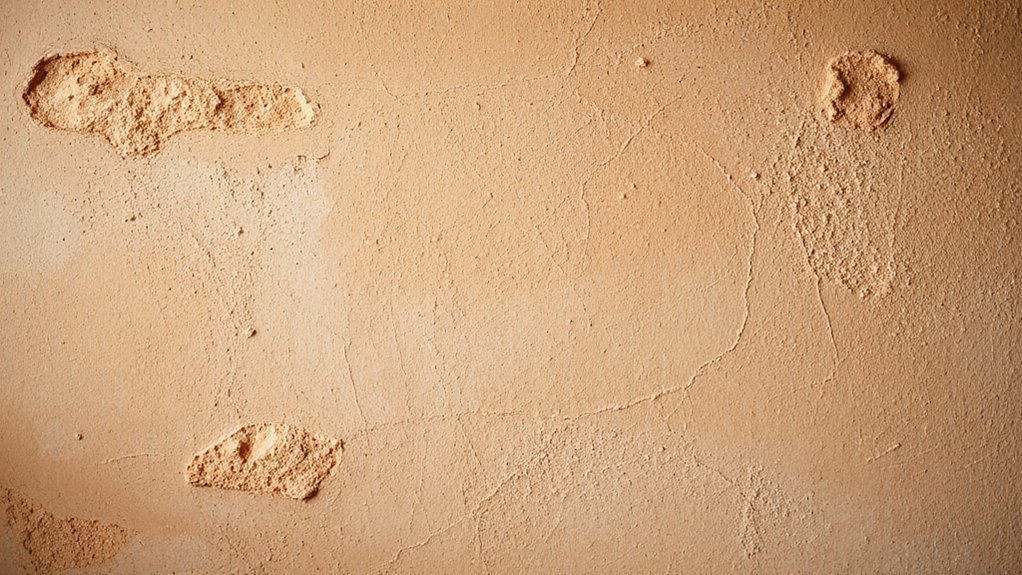
Lime and earth plasters bring a quiet personality to walls, where sun-warmed tones and tactile texture invite you to touch and linger. You’ll feel a living, breathable surface that ages with subtle grace, developing patina rather than peeling away.
The material’s character shifts with light, revealing soft shifts in hue from dawn to dusk. Cultural influences surface in the craft, echoing regional terracottas, Venetian plaster, or adobe finishes in distinct, honest ways.
Application is precise yet forgiving, allowing irregular joints and hand-applied textures to shine through.
Material durability isn’t about fortress rigidity; it’s about resilience against moisture and movement, a natural balance that stabilizes over time.
Choose lime and earth for personality grounded in tradition, performance aligned with environment.
Painted Textures That Reveal Depth Without Fuss
- Color blending that shifts with light to create quiet depth
- Pattern layering that adds complexity without crowding
- Toned-down contrasts for a cohesive, intimate feel
- Soft edges and feathered shifts for seamless texture
Salvaged Glass and Mirrors: Light, Depth, History
Salvaged glass and mirrors bring light, depth, and history into play, offering a quiet drama that complements the softer textures you’ve just explored. You place fragmented gleams into shelves, walls, and tables, and suddenly space expands without adding bulk.
The material dissolves boundaries, turning corners into galleries of vintage charm and personal memory. When you hang a cracked pane as a window centerpiece or fuse mirror shards into a backsplash, you invite artistic reflections that shift with the day’s light.
Its storytelling quality is quiet, yet undeniable, echoing eras you’ve never lived but instantly sense. Use sparingly, let edges breathe, and let the reflections become a subtle chorus rather than a bold statement. Subtle, perceptive, purposeful.
Natural Stones With Low Profiles: Slate, Schist, Fieldstone
Natural stones with low profiles bring grounded quiet to a room: slate, schist, and fieldstone lay close to the surface, shaping walls, floors, and accents without shouting. You feel a tactile film of time in their textures, a whisper of landscape captured by modern technology that still honors cultural symbolism.
- Slate’s slate-gray sheen anchors contemporary panels while nodding to historic roofs and floors
- Schist’s layered veins invite subtle, shifting light and depth
- Fieldstone’s irregular pockets create warm, inviting corners and rustic punctuation
- Textural contrast enhances metal, wood, and glass without shouting
These stones render spaces intimate, durable, and quietly sophisticated, proving that rugged character can stay refined.
Sustainable Composites: Fiber-Cement and Responsibly Sourced Options
Sustainable composites like fiber-cement and responsibly sourced materials offer a balance of durability, design freedom, and lower environmental impact. You’ll notice how these blends pair rugged resilience with sleek aesthetics, letting you shape facades that feel modern yet timeless.
Fiber-cement stands up to weather, punching above its weight in material durability while remaining surprisingly light on maintenance. Its versatility suits gutters, siding, and accent panels, offering clean lines without sacrificing texture.
Responsibly sourced options deepen the story, aligning beauty with ethics through recycled or responsibly harvested fibers and low-impact binders. Eco-friendly innovations drive this category forward, narrowing the gap between performance and responsibility.
You’ll appreciate the calm it brings to spaces that crave character without clutter or waste.
How to Evaluate, Install, and Maintain Underrated Materials for Lasting Character
Underrated materials can quietly redefine a project’s character when you know what to look for and how to care for them. You evaluate durability, compatibility, and patina potential, then choose surfaces that age gracefully.
Prioritize eco friendly finishes that seal protectively without masking texture, and seek low-maintenance options that suit your climate. When you install, follow clear, stepwise methods and document every choice for future care.
Maintain with regular dusting, gentle cleaning, and timely repairs to preserve tone and grain.
- Assess finish longevity and environmental impact before committing
- Plan installation with accurate measurements and proper detailing
- Use DIY installation tips that emphasize surface preparation and protection
- Create a simple maintenance schedule to sustain character over time
Frequently Asked Questions
How Do These Materials Influence Acoustics in Small Rooms?
Sound absorption from these materials softens echoes, shaping a calmer vibe; you’ll notice acoustic enhancement in dialogue and music, as textures quiet high frequencies and diffuse reflections, creating balanced sound spaces you can enjoy without harshness or cluttered reverberation.
What Are Cost Considerations Over Time for These Materials?
Cost considerations over time depend on your choices: you weigh upfront price against durability factors, maintenance needs, and replacement cycles, then compare costs across materials. You’ll see cost comparison shift with climates, wear, and finish longevity, honestly.
Can These Materials Be Diy-Friendly for Beginners?
Did you know 62% of beginners feel empowered after a simple DIY project? Yes—these materials can be beginner friendly, with DIY installation tips and beginner friendly material choices that let you confidently tackle projects without professional help.
How Do Maintenance Needs Vary Among the Options?
Maintenance frequency varies by material, but you’ll notice durability concerns for some options. You’ll need regular sealing or cleaning cycles, while others demand less attention. In practice, plan yearly checks, plus spot touches to preserve character and performance.
Which Spaces Best Showcase Each Underrated Material?
You’ll best showcase each underrated material in spaces that highlight its unique aesthetic and environmental benefits: rustic kitchens for reclaimed wood, serene bathrooms for clay plaster, airy living rooms with concrete or brick, and sunlit home offices.
Conclusion
You’ll discover that underrated materials transform a space with quiet presence, warmth, and storytelling—not showy flash. Let texture, color, and history breathe together, balancing modern lines with soulful imperfection. Imagine a living room where reclaimed oak panels glow with patina, cork walls hush footsteps, and rammed-earth warmth steadies conversations by the fire. A real case: a small café used salvaged glass and recycled metal, creating a timeless, inviting atmosphere that customers still mention weeks later.