


Your homeowners insurance protects your home, belongings, and finances with set limits, deductibles, and perils, so you know what’s covered, how much you’ll recover, and where gaps exist. Guarantee dwelling limits reflect rebuild costs, and that personal property compares replacement value or actual cash value. Understand liability, medical, and guest coverage, plus deductibles and sublimits that cap payouts. Regularly compare providers, document losses thoroughly, and track claims. Stay proactive—more specifics await to sharpen your protection.
Key Takeaways
- Understand dwelling, personal property, and liability coverages to know what is protected and to what limits.
- Know deductibles, limits, and sublimits to gauge out-of-pocket costs and payout caps.
- Consider replacement cost vs. actual cash value to estimate true recovery after a loss.
- Document losses thoroughly with photos, receipts, and a digital organized file to speed claims.
- Regularly review and compare policies, endorsements, and discounts to align coverage with actual risk.
Understand Homeowners Insurance: Core Concepts and What You Need to Know

Homeowners insurance covers your residence and personal property against common risks, but policies vary in scope and exclusions. You’ll want to understand core concepts to evaluate coverage effectively.
Begin with dwelling protection limits, which set the maximum payout for structural repairs on your home. Personal property coverage, typically a percentage of dwelling limits, governs replacement or actual cash value of belongings.
Consider liability protection, covering injuries or property damage you cause, and loss-of-use payments when you need temporary housing.
Policy exclusions define what isn’t covered, such as certain high-risk causes or specific items.
Review premium factors that influence cost, including deductible, location, construction type, and security features.
Align your policy with risk assessment, guarantee adequate limits, and clarify endorsements or riders for gaps.
What Your Home, Outbuildings, and Belongings Are Covered For
Your home, its outbuildings, and your personal belongings are protected under the policy’s coverage rules, which specify what’s covered and under what limits. You’ll typically see coverage for the dwelling structure, attached or detached additions, and closets or fixtures integral to the home.
Personal property has defined limits, with specific sublimits for high-value items. Losses from fire, wind, theft, and certain other perils are covered, subject to deductibles and policy exclusions.
Replacement cost or actual cash value options may apply, influencing recovery amounts. Additional coverages often include temporary living expenses if you’re displaced.
Home security can influence premiums and claim outcomes. Renovation coverage may apply if updates occur, provided you meet policy conditions and notify your insurer of changes.
Liability and Medical Coverage: Protecting Your Finances
Liability and medical coverage protect your finances when accidents happen on or around your property. This component of your policy governs two critical areas: guest liability and medical expenses.
Guest liability covers injuries to visitors on your premises or caused by your activities, so you won’t absorb large out-of-pocket costs from claims or lawsuits.
Medical expenses protection defrays costs for injuries you or household members cause, regardless of fault, up to the policy’s limits.
Understand the distinction between personal liability limits and medical payments coverage, and how each interacts with endorsements or riders.
Maintain accurate, up-to-date records of premises risks and safety measures to support claim validity.
Regularly review coverage scope to ensure protection aligns with potential exposure, not just historical incidents.
Deductibles, Limits, and Triggers: How Your Payouts Are Calculated

Your deductible affects how much of a claim you’re responsible for before payouts begin.
Understand how trigger types, limits, and the deductible interact to determine your final payout.
We’ll break down how each element shapes coverage and where to focus when reviewing your policy details.
Deductible Impact On Payout
Deductibles considerably shape the payout you receive after a claim, acting like a threshold that must be met before the insurer covers expenses. Your choice of deductible level directly affects premium cost and payout timing, influencing overall cost efficiency.
In payout calculations, higher deductibles reduce the insurer’s exposure, lowering the payout on smaller claims while preserving funds for larger, more damaging events. This relationship requires careful deductible strategies to balance affordability with protection.
- Impact on claim size thresholds and payout timing
- Interaction with premiums, coverage gaps, and catastrophe caps
- Strategy trade-offs between out-of-pocket payments and total risk transfer
Understanding these nuances helps you optimize policy design, aligning deductible selections with risk tolerance and financial reserves.
Trigger Types And Limits
Triggers and limits define how payouts are calculated by specifying when coverage activates, how much the insurer pays, and what caps apply. You’ll encounter trigger types such as deductibles, policy limits, and sublimits, each shaping your financial exposure after a loss.
When a loss occurs, trigger events determine whether your policy responds and at what payout level, based on the defined thresholds. Deductibles subtract a set amount before payment, while limit adjustments tweak the maximum the insurer will cover, often subject to endorsements or regional constraints.
Be mindful of timing, as some events activate coverage only after coexisting conditions are met. Understanding these mechanics helps you estimate true costs, select appropriate protection, and avoid surprises when a claim is filed.
Evaluate and Optimize Your Coverage Without Overpaying

To optimize, you should align coverage levels with actual risk and keep policy rates in view.
Compare policy rates across providers and adjust limits to avoid paying for unnecessary coverage.
This sets the stage for precise, cost-conscious decisions without compromising protection.
Optimize Coverage Levels
Optimizing coverage levels starts with a precise assessment of your home’s rebuilding cost and the risks you face. Then, align policy limits and endorsements to those needs without inflating premiums.
You optimize by matching coverage to replacement cost, not market value, and by selecting endorsements that close gaps in protection. Use a disciplined approach to reduce excess, while ensuring you’re not underinsured.
You also consider cost-saving options that preserve risk transfer quality, such as policy bundling and premium discounts.
- Verify replacement-cost appraisal accuracy and adjust limits accordingly
- Identify essential endorsements (flood, (re)construction materials, ordinance/oral requirements) without redundancy
- Explore bundled policies and applicable premium discounts for overall savings
Compare Policy Rates
How can you guarantee you’re not overpaying while securing robust protection? When you compare policy rates, you parse coverage details, limits, deductibles, and exclusions side by side.
Start with the baseline: current policy, pricing, and claim history, then request quotes that mirror those terms. Assess whether higher deductibles meaningfully lower premiums and whether discounts apply to bundled coverage, automatic payments, or safety upgrades.
Compare policy renewal timelines and savings opportunity windows, noting any cap on premium increases. Calculate total cost across a year, not just monthly payments.
Look for premium discounts tied to security improvements, fire suppression, or multi-policy bundles. Document differences and ask for formal explanations before renewing.
This disciplined approach minimizes overpayment while preserving essential protection.
Navigate the Claims Process: From Loss to Settlement Quickly
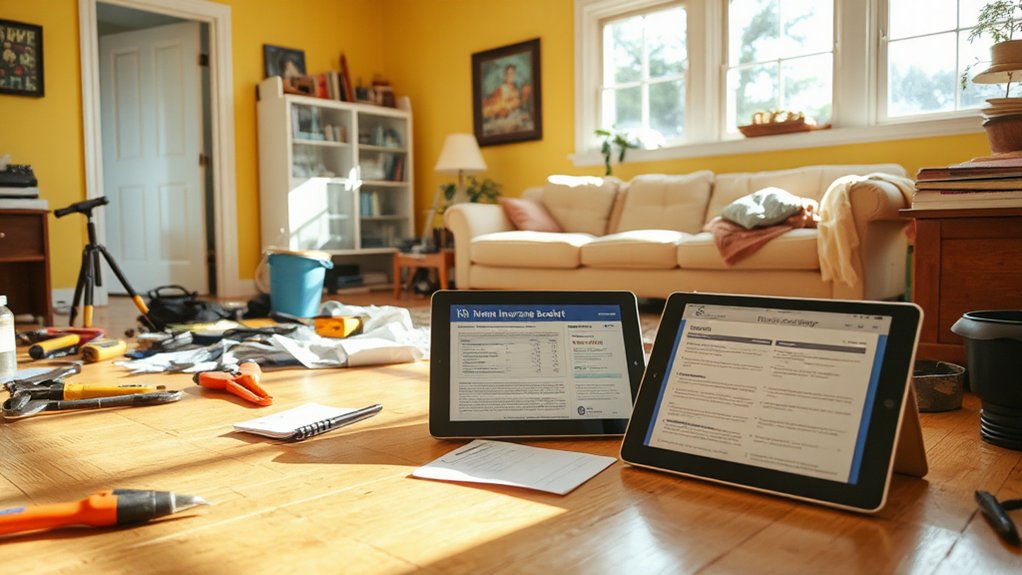
Beginning the claims process starts the moment you notice a loss: document what happened, preserve evidence, and contact your insurer promptly. You’ll establish a clear audit trail through disciplined claim documentation, enabling faster verification and settlement. Assess coverage specifics, photograph damages, and log every interaction with adjusters and vendors. Maintain concise, factual notes and retain receipts for temporary repairs to prevent further loss.
Communicate risks and timelines to avoid gaps that delay payment. Avoid shortcuts that resemble insurance fraud, which can jeopardize your claim and policy. Proactively organize documentation into a digital folder for easy access.
- Gather incident details, photos, and receipts in a single, timestamped bundle
- Record conversations, dates, and approvals from your adjuster and insurer
- Track repair estimates, invoices, and progress updates for transparency
Frequently Asked Questions
How Can I Determine if My Policy Covers Mold Damage?
Yes, you determine coverage by reviewing your policy language for mold remediation and policy exclusions; check your declaration page, endorsements, and any riders, and contact your insurer to confirm if mold damage is covered, excluded, or requires rider.
Do I Need Separate Coverage for High-Value Electronics?
Yes, you should verify separate coverage for high-value electronics. Confirm your policy includes electronics coverage and high-value protection, detailing limits, exclusions, and endorsement options, so your expensive devices are protected beyond standard dwelling or personal property limits.
What Optional Riders Are Worth Adding for Natural Disasters?
Yes—consider riders for flood protection and earthquake coverage, since disasters surge costs and gaps. You’ll stabilize limits, reduce out-of-pocket expenses, and guarantee timely claims processing when events strike. Verify provider specifics, calendars, and exclusions for all-encompassing coverage.
How Does Temporary Living Expense Benefit Work After a Loss?
Temporary living expense benefits cover temporary housing costs while your property is damaged and you can’t live there. You file a claim, provide receipts, and expect reimbursement up to policy limits after documented insurance claims.
Can Pets Be Covered Under My Liability Insurance?
Pet liability coverage can exist under your liability policy, but specifics vary. Check your policy for animal coverage limits, exclusions, and requires documentation. You’ll want to verify whether pets are covered for incidents and defense costs.
Conclusion
In short, your homeowners insurance isn’t a luxury—it’s a risk management tool you control. By aligning coverage with the actual replacement cost, assets, and potential liability exposure, you minimize gaps and overpayments. An eye-opening stat: about 30% of homeowners underinsure their homes, leaving them exposed to significant out-of-pocket costs after a loss. Regularly review deductibles, limits, and triggers, and simplify the claims path with documented inventories, up-to-date appraisals, and clear policy language. Stay proactive, stay protected.